Artwork
Self-Portrait
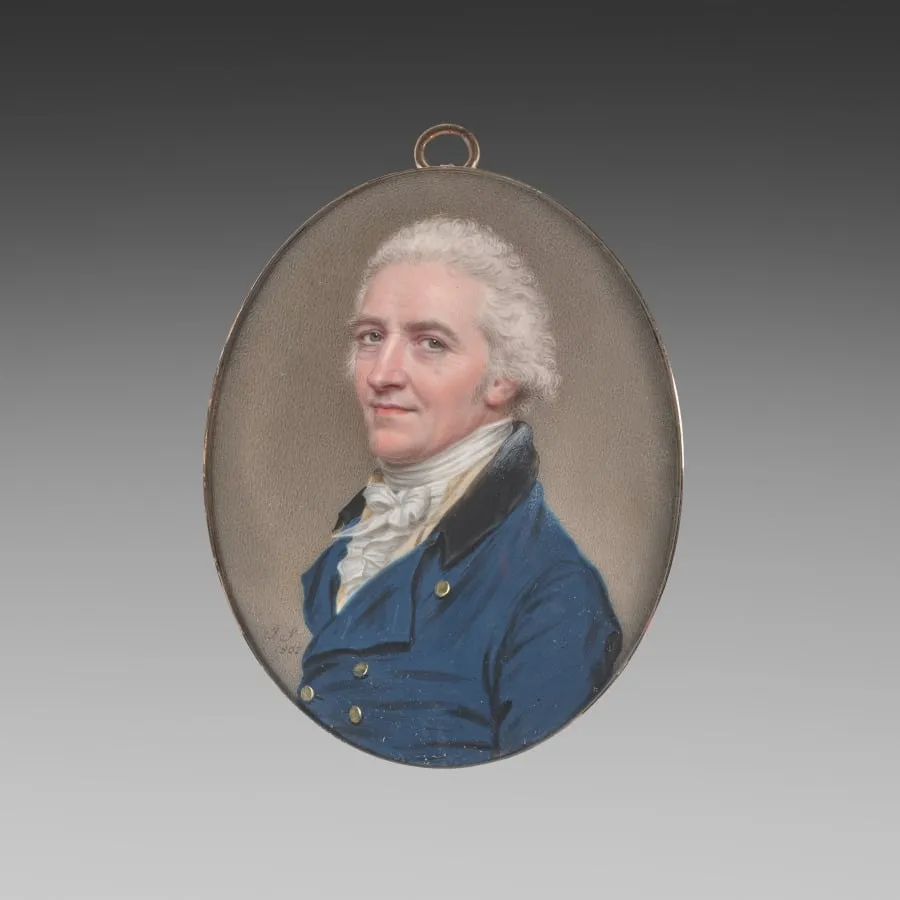
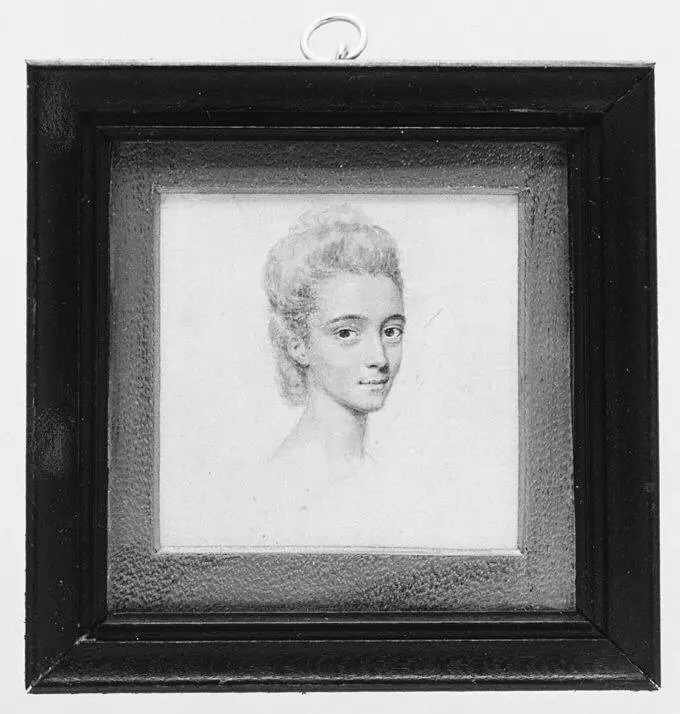
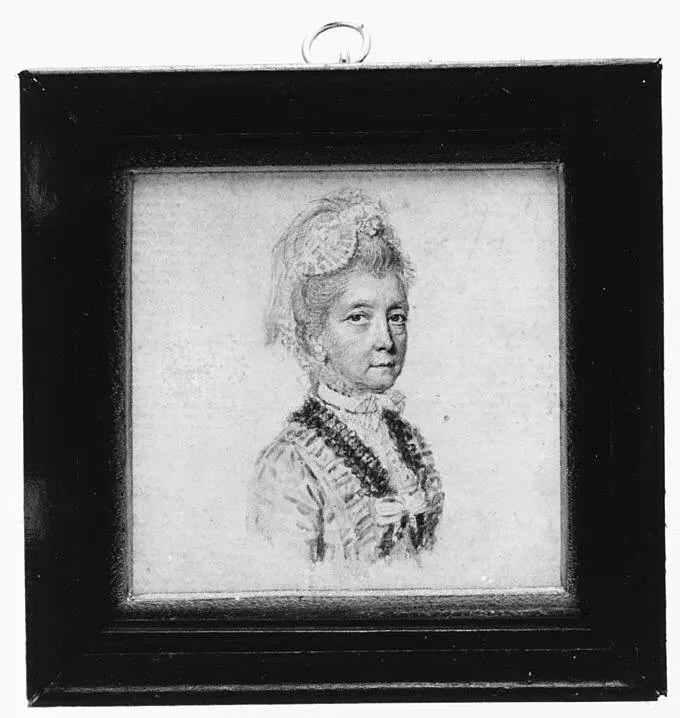
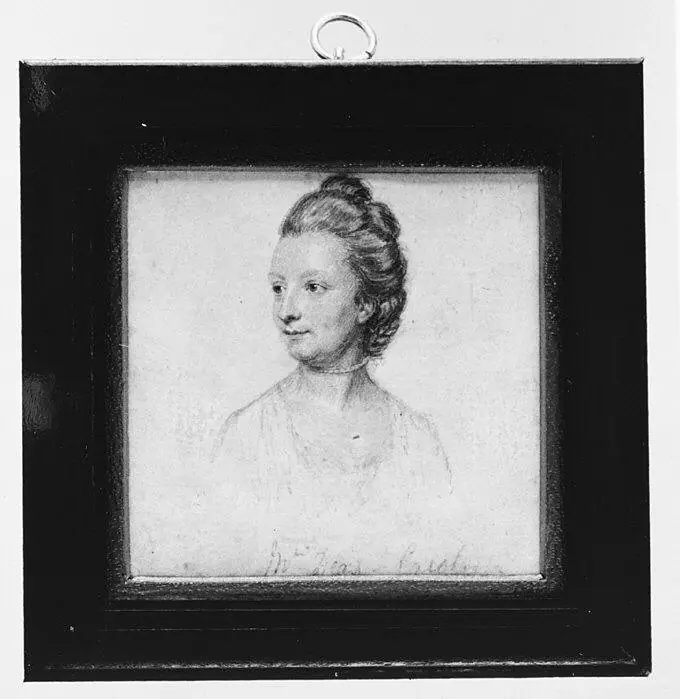
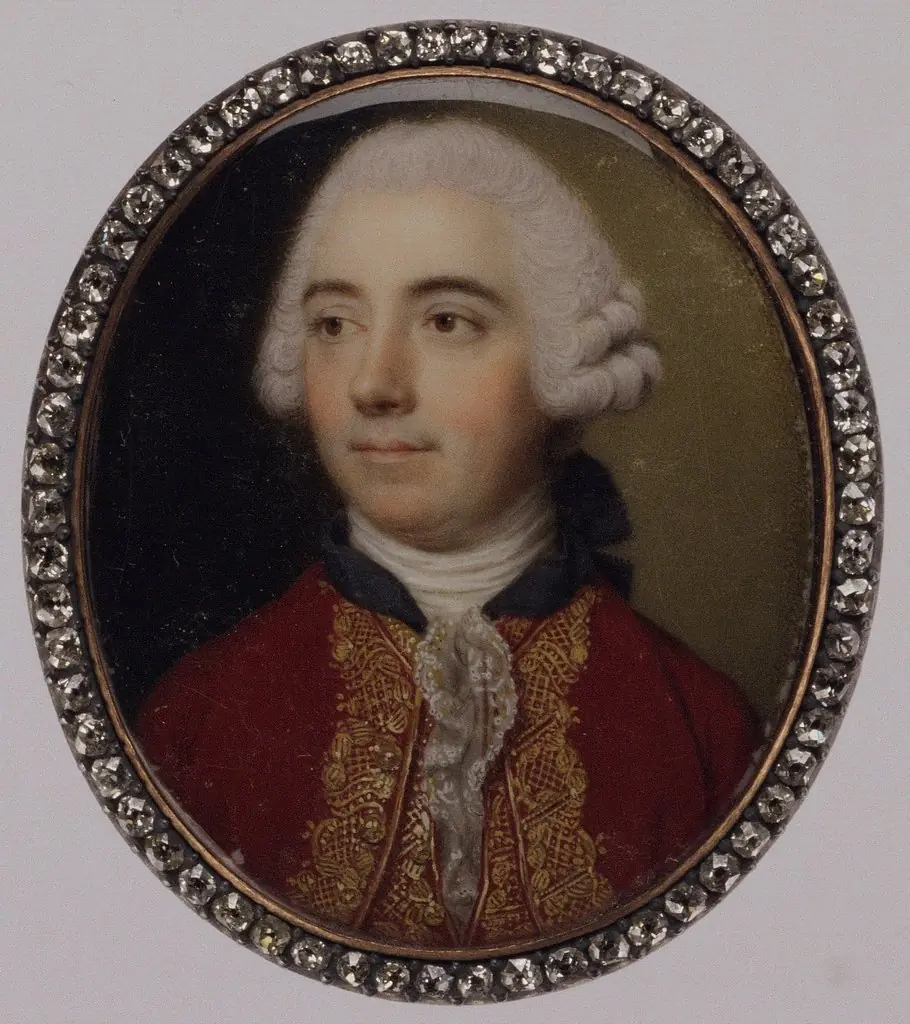
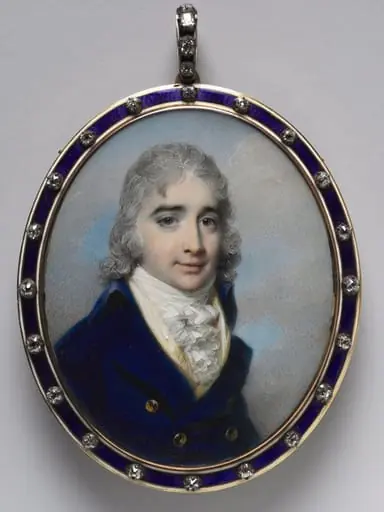
Self-Portrait is an unspecified portrait miniature by the British Romanticist artist John Smart. It dates from 1802 and is held in the collection of the Cleveland Museum of Art.
About this work
His gray curls peek out from under the white dust, even though powdered wigs went out of style years before this was painted.
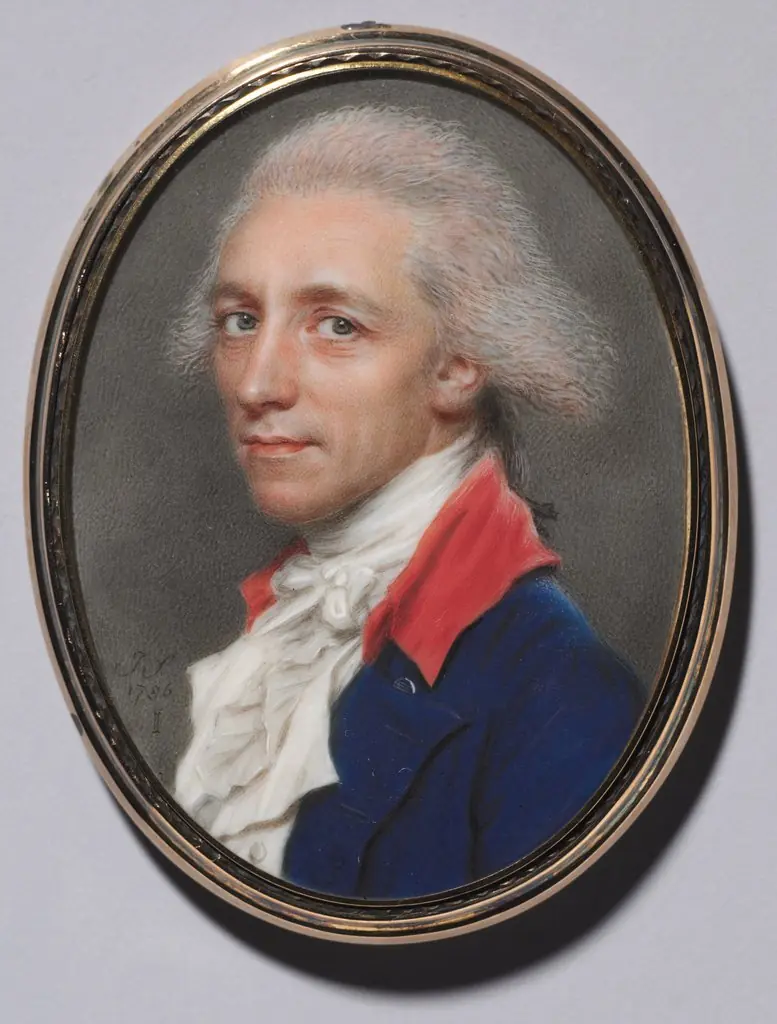
Here’s a man in a dark blue coat, brass buttons, and a bright yellow vest, powder still clinging to his collar. His gray curls peek out from under the white dust, even though powdered wigs went out of style years before this was painted.
Smart painted tiny, precise miniatures—small enough to hold in your palm. This self-portrait is bigger, but you can still see his careful hand in every button and wrinkle. The yellow vest appears in other portraits of him, like a signature color.
If you like this quiet, detailed style, look up subject: england, early 19th century, mod euro.
Overview
This portrait miniature is a self-portrait by John Smart, created in 1802. It showcases the artist's attention to detail and skill in capturing likenesses on a small scale.
Subject & Meaning
The subject is depicted wearing a dark blue coat with brass buttons and a bright yellow waistcoat, with powdered hair and a ruddy complexion. The yellow waistcoat may indicate the artist's Whiggish political leanings, as it appears in another portrait of Smart.
Technique & Style
The miniature is characterized by its precise rendering of details, such as buttons and wrinkles. The artist's use of color is notable, particularly the contrast between the dark blue coat and bright yellow waistcoat.
History & Provenance
The self-portrait was formerly in the collection of William Henry Bose, Smart's great-grandson. It was retained by the family after the sale of the Bose collection at Christie's in 1937 and later lent to the Victoria and Albert Museum.
Artist & collection
Artist
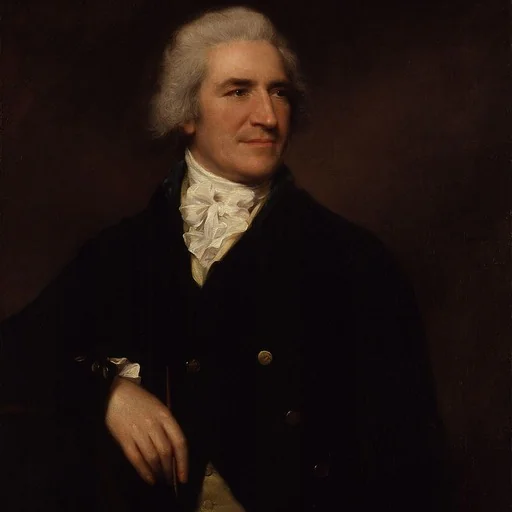
John Smart (1 May 1741 – 1 May 1811) was an English painter who specialised in portrait miniatures. He was a contemporary of Richard Cosway, George Engleheart, William Wood and Richard Crosse.