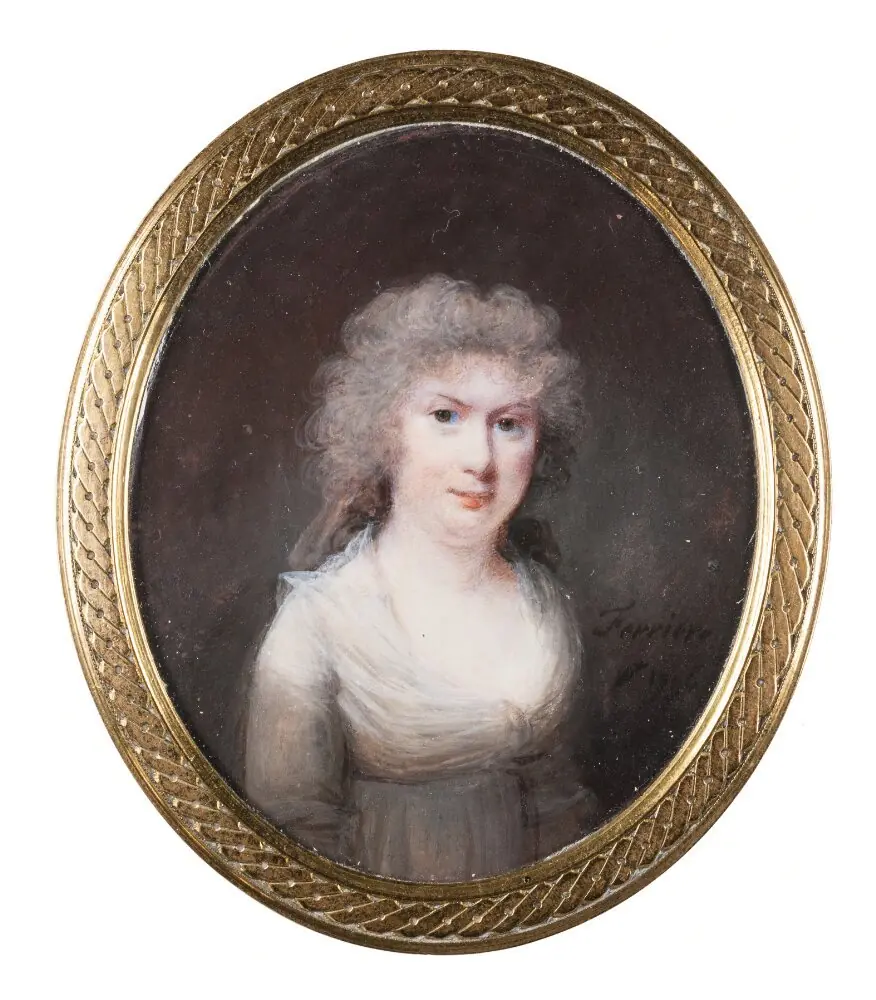
Artwork
Portrait of a Woman
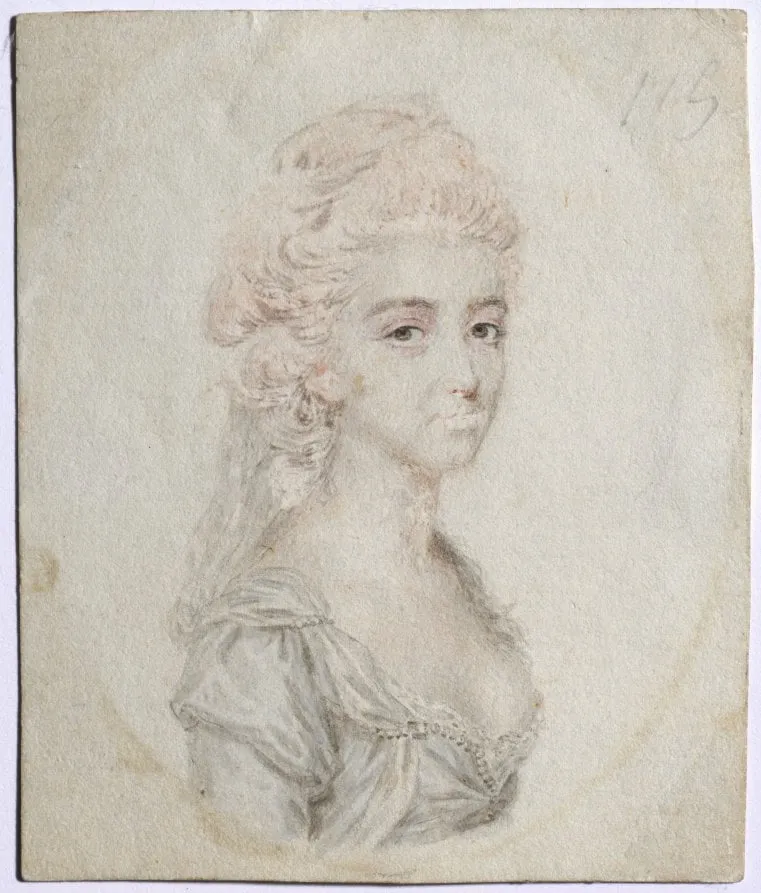
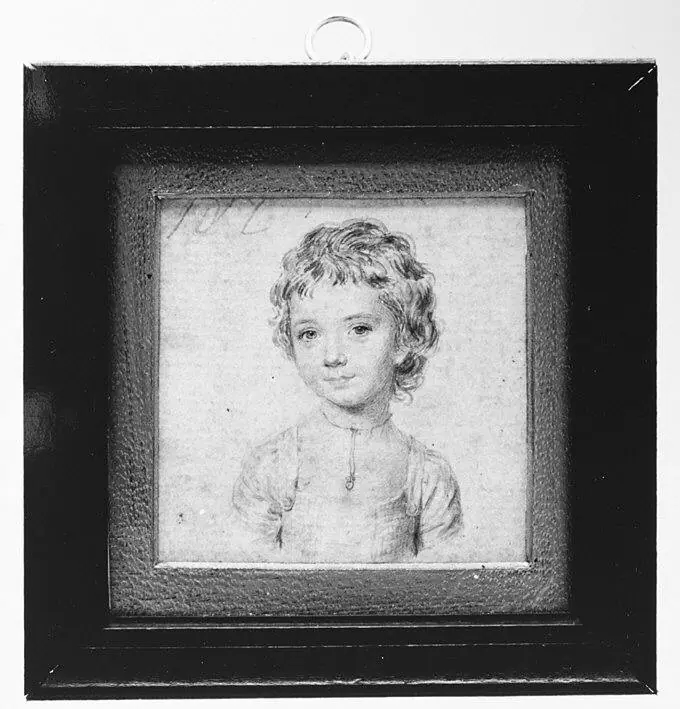
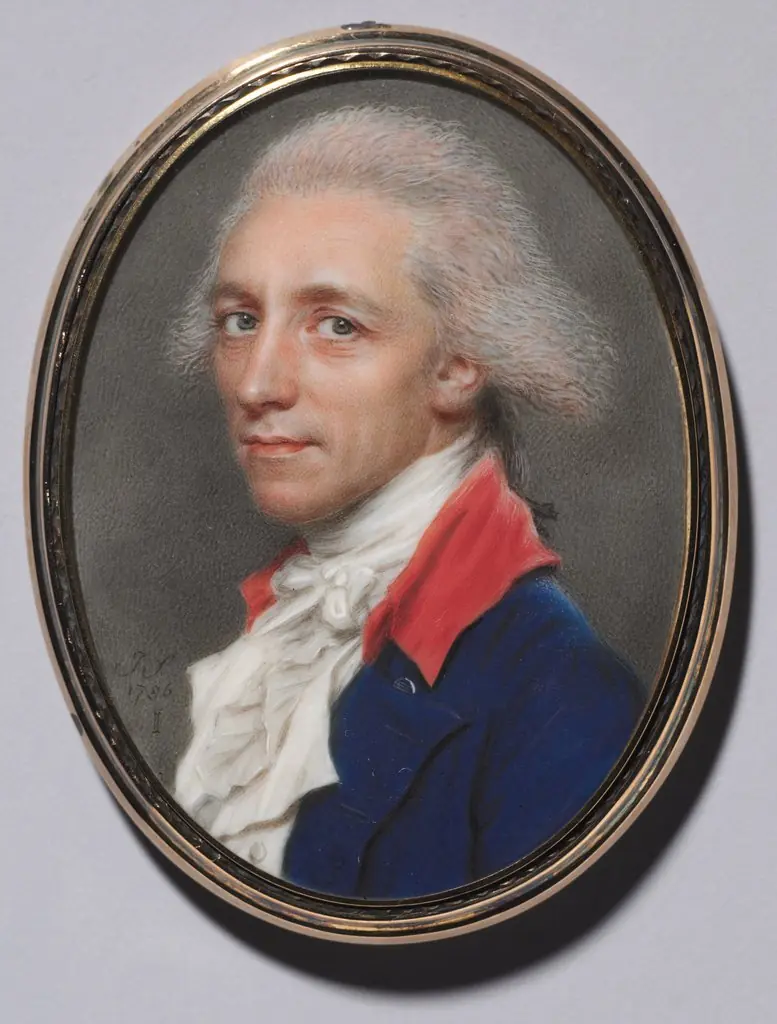
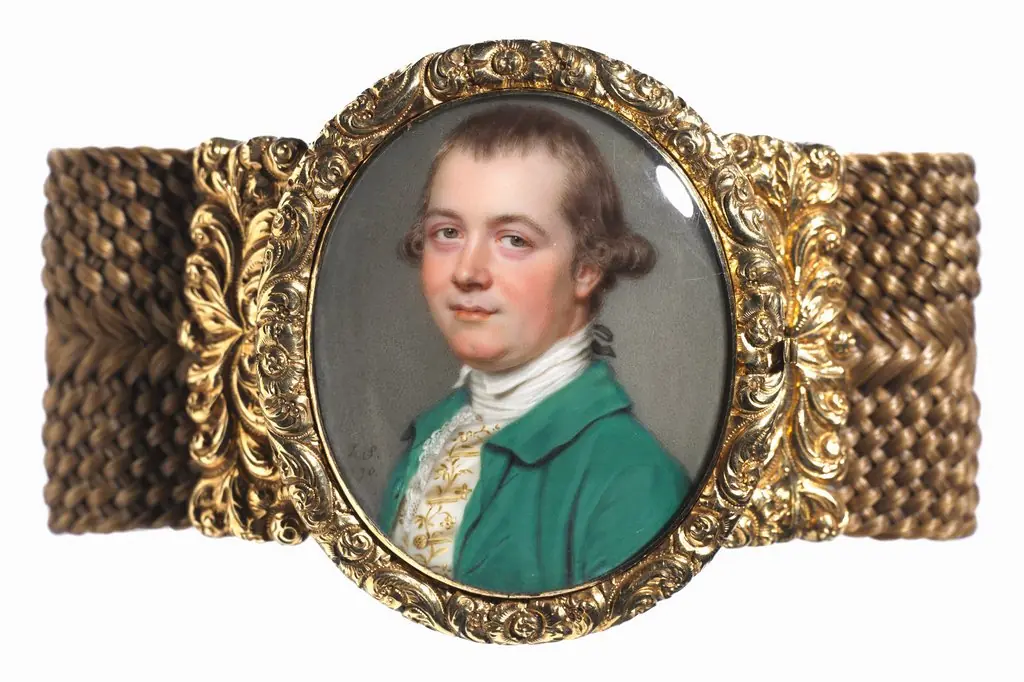
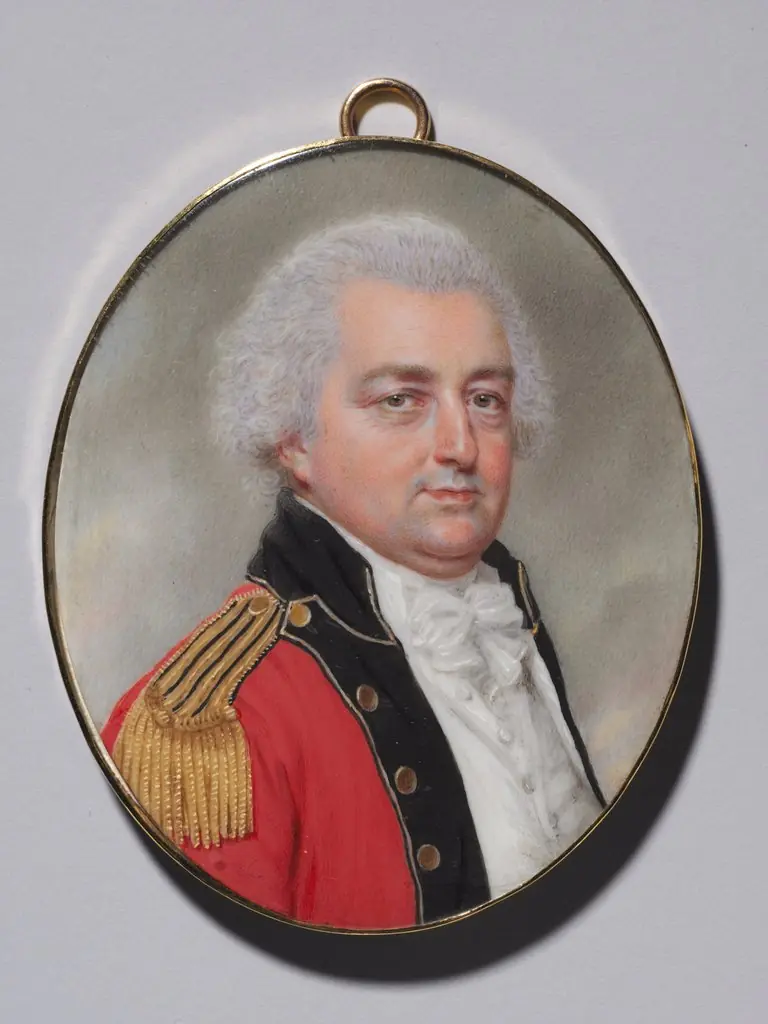
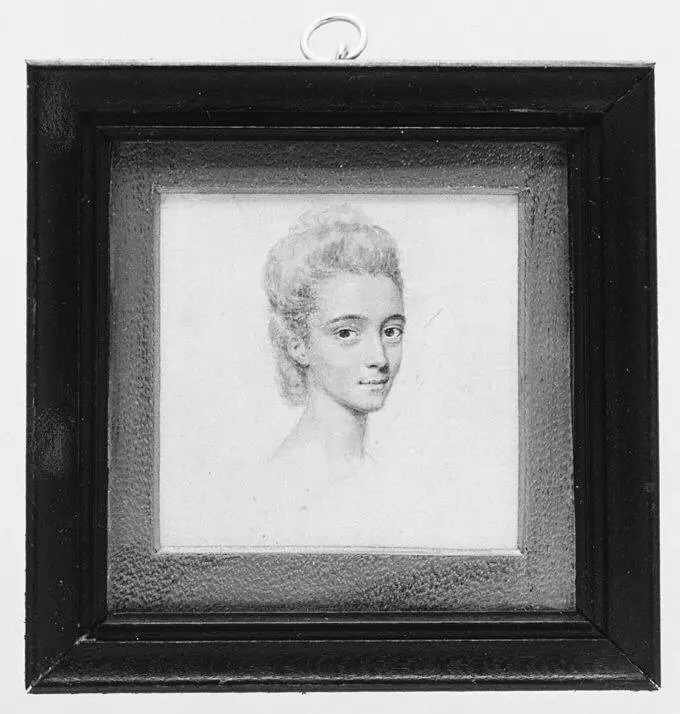
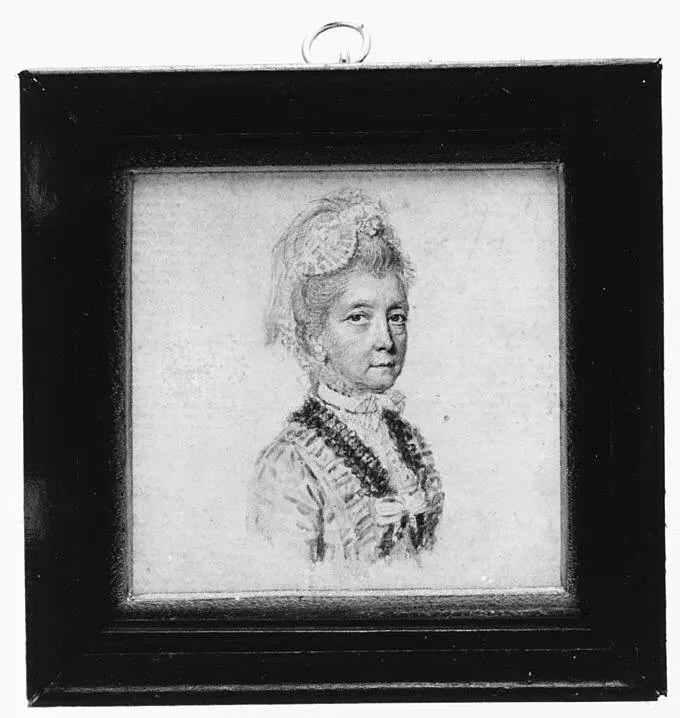
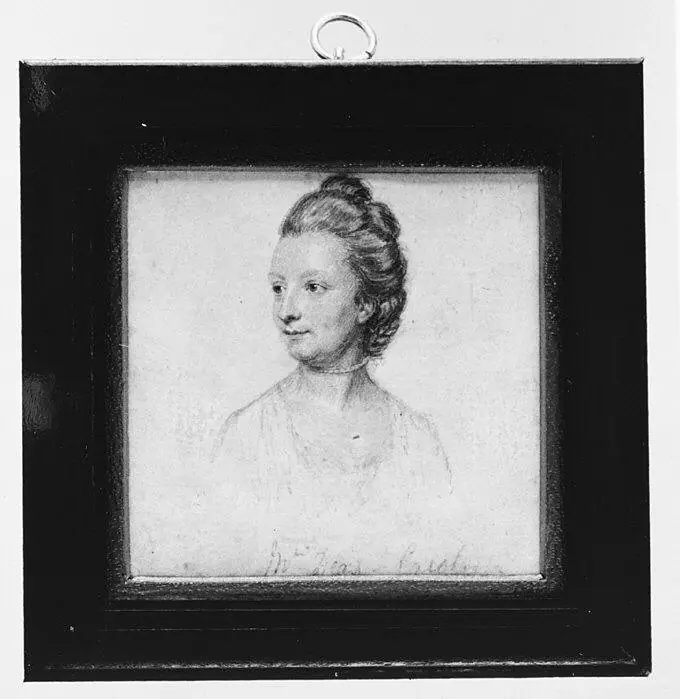
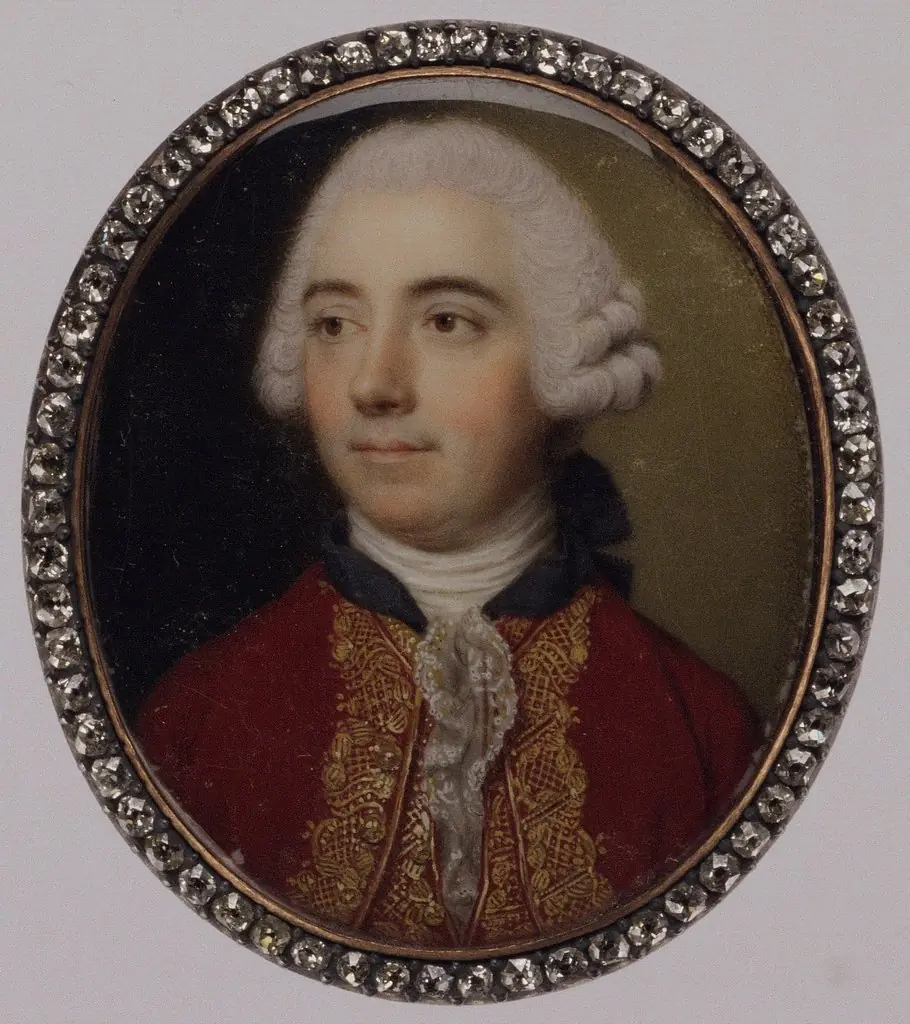
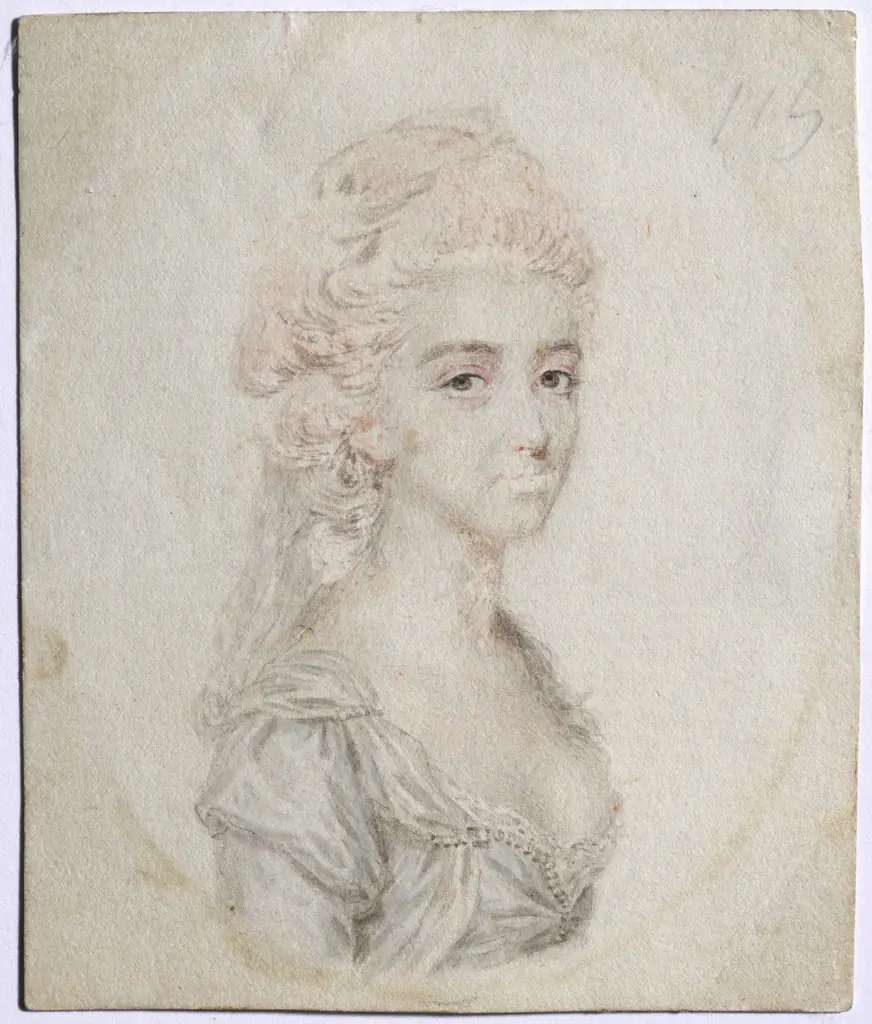
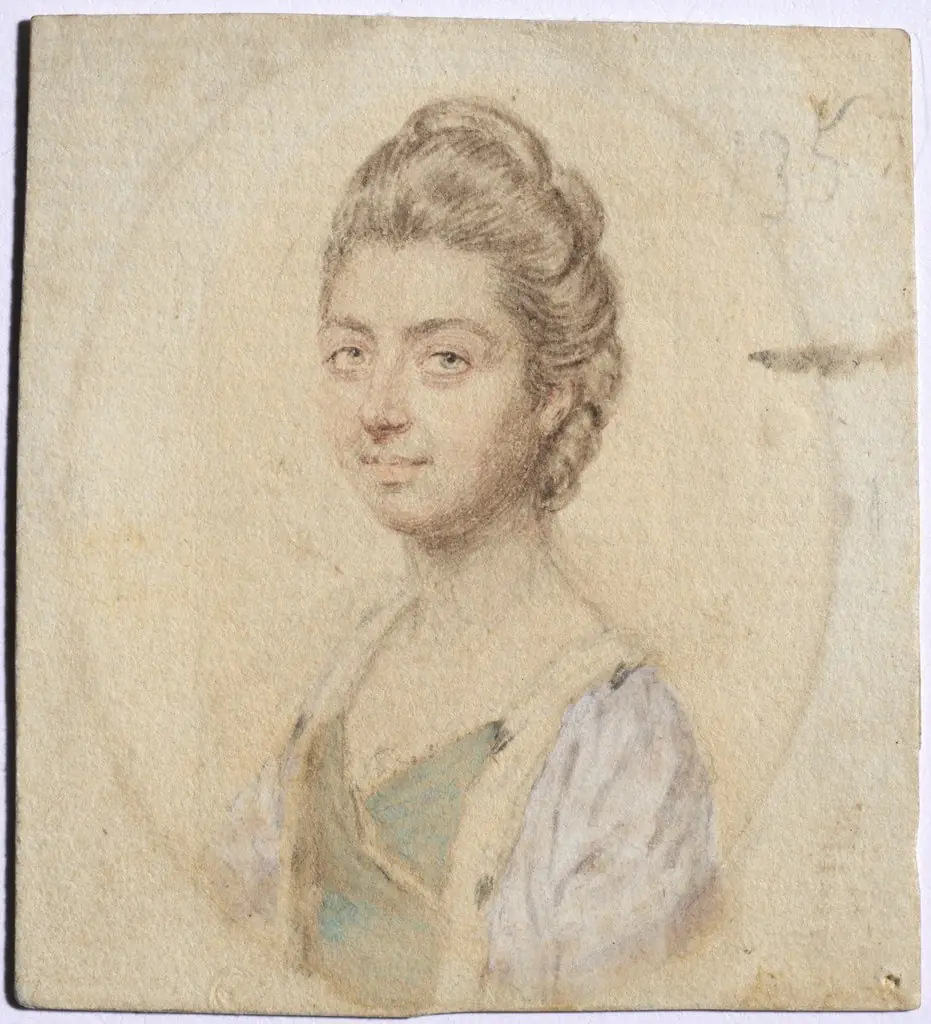
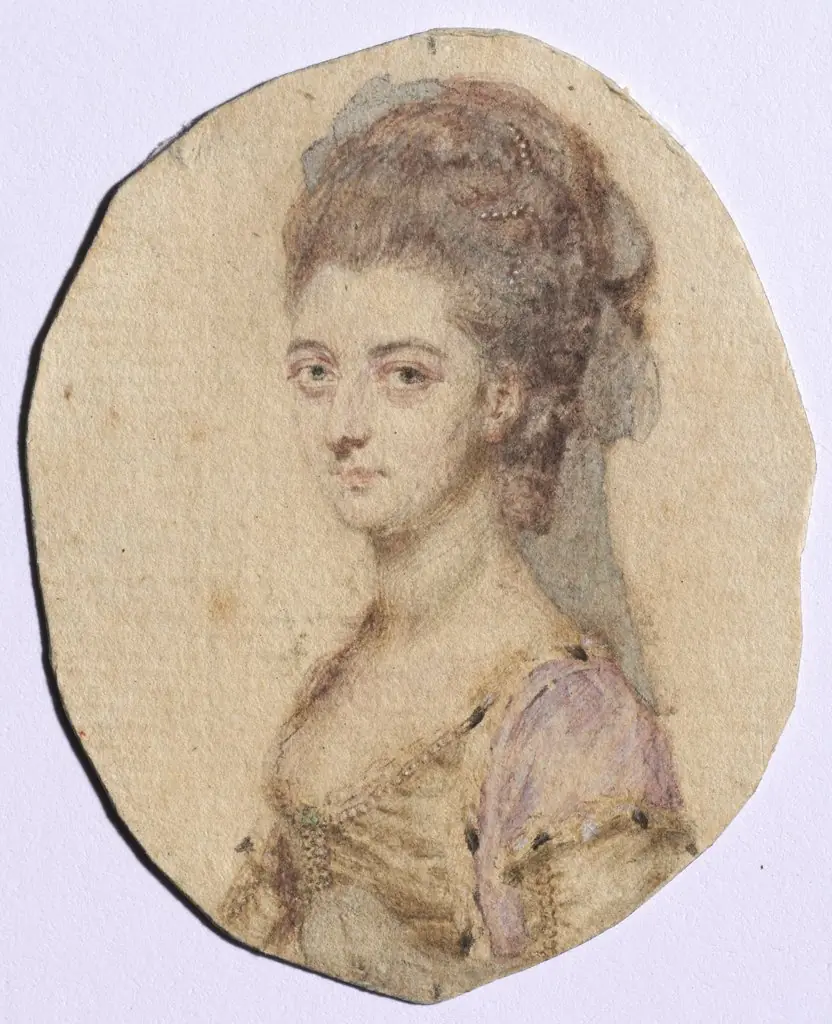
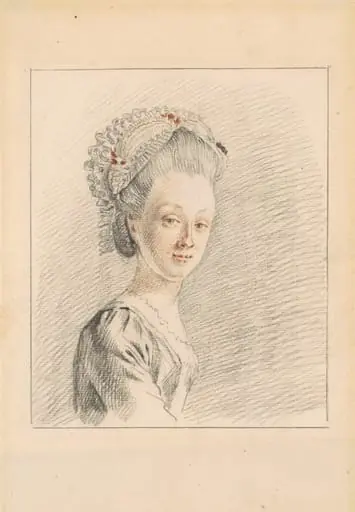
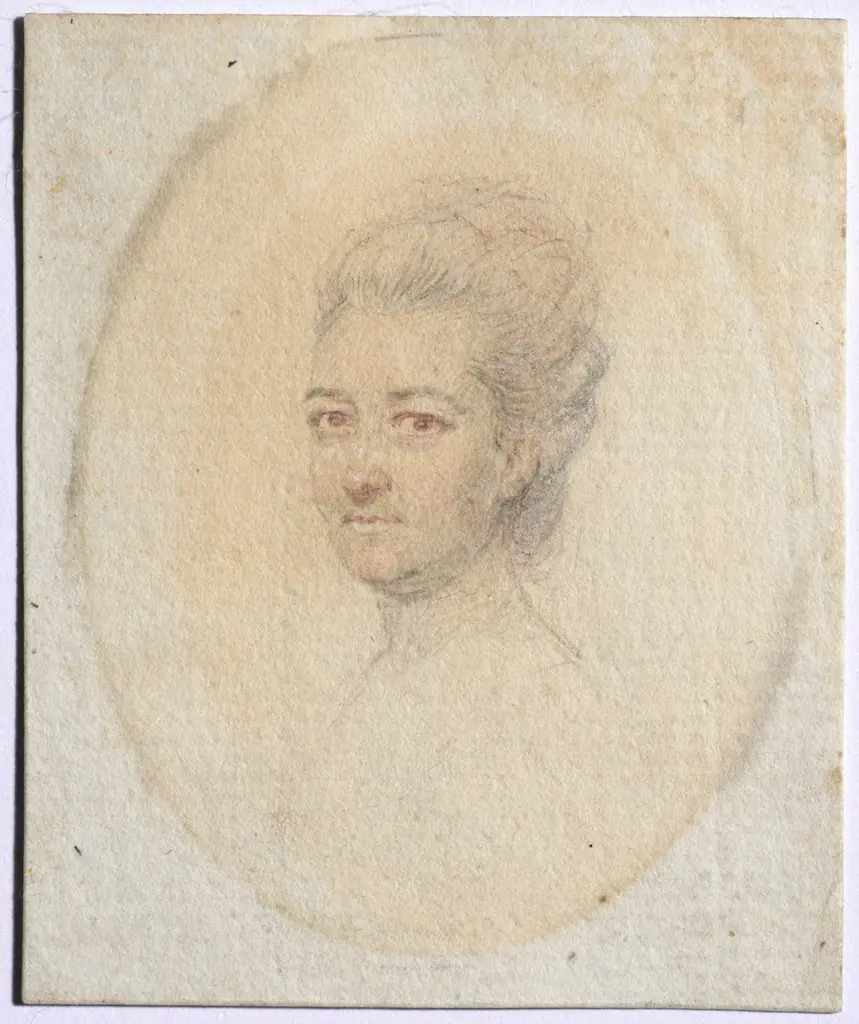
Portrait of a Woman is an unspecified portrait miniature by the Rococo painting artist John Smart. It dates from 1776 and is held in the collection of the Cleveland Museum of Art. This small portrait on ivory depicts a woman in a simple white gown, rendered with delicate precision.
About this work
If you like these small faces, look up John I Smart (British, 1741–1811)—he painted almost nothing else.
A woman in a white dress looks straight at you. Her hair is powdered, her cheeks faintly pink. The background is plain brown.
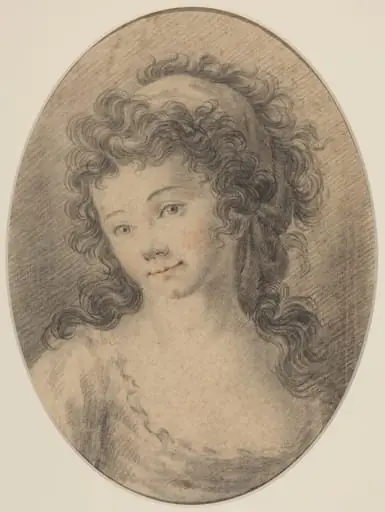
This is a tiny painting—smaller than a playing card. Smart made hundreds like it, often as practice sketches before the final miniature. The Cleveland Museum owns a whole sketchbook of them, passed down through the artist’s family.
If you like these small faces, look up John I Smart (British, 1741–1811)—he painted almost nothing else.
Overview
This small portrait on ivory depicts a woman in a simple white gown, rendered with delicate precision. Measuring smaller than a playing card, it was likely a preparatory study rather than a final commission. John Smart produced hundreds of such sketches, refining his technique through repeated practice. The work survives as part of a larger group once held in a sketchbook passed down through his family and later dispersed in the 19th century.
Subject & Meaning
The sitter faces directly, her gaze steady and unadorned, suggesting an intimate, unidealized presence. Her powdered hair, faintly pinked cheeks, and low neckline reflect contemporary fashion, though the faded pigments—once possibly pink silk or lace—hint at time’s erosion. The plain brown background isolates her form, emphasizing presence over context. No symbolic elements or identifiers remain, leaving her identity unknown but her demeanor quietly assertive.
Technique & Style
Smart employed fine brushwork to model the sitter’s features on a thin ivory panel, using translucent layers to suggest skin tone and texture. The hair, once blond, has oxidized to a pale pink; lip color has vanished entirely. Traces of pearl detailing and faint color in the dress indicate attention to textile detail, even in studies. Unlike contemporaries who favored uniform white gowns, Smart often introduced subtle color and texture, even in preliminary works.
History & Provenance
This portrait belonged to a sketchbook of preparatory studies given by Smart’s daughter Sarah to Mary Smirke, sister of architect Sydney Smirke. The book remained in the Smirke family until around 1877, when it was divided between two daughters. Both portions were sold at auction in 1928, scattering the studies. The Cleveland Museum holds another bound volume of similar sketches, preserved intact through family lines.
Context
In late 18th-century Britain, portrait miniatures served as personal mementos, often exchanged among family or lovers. Smart, among the most prolific practitioners, treated these small works as both commercial products and technical exercises. His focus on costume detail distinguished him from peers like Engleheart and Plimer, who favored uniform simplicity. These sketches reveal a studio practice where refinement occurred through repetition, not just commission.
Legacy
Smart’s preparatory studies offer rare insight into the working methods of a miniaturist whose finished portraits were widely sought. Surviving sketchbooks, like those in Cleveland, document his evolving approach to likeness and texture. Though often overlooked as mere drafts, these works now provide critical evidence of his artistic process, bridging the gap between practice and polished output in Georgian portraiture.
Artist & collection
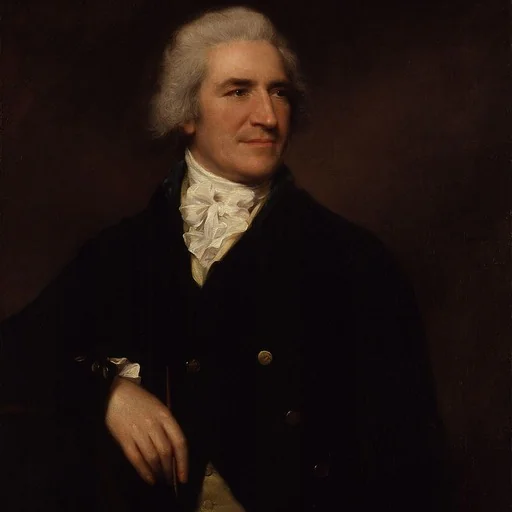
Artist
John Smart (1 May 1741 – 1 May 1811) was an English painter who specialised in portrait miniatures. He was a contemporary of Richard Cosway, George Engleheart, William Wood and Richard Crosse.