Artwork
Portrait of an Officer
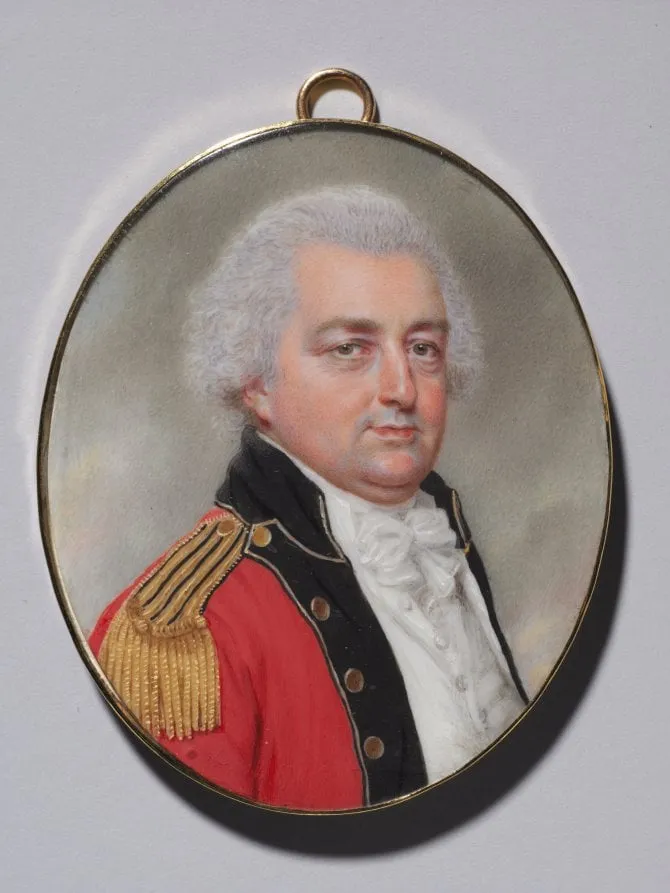
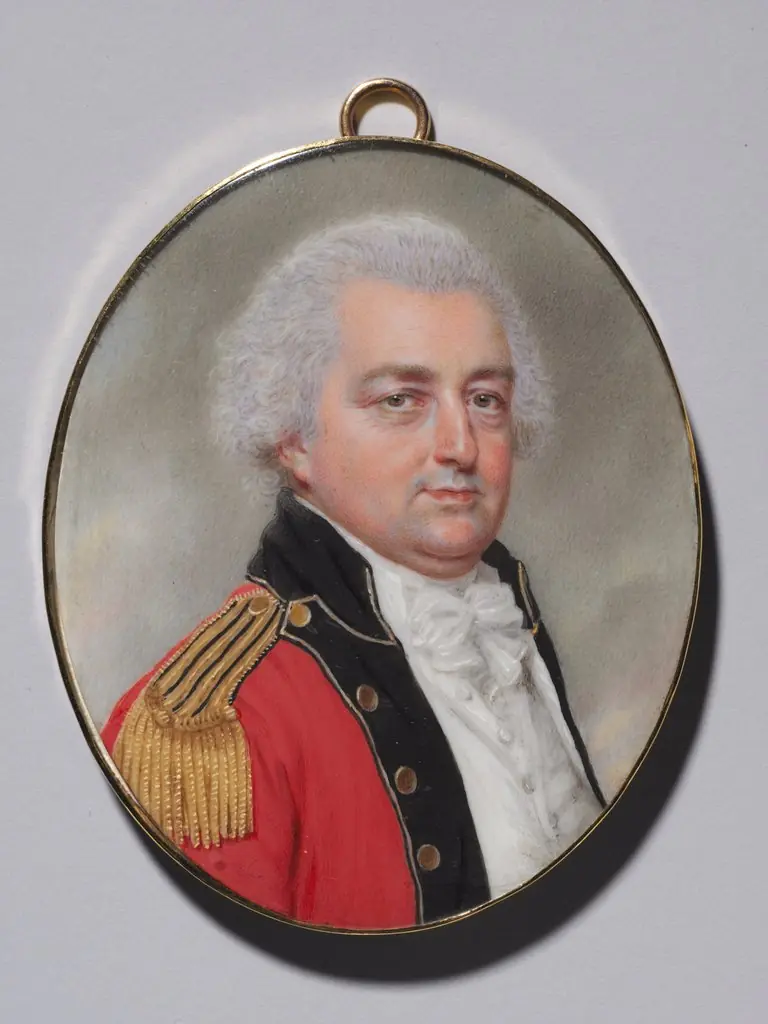
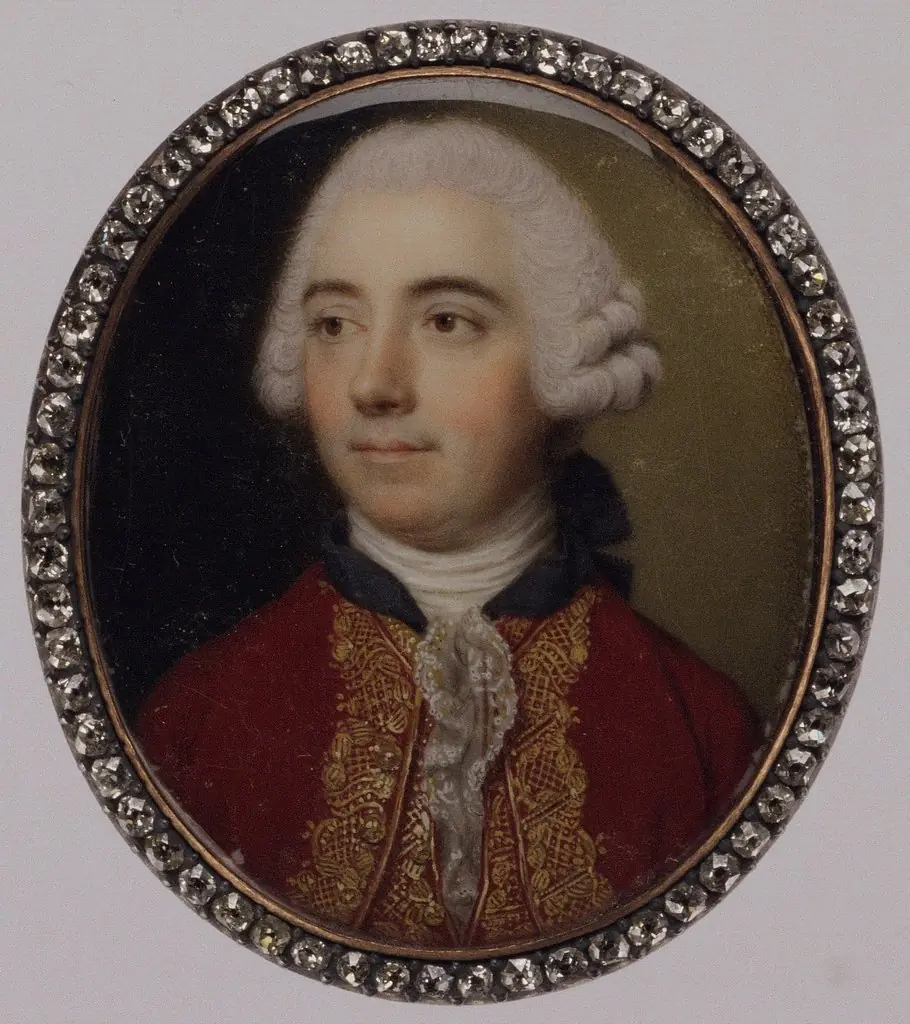
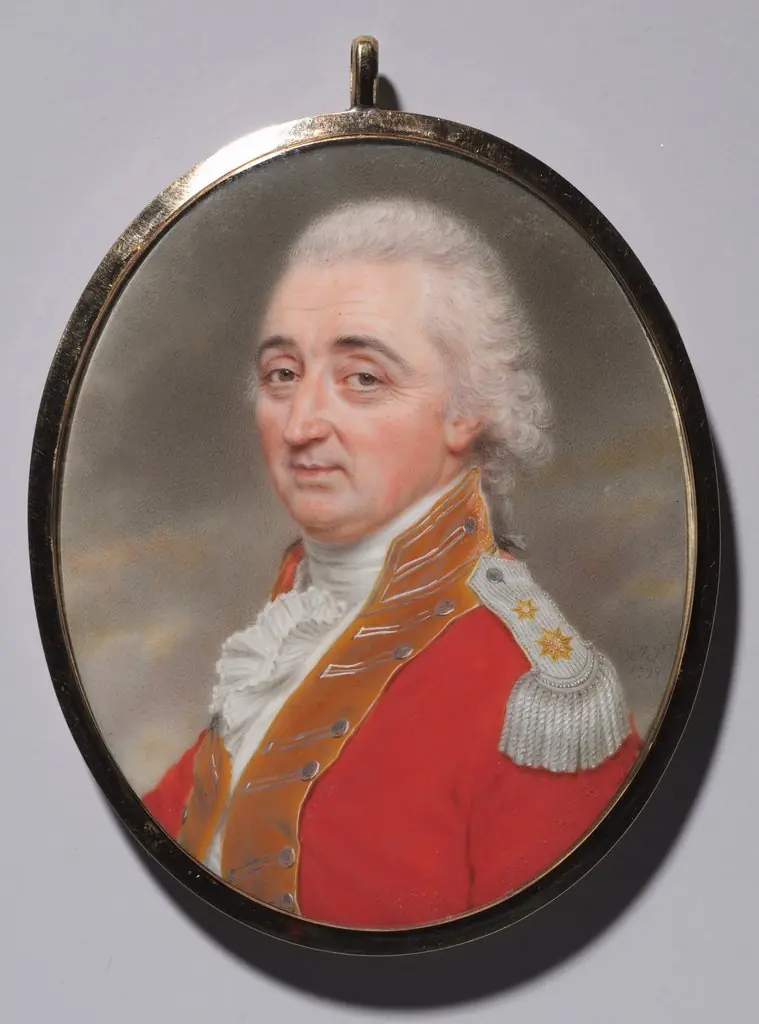
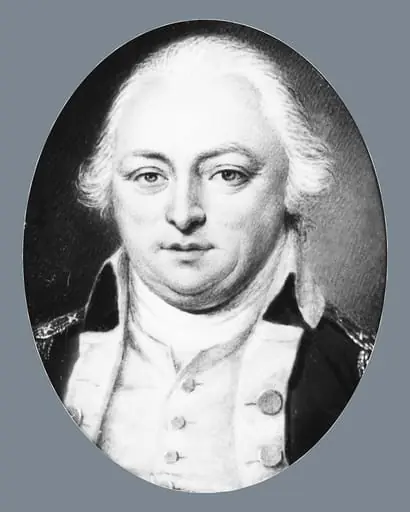
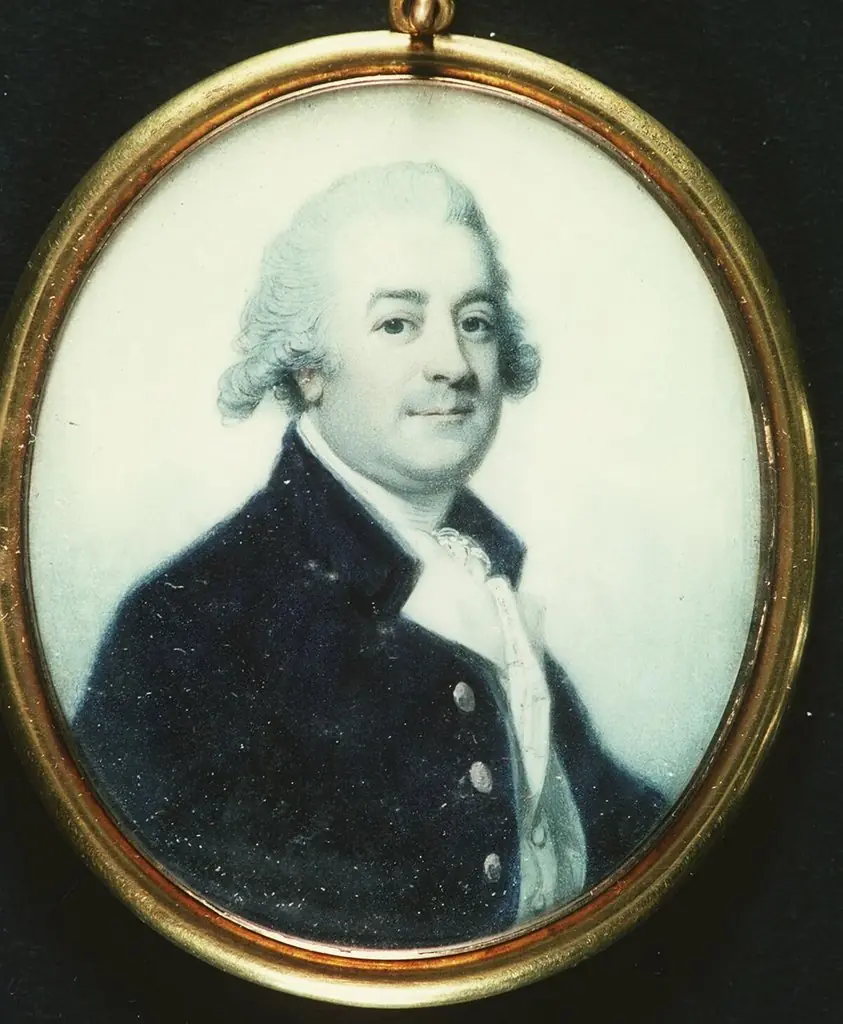
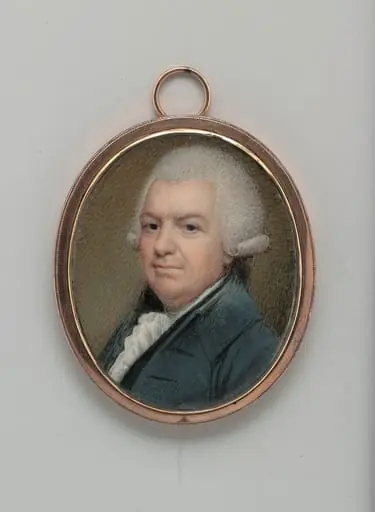
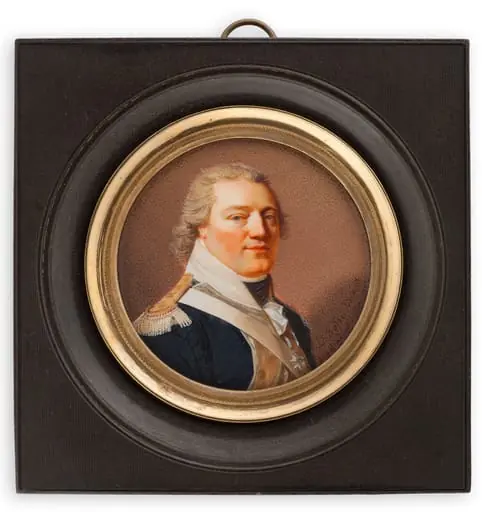
Portrait of an Officer is an unspecified portrait miniature by the British Romanticist artist John Smart. It dates from 1794 and is held in the collection of the Cleveland Museum of Art. This miniature portrait, executed on a thin sheet of ivory, measures less than a playing‑card in size.
About this work
The artist used a trick called back-painting: red paint on the back of the ivory makes the coat glow.
You see a man in a bright red military coat with gold buttons and a white collar. His hair is powdered white, and his face looks freshly shaved.
This tiny portrait—smaller than a playing card—was painted on ivory. The artist used a trick called back-painting: red paint on the back of the ivory makes the coat glow. The man’s rank is hidden because his left shoulder is cut off.
To see more tiny portraits like this, look up John I Smart (British, 1741–1811).
Overview
This miniature portrait, executed on a thin sheet of ivory, measures less than a playing‑card in size. The sitter is a male officer of an Indian militia, depicted in a vivid red coat with gold trim, a white waistcoat and a frilled cravat. His powdered hair, brown eyes, ruddy complexion and light facial stubble are rendered with fine detail, set against a muted gray background.
Subject & Meaning
The figure’s attire identifies him as a militia officer, though the exact rank cannot be confirmed because the left shoulder is omitted from the composition. The choice of bright red and gold elements emphasizes his military status, while the polished appearance of his face suggests a formal, possibly commemorative purpose.
Technique & Style
The artist employed back‑painting, applying red pigment to the reverse side of the ivory to intensify the coat’s hue and to enhance the sitter’s facial tones. This selective use of the method, common among miniaturists for achieving luminous colors, indicates a deliberate effort to make the portrait’s reds and pinks appear especially vivid through the translucent support.
History & Provenance
The work is unsigned and undated, an atypical practice for the artist, which may relate to the existence of a signed variant dated 1794. That version, recorded by Daphne Foskett in 1987, is considered a replica and was once part of the Warneck collection before being sold in Paris. The unsigned piece now resides in a contemporary gold frame within the Cleveland collection.
Context
John I. Smart (1741–1811) was a prominent British miniaturist whose output includes both original portraits and copies made for patrons. He occasionally omitted signatures on replicas, a habit reflected in this piece. The miniature’s subject, an Indian militia officer, reflects the period’s interest in colonial military figures during the late eighteenth century.
Artist & collection
Artist
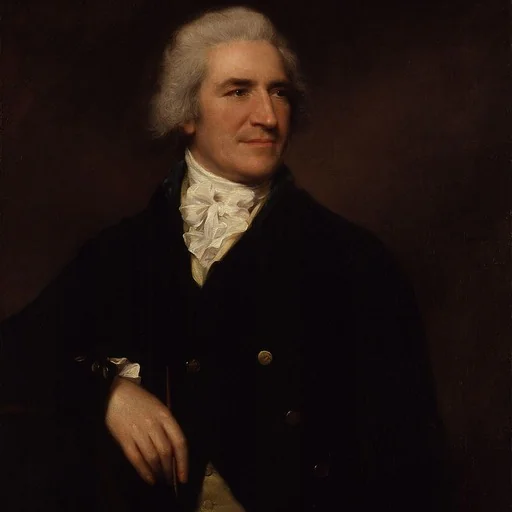
John Smart (1 May 1741 – 1 May 1811) was an English painter who specialised in portrait miniatures. He was a contemporary of Richard Cosway, George Engleheart, William Wood and Richard Crosse.