Artwork
Portrait of a man
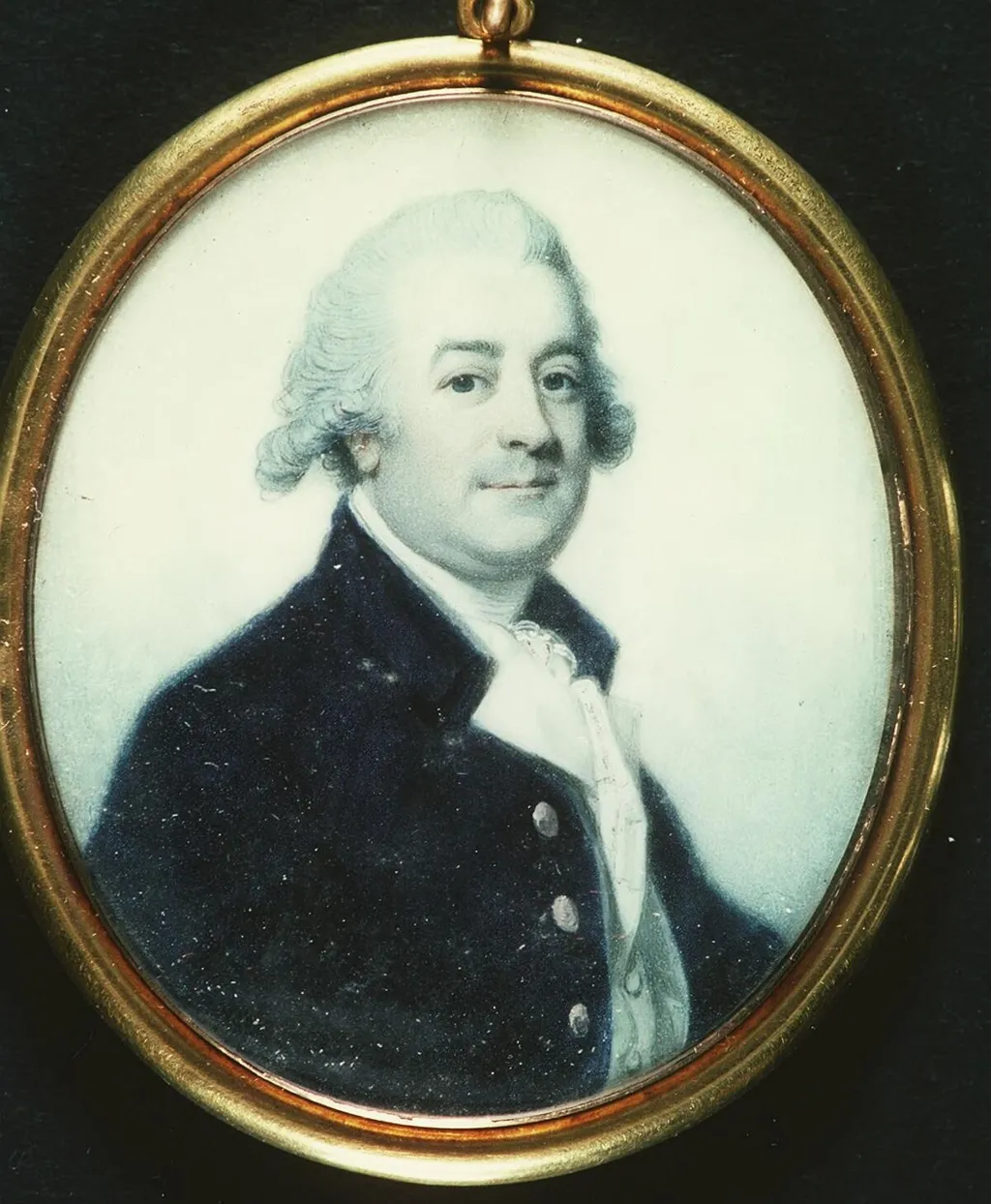
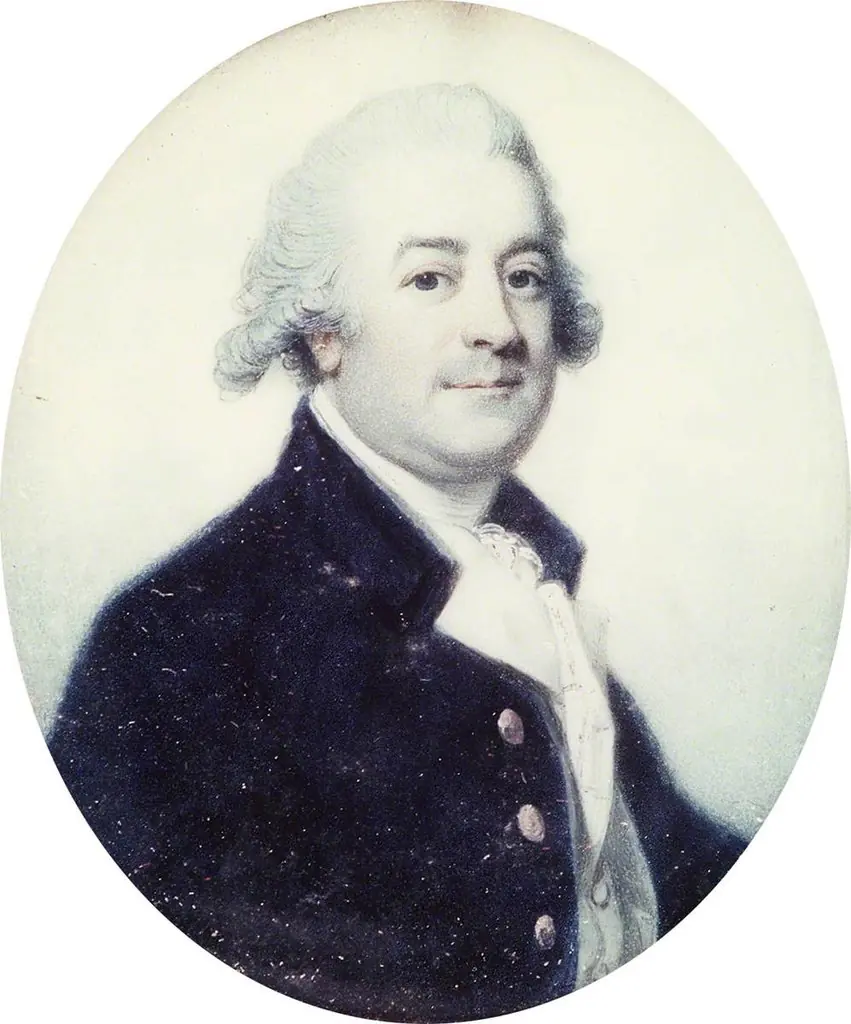
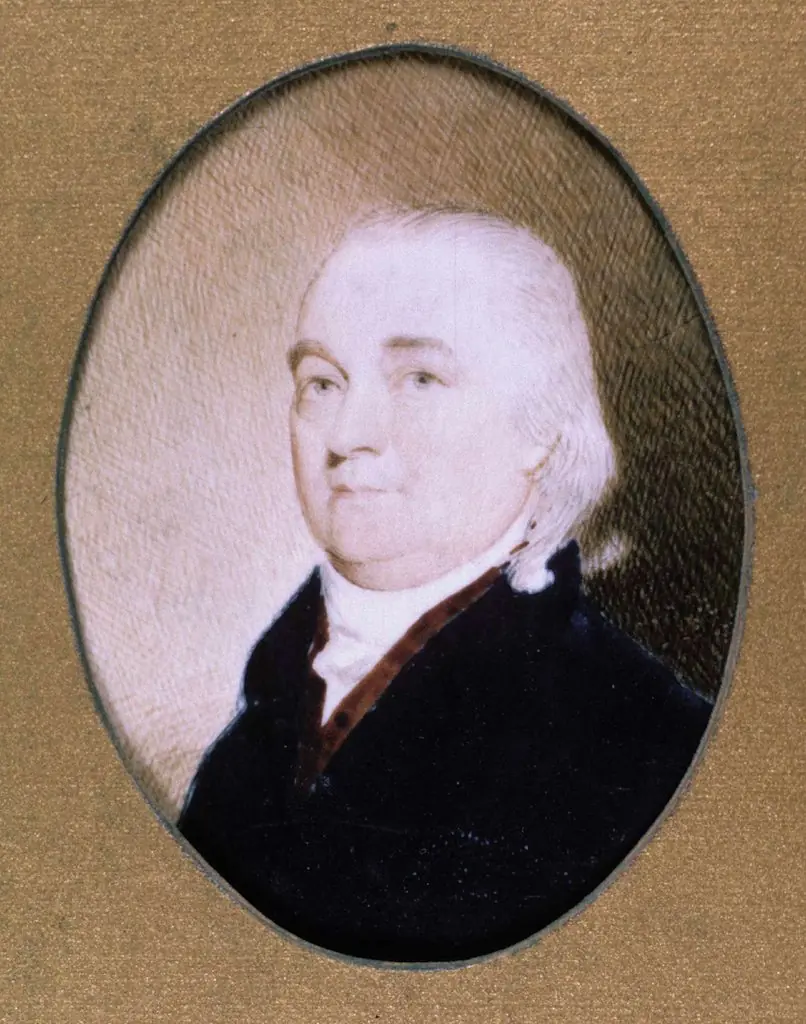
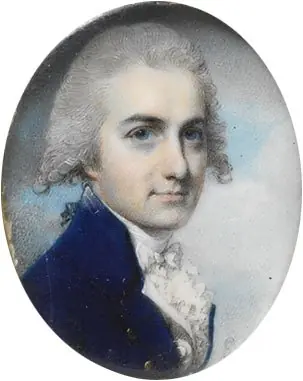
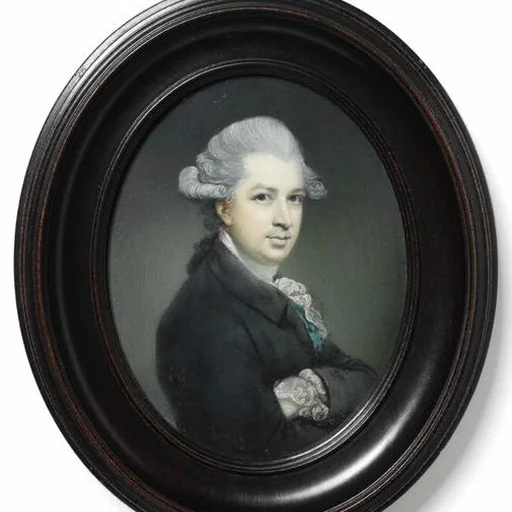
Portrait of a man is an oil painting by the Rococo painting artist Richard Crosse. It dates from 1700 and is held in the collection of the National Library of Wales.
About this work
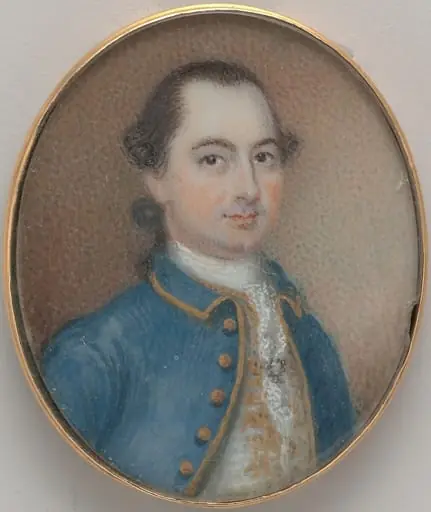
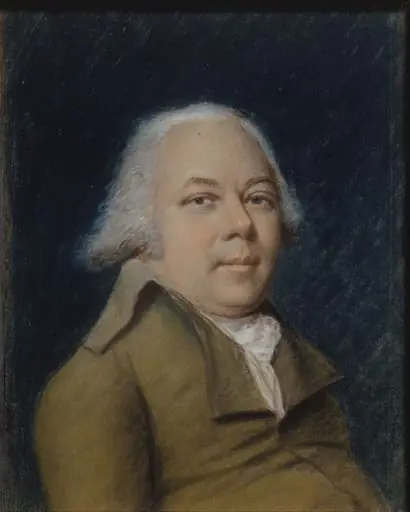
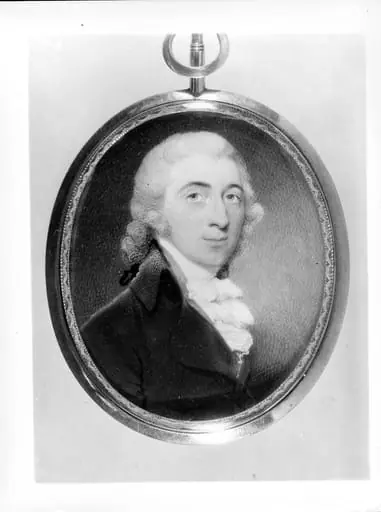
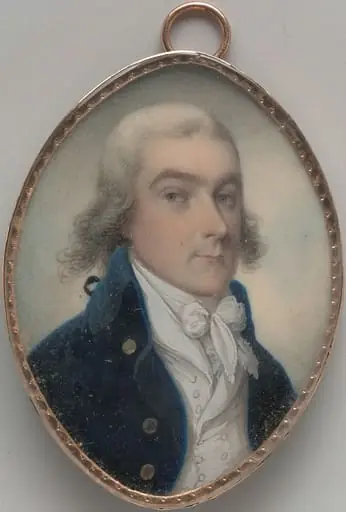
This portrait depicts a man with white hair, dressed in a dark blue coat with silver buttons, over a white shirt. The background is a plain white.
The man's attire and hairstyle suggest he is from the early 18th century. His expression is neutral, with a slight smile.
If you're interested in learning more about the artist behind this piece, you might want to look up Richard Crosse.
Overview
This oil painting, attributed to Richard Crosse, dates to the early 18th century and presents a formal portrait of an unidentified man.
This oil painting, attributed to Richard Crosse, dates to the early 18th century and presents a formal portrait of an unidentified man. Though Crosse is primarily recognized for his miniature portraits, this larger-scale work demonstrates his engagement with mainstream portraiture practices of the period. The composition is restrained, focusing on the sitter’s presence without elaborate setting or symbolism.
Subject & Meaning
The subject is a man of probable means, depicted in a dark blue coat with silver buttons and a white shirt, attire consistent with gentlemanly dress of the early 1700s. His white hair and neutral expression, softened by a faint smile, suggest maturity and composure. The plain white background directs attention to the individual’s demeanor, emphasizing personal identity over status markers or narrative context.
Technique & Style
Executed in oil paint, the work exhibits a smooth, controlled brushwork typical of portraiture from the period. The rendering of fabric and hair shows attention to texture and light, though without the ornamental flourish of Rococo decoration. The palette is muted, dominated by cool tones, reinforcing the portrait’s quiet dignity and aligning with the transitional aesthetic between Baroque formality and emerging Neoclassical restraint.
History & Provenance
The painting is held in the collection of the National Library of Wales. While Crosse is documented as a prolific miniaturist active in the late 18th century, this oil portrait predates his known miniature career, raising questions about its dating or attribution. Its presence in the library’s holdings suggests it was acquired as part of a broader collection of Welsh historical materials.
Context
Crosse worked alongside contemporaries such as John Smart and Richard Cosway, who shaped the British miniature portrait tradition. Yet this oil painting reflects a broader trend among portraitists of the early 1700s to capture individual character with clarity and restraint. The absence of heraldic or allegorical elements indicates a shift toward secular, personal representation in elite portraiture.
Legacy
Though overshadowed by Crosse’s miniature works, this oil portrait offers insight into his early artistic development and the range of media practiced by portraitists of the time. It remains a quiet example of provincial British portraiture, preserving the visual language of gentlemanly identity before the rise of more theatrical or romanticized styles in the later 18th century.
Artist & collection
Artist
Richard Crosse (24 April 1742 – May 1810) was an English painter of portrait miniatures. He was a contemporary of John Smart, George Engleheart, Richard Cosway and William Wood.