Artwork
Portrait of Mrs. Nathaniel Bailey, née Lamack
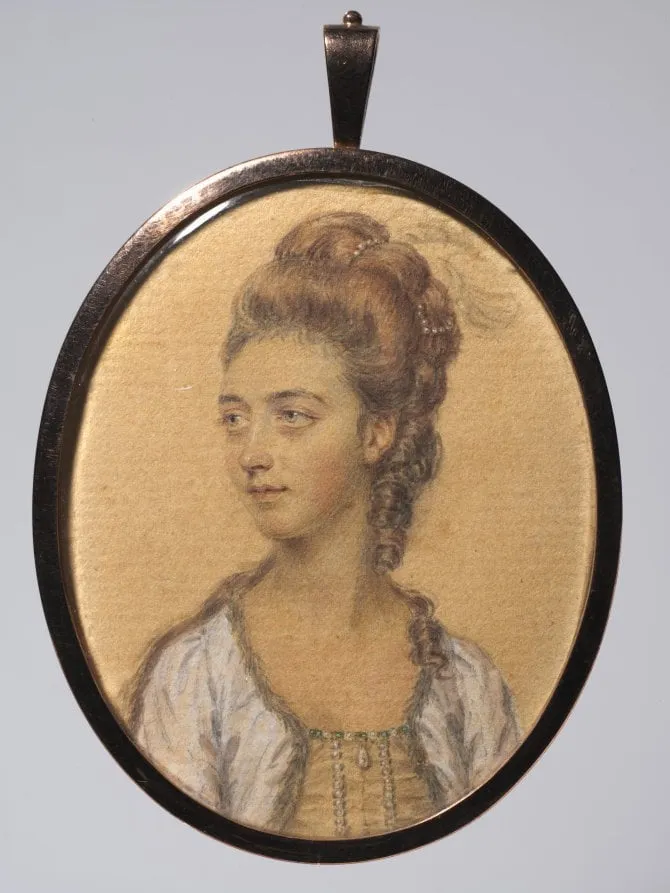
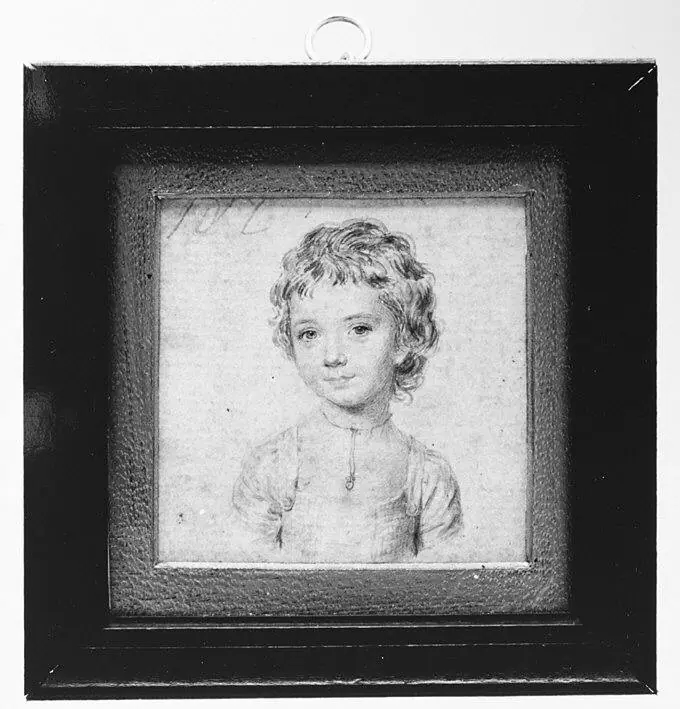
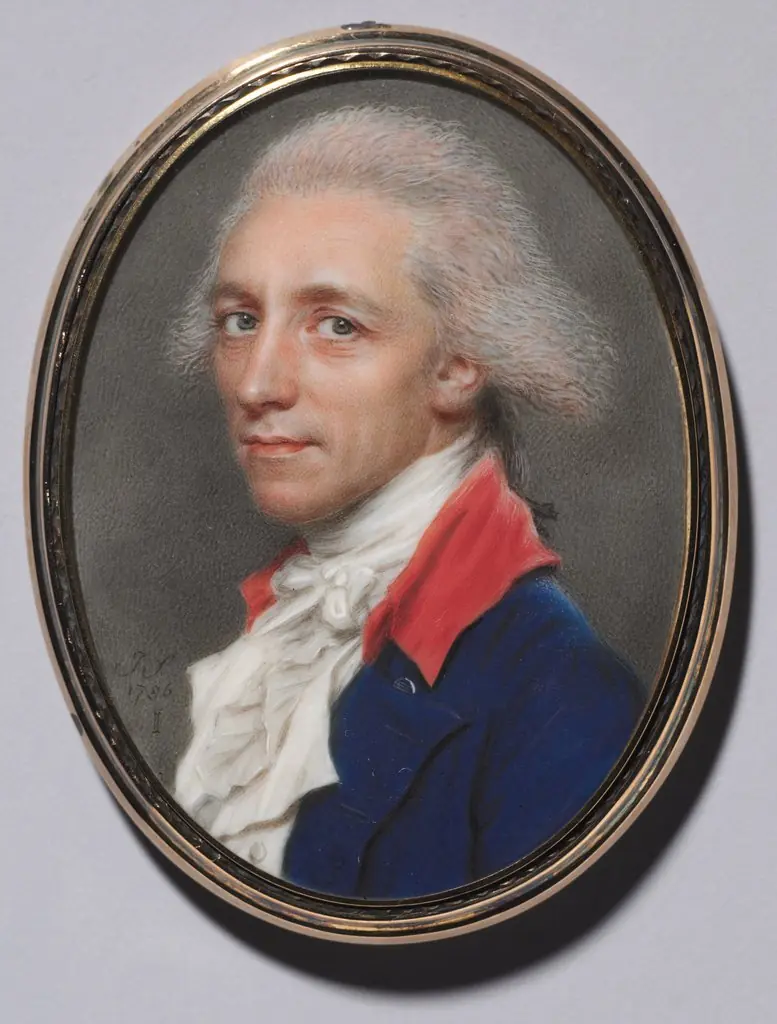
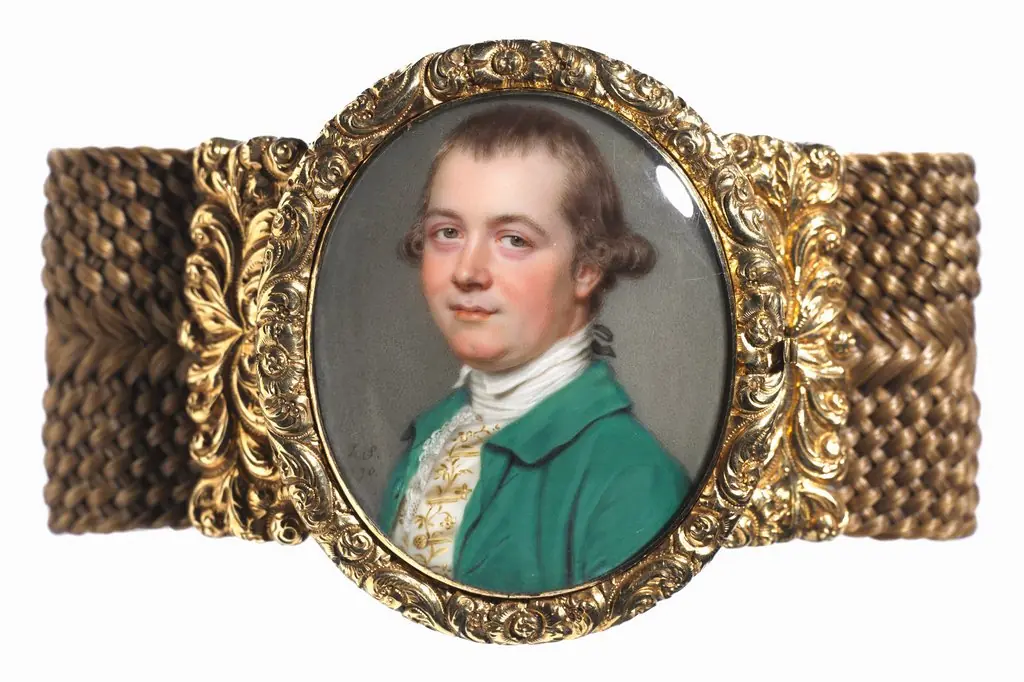
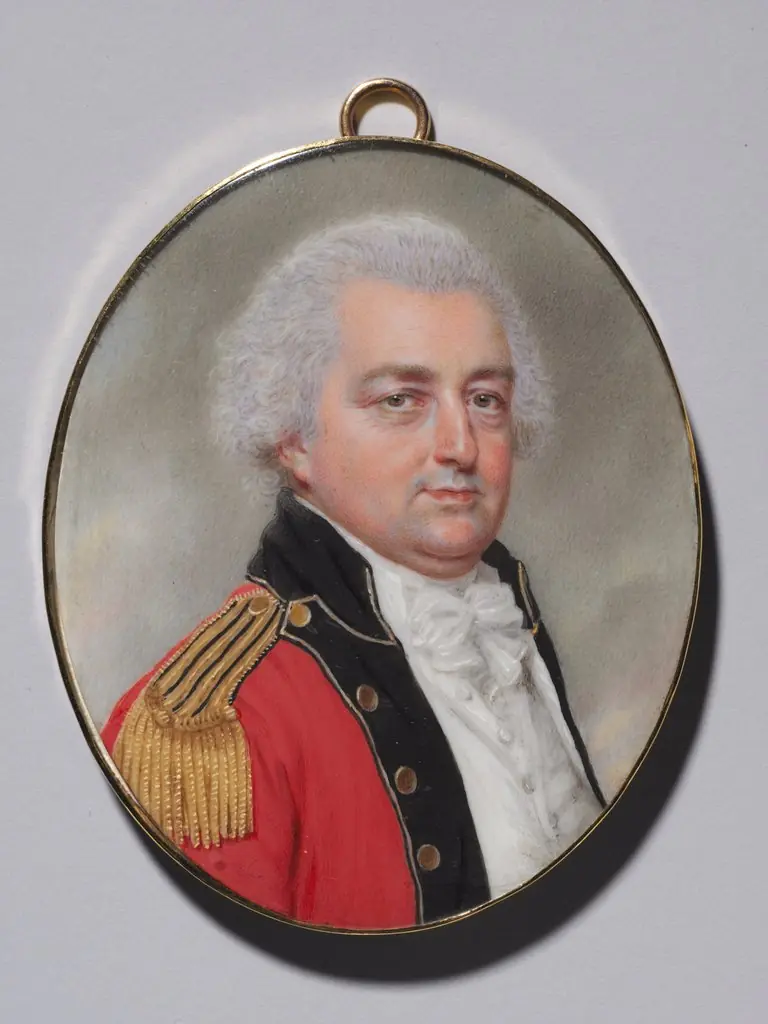
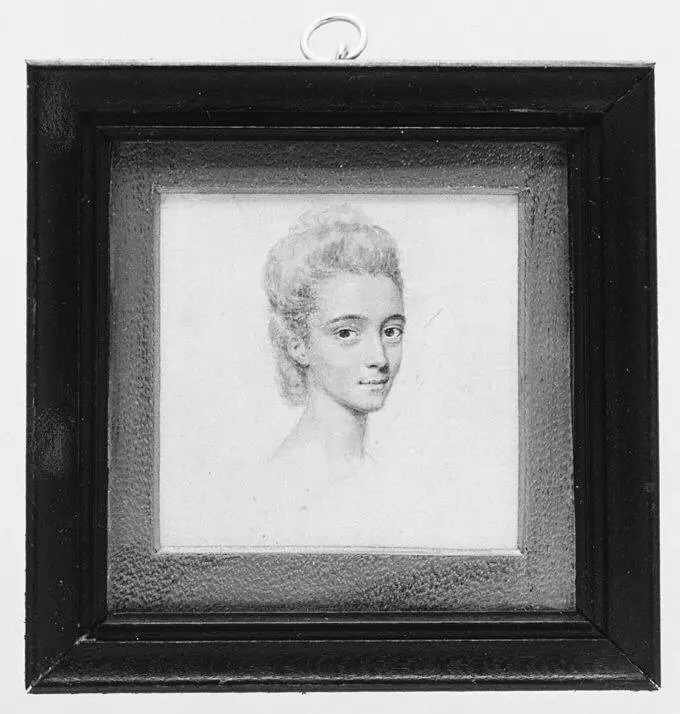
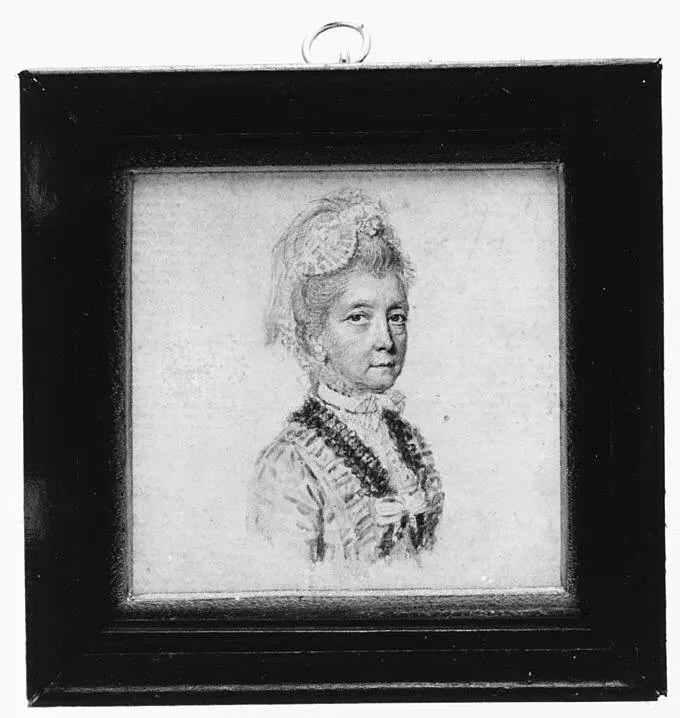
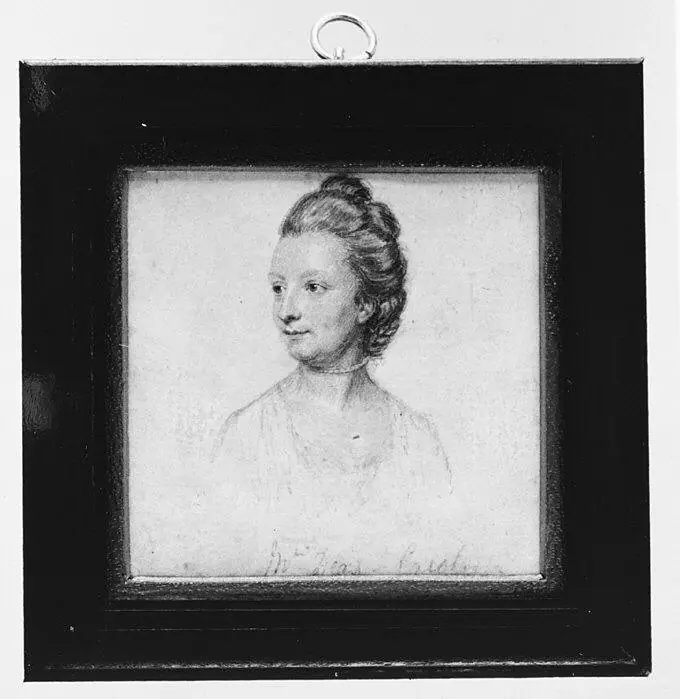
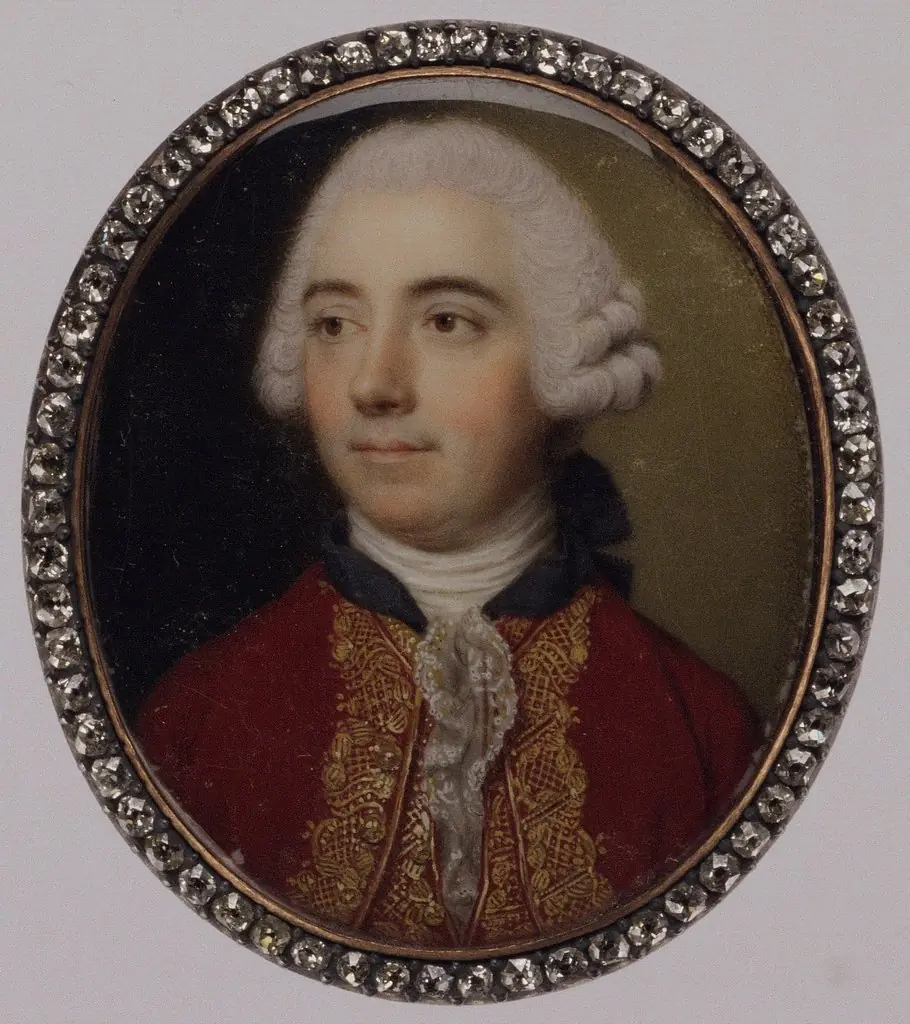
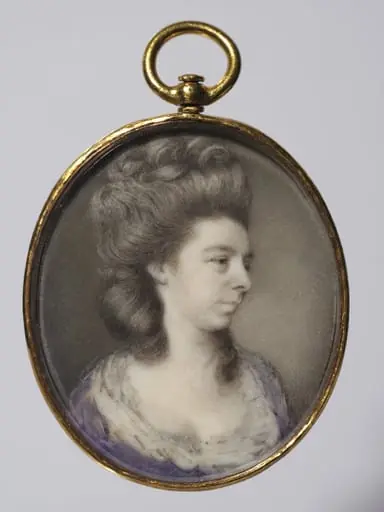
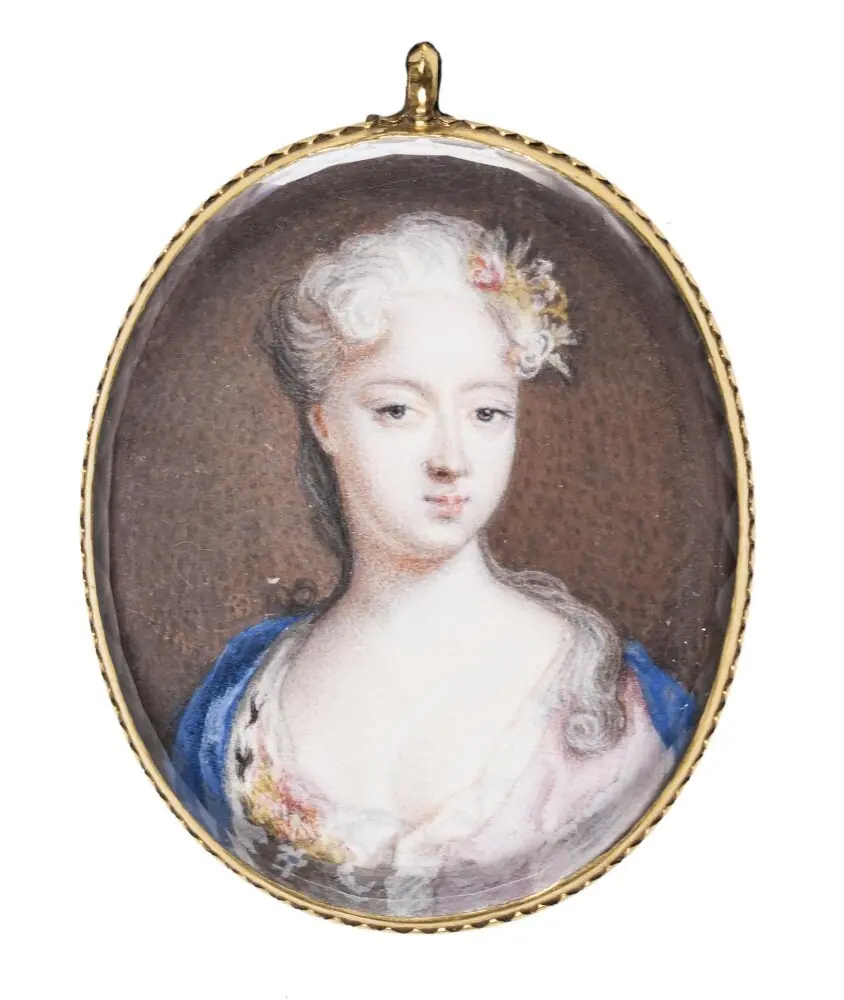
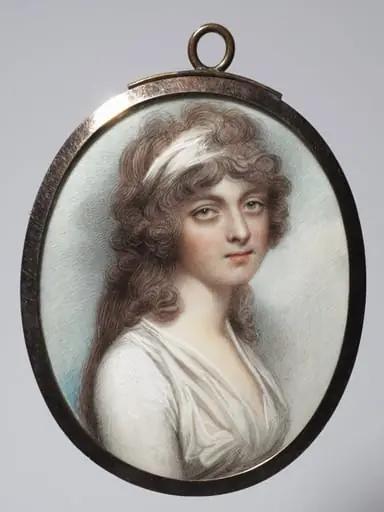
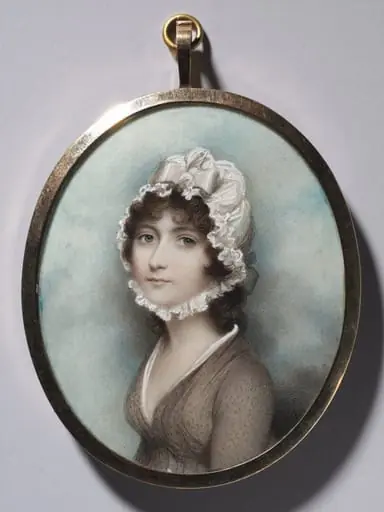
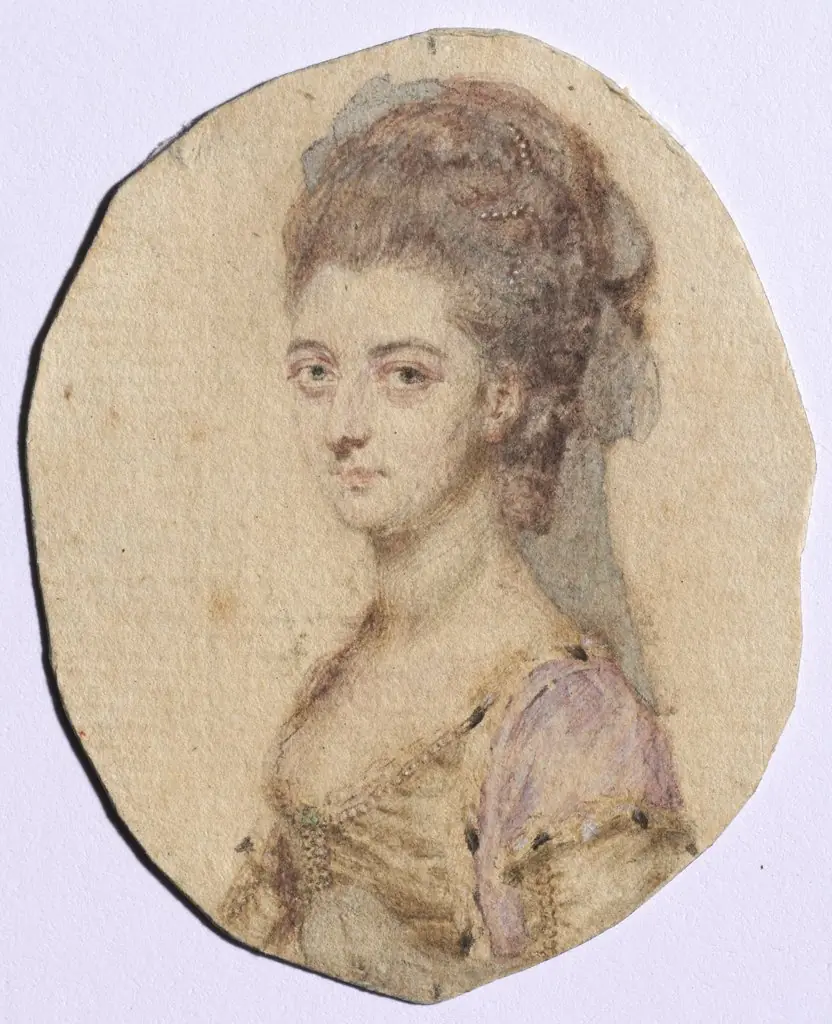
Portrait of Mrs. Nathaniel Bailey, née Lamack is an unspecified portrait miniature by the Rococo painting artist John Smart. It dates from 1776 and is held in the collection of the Cleveland Museum of Art.
About this work
This is a tiny portrait of a woman in a white dress and pink sash, her hair piled high.
This is a tiny portrait of a woman in a white dress and pink sash, her hair piled high. The face is so small you can hold it in your palm.
Smart painted hundreds of these miniatures—many were practice sketches he kept. This one stayed in his family for generations before ending up in a museum. The fine lines show how carefully he worked, even on a test piece.
If you like these small, detailed faces, look up more works from england, 18th century.
Overview
John Smart’s miniature portrait of Mrs. Nathaniel Bailey, née Lamack, presents a finely rendered likeness on a small, cream‑coloured paper support. The work measures only a few centimeters, allowing the sitter’s face and elaborate attire to be examined within the palm of a hand. The composition follows the conventions of late‑18th‑century English portrait miniatures, emphasizing delicate detail over expansive background.
Subject & Meaning
Mrs. Bailey is depicted wearing a violet surcoat edged with fur, layered over a cream dress bordered with alternating pearls and blue stones, and accented by two vertical rows of pearls with a single large pearl at their centre. Her hair is styled high in ringlets that cascade over her shoulders, embellished with a pearl strand and two ostrich plumes, signalling her social standing and fashionable taste.
Technique & Style
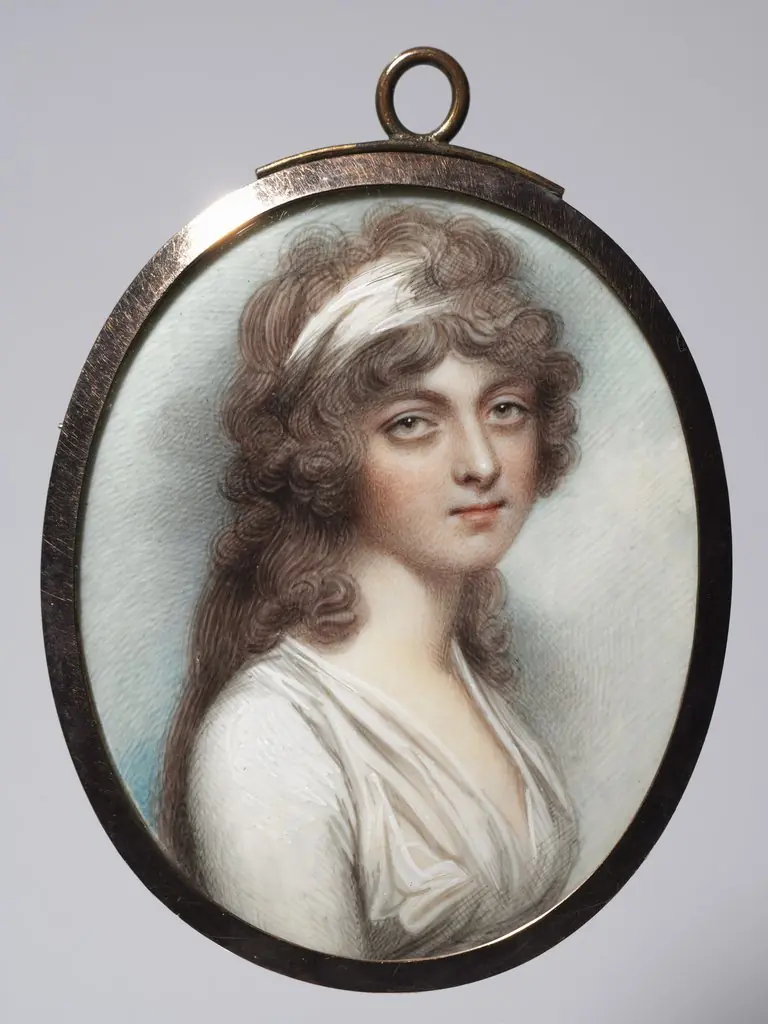
Smart employed fine, precise lines and subtle shading to render texture in silk, fur and jewellery, distinguishing his approach from contemporaries such as George Engleheart and Andrew Plimer, who often limited female sitters to plain white gowns. The miniature’s delicate brushwork captures the sheen of coloured silk and the intricate lace‑like detailing of the fur trim, demonstrating the artist’s meticulous handling of miniature media.
History & Provenance
The portrait originated as a preparatory study among hundreds of sketches retained by Smart. After the artist’s daughter Sarah gave the sketchbook to Mary Smirke, sister of architect Sydney Smirke, the collection passed through the Smirke family. Around 1877 the book was divided between Sydney’s daughters, Mary Jemmett and Mrs. Lange, whose portions were auctioned in 1928, eventually bringing this miniature into a museum collection.
Context
In the late 1700s English portrait miniature market catered to a clientele desiring portable, intimate likenesses. Smart’s emphasis on elaborate costume reflects a broader cultural interest in displaying wealth and refinement through dress, while his use of coloured fabrics and luxurious trimmings set his work apart within the genre.
Artist & collection
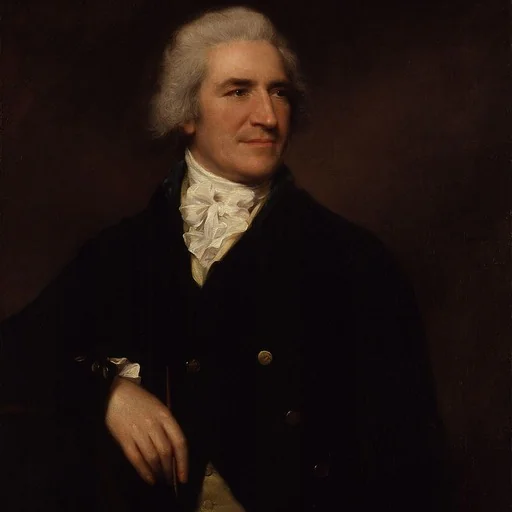
Artist
John Smart (1 May 1741 – 1 May 1811) was an English painter who specialised in portrait miniatures. He was a contemporary of Richard Cosway, George Engleheart, William Wood and Richard Crosse.