Artwork
Portrait of a Woman
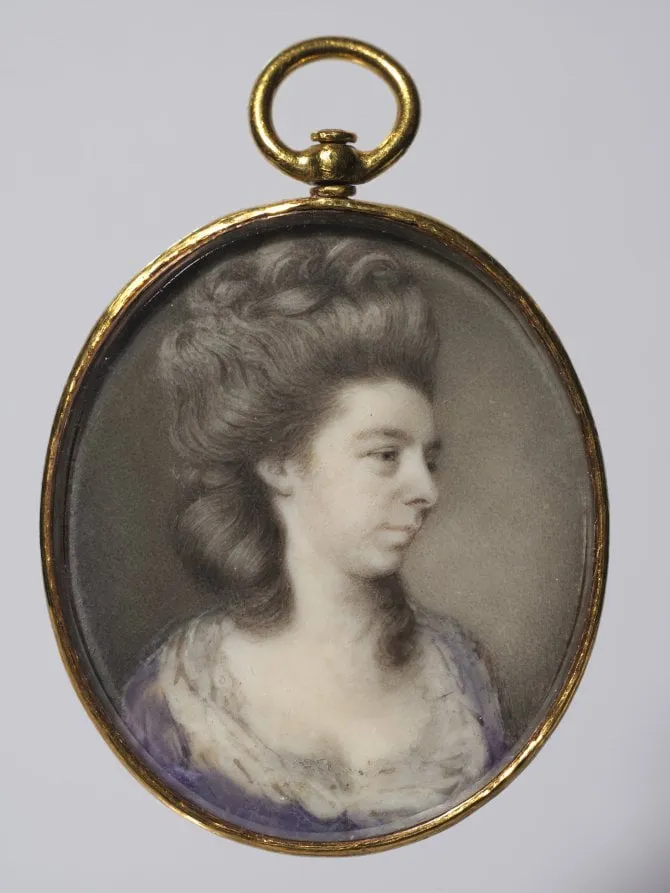
Portrait of a Woman is an unspecified portrait miniature by the Rococo painting artist The Artist "V". It dates from 1775 and is held in the collection of the Cleveland Museum of Art.
About this work
The artist painted miniatures, a popular way to carry a loved one’s face in your pocket before photos.
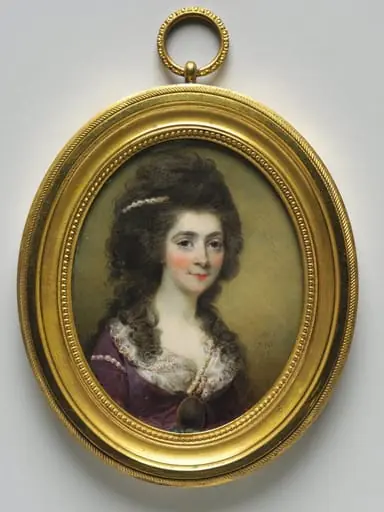
A woman in a pale blue dress looks over her shoulder at you. Her hair is powdered white, piled high, and tied with a black ribbon. A single pearl earring glints in the soft light.
This tiny portrait—smaller than a postcard—is signed only with the letter V. No one knows who V was, and only a few dozen works like this exist. The artist painted miniatures, a popular way to carry a loved one’s face in your pocket before photos.
To see more small faces from the same time, look up england, 18th century.
Overview
This miniature portrait, smaller than a postcard, depicts an unknown woman in three-quarter profile, her gaze turned slightly downward and outward. Painted on ivory and signed only with the letter V, it belongs to a small group of works by an unidentified artist active in late 18th-century England. The medium was commonly used for intimate, portable likenesses, often carried as personal mementos. Only a few dozen miniatures attributed to V are known, scattered across private and public collections.
Subject & Meaning
The sitter wears a pale blue dress, powdered white hair pinned high and secured with a black ribbon, and a single pearl earring catching the light. Her expression is quiet, her posture restrained, suggesting modesty or contemplation. The plain background focuses attention on her features and attire, typical of portrait miniatures designed for private viewing. No symbolic elements or contextual clues reveal her identity, preserving the anonymity common in such works.
Technique & Style
V’s technique diverges from the era’s norm by avoiding the warm, translucent flesh tones favored by most miniaturists. Instead, the face is rendered in cool, muted tones with a semi-grisaille effect, emphasizing form over chromatic richness. The brushwork is precise, with strong linear contours and minimal blending, suggesting a background in drawing or printmaking rather than traditional miniature painting.
History & Provenance
The artist V first came to scholarly attention in 1929, following the auction of two signed miniatures dated around 1778. Since then, a handful of works bearing the signature have surfaced at auction and in museum exhibitions, including the Holburne Museum. No documentary records link V to a known artist or school, and no biographical details survive. The consistent style across these works, however, allows for tentative attribution.
Context
Miniature portraiture flourished in 18th-century England as a personal, portable alternative to larger oil paintings. Artists often trained in other disciplines—engraving, drawing, or watercolor—and turned to miniatures for commissions. V’s stylistic choices, particularly the cool palette and sculptural modeling, align more closely with draftsmanship than with the luminous traditions of ivory miniatures, hinting at an unconventional artistic path.
Legacy
V remains an enigmatic figure, known only through a limited corpus of works that challenge the aesthetic norms of their time. The distinctive handling of form and tone has led scholars to speculate about the artist’s origins, possibly as a draftsman working occasionally in miniature. Though never widely recognized in their lifetime, V’s works now contribute to broader discussions about the diversity of practice within 18th-century British portraiture.
Artist & collection

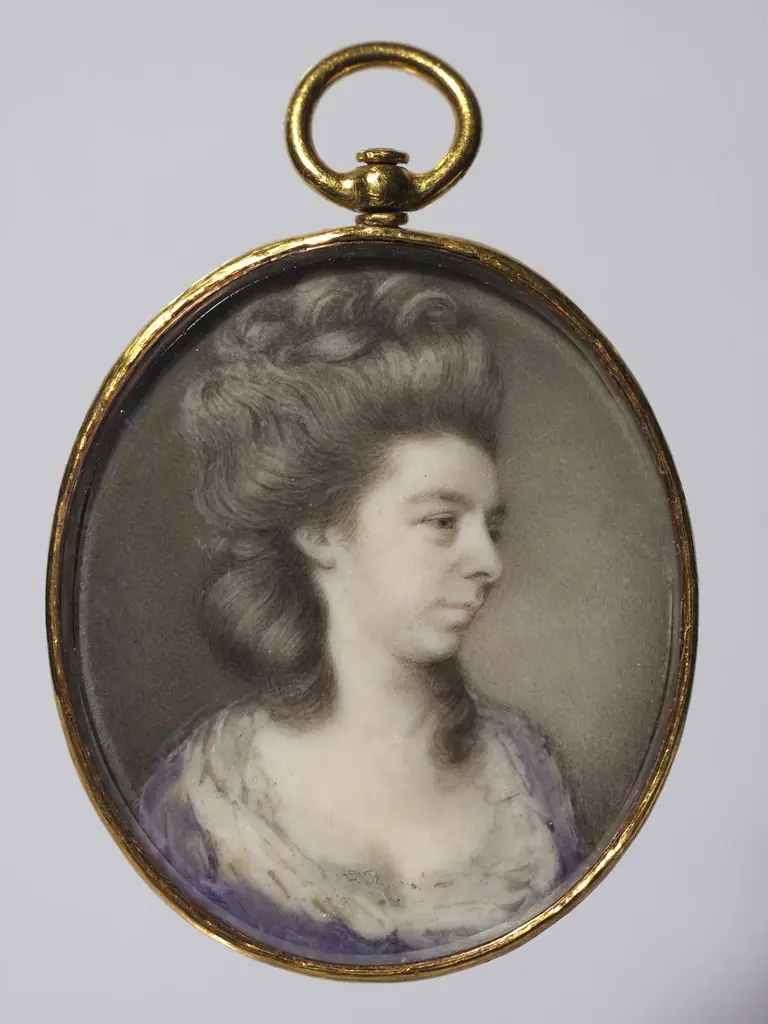 Portrait of a Woman
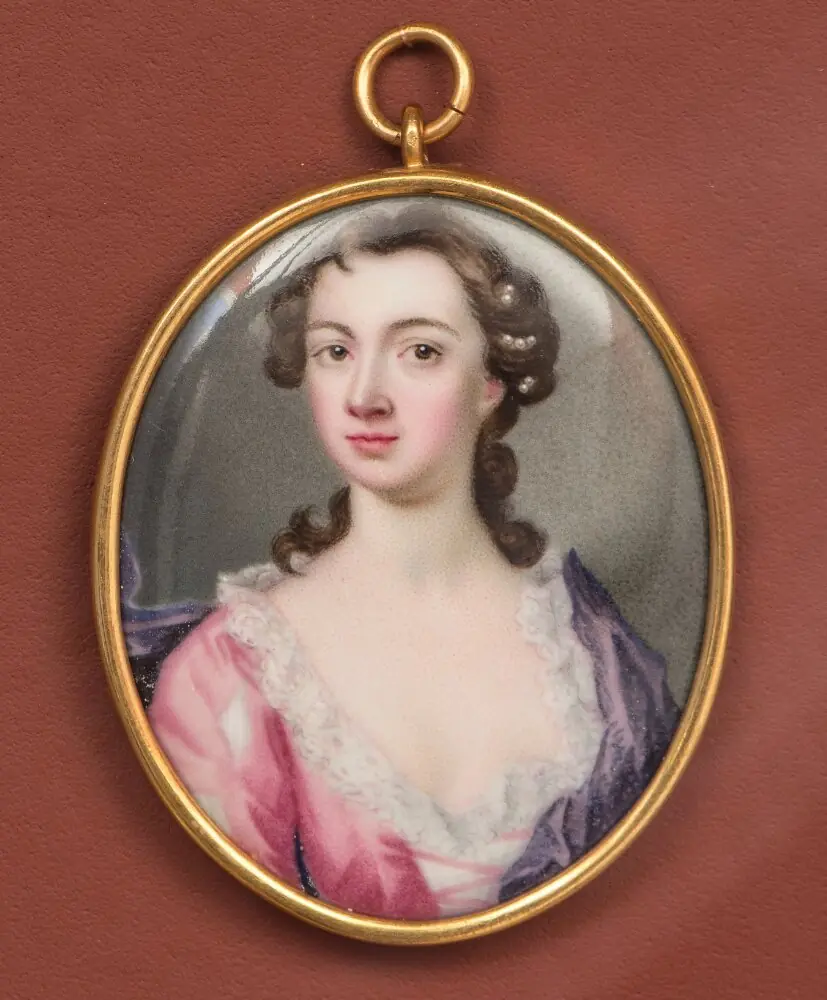 Unknown woman
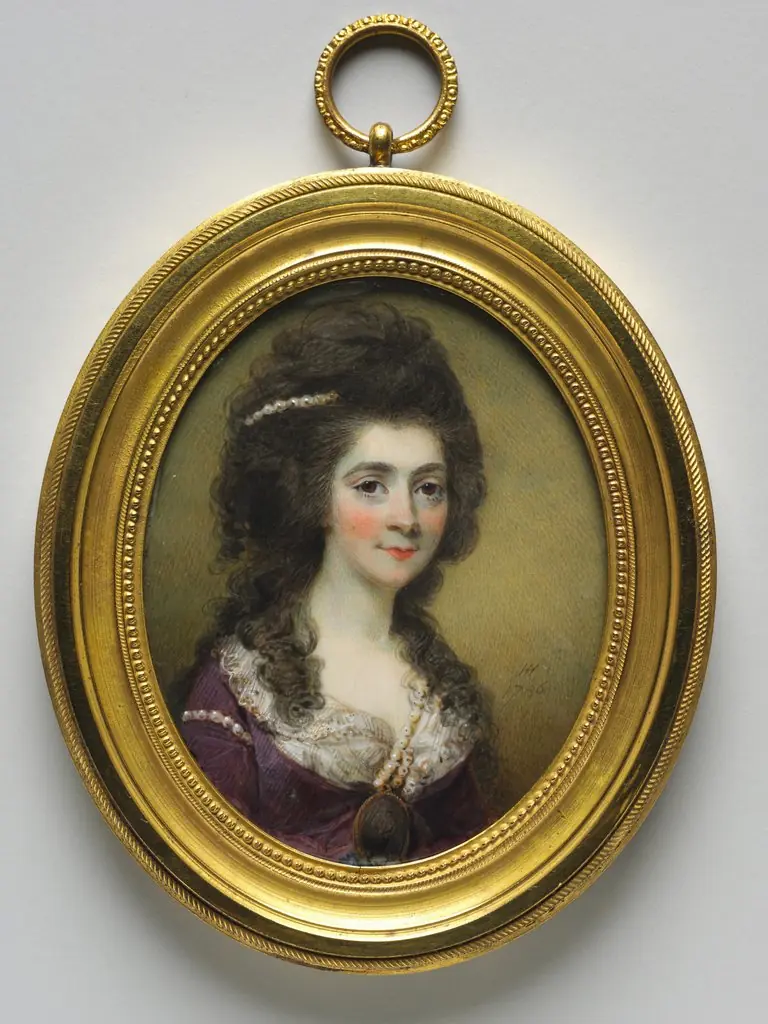 Portrait of a Woman, called Mrs. Close
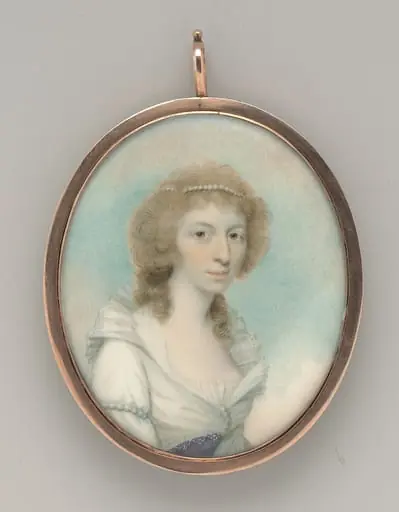 Mrs. Gabriel Manigault (Margaret Izard)
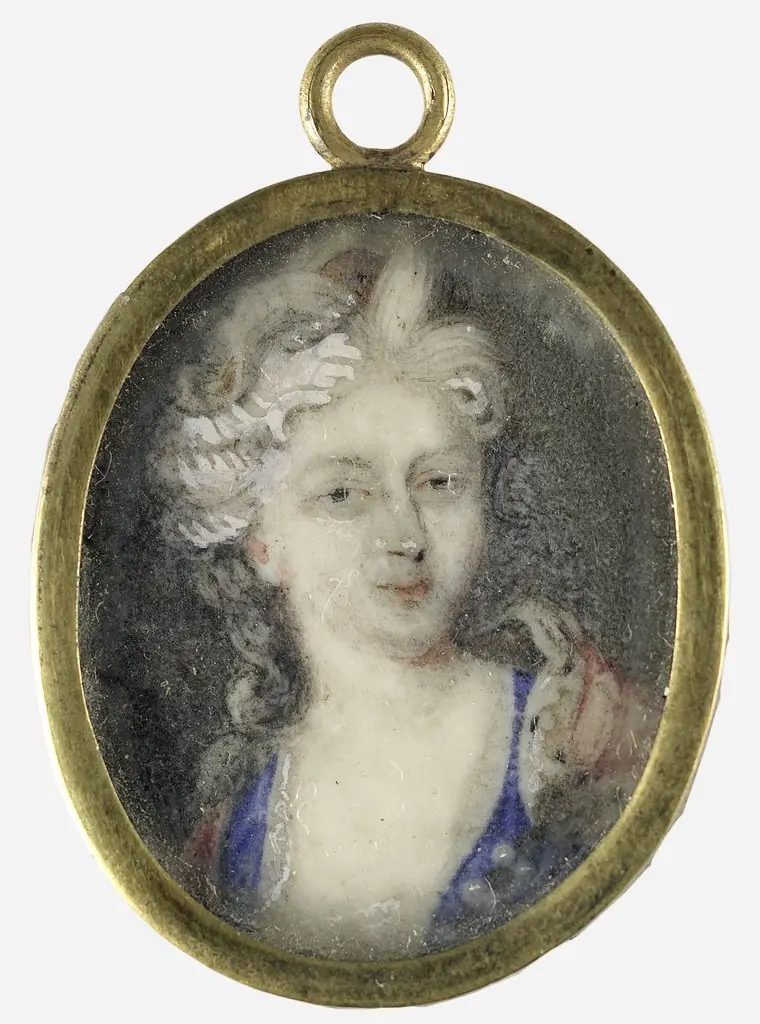 Portret van een vrouw, vermoedelijk Christiane Charlotte van Württemberg (1694-1729)
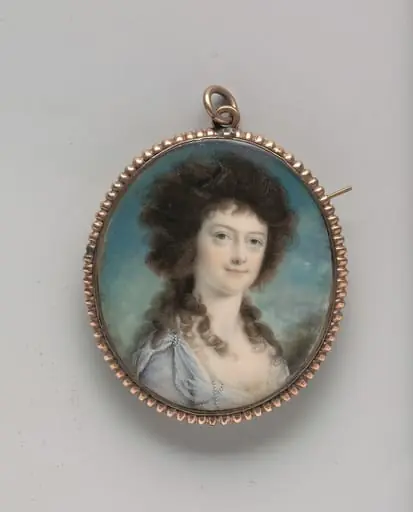 Mrs. James Bleecker (Elizabeth Garland Bache)
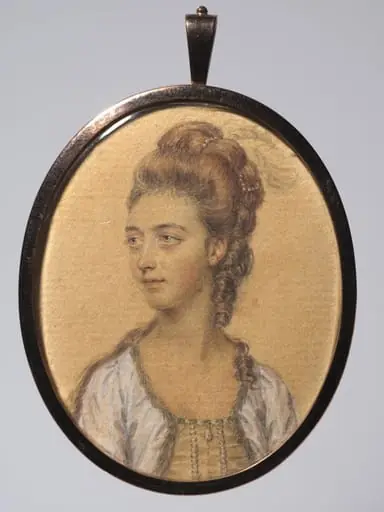 Portrait of Mrs. Nathaniel Bailey, née Lamack
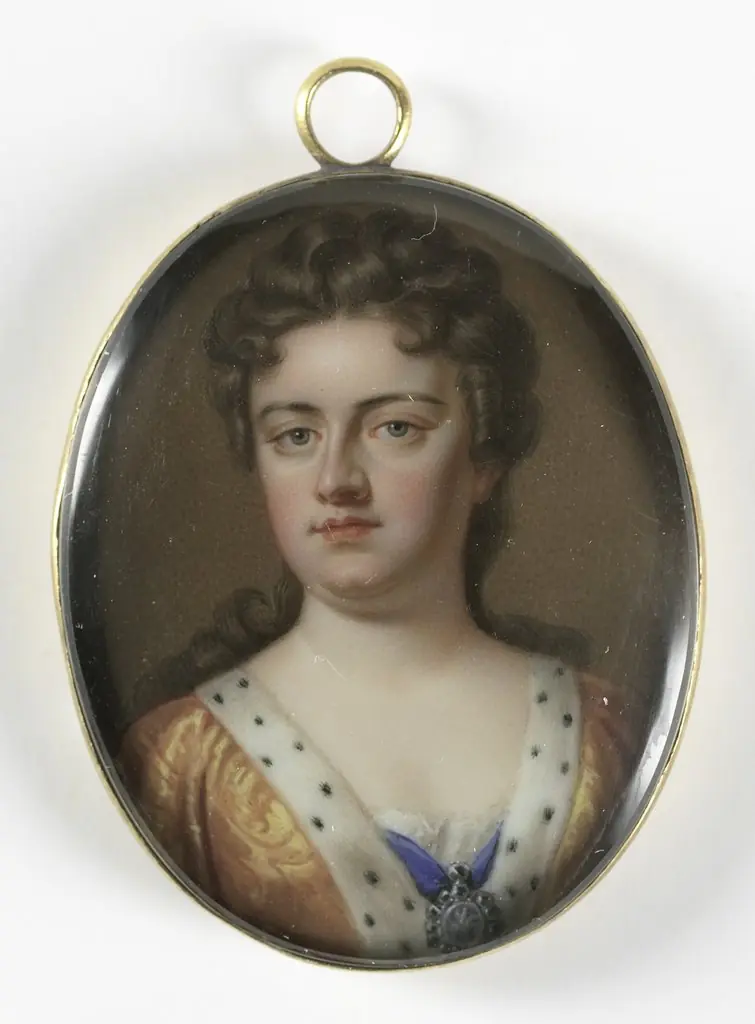 Anne Stuart (1665-1714), koningin van Engeland. Echtgenote van George van Denemarken