Artwork
A Bacchante
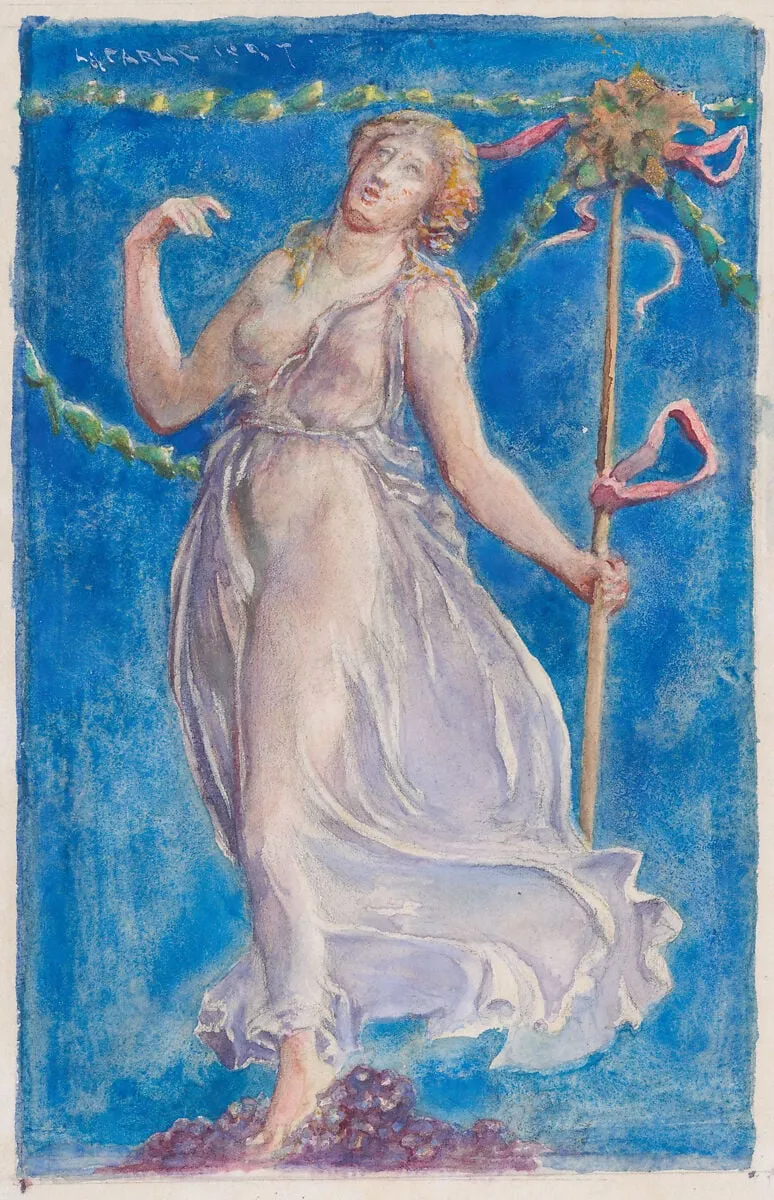
A Bacchante is a watercolor work on paper by the American Impressionist artist John La Farge. It dates from 1897 and is held in the collection of the Metropolitan Museum of Art.
About this work
Overview
A Bacchante, created by John La Farge in 1897, is a mixed-media artwork on off-white wove paper, combining gouache, watercolor, and graphite. It portrays a dynamic female figure, a bacchante, adorned with leaves in her hair, capturing the energy of her movement.
Subject & Meaning
The subject, a Maenad (bacchante), is rooted in classical mythology, specifically the followers of Dionysus (Bacchus), the god of wine and ecstasy. The artwork reflects La Farge's interpretation of mythological themes through an American Impressionist lens.
Technique & Style
La Farge employed bold lines and vibrant colors to convey the bacchante's energetic dance. The piece exemplifies a blend of traditional representational techniques with the expressive, modern qualities of American Impressionism.
History & Provenance
Created in 1897, A Bacchante is part of La Farge's body of work that also includes notable stained glass designs, such as those for Trinity Church in Boston. La Farge was a multifaceted artist, also contributing to art theory and travel literature.
Context
Within the broader context of late 19th-century American art, A Bacchante situates La Farge among artists exploring Impressionist techniques while drawing inspiration from classical mythology and themes.
Legacy
A Bacchante contributes to the legacy of John La Farge as a versatile artist, highlighting his ability to merge traditional subjects with modern artistic movements, influencing subsequent generations in various mediums, including stained glass and illustration.
Artist & collection

Artist
John La Farge (March 31, 1835 – November 14, 1910) was an American artist whose career spanned illustration, murals, interior design, painting, and popular books on his Asian travels and other art-related topics.

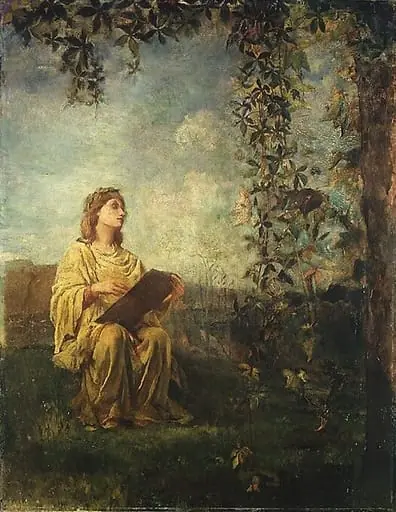 The Muse of Painting
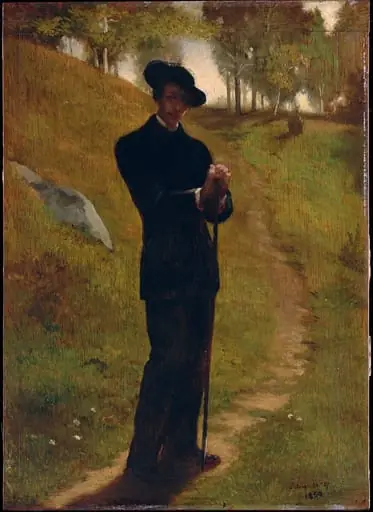 Portrait of the Painter
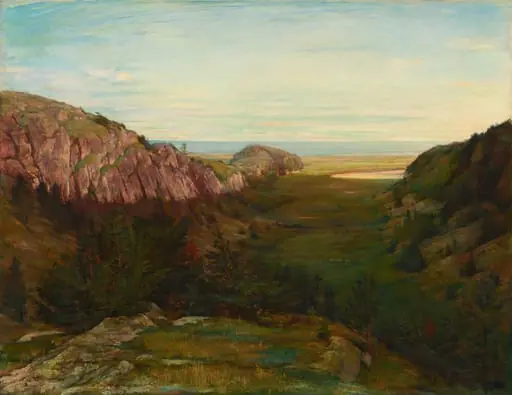 The Last Valley - Paradise Rocks
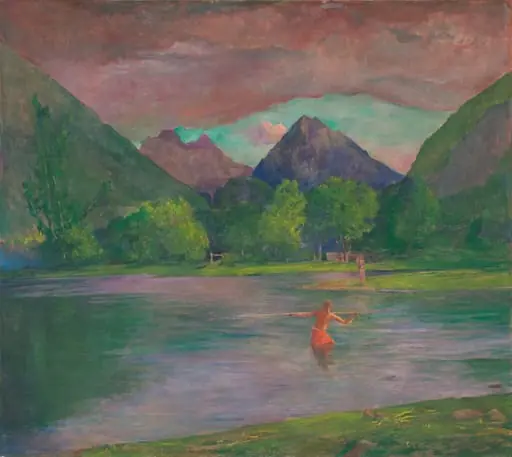 The Entrance to the Tautira River, Tahiti. Fisherman Spearing a Fish
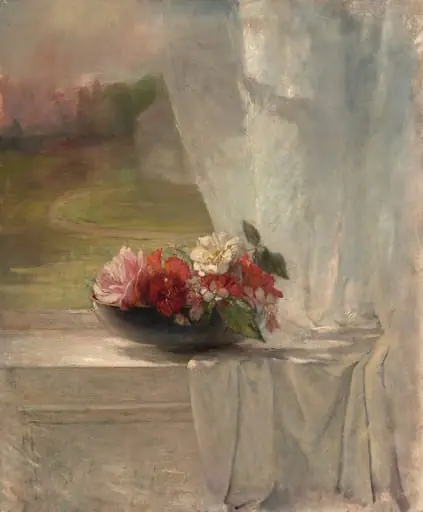 Flowers on a Window Ledge
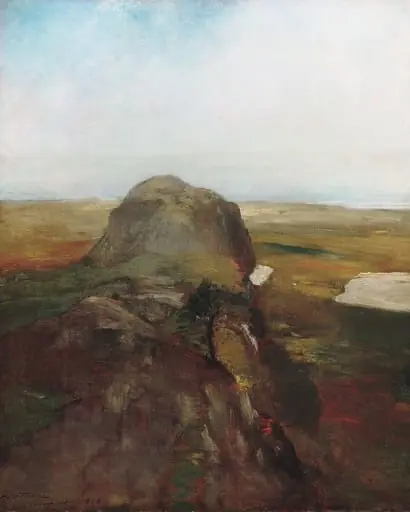 Autumn Study, View over Hanging Rock, Newport, R.I.
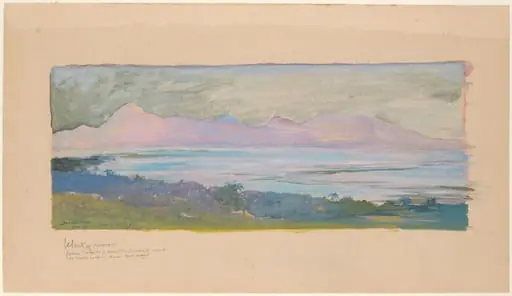 The Island of Moorea Looking across the Strait from Tahiti, January 1891
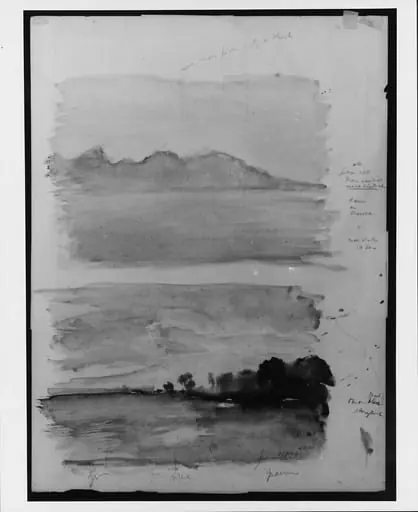 Double Study of Dawn, Moorea Seen across the Water, Tahiti