Artwork
Portrait of Faase, the Taupo, or Official Virgin, of Fagaloa Bay, and Her Duenna, Samoa
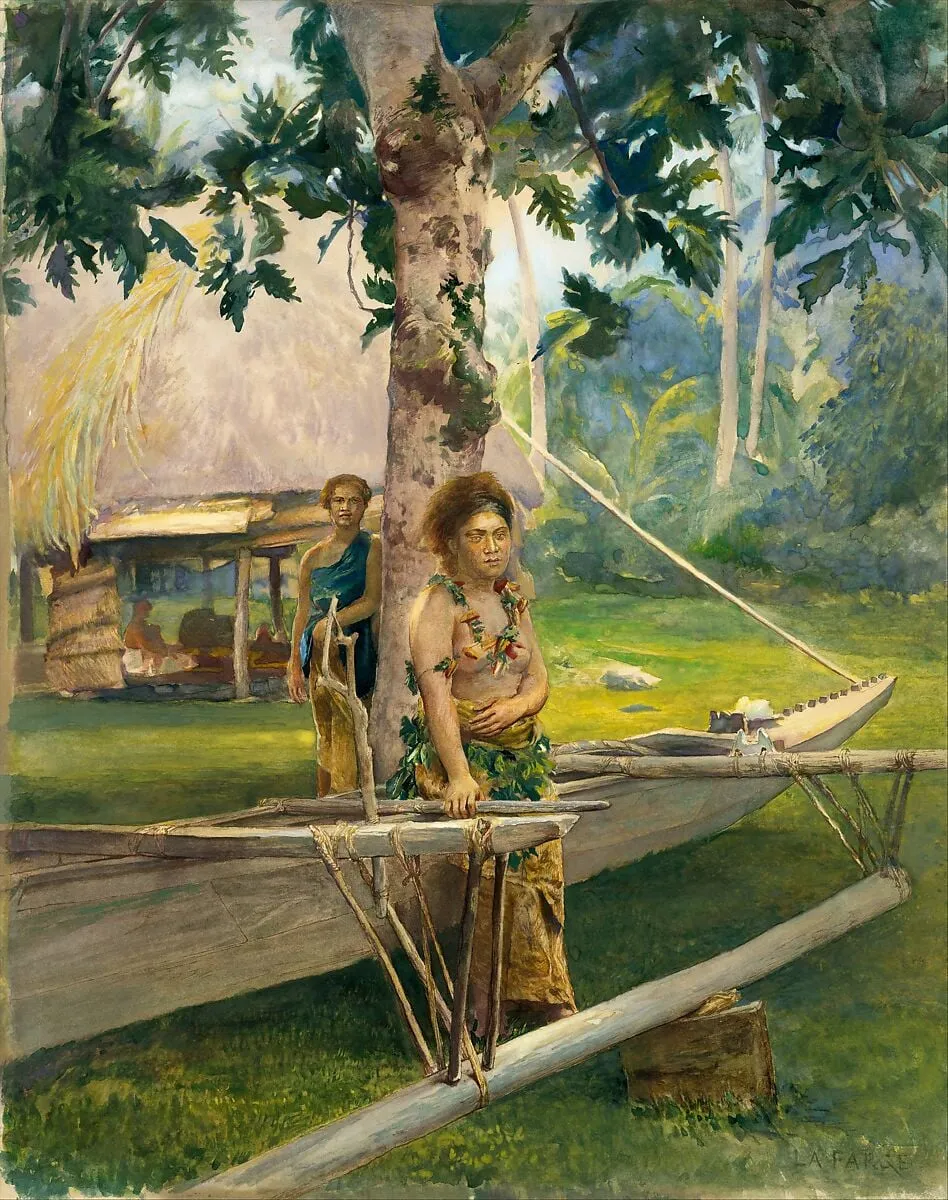
Portrait of Faase, the Taupo, or Official Virgin, of Fagaloa Bay, and Her Duenna, Samoa is a watercolor work on paper by the American Impressionist artist John La Farge. It dates from 1891 and is held in the collection of the Metropolitan Museum of Art.
About this work
This watercolor shows a woman sitting on a woven mat under a tree. Her arms rest in her lap while a younger figure stands behind her.
La Farge traveled to Samoa in 1890 and painted locals in vivid colors and soft light. The delicate leaves and distant boat suggest a quiet moment in island life.
Look up John La Farge to see more of his travel paintings.
Overview
John La Farge created this watercolor, Portrait of Faase, the Taupo, or Official Virgin, of Fagaloa Bay, and Her Duenna, Samoa, in 1891.
John La Farge created this watercolor, Portrait of Faase, the Taupo, or Official Virgin, of Fagaloa Bay, and Her Duenna, Samoa, in 1891. Executed with watercolor, gouache, and graphite on Japan-type paper, the work captures a specific moment from his travels. It exemplifies La Farge's interest in portraiture and his adoption of an American Impressionist approach, depicting local figures in a serene island setting with vivid colors and soft illumination.
Subject & Meaning
The painting portrays Faase, identified in the title as the Taupo, or "Official Virgin," of Fagaloa Bay, accompanied by her duenna. Faase sits on a woven mat beneath a tree, her arms resting gently, while a younger figure stands behind her. The composition, featuring delicate foliage and a boat in the distance, evokes a tranquil scene of daily life in Samoa, emphasizing the quiet dignity of the subjects.
Technique & Style
La Farge employed a combination of watercolor, gouache, and graphite on off-white Japan-type paper to achieve the work's distinct qualities. The artist's use of vivid colors and soft light, characteristic of American Impressionism, imbues the scene with a luminous quality. This approach highlights the textures of the woven mat and the delicate leaves, contributing to the overall sense of a quiet, sun-drenched moment.
Context
This portrait emerged from John La Farge's extensive travels to the South Pacific, specifically his visit to Samoa in 1890. During this period, he dedicated himself to capturing the local inhabitants and their environment through painting. Such works reflect a broader trend among artists of the era to explore and document cultures beyond their immediate experience, integrating these observations into their evolving artistic styles, including portraiture.
Artist & collection

Artist
John La Farge (March 31, 1835 – November 14, 1910) was an American artist whose career spanned illustration, murals, interior design, painting, and popular books on his Asian travels and other art-related topics.

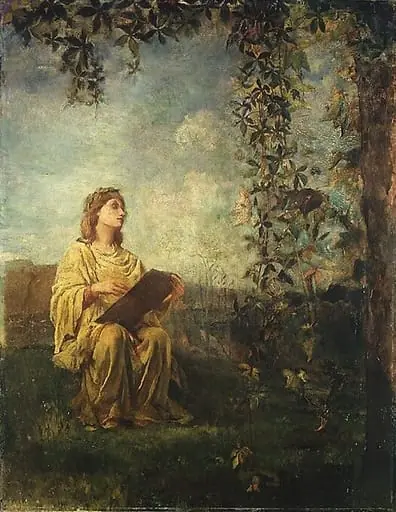 The Muse of Painting
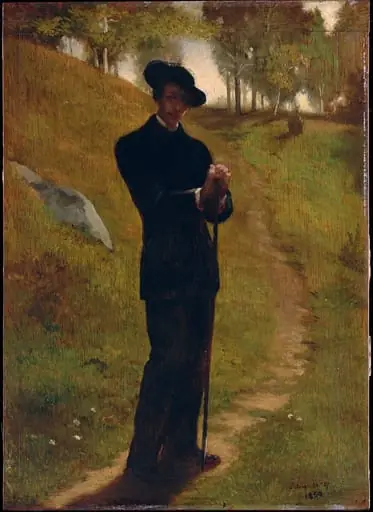 Portrait of the Painter
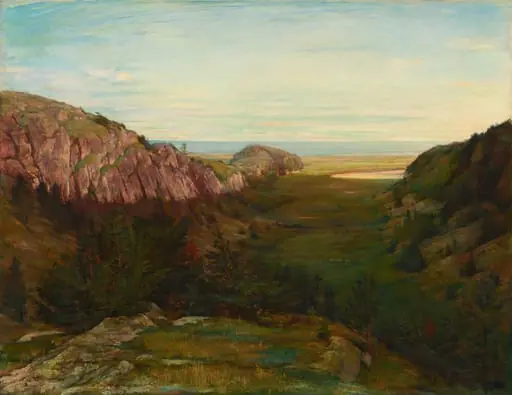 The Last Valley - Paradise Rocks
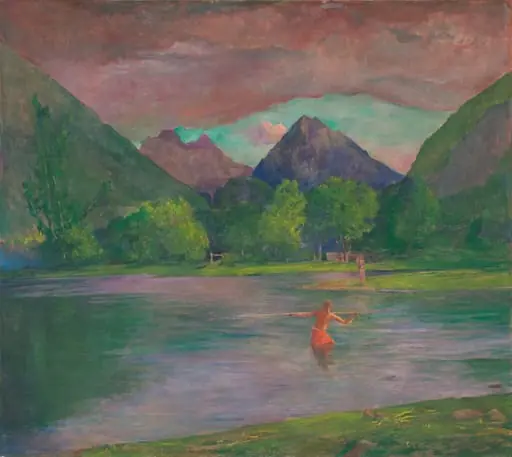 The Entrance to the Tautira River, Tahiti. Fisherman Spearing a Fish
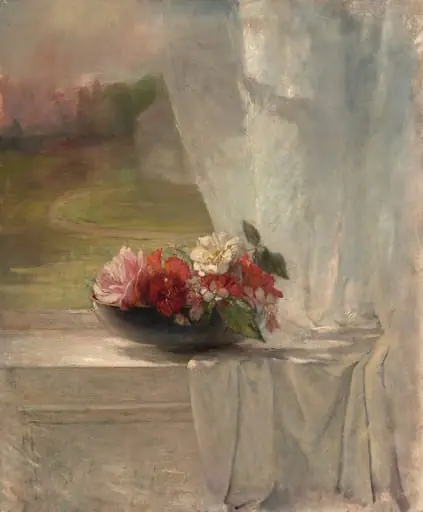 Flowers on a Window Ledge
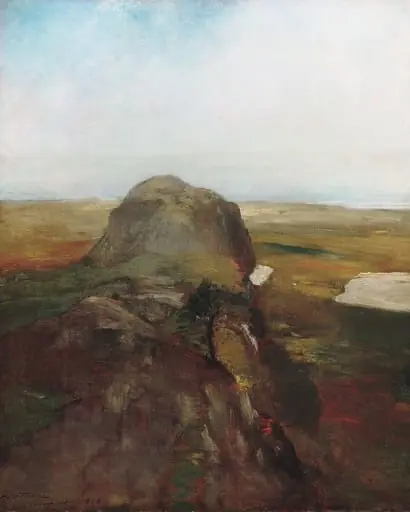 Autumn Study, View over Hanging Rock, Newport, R.I.
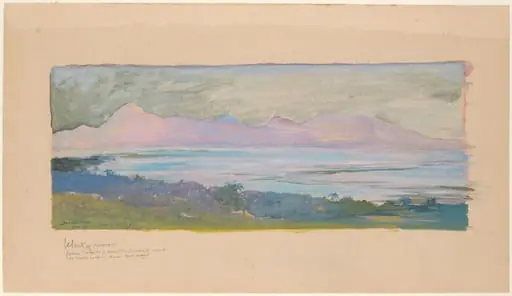 The Island of Moorea Looking across the Strait from Tahiti, January 1891
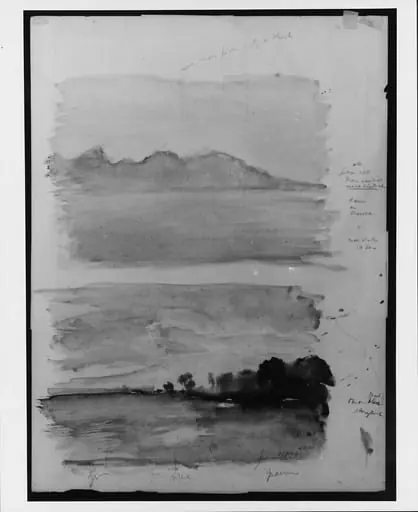 Double Study of Dawn, Moorea Seen across the Water, Tahiti