Artwork
The Moral and Divine Law: Moses Receives the Law on Mount Sinai; Color Study for Mural, Supreme Court Room, Minnesota State Capitol, Saint Paul
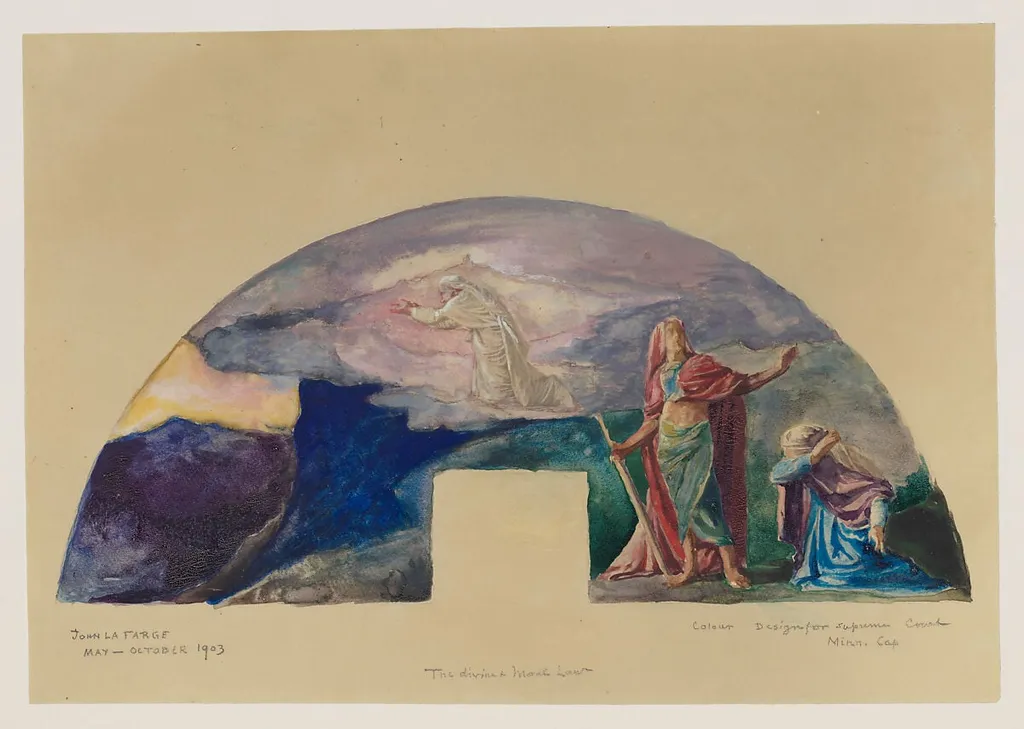
The Moral and Divine Law: Moses Receives the Law on Mount Sinai; Color Study for Mural, Supreme Court Room, Minnesota State Capitol, Saint Paul is a watercolor work on paper by the Post-Impressionist artist John La Farge. It dates from 1903 and is held in the collection of the Metropolitan Museum of Art.
About this work
Overview
John La Farge’s 1903 watercolor and gouache study, titled *The Moral and Divine Law: Moses Receives the Law on Mount Sinai*, was prepared as a preparatory design for a large mural intended for the Supreme Court Chamber of the Minnesota State Capitol in Saint Paul. Executed on olive‑green wove paper with graphite underdrawing, the work combines transparent washes with opaque gouache, showcasing La Farge’s command of color and composition.
Subject & Meaning
The composition portrays the biblical episode of Moses receiving the tablets on Mount Sinai, juxtaposed with the figure of Paul the Apostle, thereby linking the Old and New Testaments. By placing these two religious leaders together, La Farge emphasizes the continuity of divine law across the Judeo‑Christian tradition, a theme appropriate for a judicial setting.
Technique & Style
La Farge employs a layered approach, beginning with graphite sketches that define the forms, followed by watercolor washes for atmospheric depth, and finishing with gouache mixed with gum arabic to achieve richer, more saturated tones. The palette, bright yet harmonious, reflects post‑Impressionist concerns with color modulation and structural harmony, while the decorative quality hints at his experience in stained‑glass design.
History & Provenance
Created as a color study for the Capitol mural, the paper work remained in the artist’s studio before being acquired by the American Wing of the museum’s collection. Its provenance traces directly to the Minnesota State Capitol project, where the final mural was installed, confirming its role as an intermediate step in a public commission.
Context
At the turn of the twentieth century, American civic architecture often incorporated allegorical art to convey moral and legal ideals. La Farge’s study fits within this movement, aligning with other governmental commissions that used biblical narratives to underscore the principles of law and justice.
Legacy
Although the study itself is a preparatory piece, it illustrates La Farge’s interdisciplinary practice, bridging illustration, mural design, and decorative arts. The work continues to inform scholars of his methodological approach to large‑scale public art and his contribution to the visual language of American civic spaces.
Artist & collection

Artist
John La Farge (March 31, 1835 – November 14, 1910) was an American artist whose career spanned illustration, murals, interior design, painting, and popular books on his Asian travels and other art-related topics.

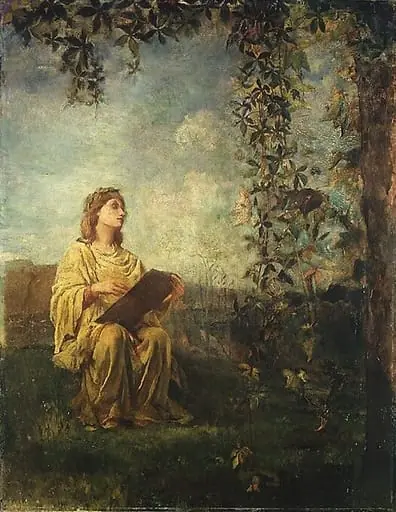 The Muse of Painting
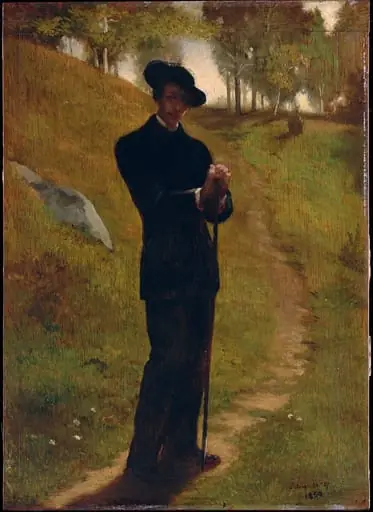 Portrait of the Painter
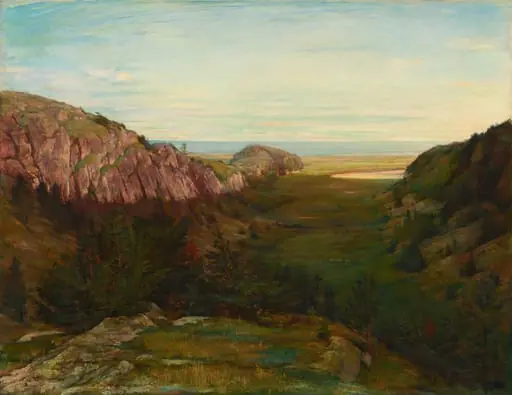 The Last Valley - Paradise Rocks
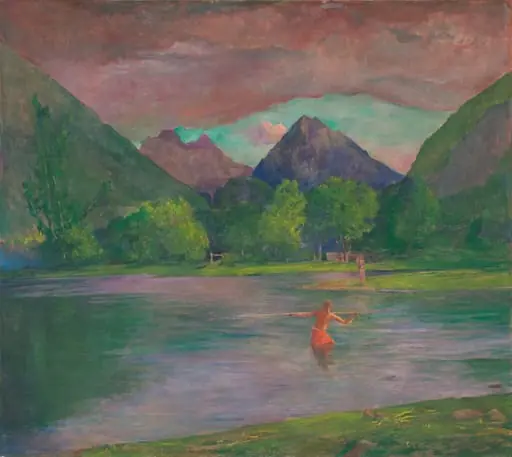 The Entrance to the Tautira River, Tahiti. Fisherman Spearing a Fish
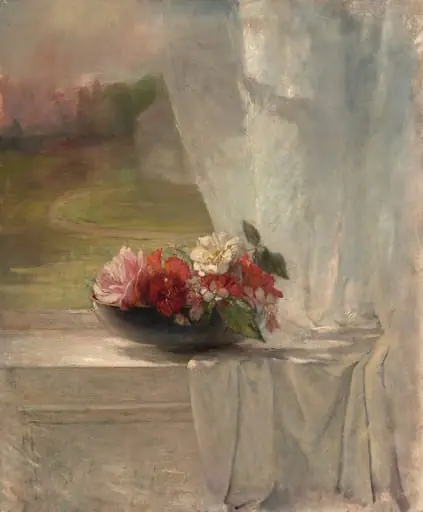 Flowers on a Window Ledge
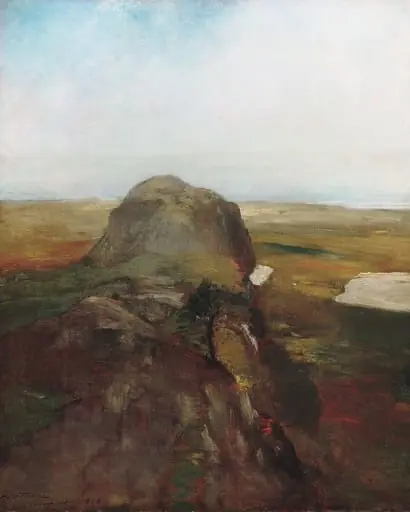 Autumn Study, View over Hanging Rock, Newport, R.I.
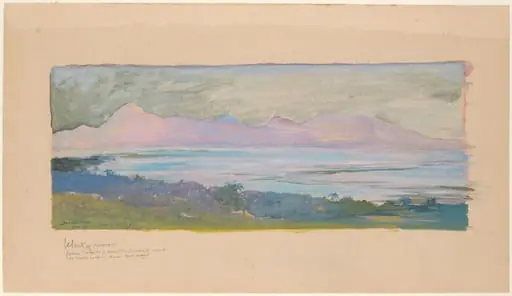 The Island of Moorea Looking across the Strait from Tahiti, January 1891
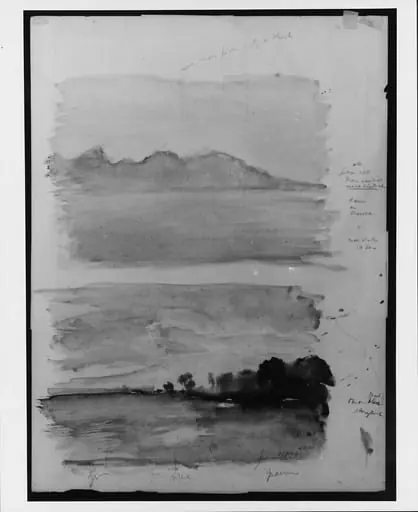 Double Study of Dawn, Moorea Seen across the Water, Tahiti