Artwork
The Strange Thing Little Kiosai Saw in the River
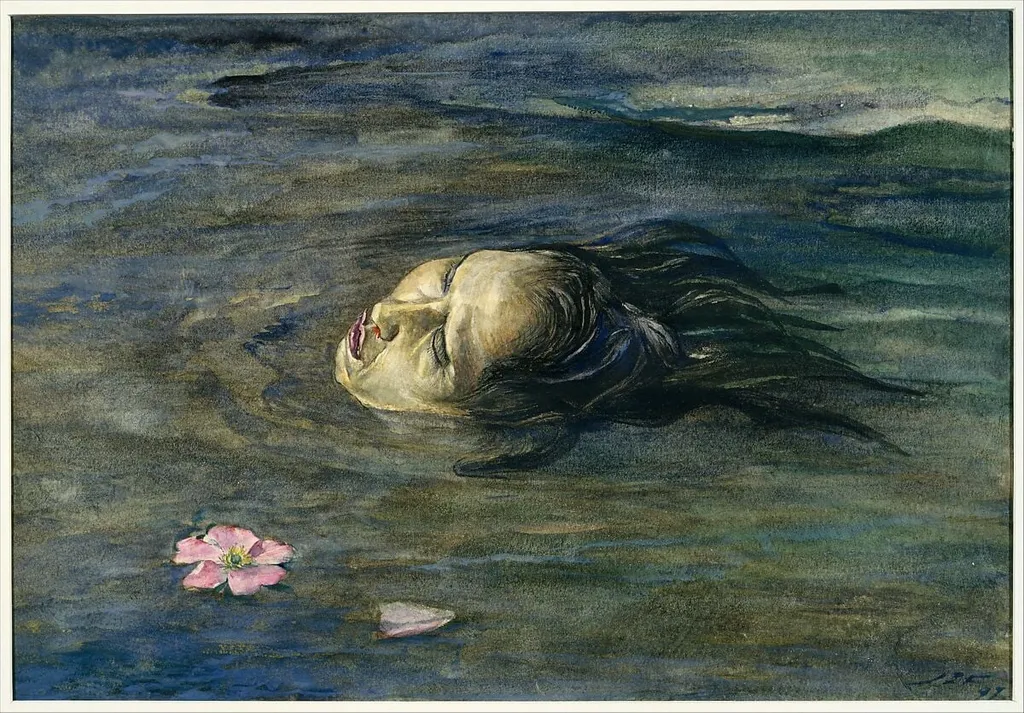
The Strange Thing Little Kiosai Saw in the River is a watercolor work on paper by the American Impressionist artist John La Farge. It dates from 1897 and is held in the collection of the Metropolitan Museum of Art.
About this work
Overview
The composition shows a solitary human head, eyes closed and mouth slightly ajar, floating in a dark river illuminated by a subtle, otherworldly glow.
Created in 1897, this work by John La Farge combines watercolor and gouache applied to Japanese tissue that has been adhered to white wove paper. The composition shows a solitary human head, eyes closed and mouth slightly ajar, floating in a dark river illuminated by a subtle, otherworldly glow. The piece belongs to the American Wing collection and exemplifies La Farge’s interest in dreamlike, mythic imagery.
Subject & Meaning
The image presents a solitary head emerging from a river, a motif that evokes both mythological symbolism and the fleeting quality of memory. La Farge described the scene as derived from a vivid dream, suggesting a personal, subconscious source rather than a narrative illustration. The closed eyes and gentle expression convey a sense of quiet contemplation rather than horror, inviting viewers to consider the boundary between reality and vision.
Technique & Style
La Farge employed a layered approach, building translucent washes of watercolor and opaque gouache over delicate Japanese tissue. This glazing method creates soft, luminous surfaces that suggest depth and movement in the water. The handling of light and color aligns with American Impressionist concerns for atmospheric effects, while the use of imported paper reflects the artist’s fascination with Japanese aesthetics after his travels.
History & Provenance
The painting was executed immediately after La Farge awoke from the dream that inspired it, reflecting his practice of translating fleeting visions into finished works. It entered the American Wing collection of the museum, where it has been displayed as part of the broader representation of La Farge’s contributions to illustration, mural design, and stained glass.
Context
At the turn of the twentieth century, La Farge was among American artists incorporating Japanese materials and visual principles into their practice. This work illustrates that cross‑cultural exchange, merging Western watercolor techniques with the texture of Japanese tissue. The piece also sits within a period when La Farge explored the interplay of reality and imagination, often blending everyday observation with dream imagery.
Artist & collection

Artist
John La Farge (March 31, 1835 – November 14, 1910) was an American artist whose career spanned illustration, murals, interior design, painting, and popular books on his Asian travels and other art-related topics.

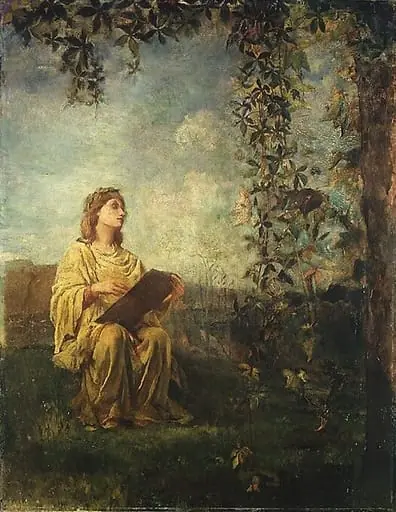 The Muse of Painting
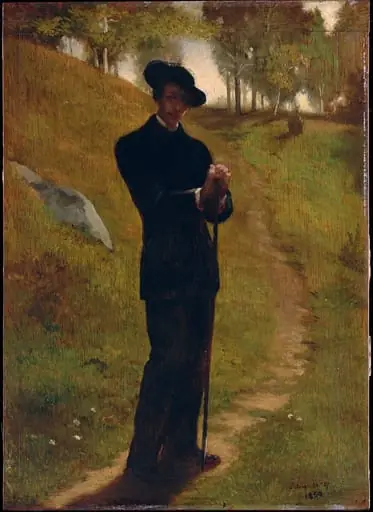 Portrait of the Painter
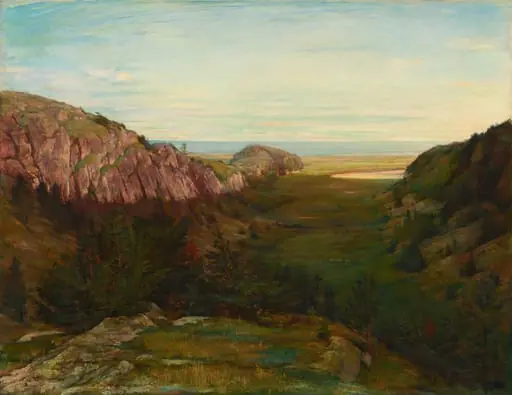 The Last Valley - Paradise Rocks
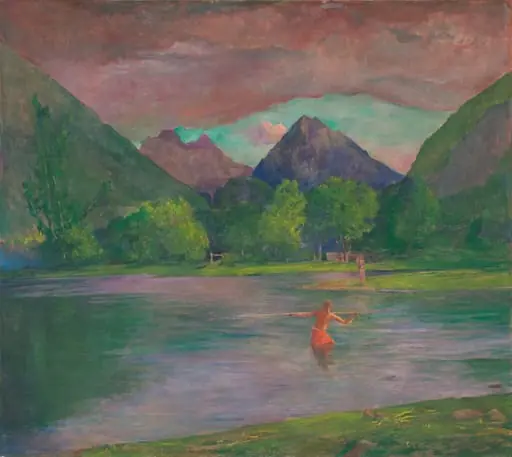 The Entrance to the Tautira River, Tahiti. Fisherman Spearing a Fish
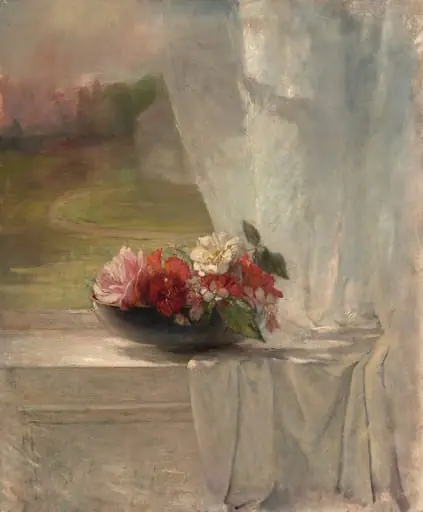 Flowers on a Window Ledge
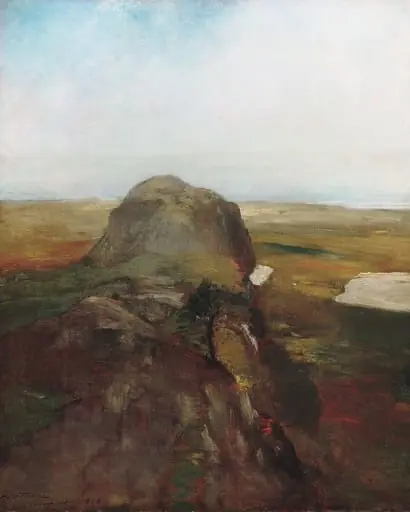 Autumn Study, View over Hanging Rock, Newport, R.I.
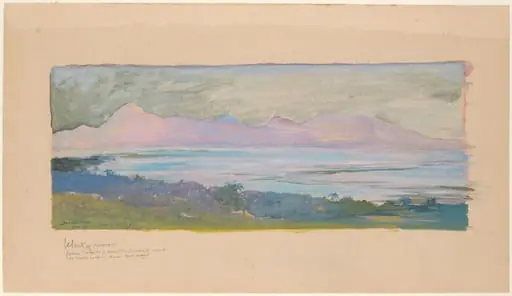 The Island of Moorea Looking across the Strait from Tahiti, January 1891
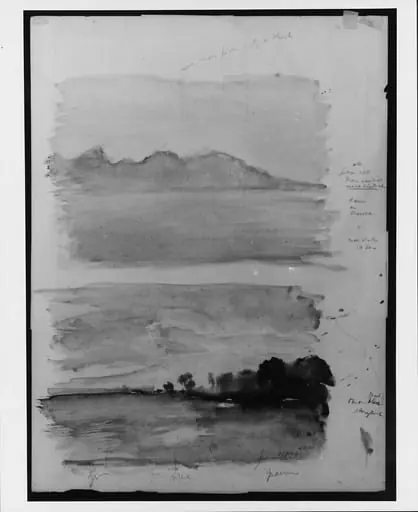 Double Study of Dawn, Moorea Seen across the Water, Tahiti