Artwork
George Peabody
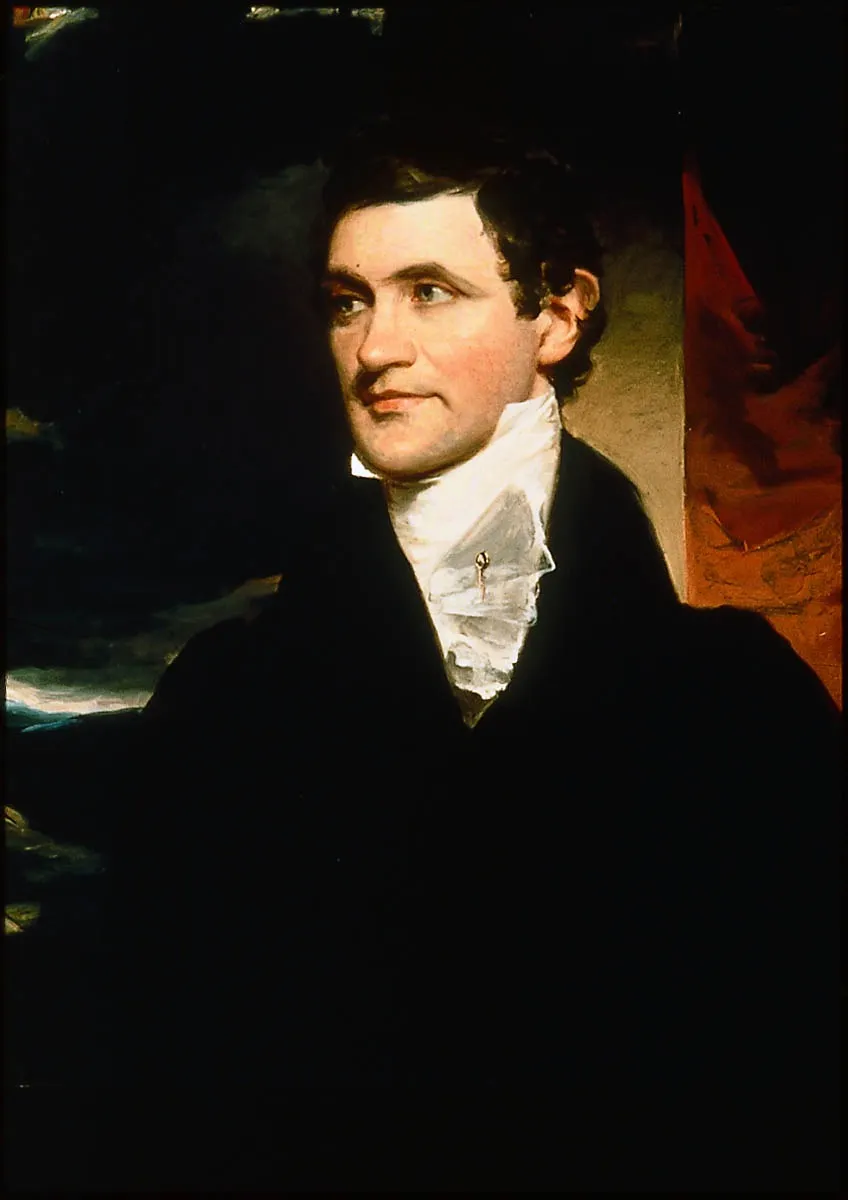
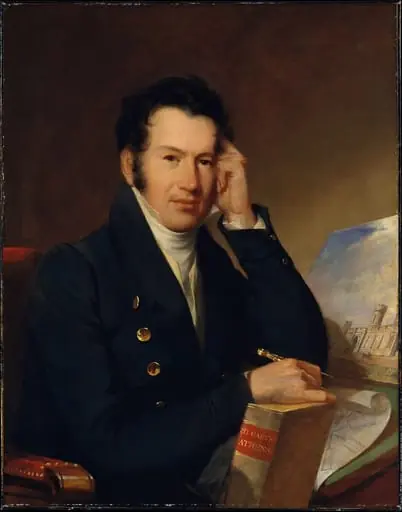
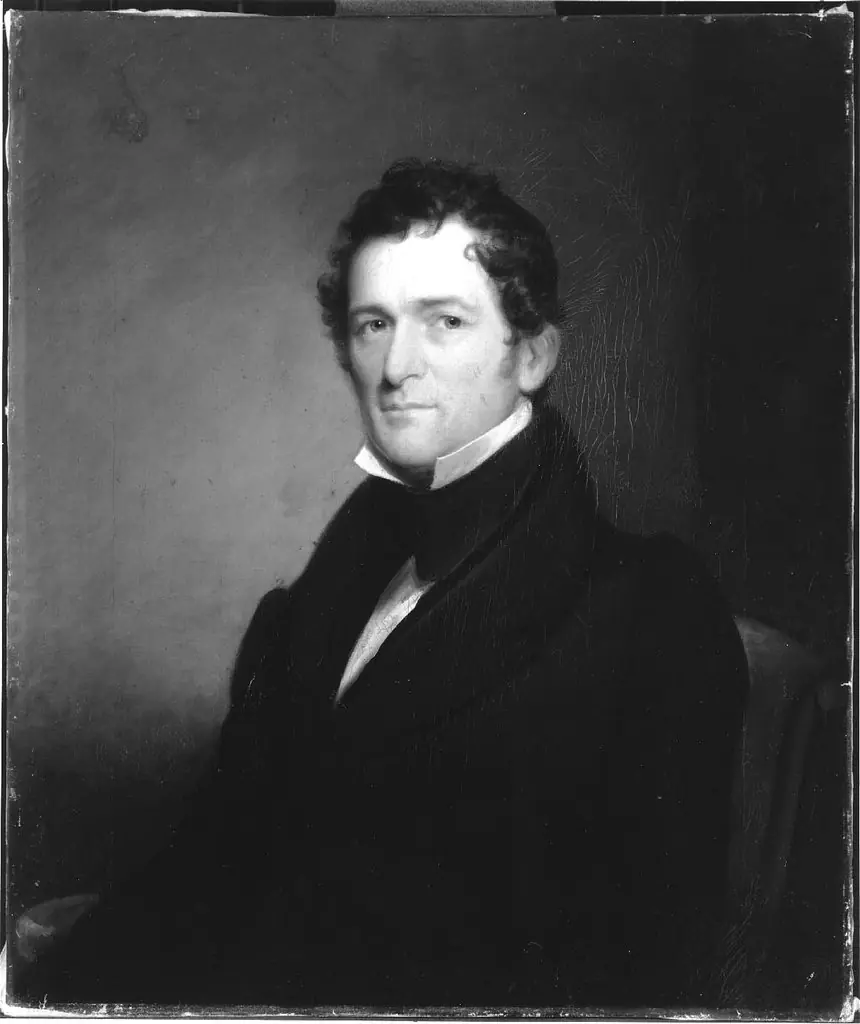
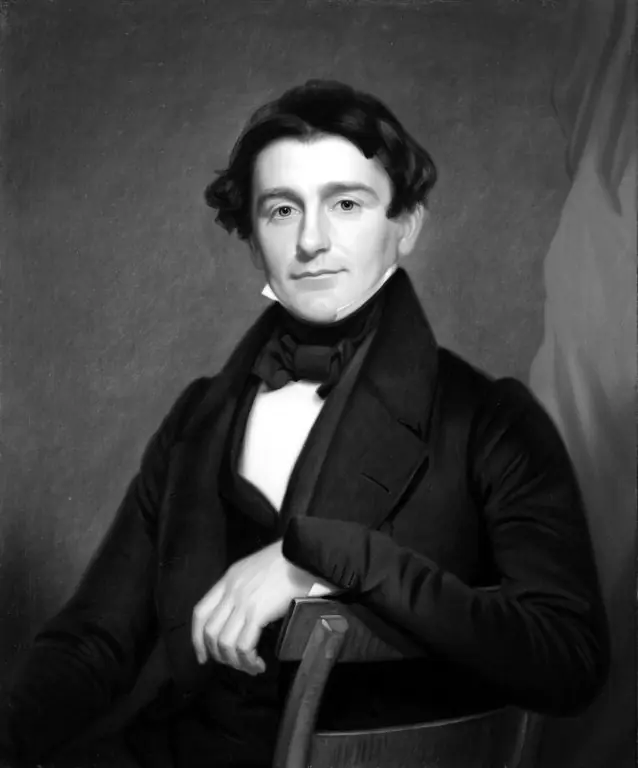
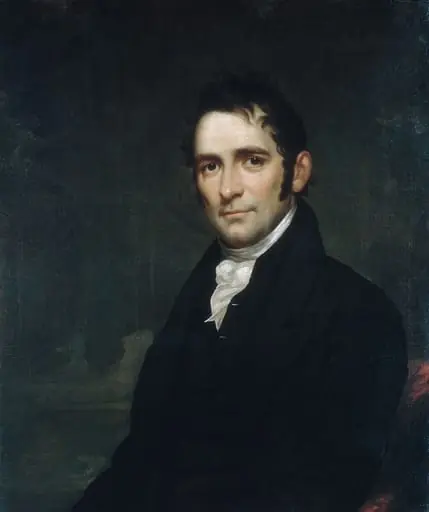
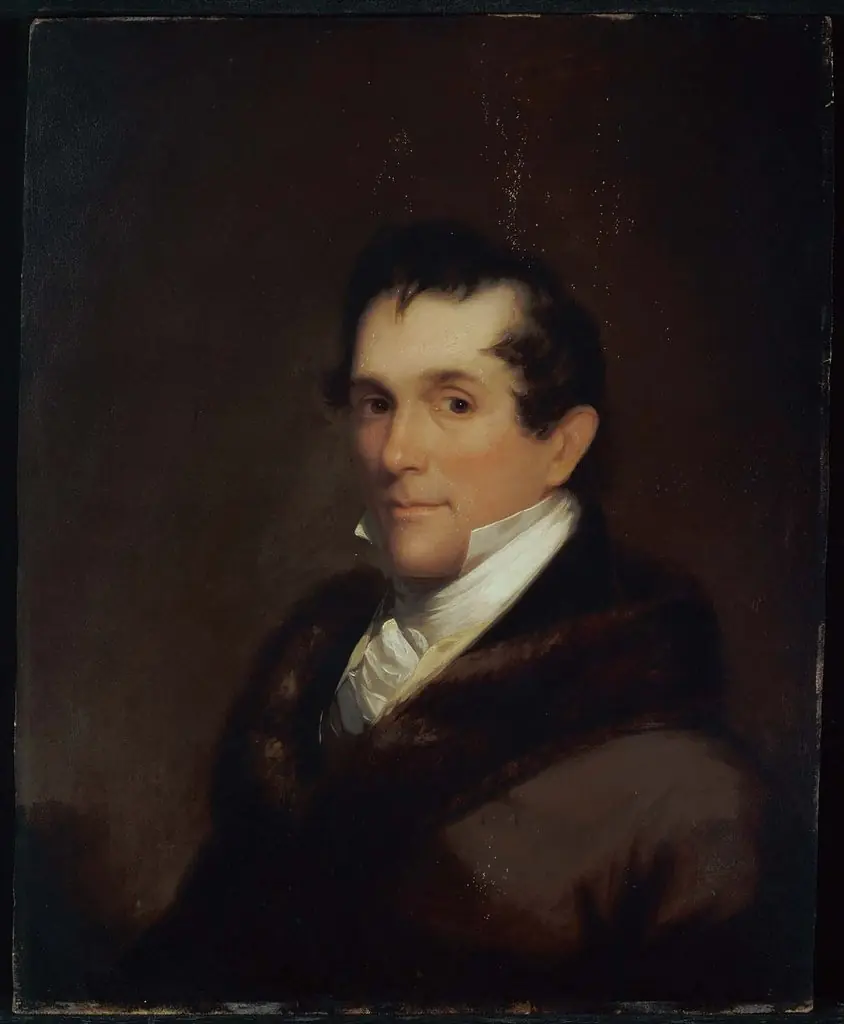
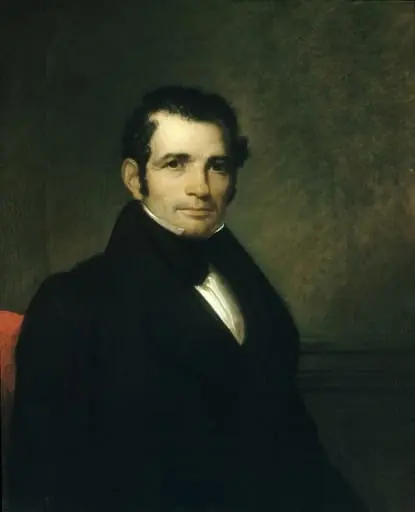
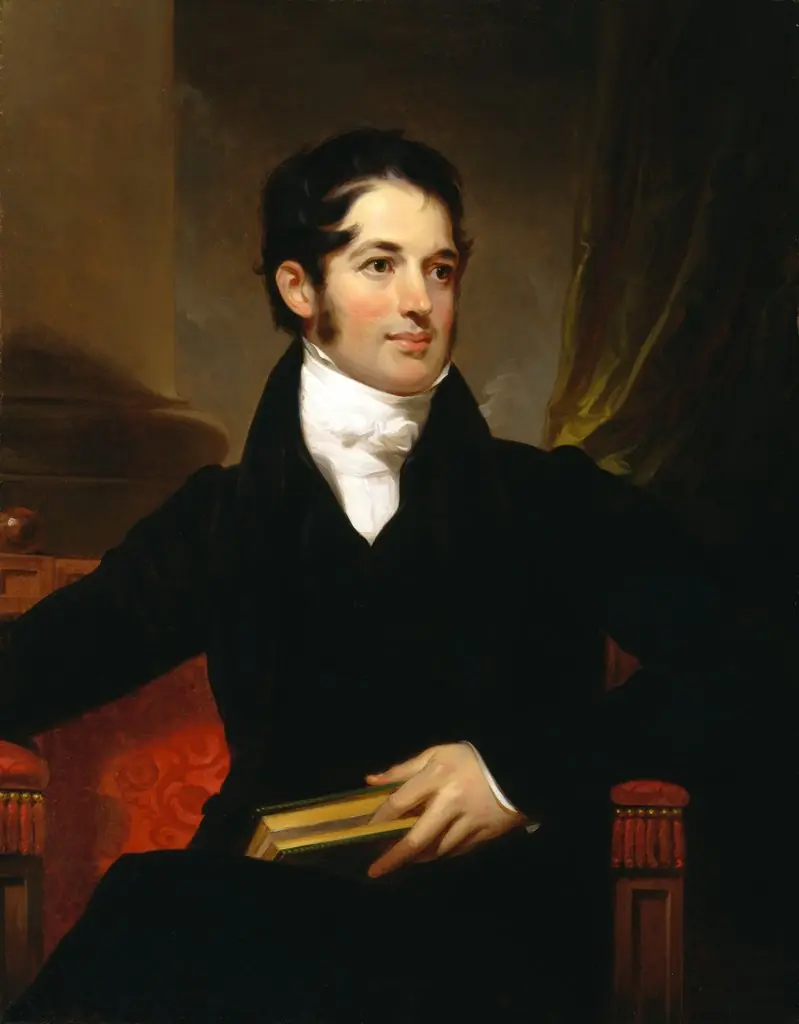
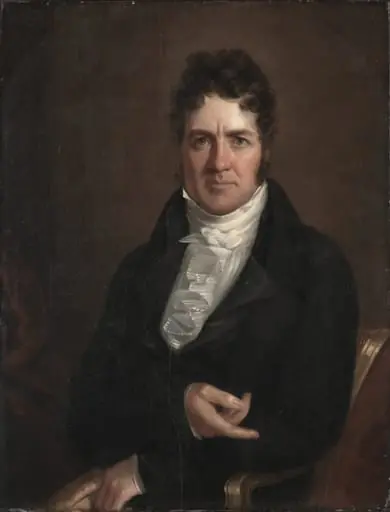
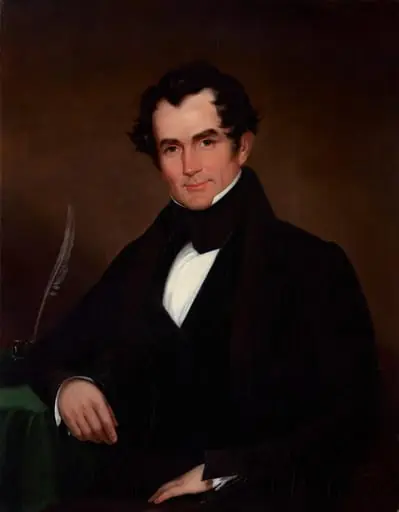
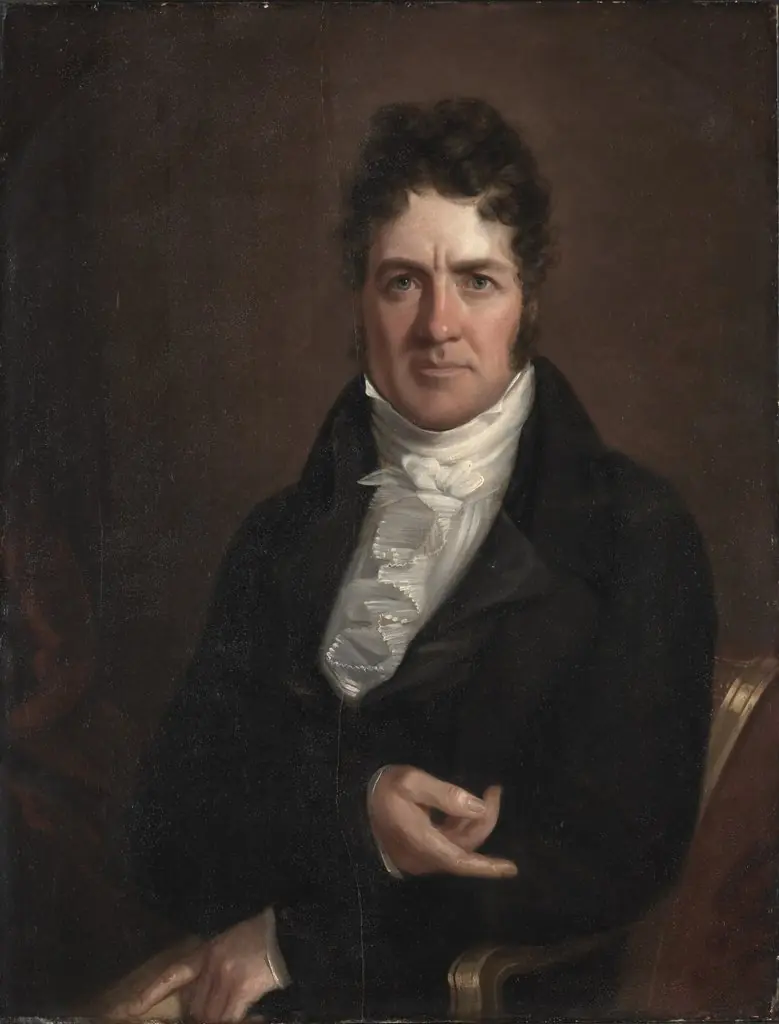
George Peabody is an oil painting by the American Folk Art artist John Neagle. It dates from 1822 and is held in the collection of the Museum of Fine Arts Boston.
About this work
Overview
The painting is part of the Museum of Fine Arts, Boston’s collection and reflects the early 19th-century American tradition of formal portraiture.
Painted in 1822 by John Neagle, a Philadelphia portraitist, this oil-on-canvas work captures George Peabody, a Boston-born merchant and later renowned philanthropist. The painting is part of the Museum of Fine Arts, Boston’s collection and reflects the early 19th-century American tradition of formal portraiture. Neagle’s approach blends technical precision with a restrained emotional tone, characteristic of his time and regional practice.
Subject & Meaning
George Peabody, depicted here in his early thirties, was already establishing himself as a figure of financial influence and civic responsibility. His composed demeanor and modest attire suggest dignity rather than ostentation. The slight turn of his gaze and neutral expression convey quiet introspection, aligning with ideals of sober virtue common among merchant-class portraiture of the era. The pin on his coat may indicate membership in a fraternal or civic organization, reinforcing his public role.
Technique & Style
Neagle employed chiaroscuro to model the figure against a dark, atmospheric background, enhancing the three-dimensionality of Peabody’s form. The contrast between the pale ruffled collar and the deep black coat draws attention to the face, the painting’s focal point. Subtle shifts in hue—blue and white on the left, a faint red on the right—add tonal variety without distracting from the subject’s stillness. Brushwork is controlled, emphasizing texture in fabric and hair with minimal flourish.
History & Provenance
Commissioned shortly after Peabody’s rise in business circles, the portrait likely served to document his emerging status. It remained in private hands for much of the 19th century before entering the Museum of Fine Arts, Boston’s collection. Its preservation reflects enduring interest in early American portraiture and the cultural legacy of figures who shaped commercial and charitable institutions in the young republic.
Context
In the 1820s, American portraiture was transitioning from colonial conventions toward a more distinct national style. Neagle, working outside the academic elite, catered to a growing middle class seeking dignified likenesses. Peabody’s image aligns with this trend—neither aristocratic nor theatrical, but grounded in quiet authority. The painting reflects a society where personal reputation and moral character were central to social standing.
Legacy
Though Neagle is not widely known today, this portrait endures as a representative example of early American civic portraiture. It preserves the visual identity of a man whose later philanthropy would leave a lasting mark on education and urban welfare in both the United States and Britain. The work stands as a quiet testament to the values of restraint and responsibility that defined a generation of self-made men.
Artist & collection

Artist
John Neagle (November 4, 1796 – September 17, 1865) was a fashionable American painter, primarily of portraits, during the first half of the 19th century in Philadelphia.