Artwork
Martin Luther Hurlbut
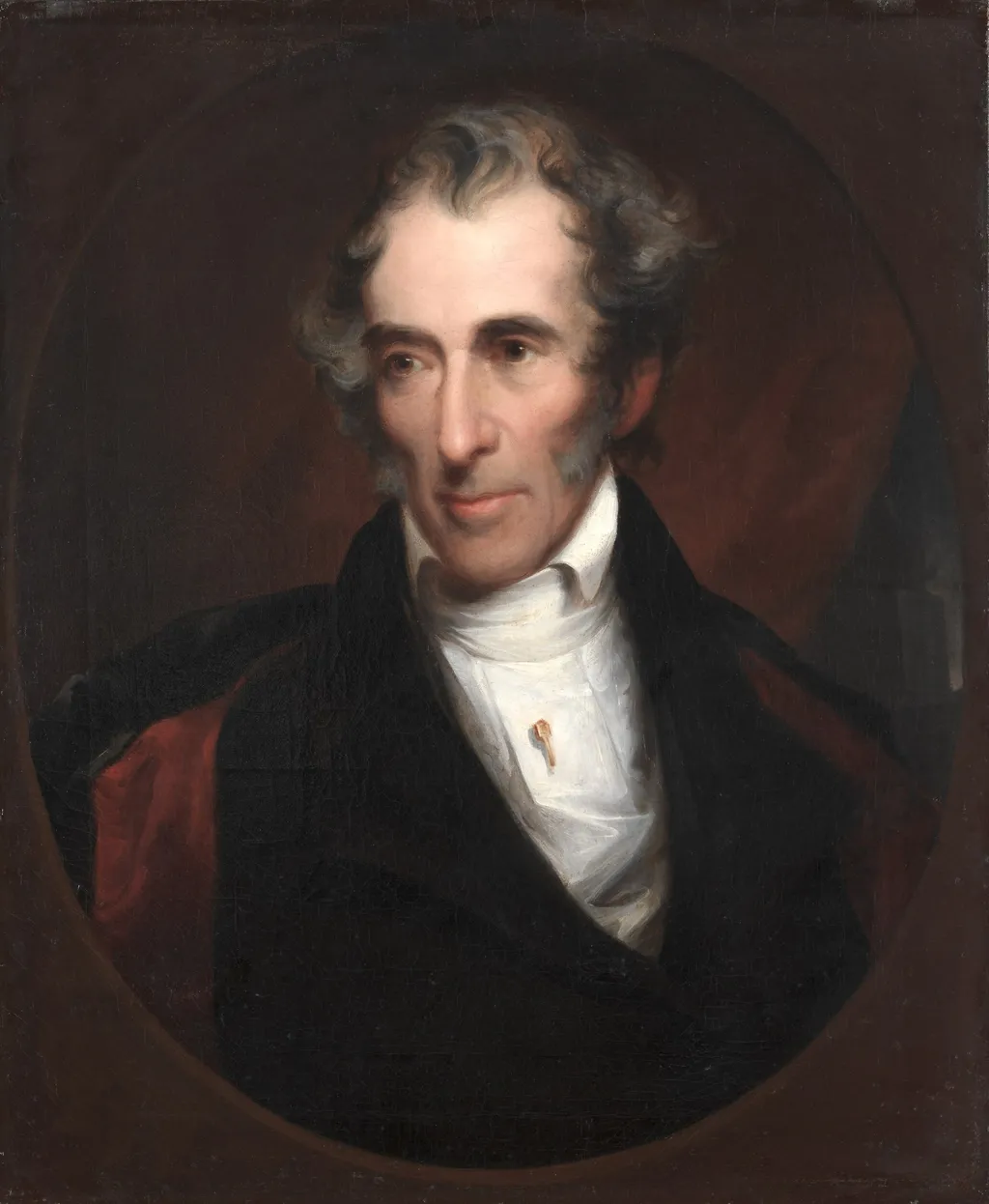
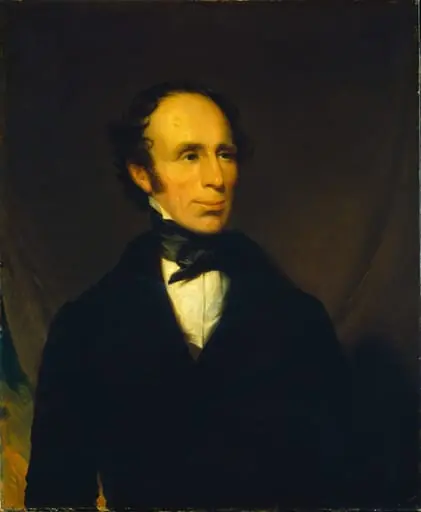
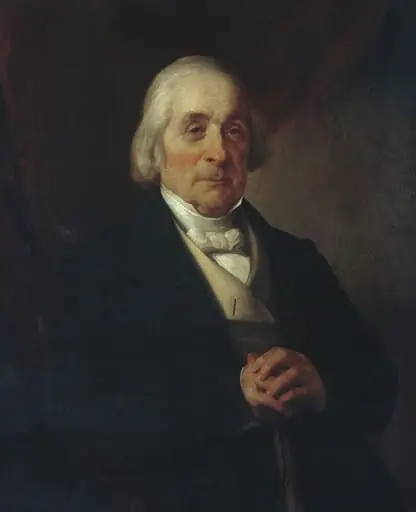
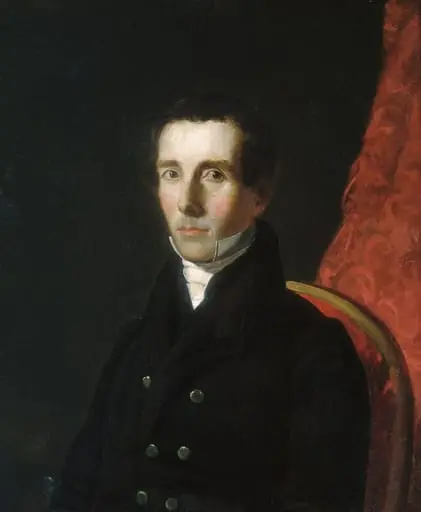
Martin Luther Hurlbut is an oil painting by the American Folk Art artist John Neagle. It dates from 1840 and is held in the collection of the Cleveland Museum of Art.
About this work
If you're interested in learning more about the artist who created this piece, you might want to look up John Neagle.
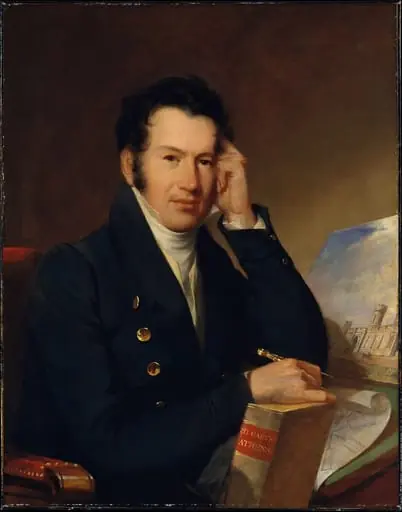
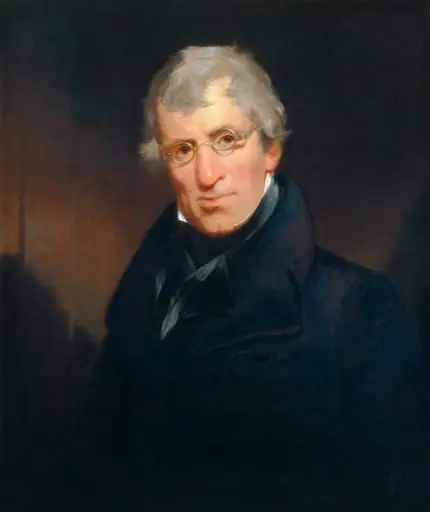
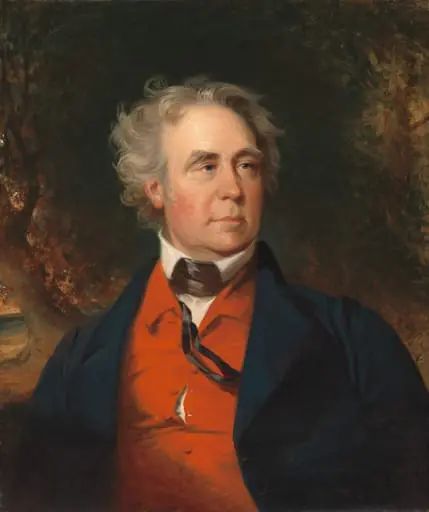
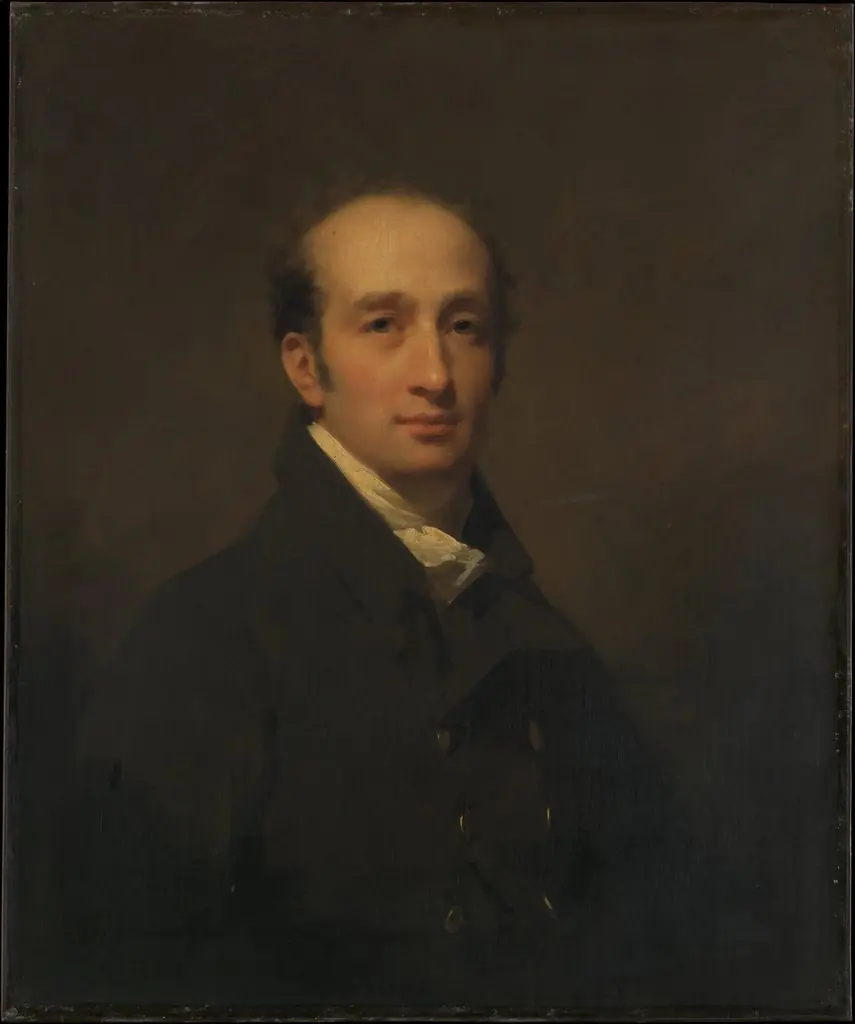
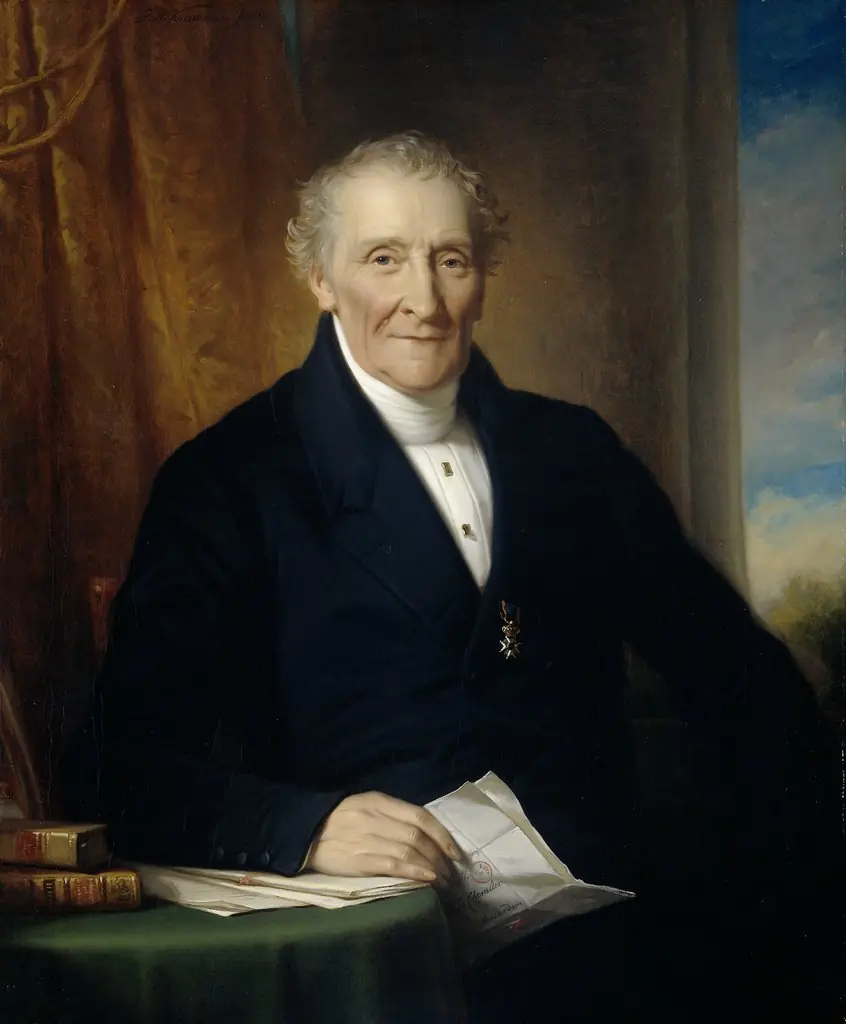
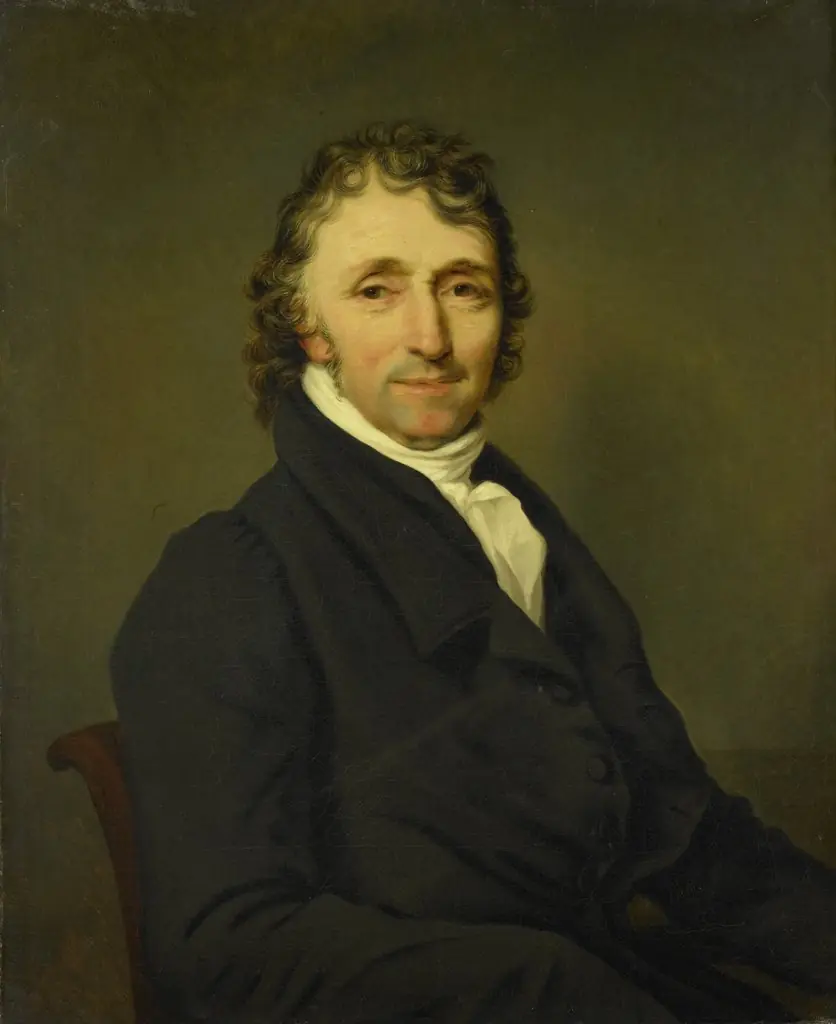
This painting is a portrait of a man with curly, graying hair and a mustache. He is wearing a dark jacket over a white shirt with a high collar and a small pin on the left side. The background is dark, with a subtle gradient of color behind the subject's head.
The man's attire and hairstyle suggest that the painting is from the 19th century. The artist's use of chiaroscuro, a technique that uses strong contrasts between light and dark to create a sense of volume and depth, adds depth and dimension to the portrait.
The painting is a beautiful example of a portrait from this time period. If you're interested in learning more about the artist who created this piece, you might want to look up John Neagle.
Overview
John Neagle, a Philadelphia portraitist active in the early nineteenth century, painted a likeness of Martin Luther Hurlbut in 1840. Executed in oil on canvas, the work presents a seated gentleman with greying, curly hair and a moustache, dressed in a dark jacket over a white high‑collared shirt. The background is a muted, dark field that recedes gently behind the sitter’s head.
Subject & Meaning
The portrait captures Hurlbut as a middle‑aged man, his expression sober and his attire modest, reflecting the conventions of American portraiture of the period. The small pin on the left side of his jacket may indicate a personal affiliation or rank, while the overall composition emphasizes the individual’s presence rather than any symbolic narrative.
Technique & Style
Neagle employs a restrained folk‑art aesthetic, favoring straightforward rendering over elaborate ornamentation. The painting relies on chiaroscuro, using pronounced light‑and‑dark contrasts to model the facial features and suggest volume. Brushwork remains relatively flat, characteristic of the unrefined style associated with early American portraiture.
History & Provenance
Since its creation, the portrait has entered the collection of the Cleveland Museum of Art, where it is catalogued as an example of mid‑nineteenth‑century American folk portraiture. The museum’s acquisition records trace the work’s passage from private ownership to public display, preserving its provenance within institutional holdings.
Artist & collection

Artist
John Neagle (November 4, 1796 – September 17, 1865) was a fashionable American painter, primarily of portraits, during the first half of the 19th century in Philadelphia.