Artwork
Hills of Galilee
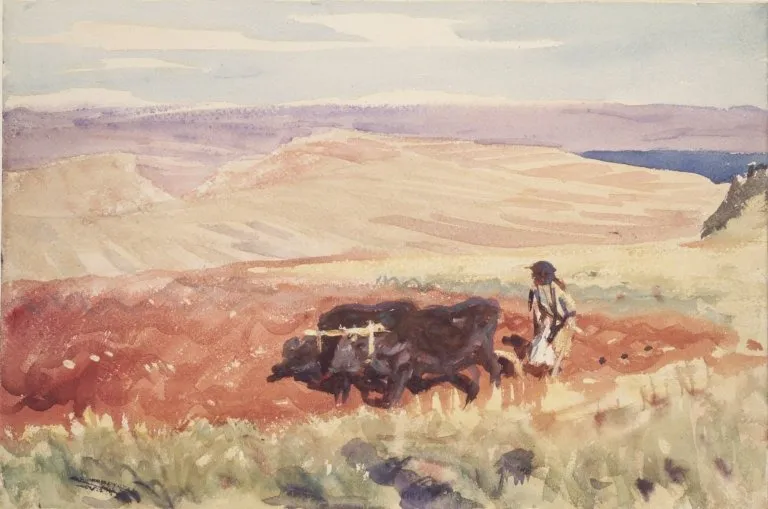
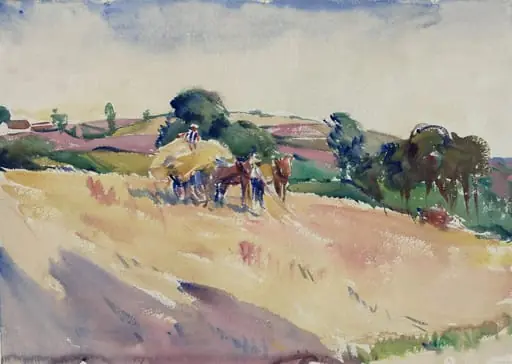
Hills of Galilee is a watercolor painting by John Singer Sargent. It dates from 1905 and is held in the collection of the Brooklyn Museum.
About this work
Overview
Hills of Galilee is a 1905 watercolor painting by John Singer Sargent, capturing a serene landscape with figures, executed during his travels.
Subject & Meaning
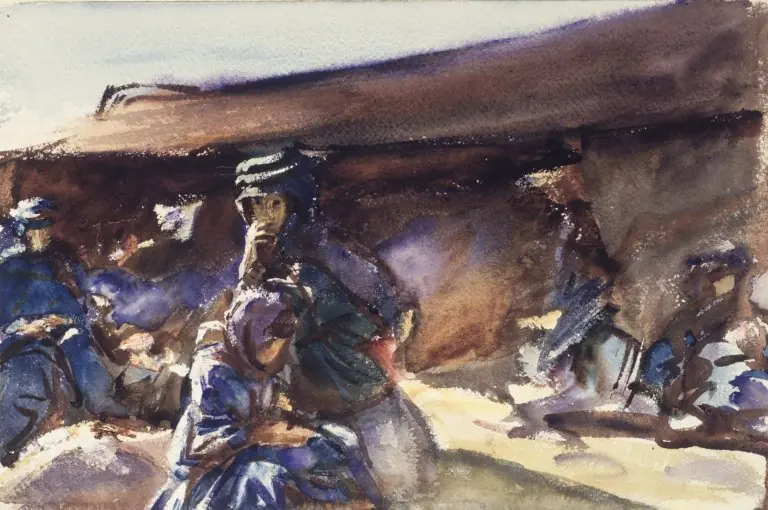
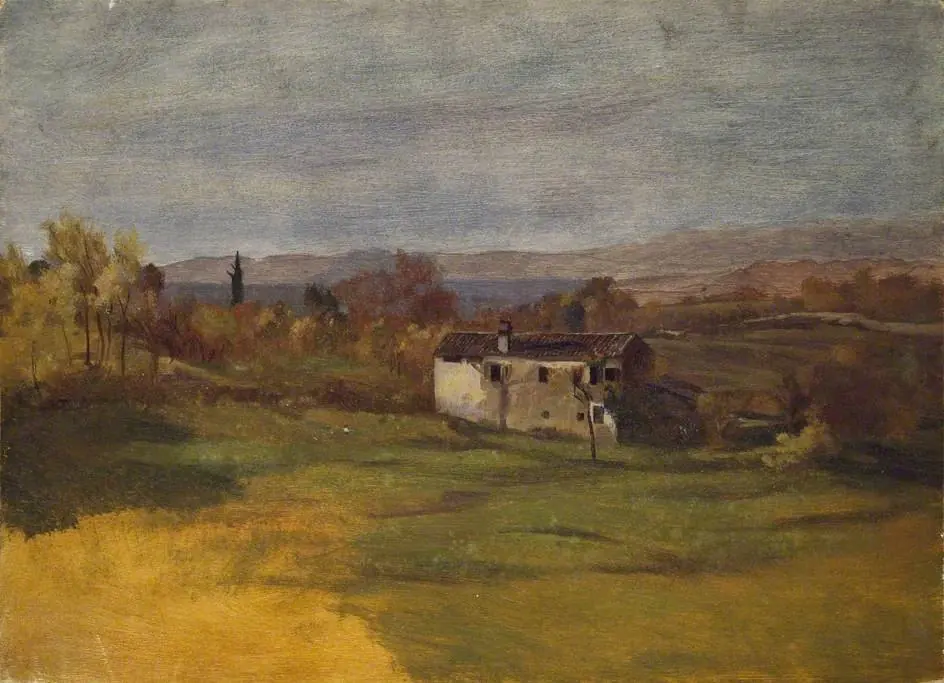
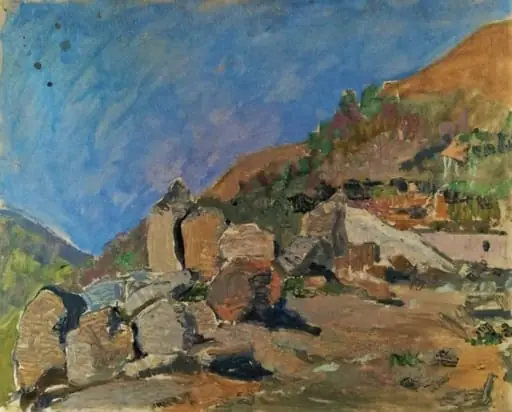
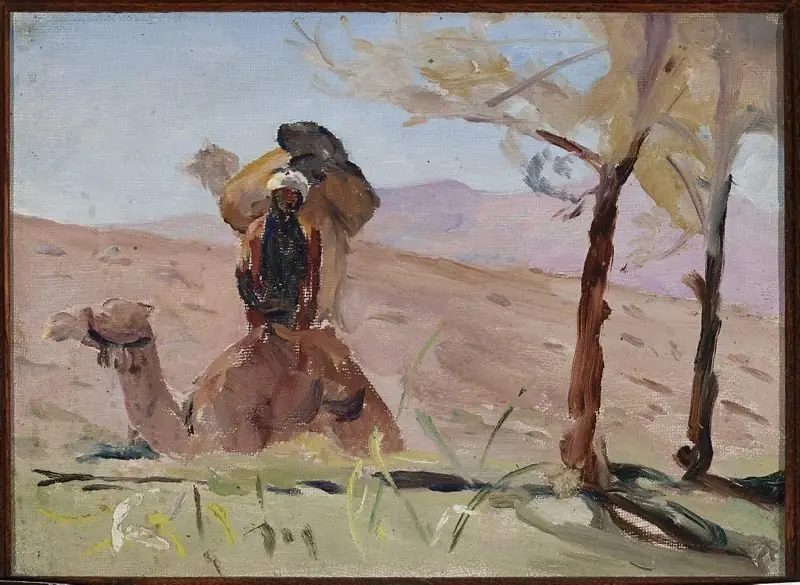
The painting depicts a peaceful scene with a person walking a cow in the foreground, set against receding hills and a mixed blue and white sky, conveying tranquility through composition and color choice.
Technique & Style
Sargent's use of watercolor in Hills of Galilee achieves a soft, dreamy effect, enhanced by gentle brushstrokes and a muted palette of browns, greens, and blues, adding depth and texture.
History & Provenance
Created during Sargent's Middle Eastern travels, Hills of Galilee is now part of the Brooklyn Museum's collection, reflecting the artist's global inspirations alongside his portrait work.
Context
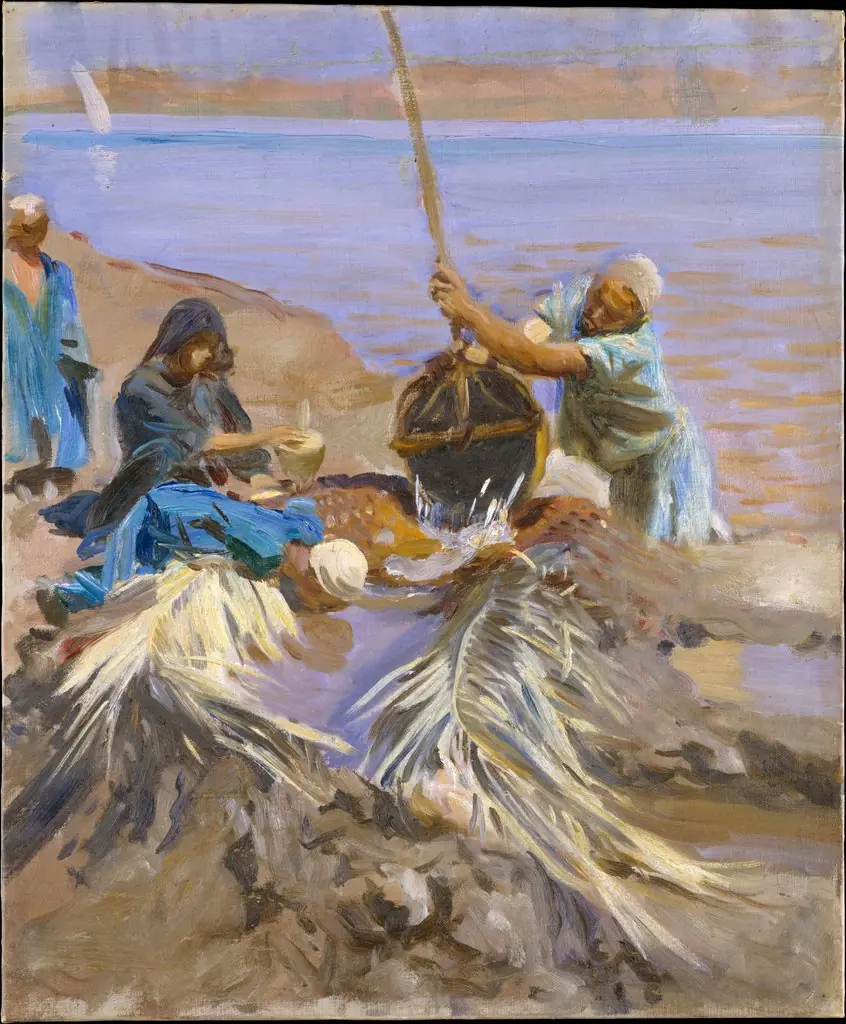
This work exemplifies Sargent's practice of documenting landscapes in watercolor during his journeys, complementing his renowned oil portraits, with influences from his European training and international upbringing.
Legacy
As part of Sargent's diverse oeuvre, Hills of Galilee contributes to his reputation as a versatile artist, with the piece's serene quality and technical execution showcasing his mastery across mediums.
Artist & collection

Artist
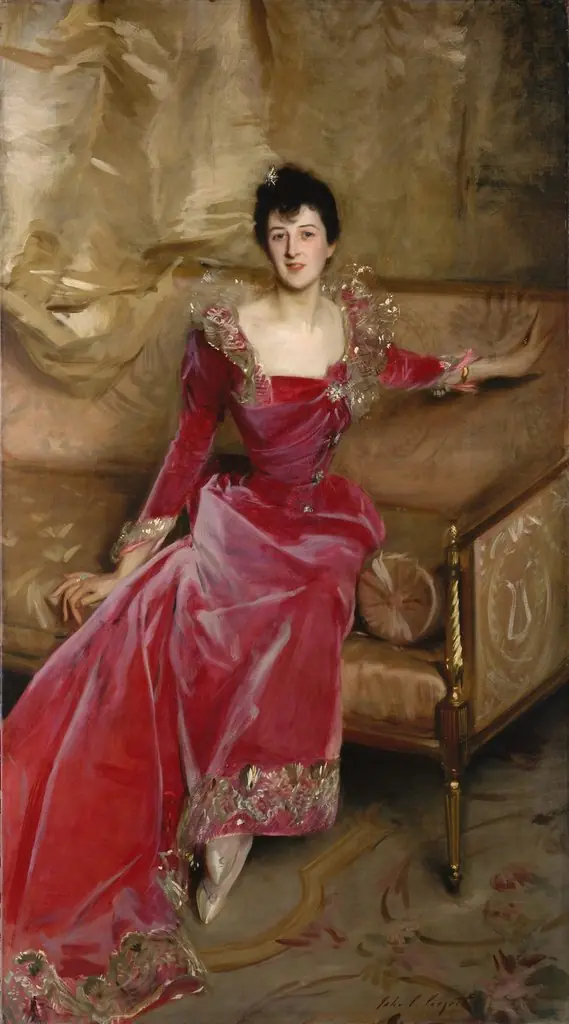
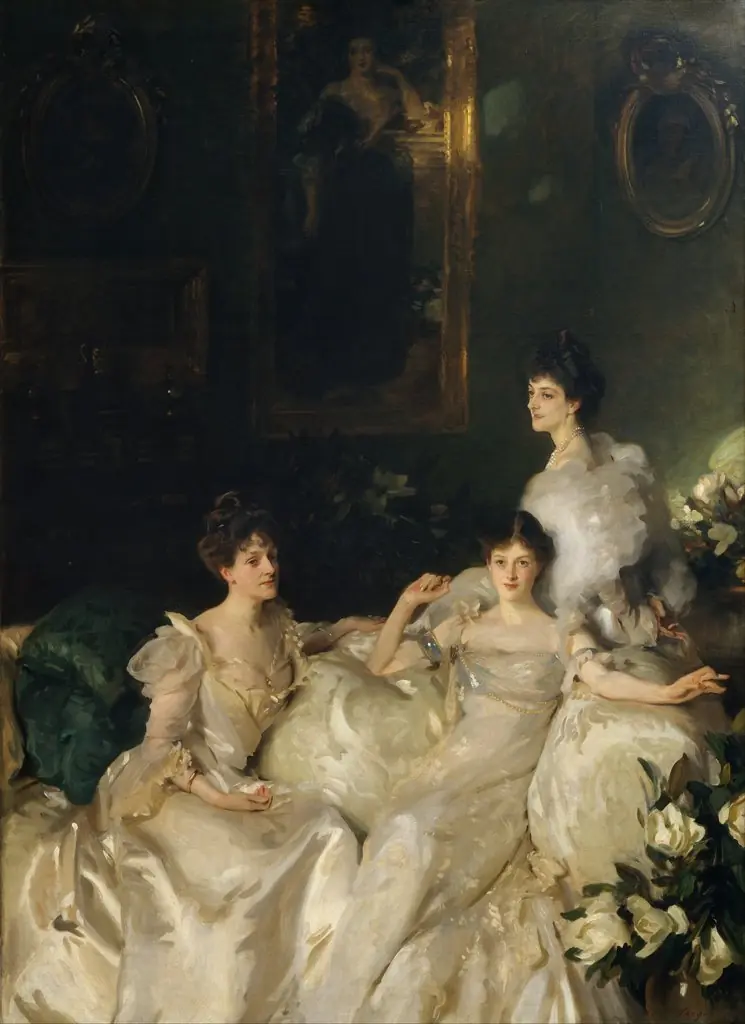
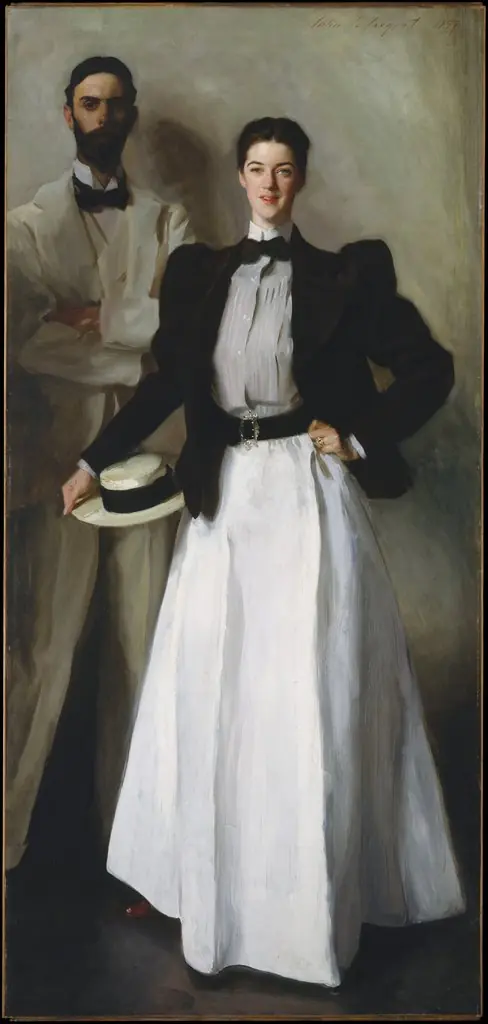
John Singer Sargent (; January 12, 1856 – April 15, 1925) was an American expatriate artist, considered the "leading portrait painter of his generation" for his evocations of Belle Époque and Edwardian-era luxury.