Artwork
Life Study (Study of an Egyptian Girl)
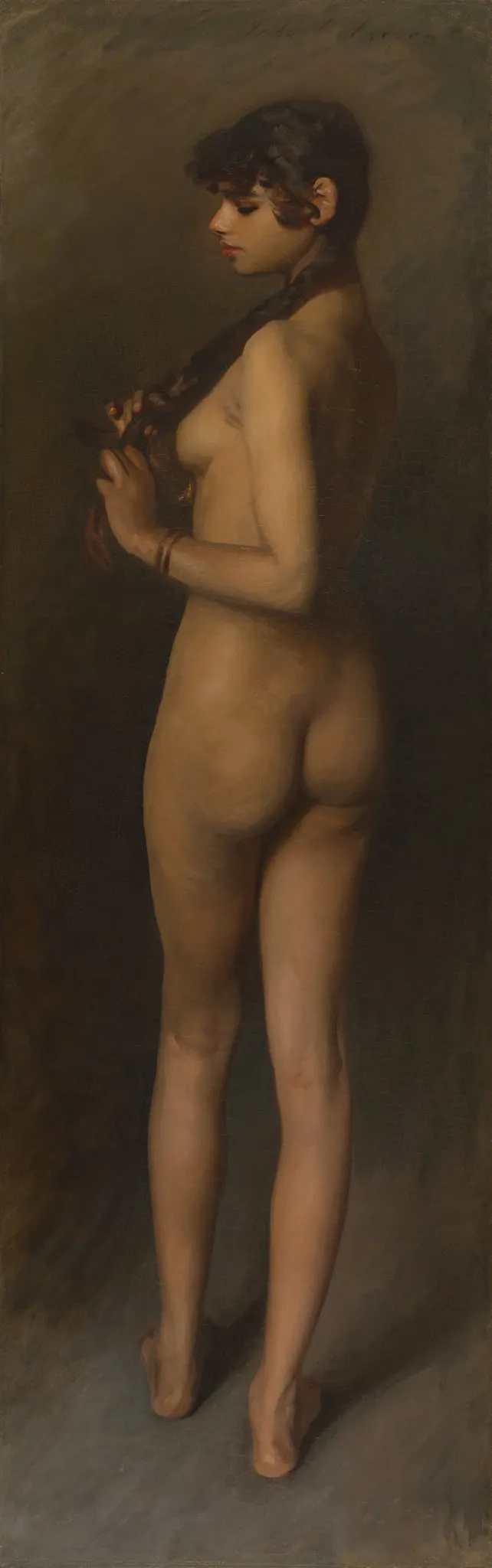
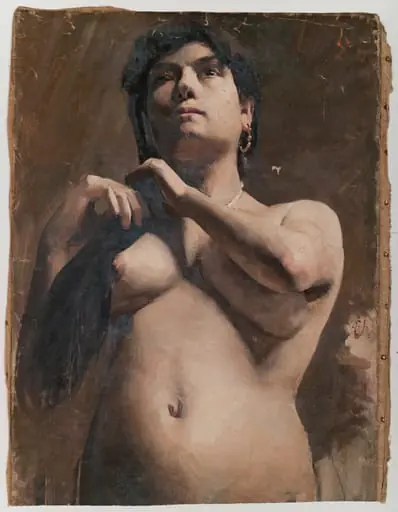
Life Study (Study of an Egyptian Girl) is an oil painting by the American Impressionist artist John Singer Sargent. It dates from 1891 and is held in the collection of the Art Institute of Chicago.
About this work
Overview
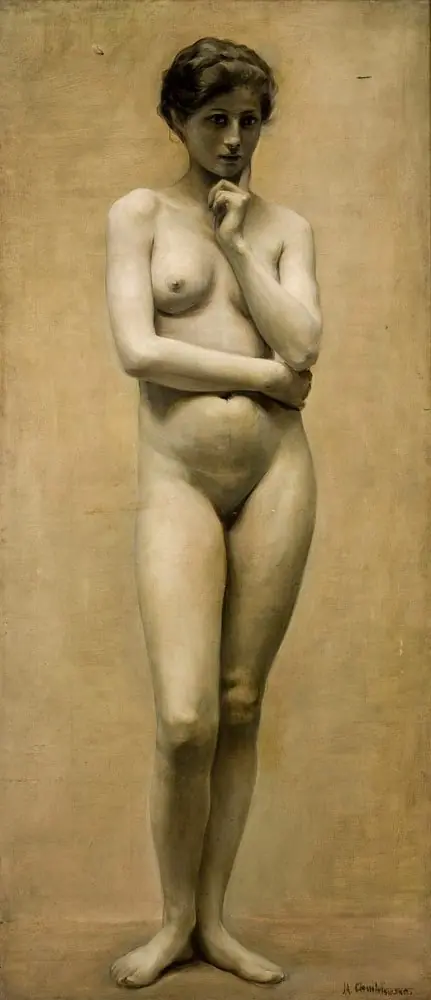
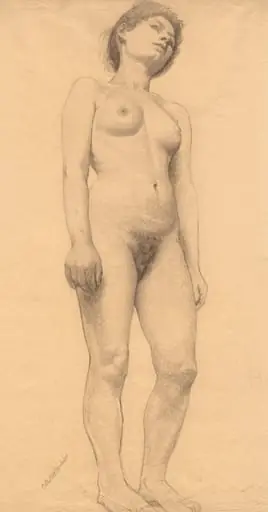
John Singer Sargent’s oil on canvas, titled *Life Study (Study of an Egyptian Girl)*, presents a full‑length figure rendered during his 1891 trip to Cairo. The work captures a solitary woman in a complex stance, her weight shifted onto one foot while her torso twists away, conveying both poise and subtle tension.
Subject & Meaning
The sitter, an unnamed Egyptian woman, is shown in traditional attire with a composed expression. Her posture, balancing on the right foot and turning the upper body leftward, invites contemplation of movement and stillness, emphasizing the artist’s interest in the individual character of his model rather than narrative content.
Technique & Style
Departing from the brisk, visible brushwork of his society portraits, Sargent employs a more academic approach here, meticulously modelling flesh tones and anatomy. The painting demonstrates careful gradations of light and shadow, echoing chiaroscuro principles, and a restrained palette that underscores the figure’s three‑dimensionality.
History & Provenance
Sargent created the study while seeking material for a mural commission for the Boston Public Library. After its completion, the canvas was exhibited widely, notably at the 1893 World’s Columbian Exposition in Chicago, where it reached an international audience.
Context
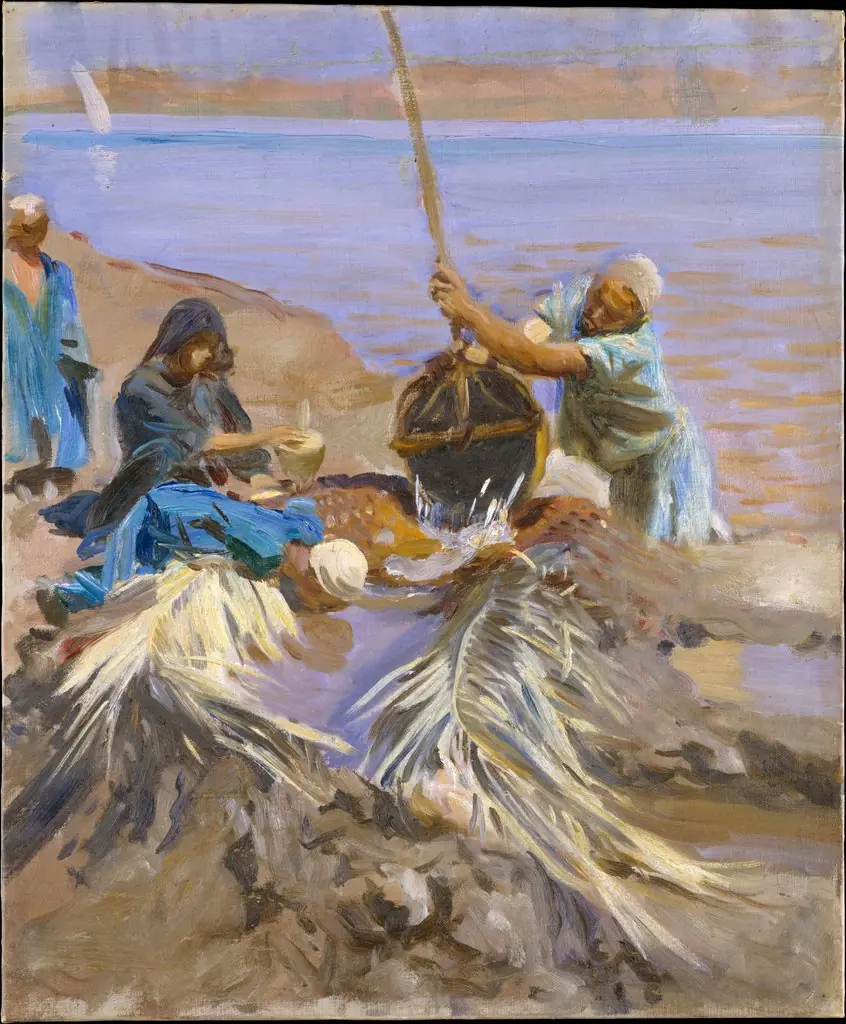
The work reflects the late‑nineteenth‑century fascination among Western artists with the Near East, a region marketed as exotic and historically rich. Sargent’s Egyptian sojourn placed him among peers who traveled abroad to capture local subjects, integrating those experiences into their broader oeuvre.
Artist & collection

Artist
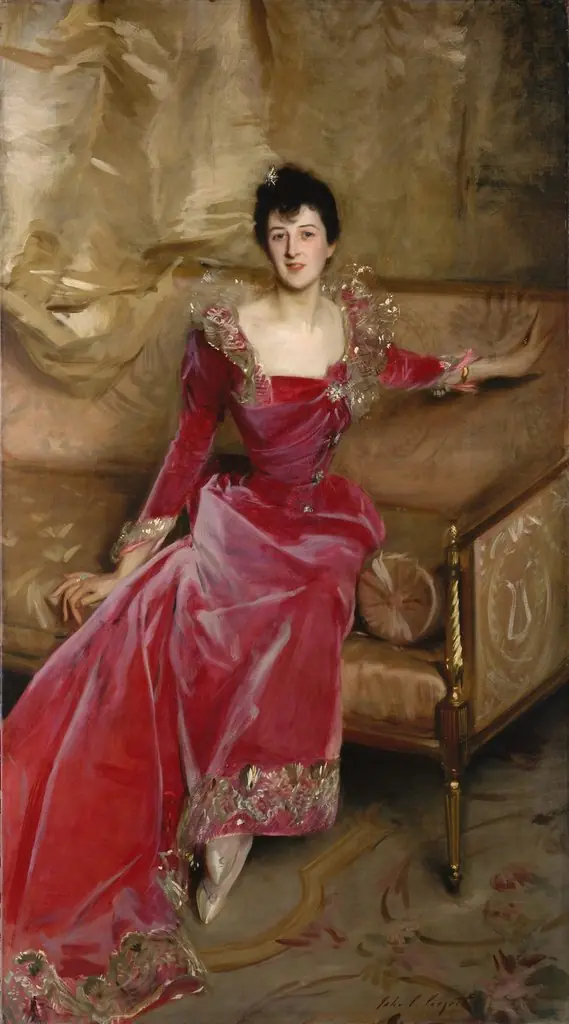
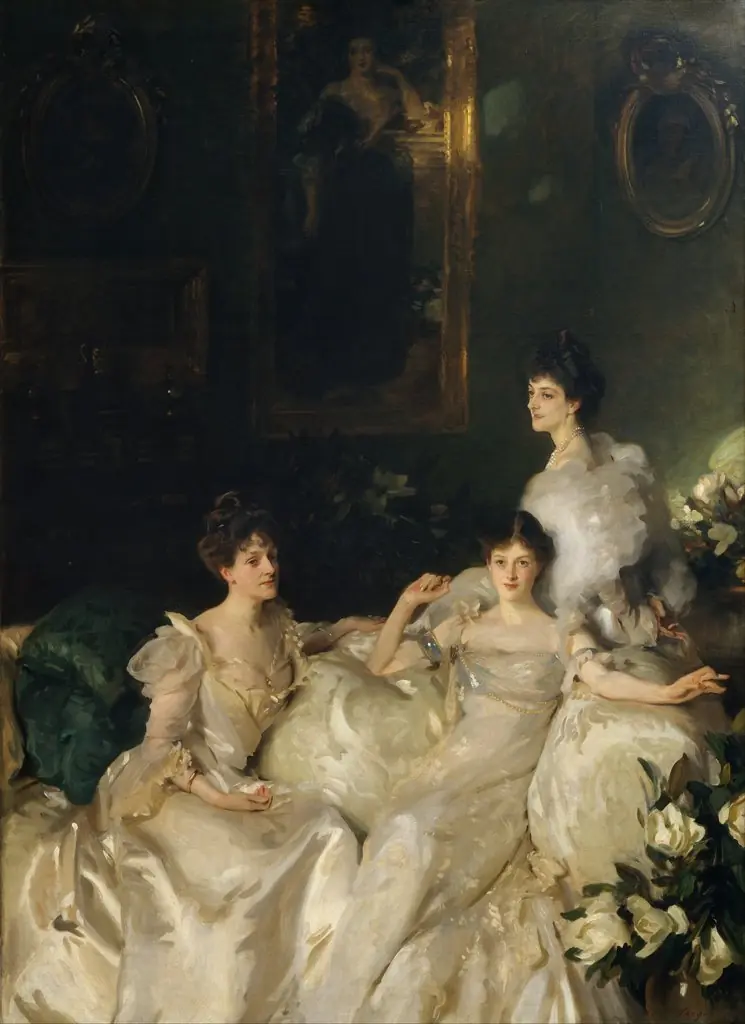
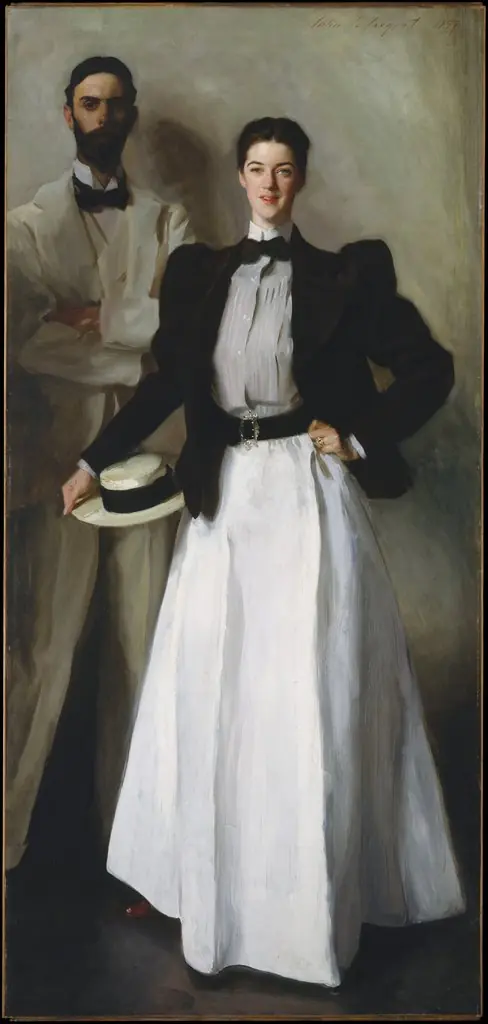
John Singer Sargent (; January 12, 1856 – April 15, 1925) was an American expatriate artist, considered the "leading portrait painter of his generation" for his evocations of Belle Époque and Edwardian-era luxury.