Artwork
Mrs. Charles Gifford Dyer (Mary Anthony)
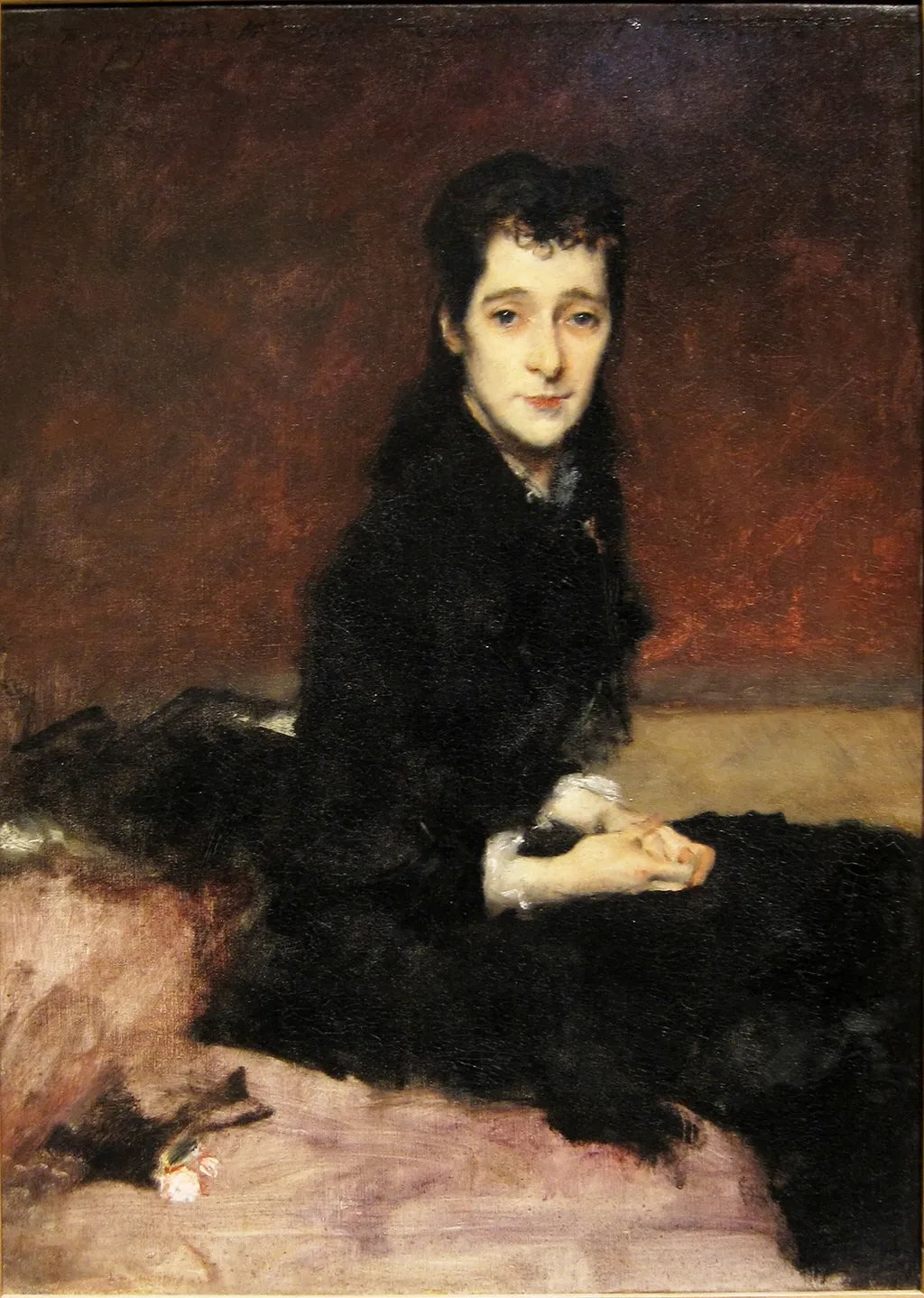
Mrs. Charles Gifford Dyer (Mary Anthony) is an oil painting by the Impressionist artist John Singer Sargent. It dates from 1890 and is held in the collection of the Art Institute of Chicago.
About this work
To learn more about the artist's use of chiaroscuro, explore his other works at the Art Institute of Chicago.
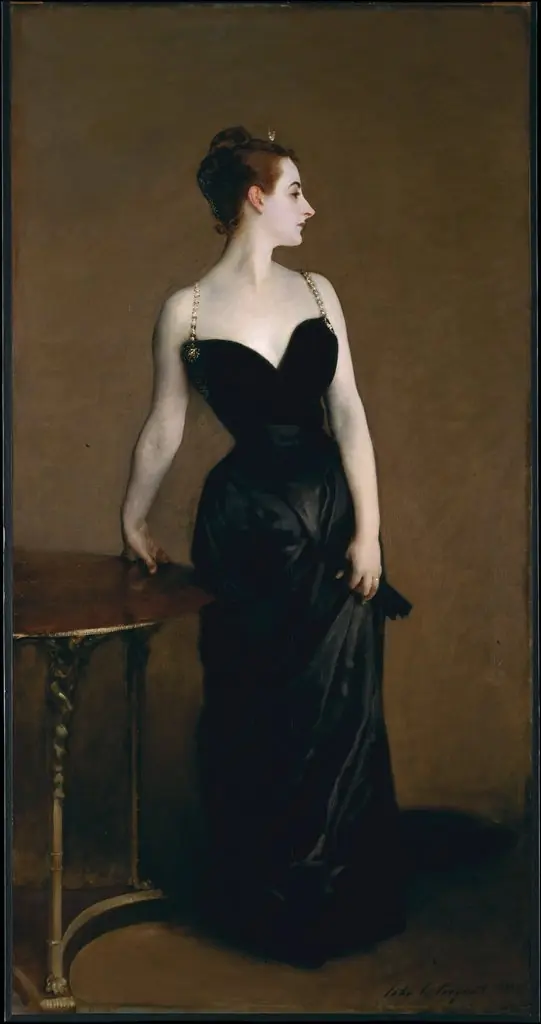
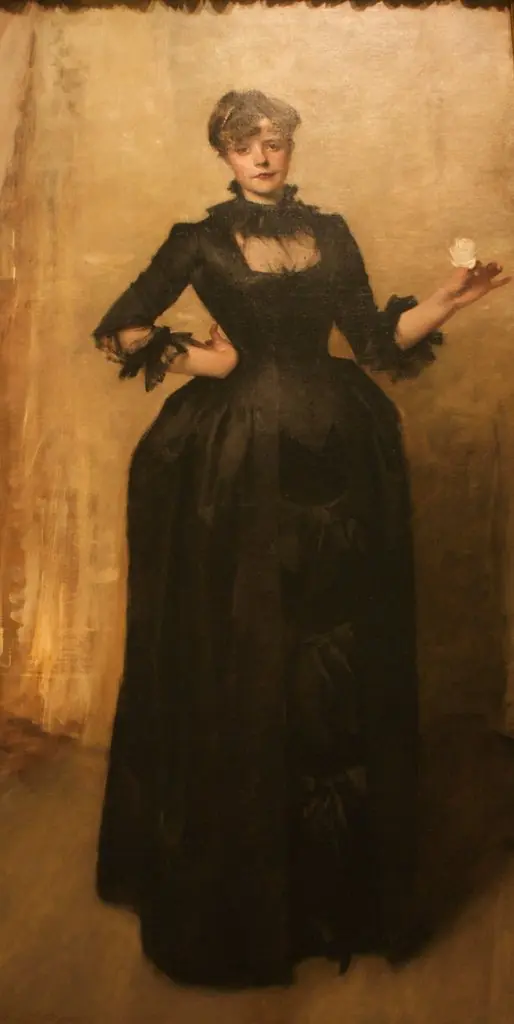
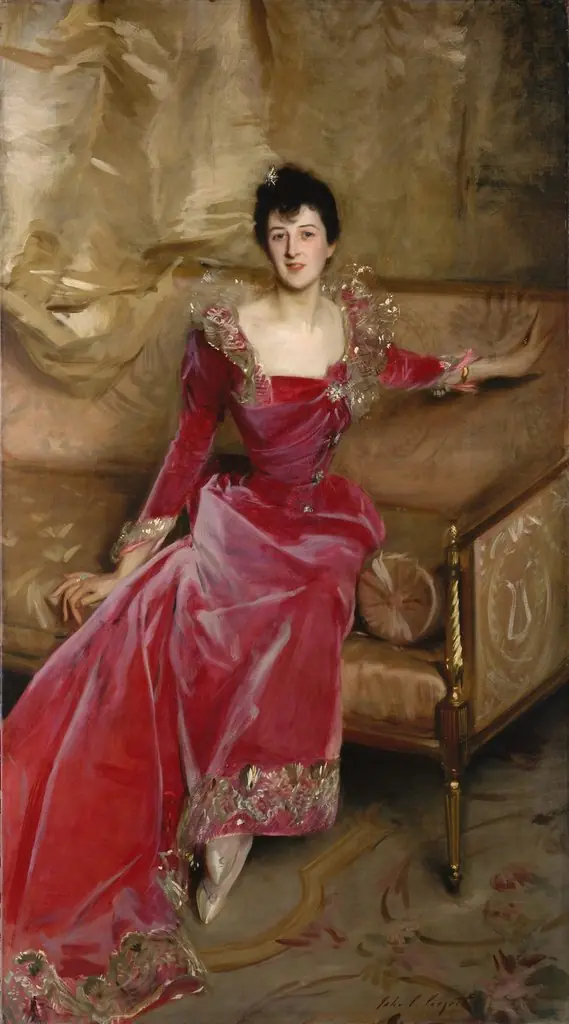
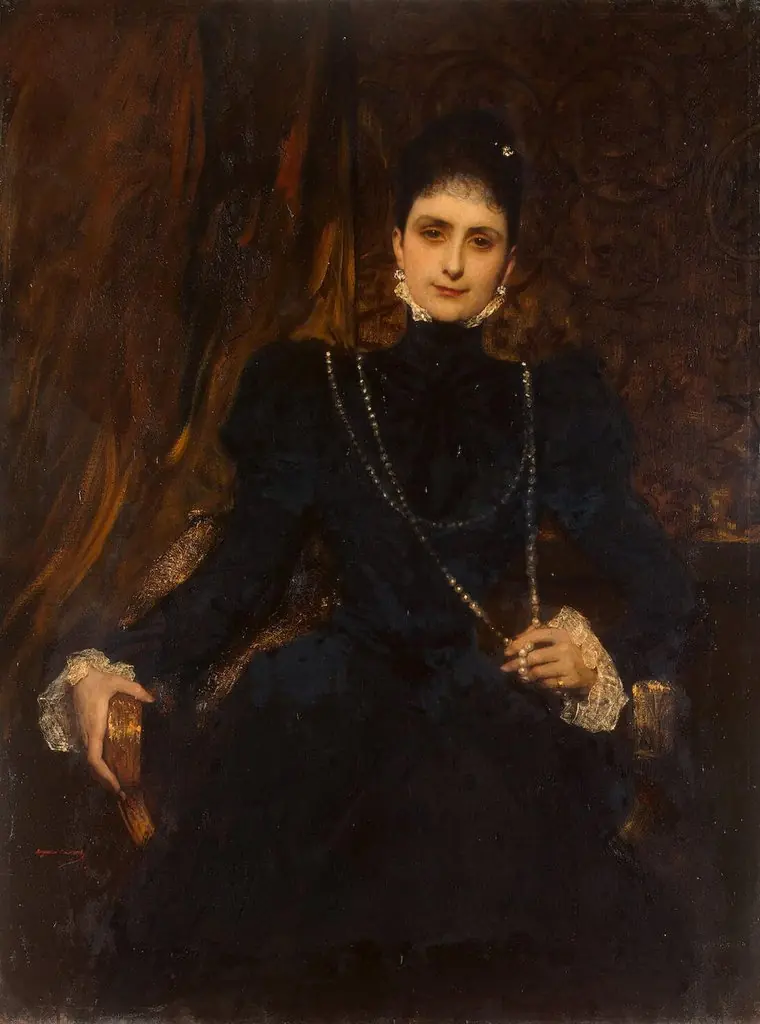
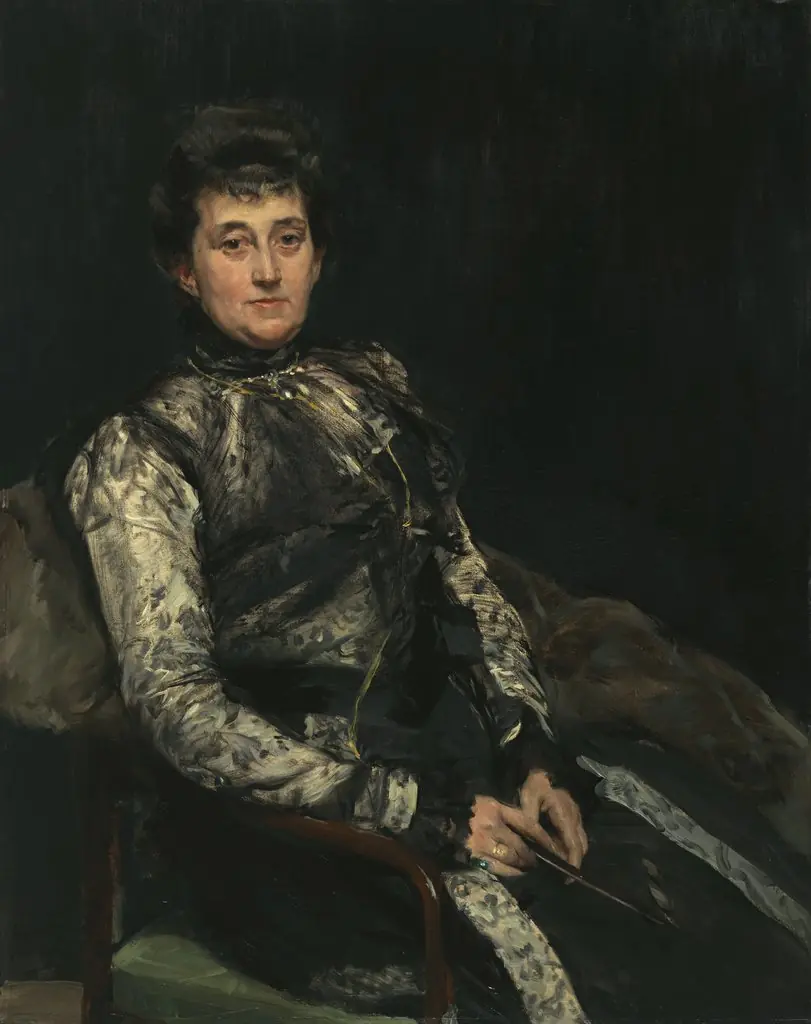
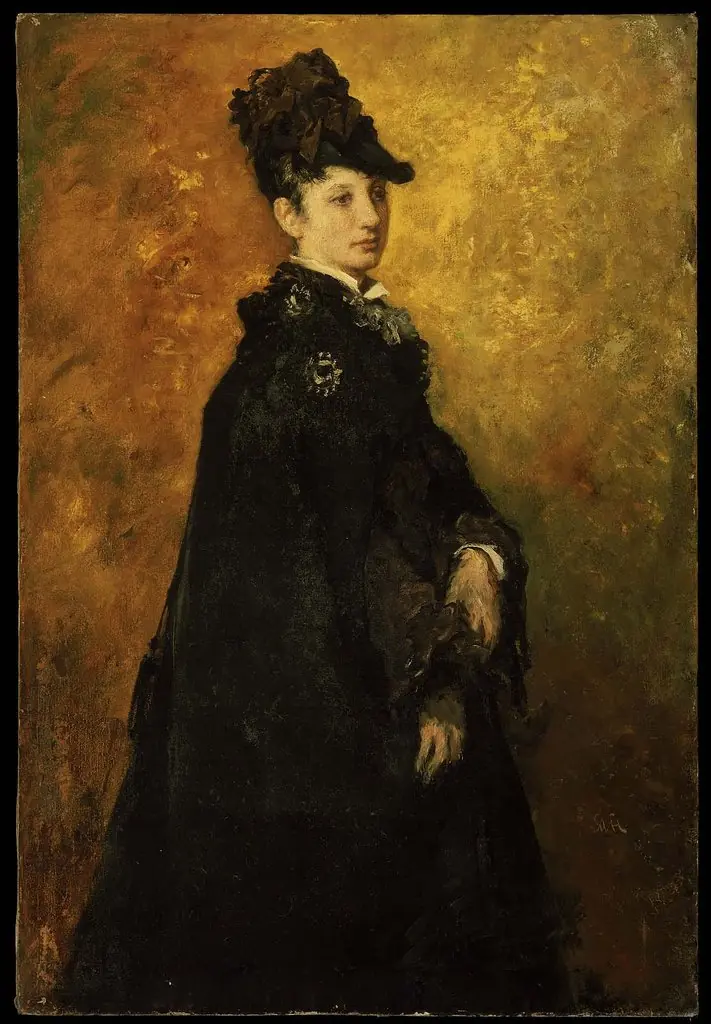
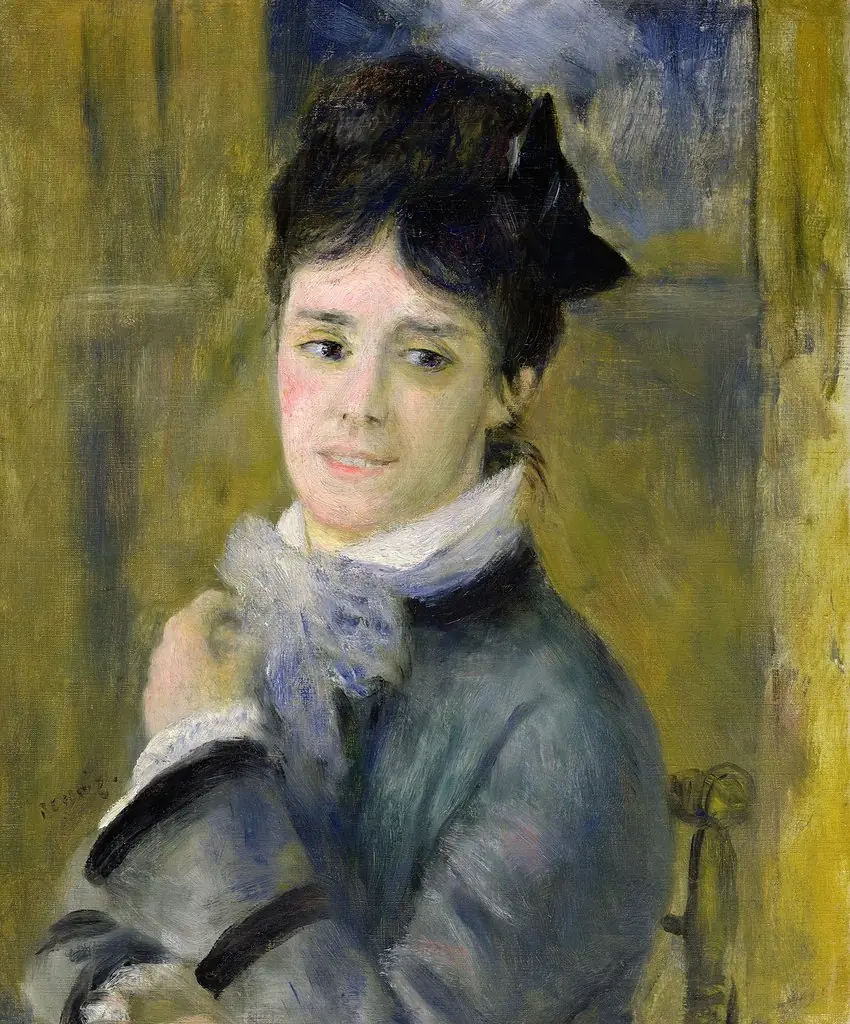
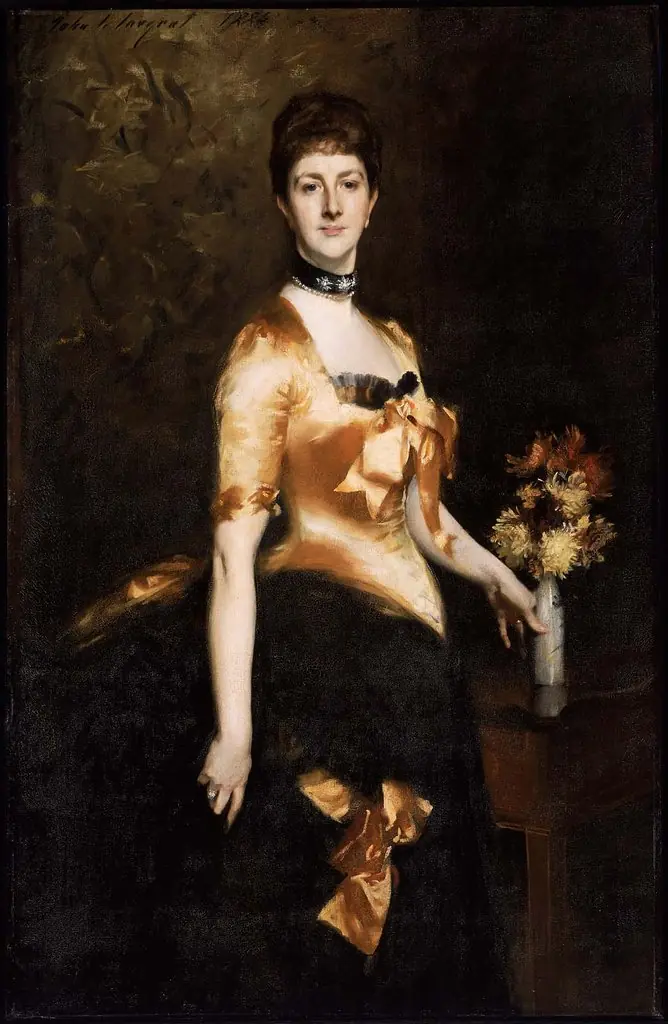
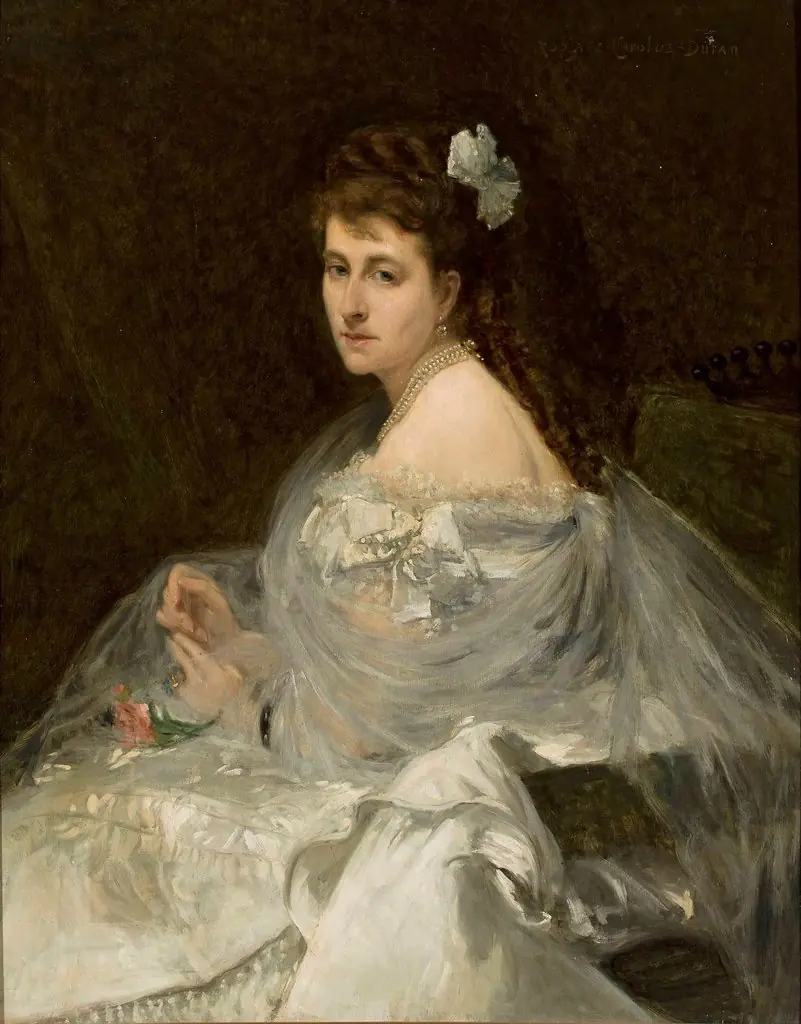
The painting is a portrait of a woman, Mrs. Charles Gifford Dyer (Mary Anthony), seated in a black dress with a white cuff visible at her wrist. Her dark hair is pulled back, and she gazes directly at the viewer. The background is a warm, dark brown color.
The woman's expression is calm and introspective, and her posture conveys a sense of quiet confidence. The artist has used bold brushstrokes to capture the texture of her dress and the folds of the fabric.
The painting is a beautiful example of a portrait from the late 19th century. To learn more about the artist's use of chiaroscuro, explore his other works at the Art Institute of Chicago.
Overview
Painted in 1890 by John Singer Sargent, this portrait depicts Mary Anthony, wife of Charles Gifford Dyer. Executed in oil on canvas, the work exemplifies Sargent’s refined approach to capturing the quiet dignity of upper-class women during the Belle Époque. Though American by birth, Sargent worked primarily in Europe, where his training in Florence and Paris shaped his technical fluency and compositional sensibility.
Subject & Meaning
Mary Anthony is portrayed seated, dressed in a dark gown with a crisp white cuff at her wrist. Her gaze meets the viewer directly, conveying composure and self-possession. The absence of ornate surroundings or symbolic props shifts focus to her presence alone, suggesting an emphasis on inner character rather than social status. Her stillness and direct eye contact evoke a sense of quiet authority, typical of Sargent’s psychological depth in portraiture.
Technique & Style
Sargent employed loose, confident brushwork to render the texture of the dress, balancing detail with spontaneity. The dark, warm background isolates the figure, enhancing the play of light across her form. Subtle shifts in tone, rather than sharp outlines, define her silhouette, reflecting influences from both academic training and emerging Impressionist methods. His handling of fabric and light demonstrates a mastery of atmospheric modeling without overt chiaroscuro dramatization.
History & Provenance
The painting was completed during Sargent’s mature period in London, where he was the preferred portraitist of Anglo-American elites. It remained in the Dyer family until acquired by the Art Institute of Chicago in the 20th century. Its inclusion in the museum’s collection reflects its significance as a representative work of transatlantic high society portraiture from the late 19th century.
Context
Created during a time when portraiture was evolving under the influence of photography and Impressionism, Sargent’s work navigated between tradition and innovation. While his subjects were often aristocrats, his technique embraced immediacy and brush vitality. This portrait aligns with broader trends in European and American art that valued psychological presence over ceremonial formality.
Legacy
The portrait endures as a testament to Sargent’s ability to merge elegance with psychological nuance. It exemplifies how portraiture could transcend mere likeness to suggest character through posture, gaze, and brushwork. Though not widely exhibited, its presence in the Art Institute of Chicago ensures continued study among scholars of late 19th-century visual culture.
Artist & collection
Artist
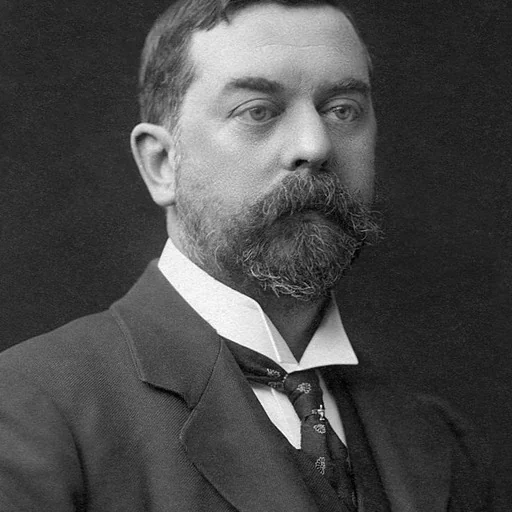
John Singer Sargent (; January 12, 1856 – April 15, 1925) was an American expatriate artist, considered the "leading portrait painter of his generation" for his evocations of Belle Époque and Edwardian-era luxury.