Artwork
Portretul Doamnei Grant
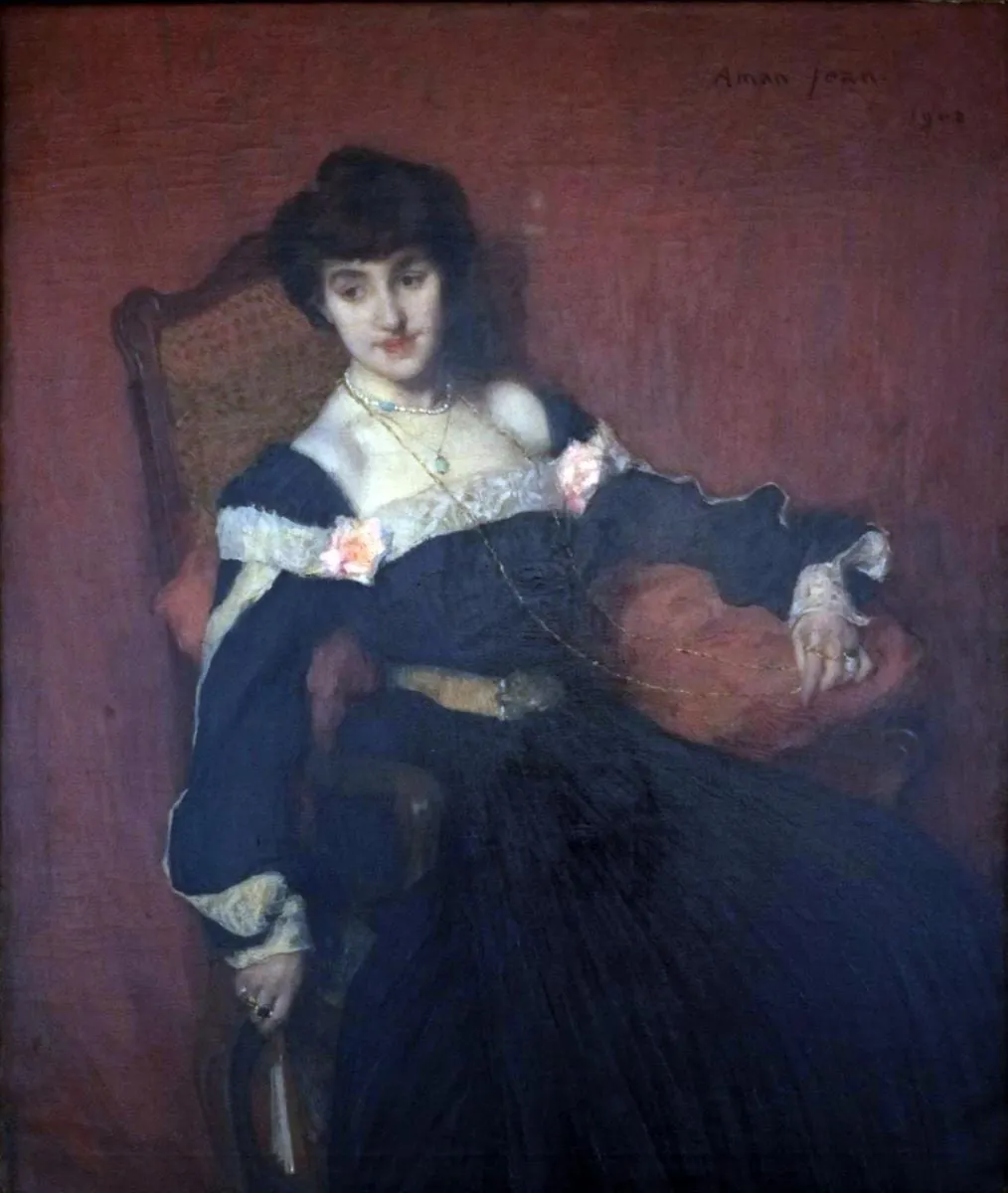
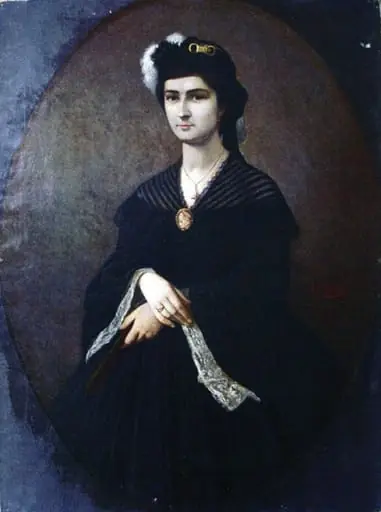
Portretul Doamnei Grant is an unspecified painting by Edmond Aman-Jean. It dates from 1902 and is held in the collection of the National Museum of Art of Romania.
About this work
Overview
The composition centers on her stillness, with soft lighting and a restrained palette emphasizing the quiet dignity of the subject.
Painted in 1902 by Edmond Aman-Jean, this portrait captures a woman in a seated pose, rendered with a focus on texture and tone rather than precise facial detail. The composition centers on her stillness, with soft lighting and a restrained palette emphasizing the quiet dignity of the subject. The blurred features suggest an intentional departure from literal representation, inviting contemplation over identification.
Subject & Meaning
The identity of the sitter remains unconfirmed, though the title references 'Doamna Grant,' possibly indicating a woman of social standing. Her composed posture, elegant attire, and jewelry convey refinement, yet the absence of clear facial expression resists narrative closure. The painting evokes introspection rather than biography, prioritizing atmosphere over personal revelation.
Technique & Style
Aman-Jean employs chiaroscuro to model form subtly, guiding attention to the hands and the curve of the shoulder. The dark blue dress contrasts with the muted red background, enhancing volume without harsh lines. Lace and jewelry are rendered with delicate brushwork, while the face dissolves into soft gradations, reflecting a preference for mood over realism characteristic of late Symbolist portraiture.
History & Provenance
The painting was completed in 1902 during Aman-Jean’s mature period, when he increasingly favored intimate, atmospheric portraits. Its early ownership is undocumented, but it entered public collections in the 20th century. No significant exhibitions or scholarly debates have surrounded it, suggesting it was appreciated more for its aesthetic qualities than its historical significance.
Context
Created in the early 20th century, the work aligns with a broader European trend toward psychological depth in portraiture, away from rigid formalism. Aman-Jean, influenced by academic traditions yet drawn to Symbolist sensibilities, balanced technical precision with emotional ambiguity. This portrait reflects a moment when artists sought to convey inner life through tone and gesture rather than likeness.
Legacy
Though not widely reproduced or studied, the portrait exemplifies Aman-Jean’s quieter, more introspective phase. It stands as a quiet counterpoint to the bold modernisms emerging around 1900, preserving a moment where tradition and suggestion coexisted. Its enduring presence in collections reflects a continued interest in restrained, emotionally nuanced portraiture.
Artist & collection
Artist
Edmond Aman-Jean painted portraits and scenes of quiet moments in early 1900s France.

 Femeie în fotoliu
 Standing lady
 Portret de femeie
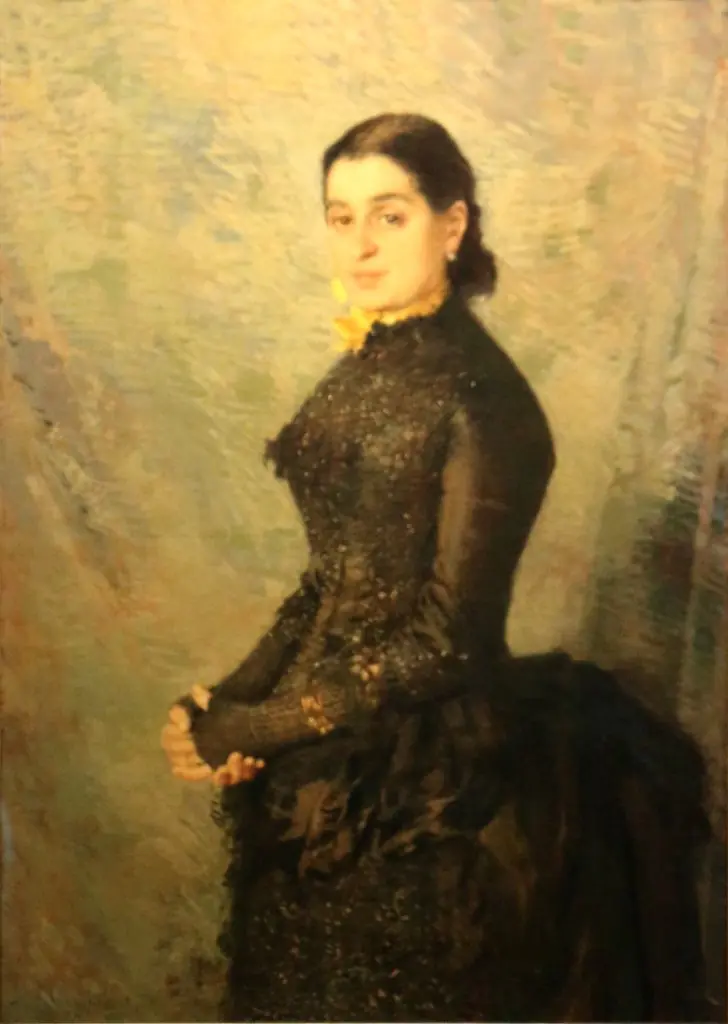 portrait of Mrs Wiener
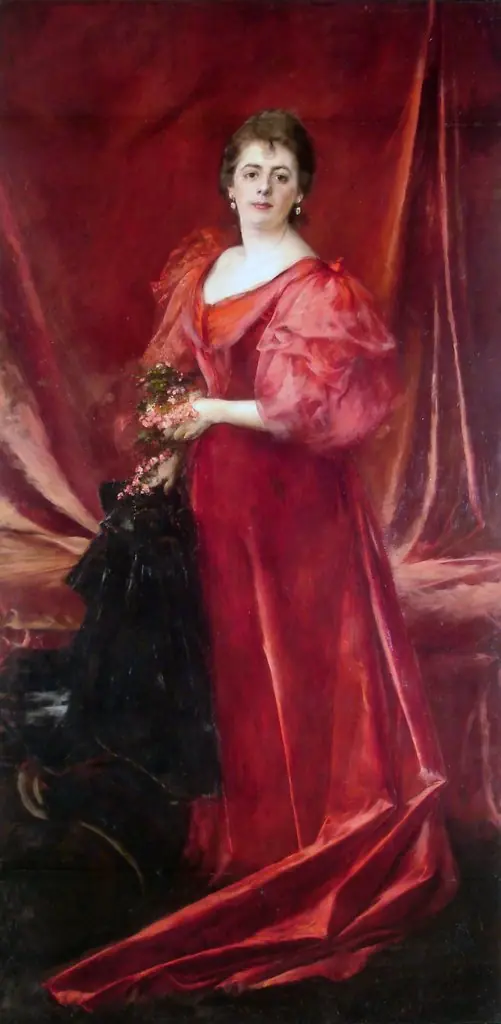 Retrato de la Sra. Maria de la Cárcova de Ferrari
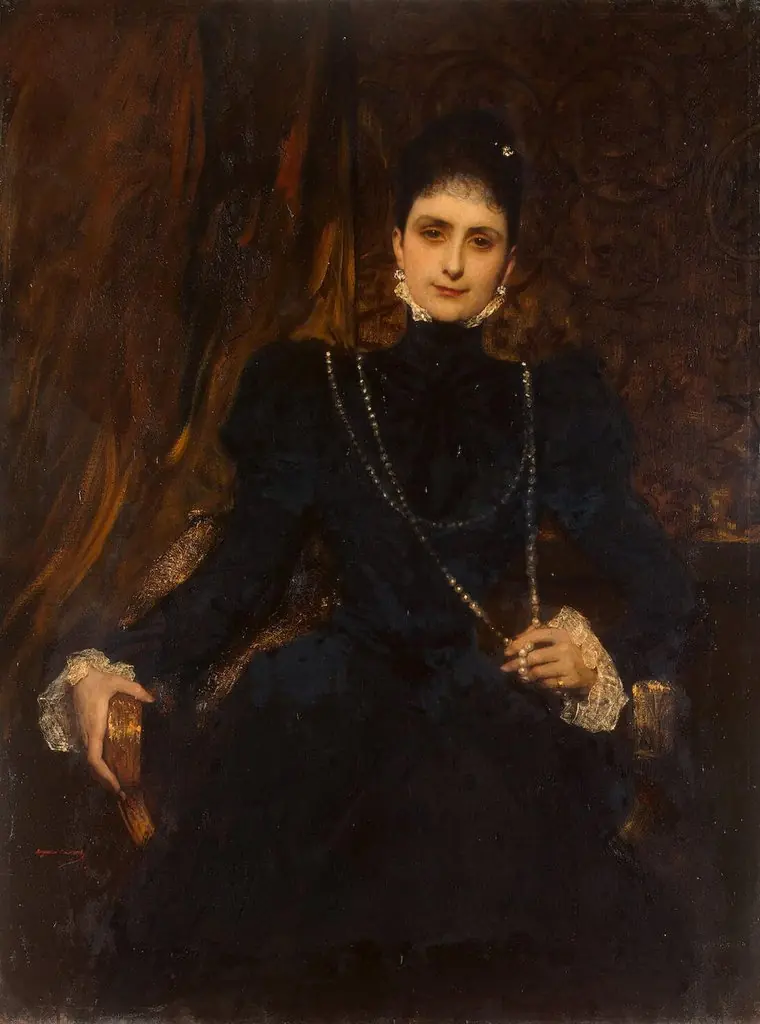 Portrait of Marina Derviz
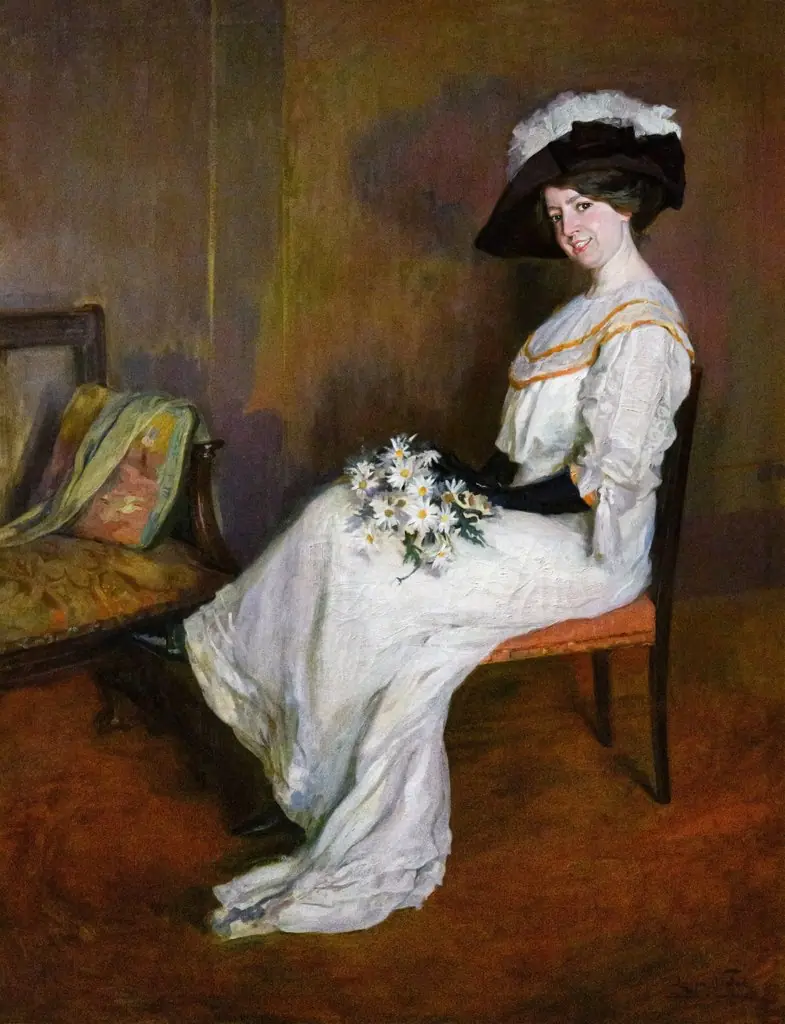 Portrait of Marta Vidal Puig
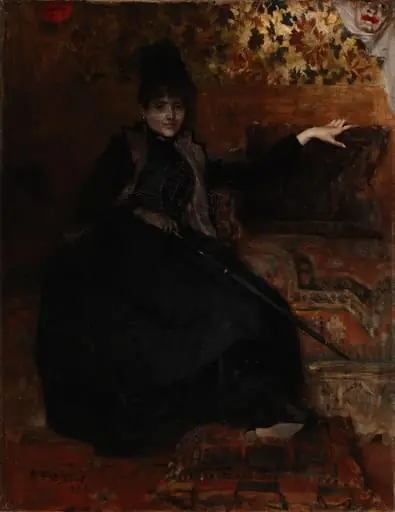 Istuva mustapukuinen nainen, "Thérèse noire"
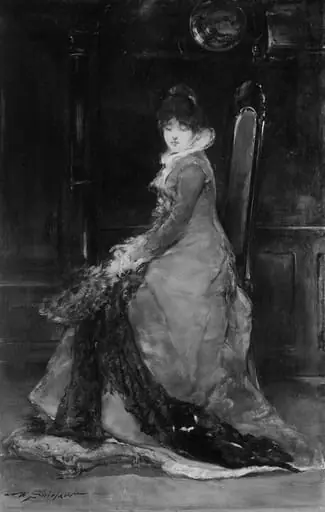 In Mischief
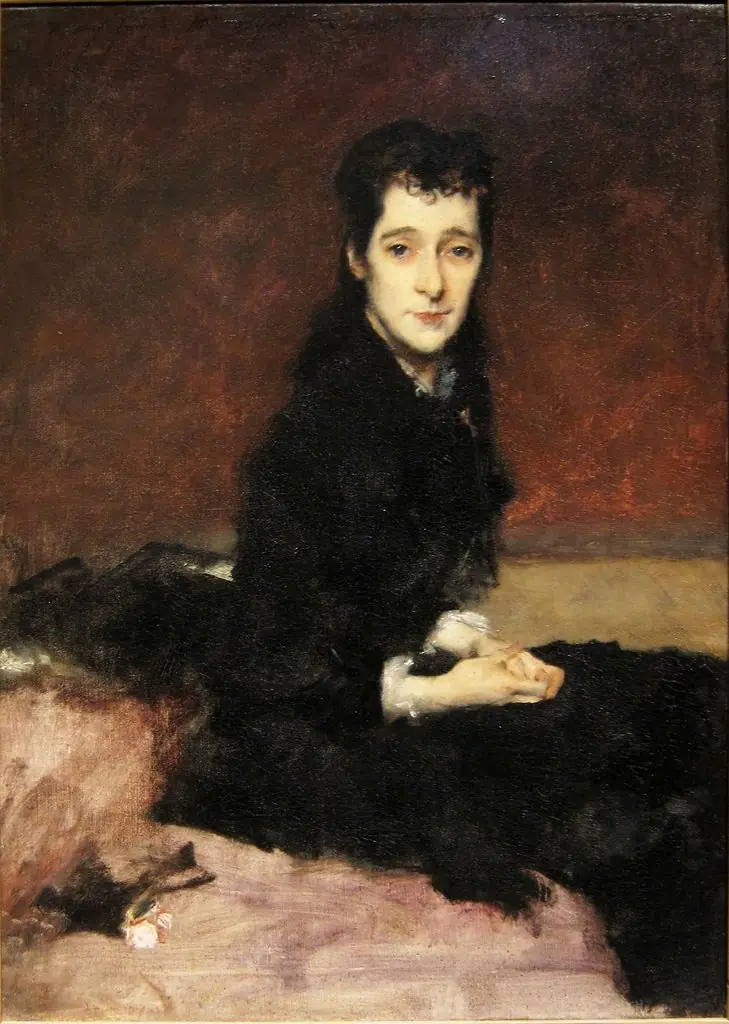 Mrs. Charles Gifford Dyer (Mary Anthony)
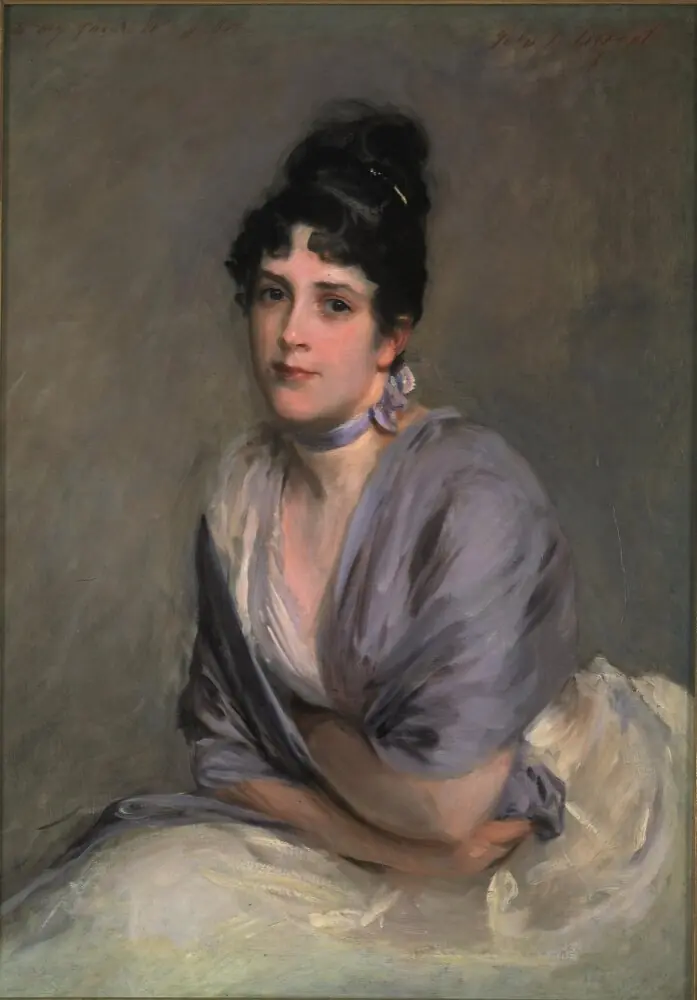 Mrs Frank Millet (Elizabeth Merrill)
 Portretul doamnei Vornițache