Artwork
Portrait of Woodrow Wilson (1856-1924), American President
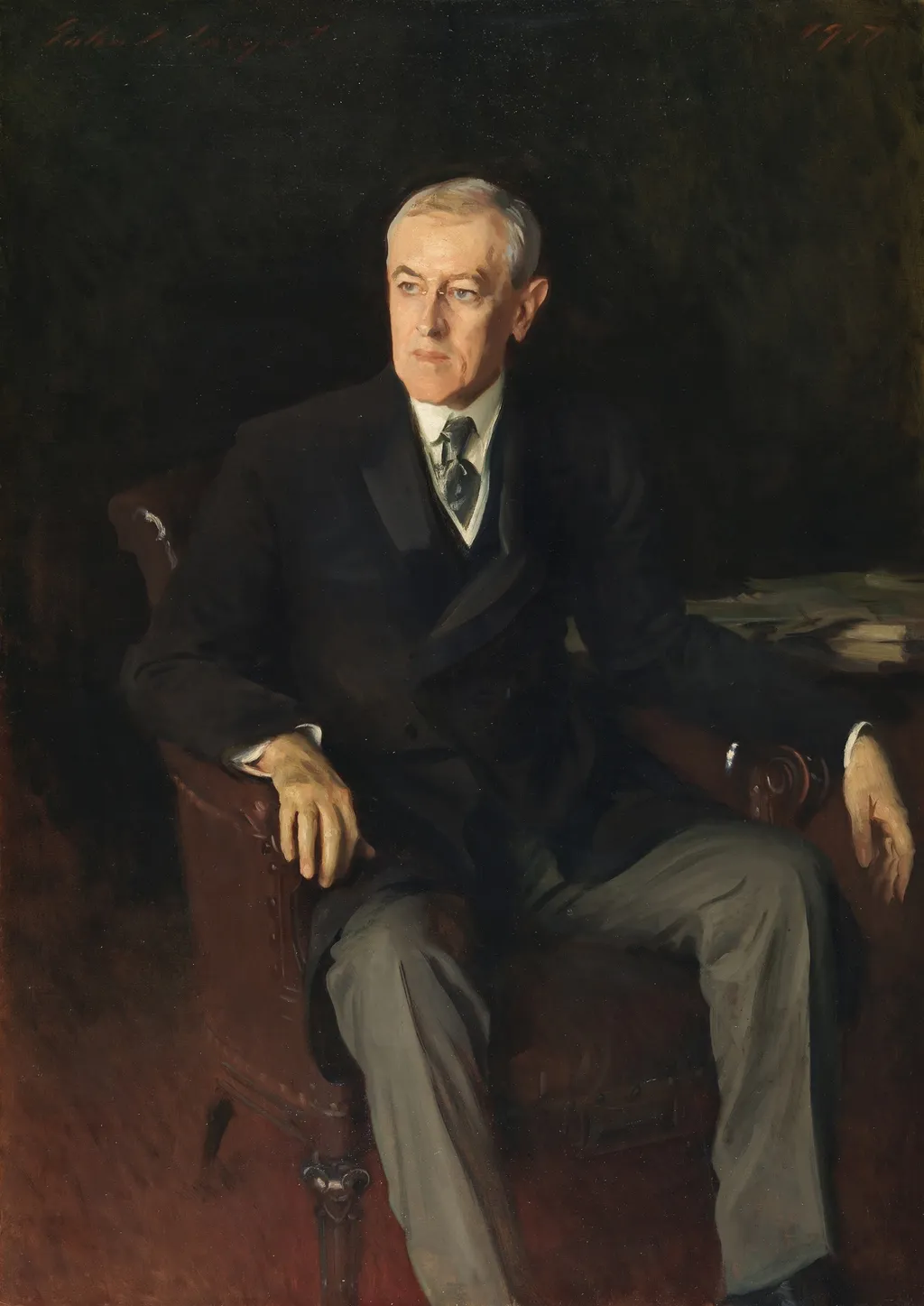
Portrait of Woodrow Wilson (1856-1924), American President is an oil painting by the Impressionist artist John Singer Sargent. It dates from 1917 and is held in the collection of the National Gallery of Ireland.
About this work
Overview
Portrait of Woodrow Wilson (1917) is an oil painting by John Singer Sargent, depicting the 28th President of the United States in a contemplative pose. The work is characterized by Sargent's Impressionist style and masterful use of chiaroscuro.
Subject & Meaning
The subject, Woodrow Wilson, is portrayed with a serious, slightly frowning expression, conveying a sense of introspection. Seated in a dark suit and tie, his hands and face are rendered with pronounced light and shadow, emphasizing his emotional state.
Technique & Style
Sargent employed Impressionist techniques in this portrait, notable for its capturing of fleeting light effects. The prominent use of chiaroscuro creates depth, drawing the viewer's attention to Wilson's hands and, particularly, his expressive face.
History & Provenance
Painted in 1917, the portrait is now part of the National Gallery of Ireland's collection. Sargent's extensive European travels and diverse subject matter are reflected in his broad oeuvre of paintings and watercolors.
Context
Created during Wilson's presidency, the portrait captures a moment in the life of a leader navigating the tumultuous period of World War I. Sargent's international perspective as an American expatriate may have influenced his portrayal of the president.
Legacy
As a work by Sargent, the portrait contributes to the artist's legacy as a foremost portraitist of his era. It also serves as a historical record of Wilson, offering insights into the president's personality and the artistic interpretations of his time.
Own this work as a print
Artist & collection
Artist
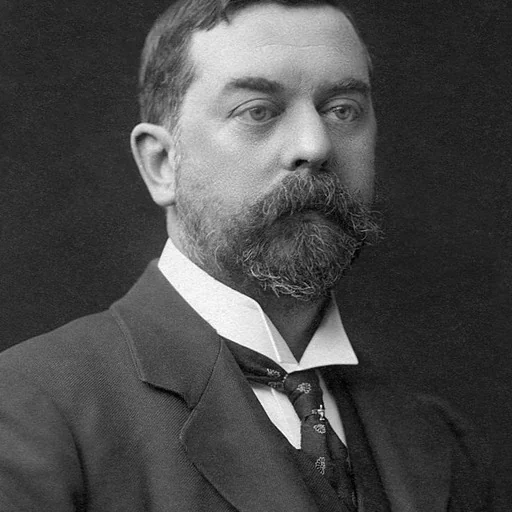
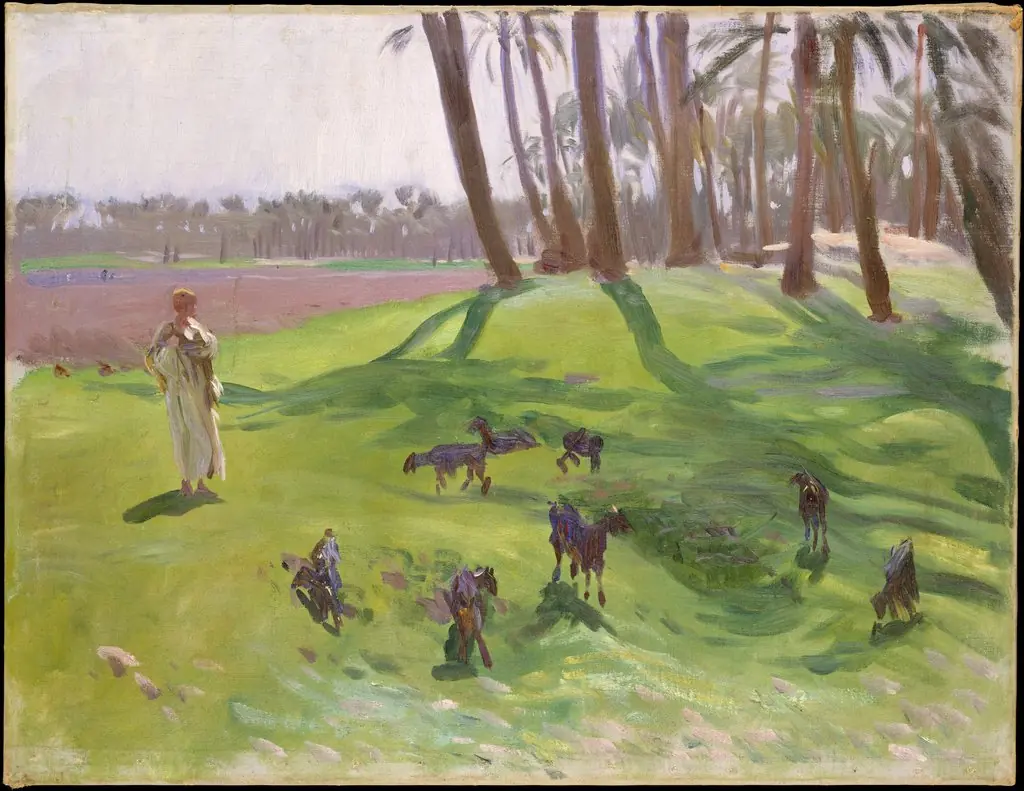
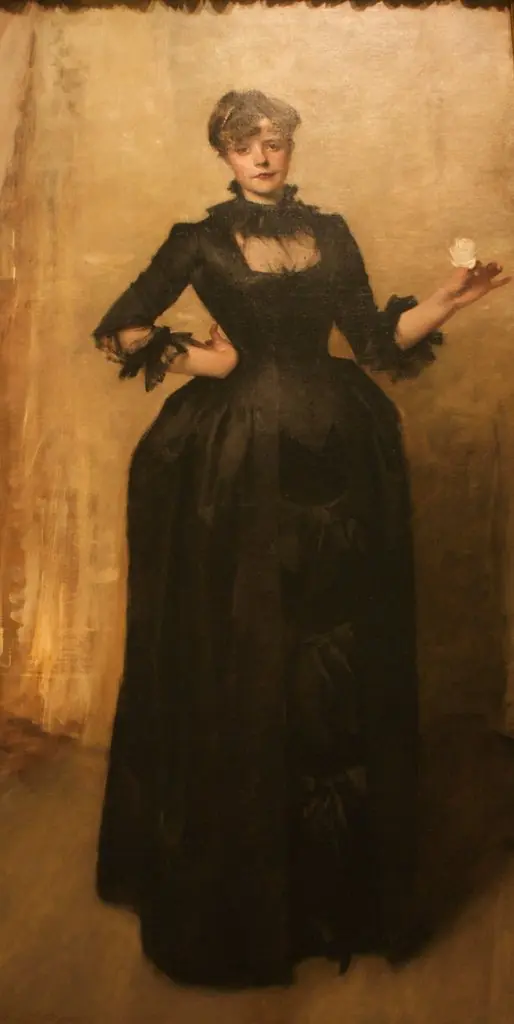
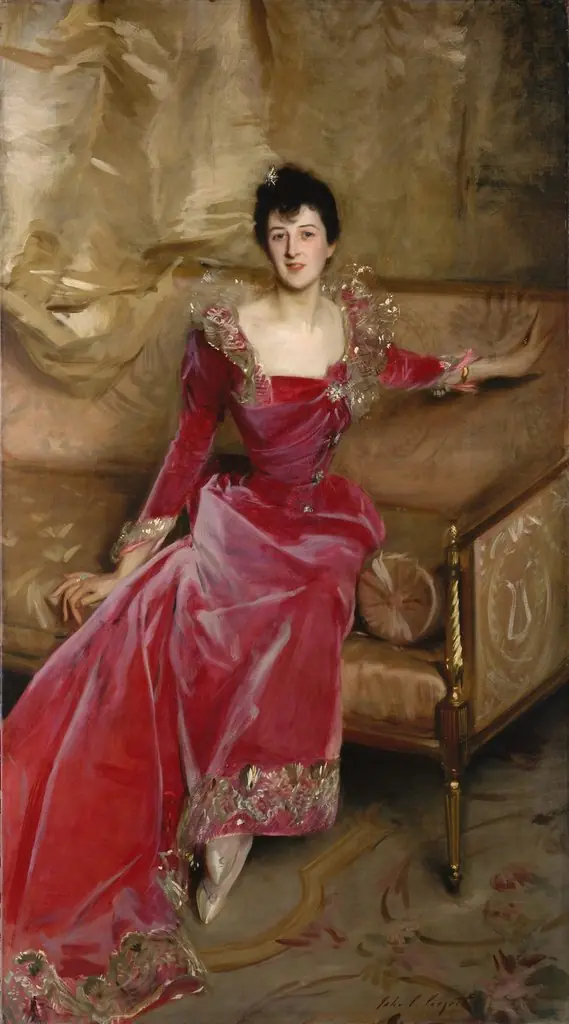
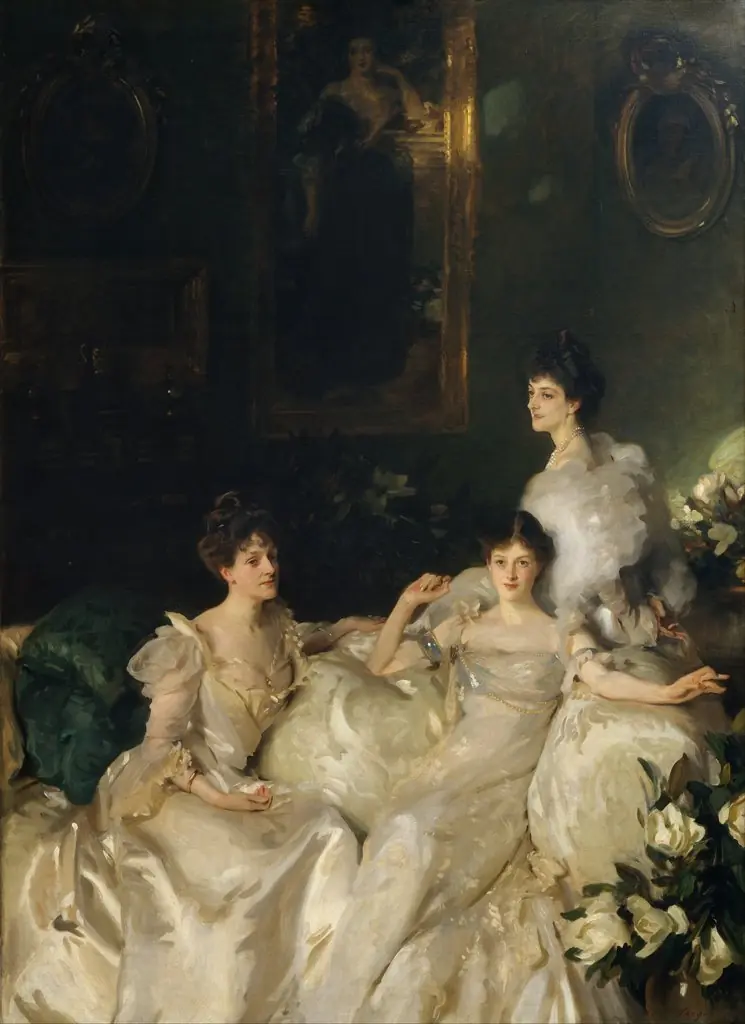
John Singer Sargent (; January 12, 1856 – April 15, 1925) was an American expatriate artist, considered the "leading portrait painter of his generation" for his evocations of Belle Époque and Edwardian-era luxury.

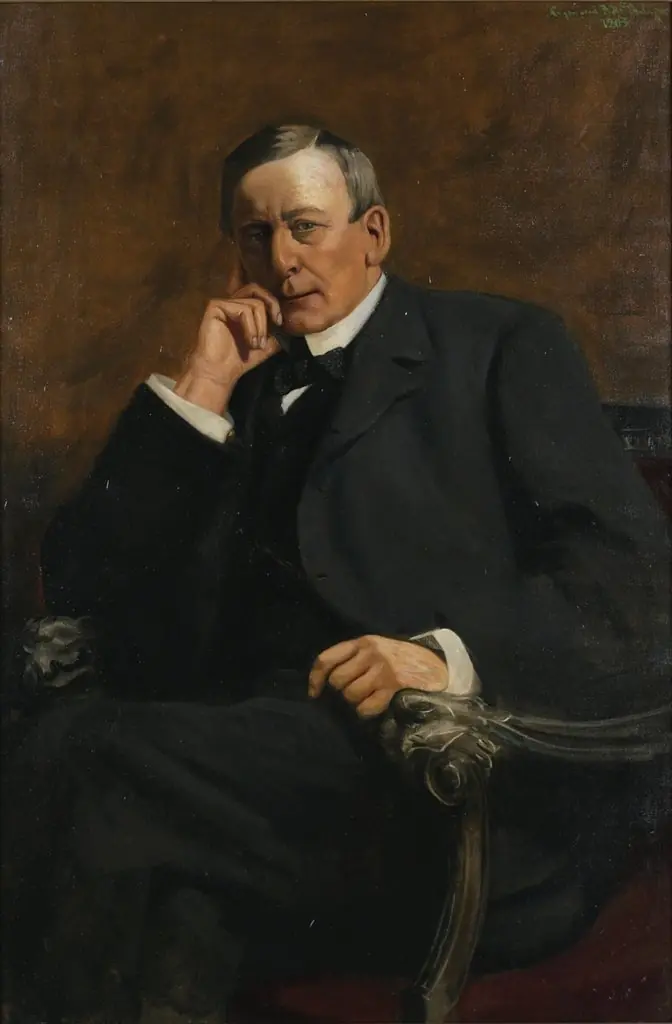 Portrait of William Rolleston
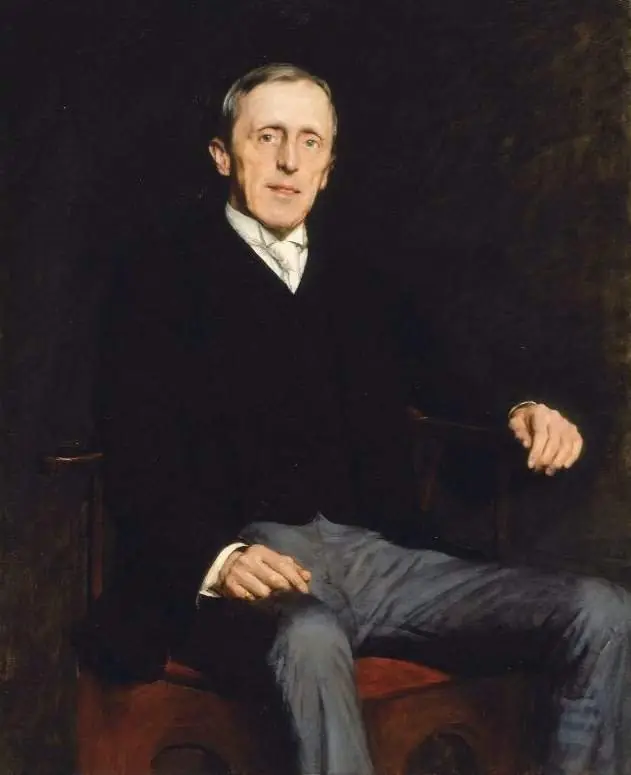 George Augustus Gardner
 György Bernády
 Robert Sterling Clark
 Octavian Goga
 Edward R. Bacon (1846–1915)
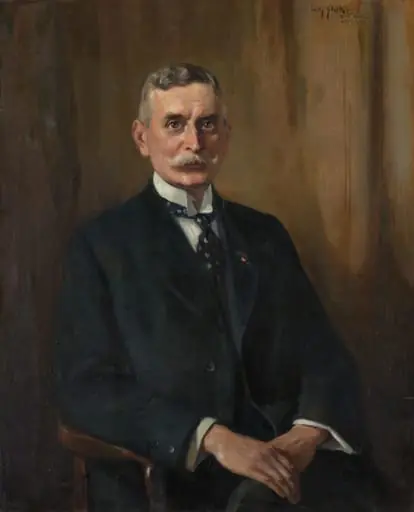 Jacob Christiaan Koningsberger (1867-1951). Chairman of the People's Council (1918-19)
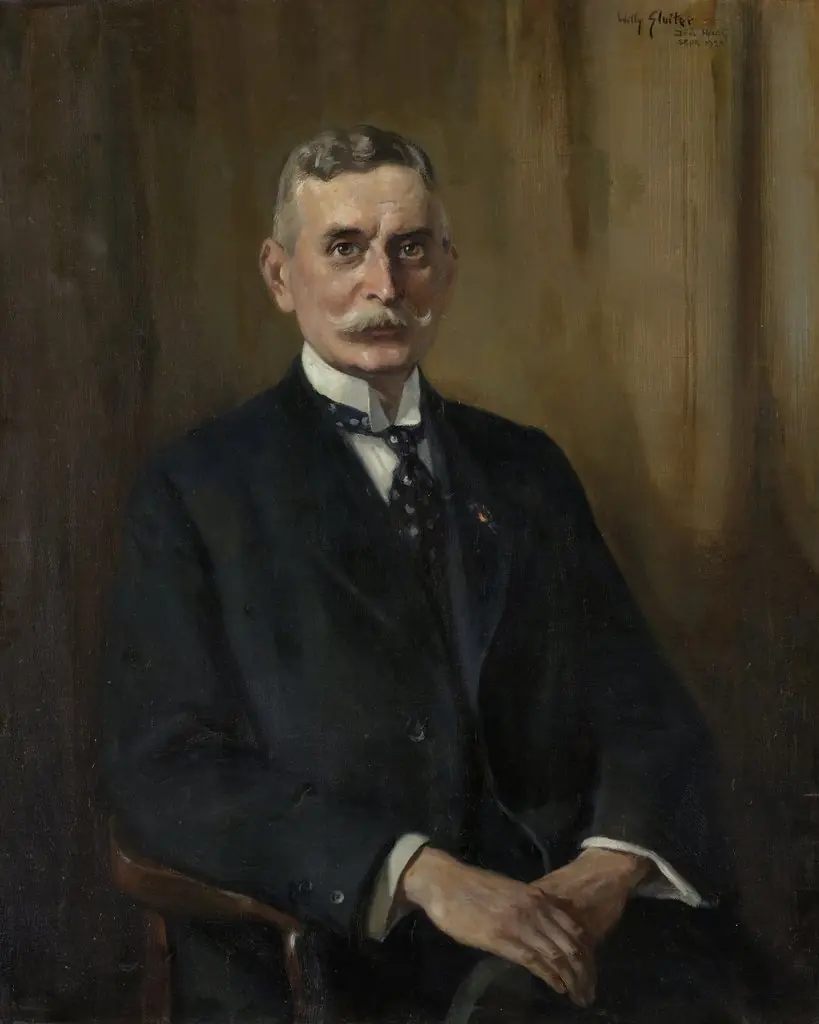 Jacob Christiaan Koningsberger (1867-1951). Chairman of the People's Council (1918-19)
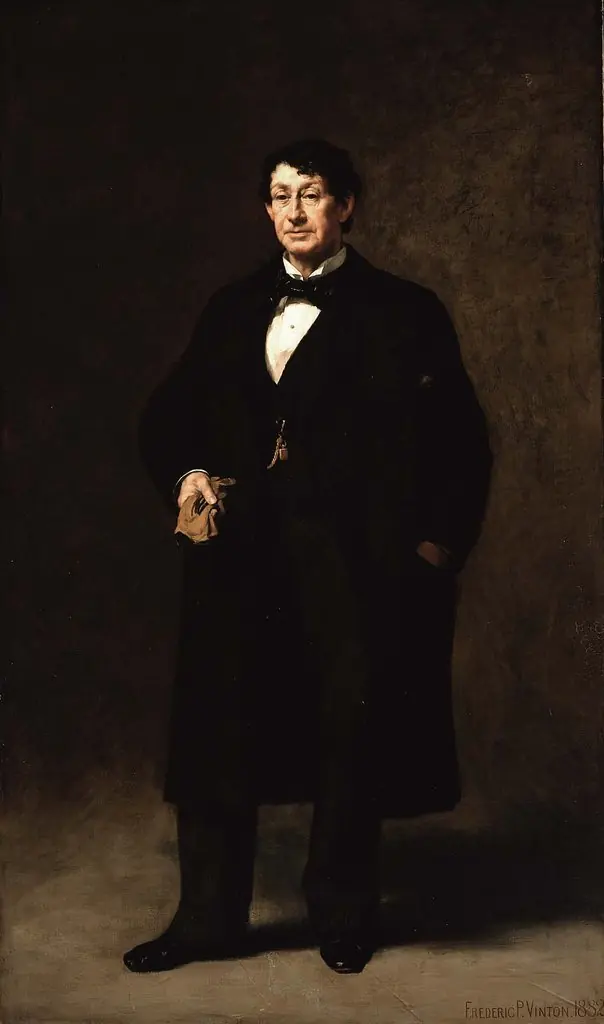 William Warren
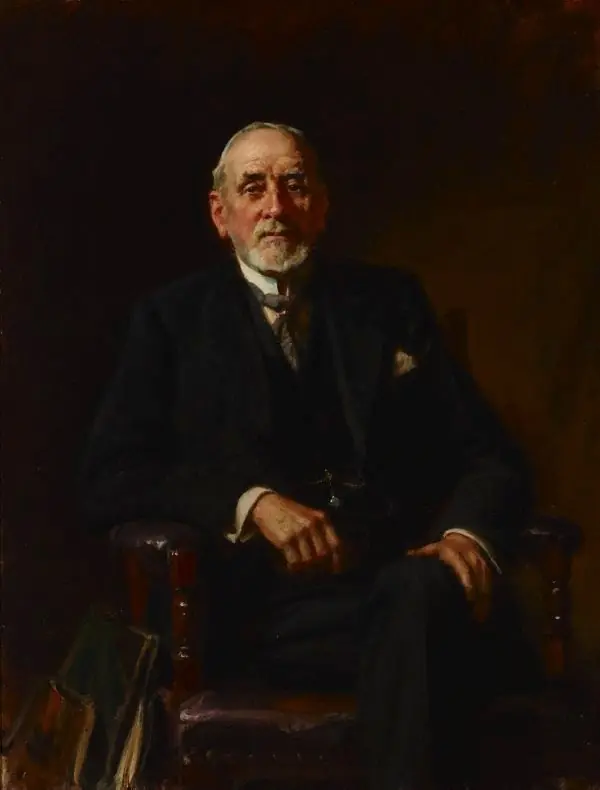 Portrait of Sir John Sulman