Artwork
Sally Fairchild
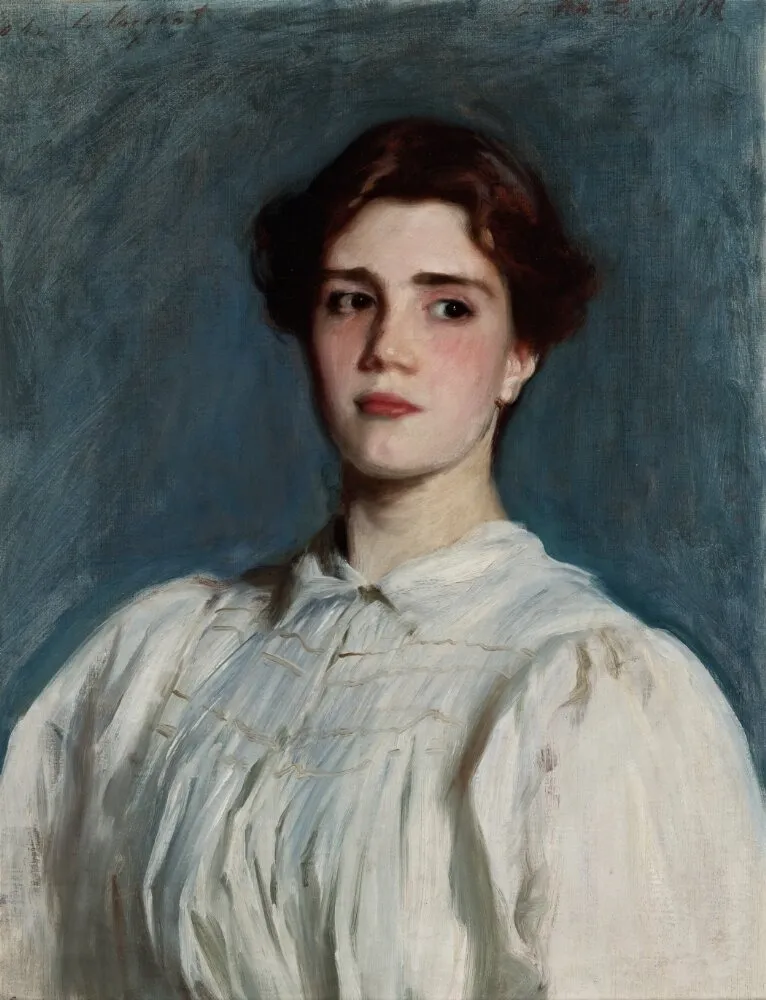
Sally Fairchild is an oil painting by the Impressionist artist John Singer Sargent. It dates from 1894 and is held in the collection of the Cantor Arts Center at Stanford University.
About this work
Overview
This work is part of the Nationalmuseum’s collection in Stockholm, reflecting his international reputation and the mobility of his clientele.
John Singer Sargent painted Sally Fairchild in 1894 using oil on canvas. The portrait captures a young woman in a simple white dress, set against a subdued blue-gray background. Sargent, an American artist raised in Europe, was known for his refined approach to portraiture during the late 19th century. This work is part of the Nationalmuseum’s collection in Stockholm, reflecting his international reputation and the mobility of his clientele.
Subject & Meaning
The sitter, Sally Fairchild, is depicted with a calm, unadorned presence. Her neutral expression and modest attire suggest a quiet dignity rather than theatrical display. The painting avoids overt symbolism, focusing instead on the quiet immediacy of the individual. Sargent’s choice to portray her in everyday clothing, rather than formal wear, signals an interest in authenticity over social performance.
Technique & Style
Sargent employed loose, fluid brushwork to render the fabric of the dress and the soft contours of the face, suggesting texture without excessive detail. Chiaroscuro is used subtly to model form, with light falling gently on the figure against a dimmer background. The palette is restrained, dominated by white, gray, and muted tones, enhancing the portrait’s sense of stillness and intimacy.
History & Provenance
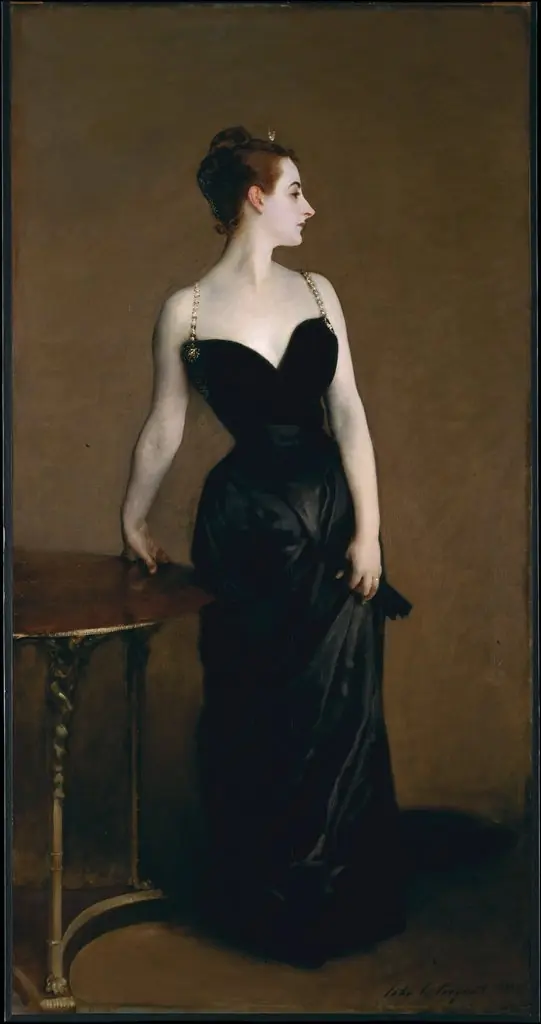
The painting was completed during Sargent’s period of active portraiture in Europe, shortly after his controversial 'Madame X' and before his shift toward larger decorative projects. It entered the Nationalmuseum’s collection in the early 20th century, likely through acquisition or donation. Its presence in Sweden reflects the broader European circulation of American artists’ works during this era.
Context
In the 1890s, Sargent balanced traditional portraiture with emerging modern sensibilities. While not strictly Impressionist, his work absorbed elements of the movement—loose handling, attention to light, and informal composition. Sally Fairchild reflects this hybrid approach, situated between the formality of academic portraiture and the spontaneity favored by avant-garde contemporaries.
Legacy
The portrait remains a quiet example of Sargent’s ability to convey presence without grandeur. It contributes to the understanding of his lesser-known private commissions and his interest in capturing unposed moments. Unlike his more famous society portraits, this work reveals a restrained, introspective side of his practice, appreciated for its understated elegance.
Artist & collection

Artist
John Singer Sargent (; January 12, 1856 – April 15, 1925) was an American expatriate artist, considered the "leading portrait painter of his generation" for his evocations of Belle Époque and Edwardian-era luxury.

Museum
Cantor Arts Center at Stanford University
Continue through works from the same source collection.

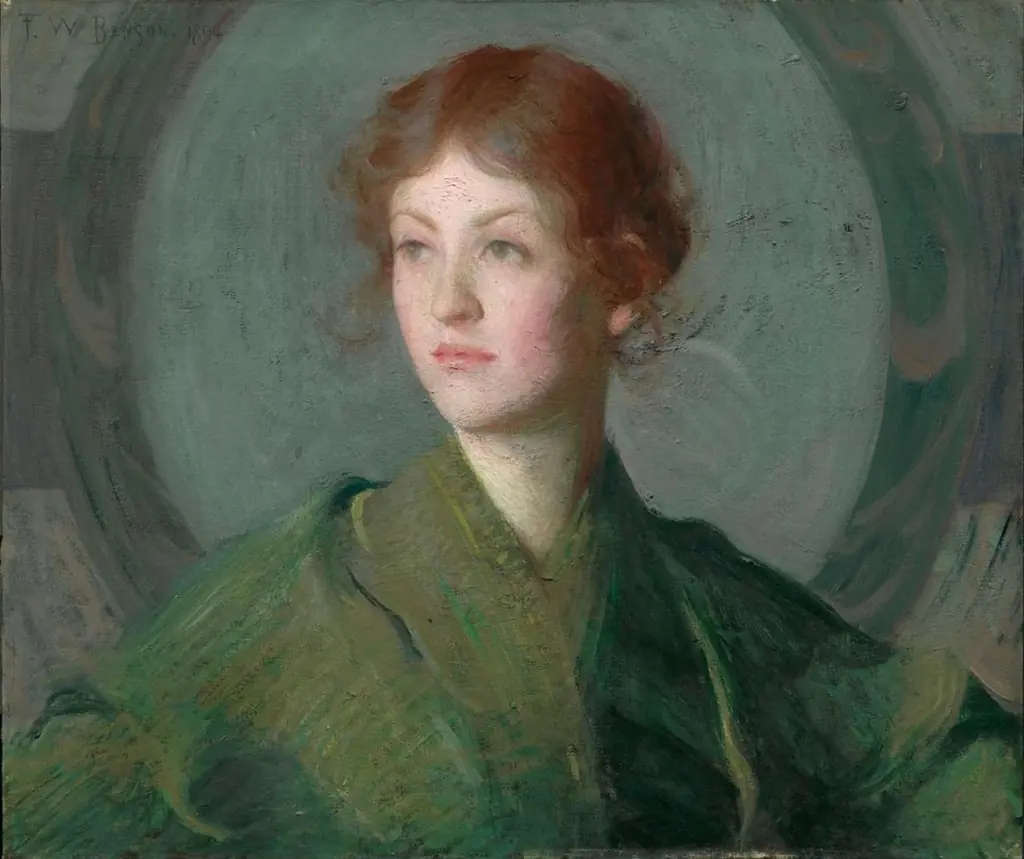 Decorative Head
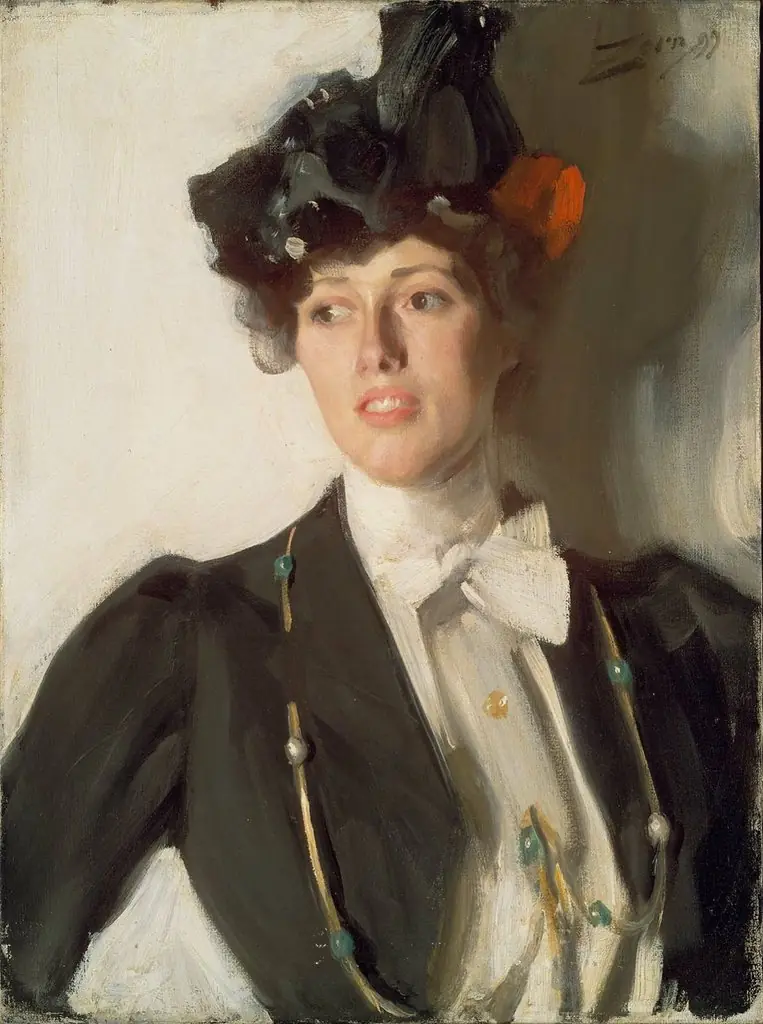 Portrait of Martha Dana
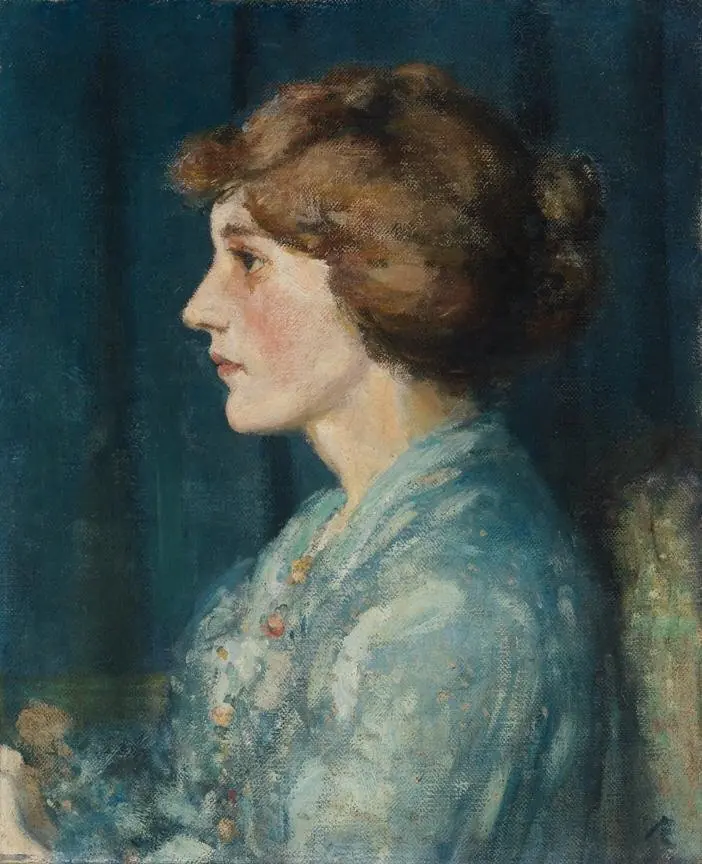 Portrait of Iseult Gonne (Mrs Francis Stuart)
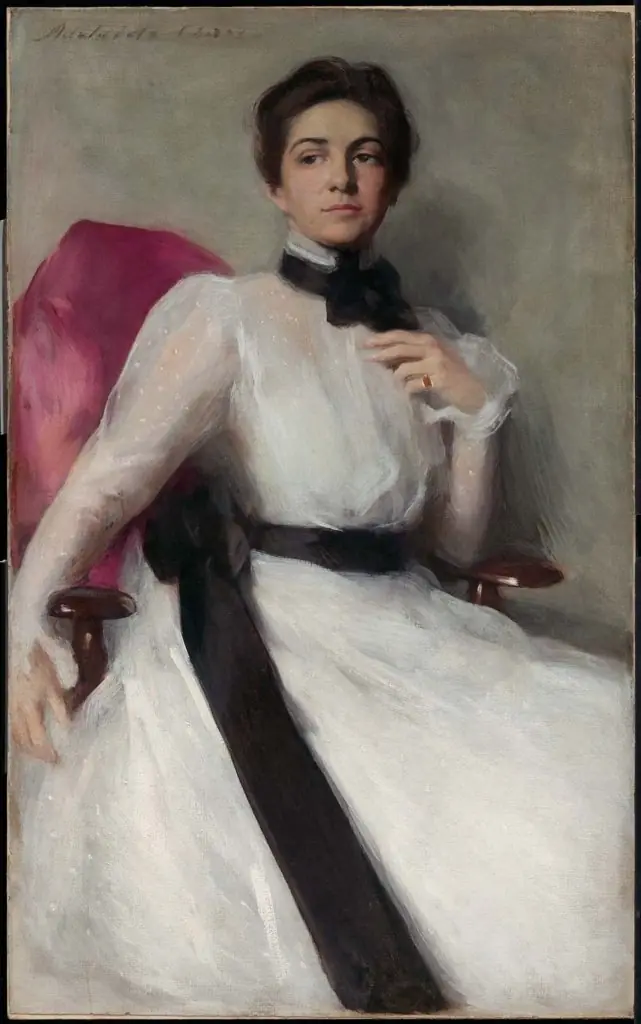 Elizabeth Lawrence Fiske (Mrs. George Hitchcock)
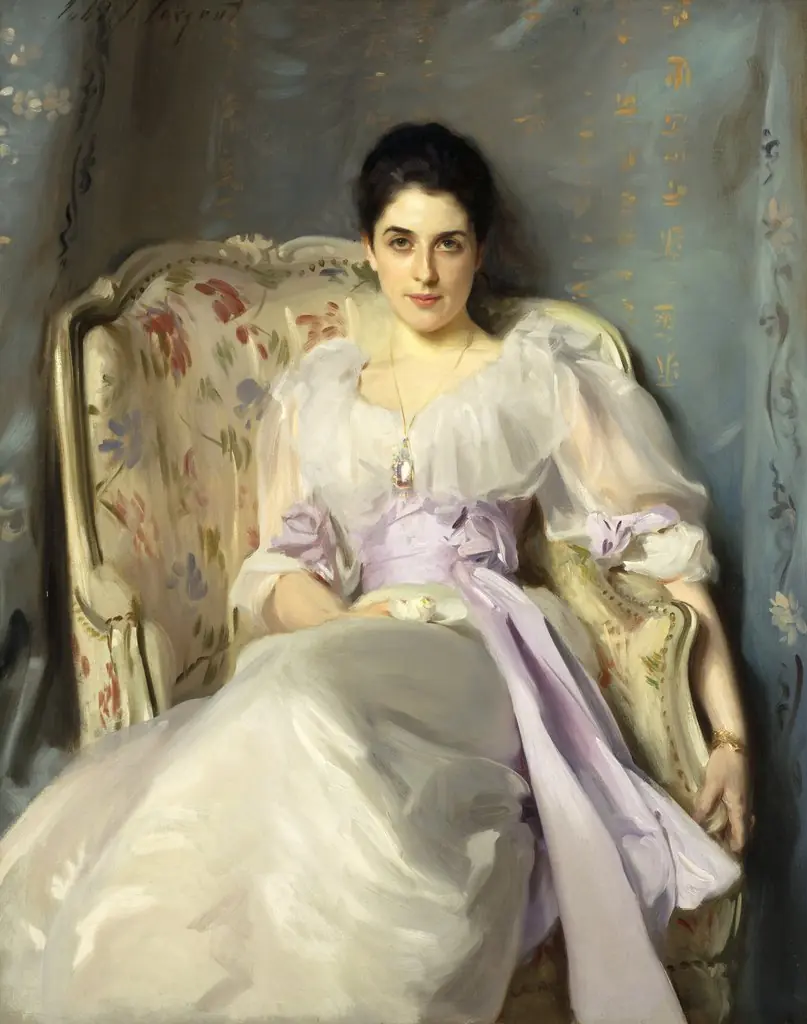 Lady Agnew of Lochnaw
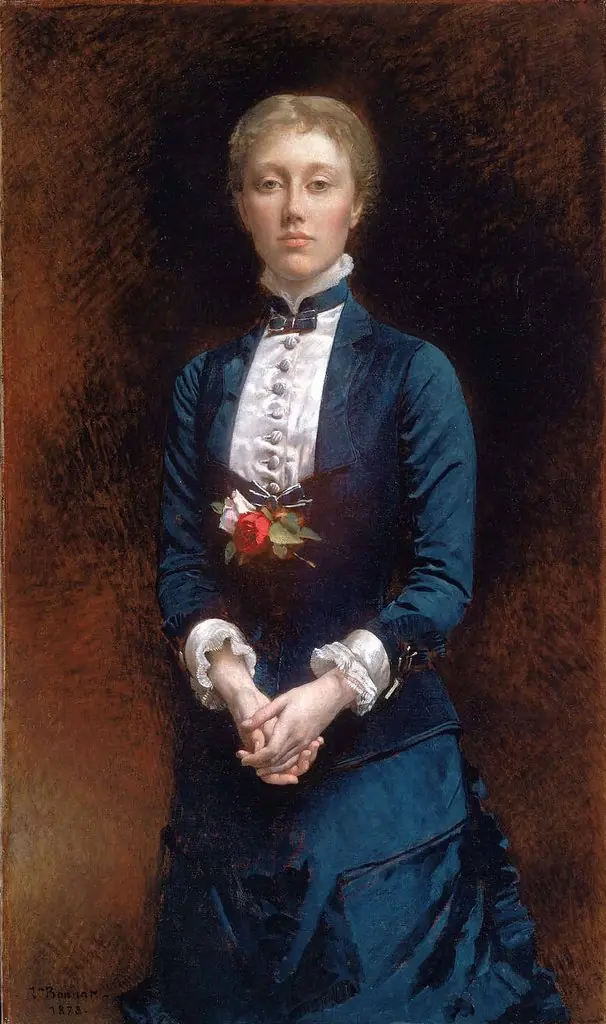 Mary Sears (later Mrs. Francis Shaw)
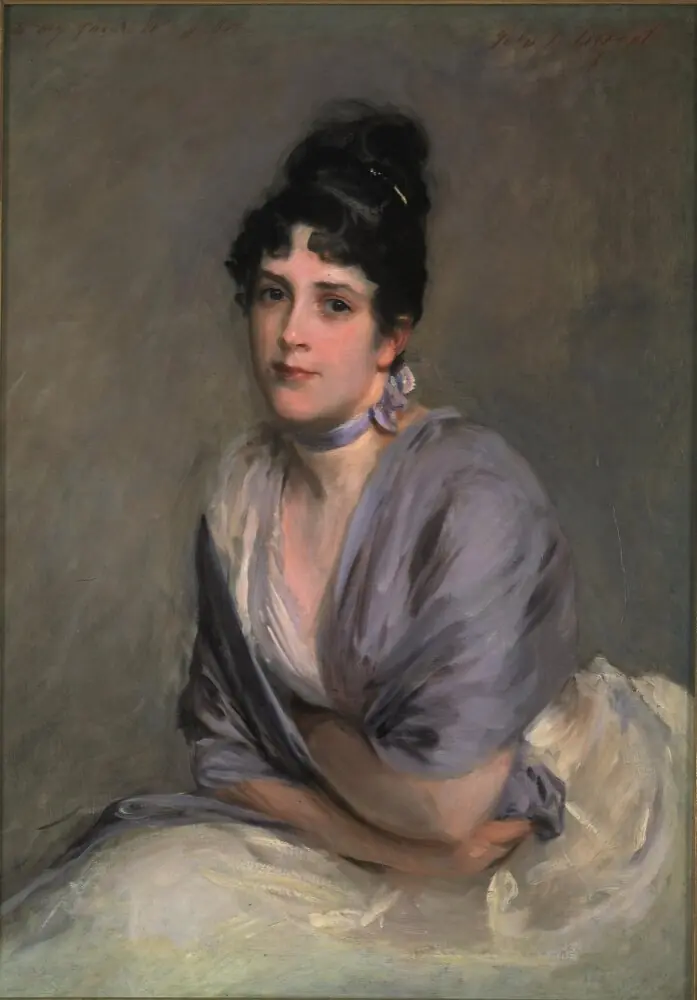 Mrs Frank Millet (Elizabeth Merrill)
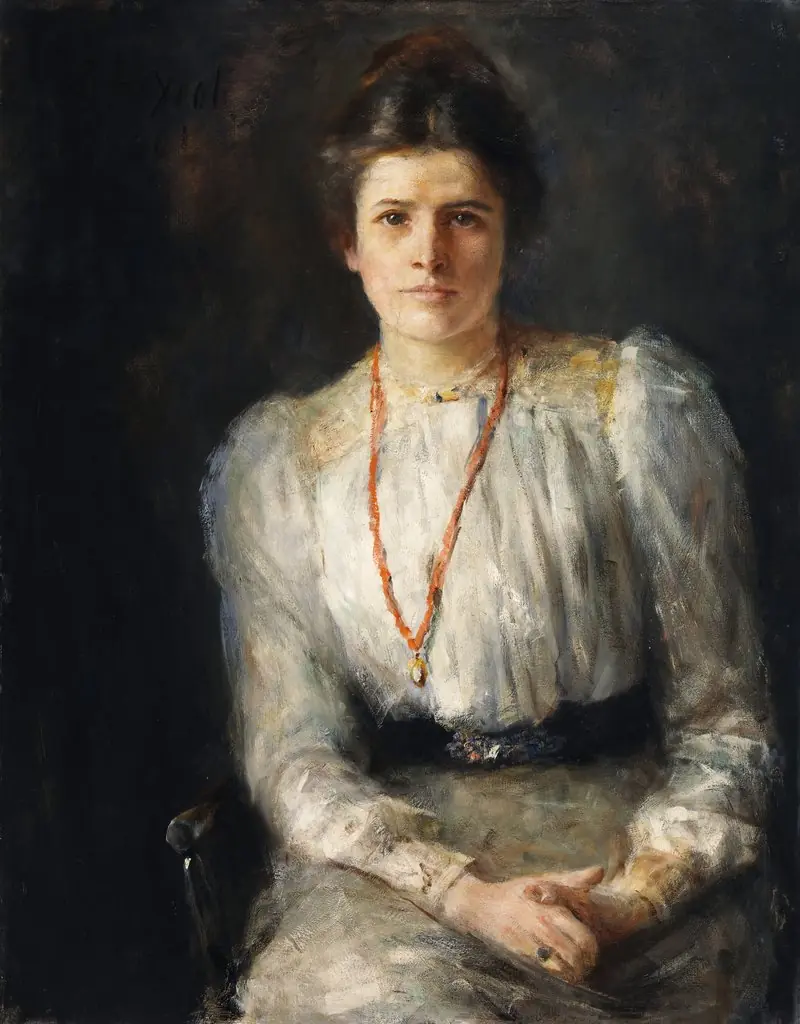 Portrait of Susan Mary (Lily) Yeats (1866 -1949), Embroiderer and Designer
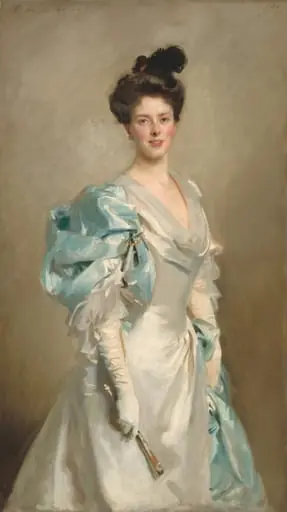 Mary Crowninshield Endicott Chamberlain (Mrs. Joseph Chamberlain)
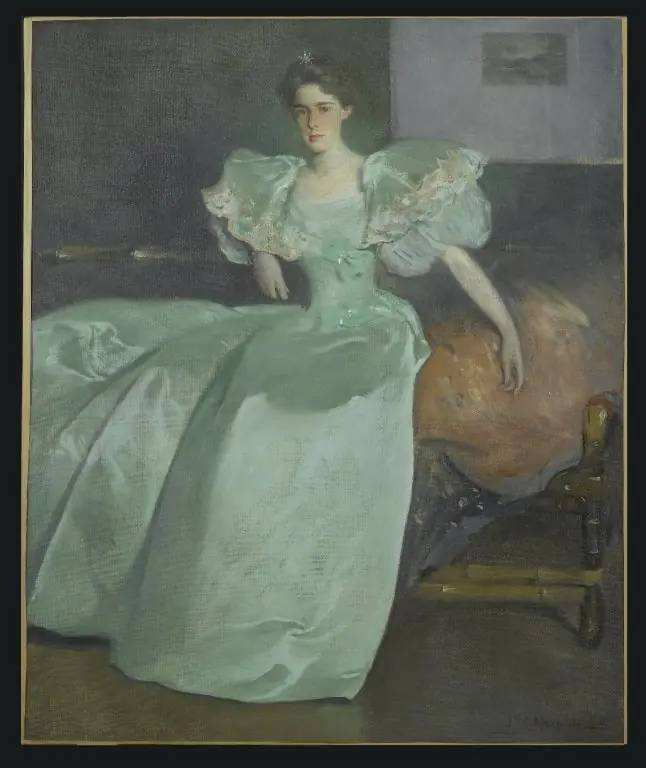 Miss Helen Manice (later Mrs. Henry M. Alexander)
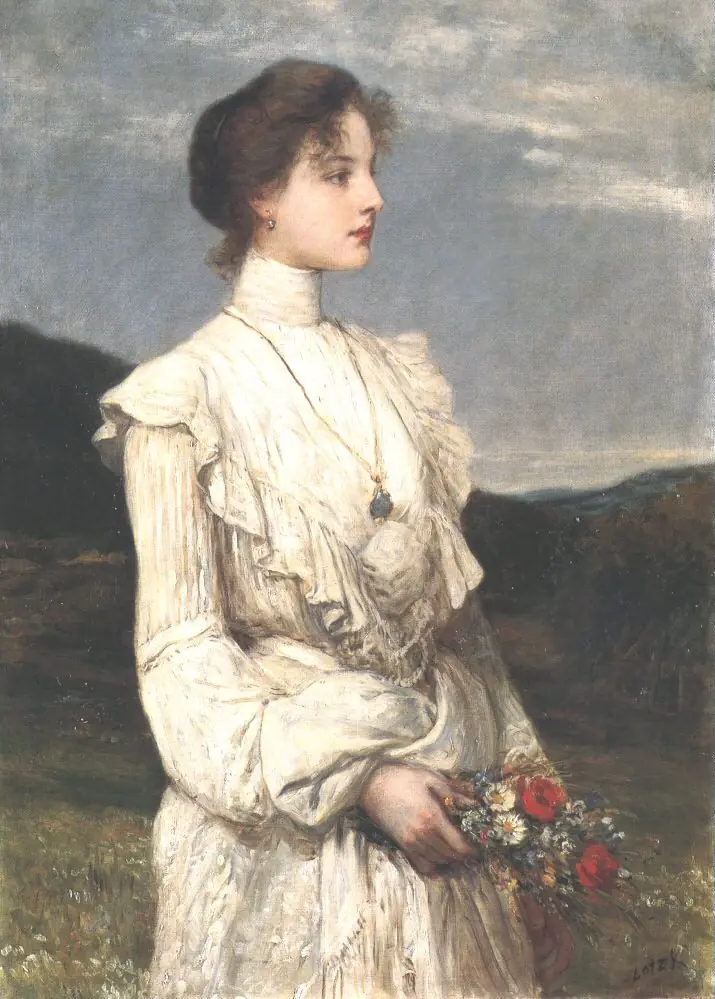 Spring (Portrait of Ilona K. Lippich)
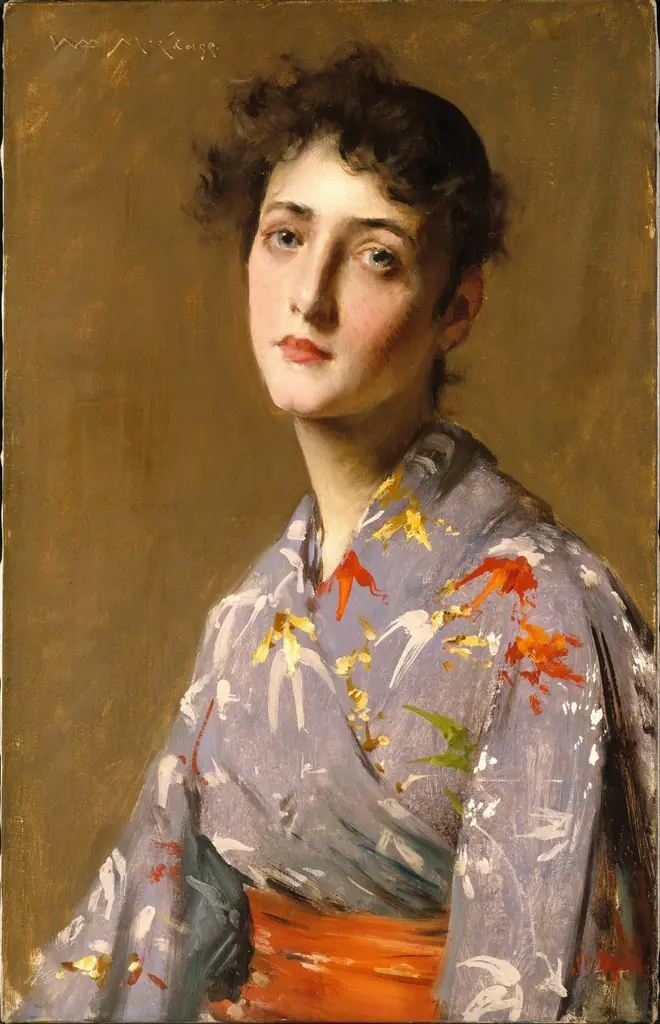 Girl in a Japanese Costume