Artwork
Girl in a Japanese Costume
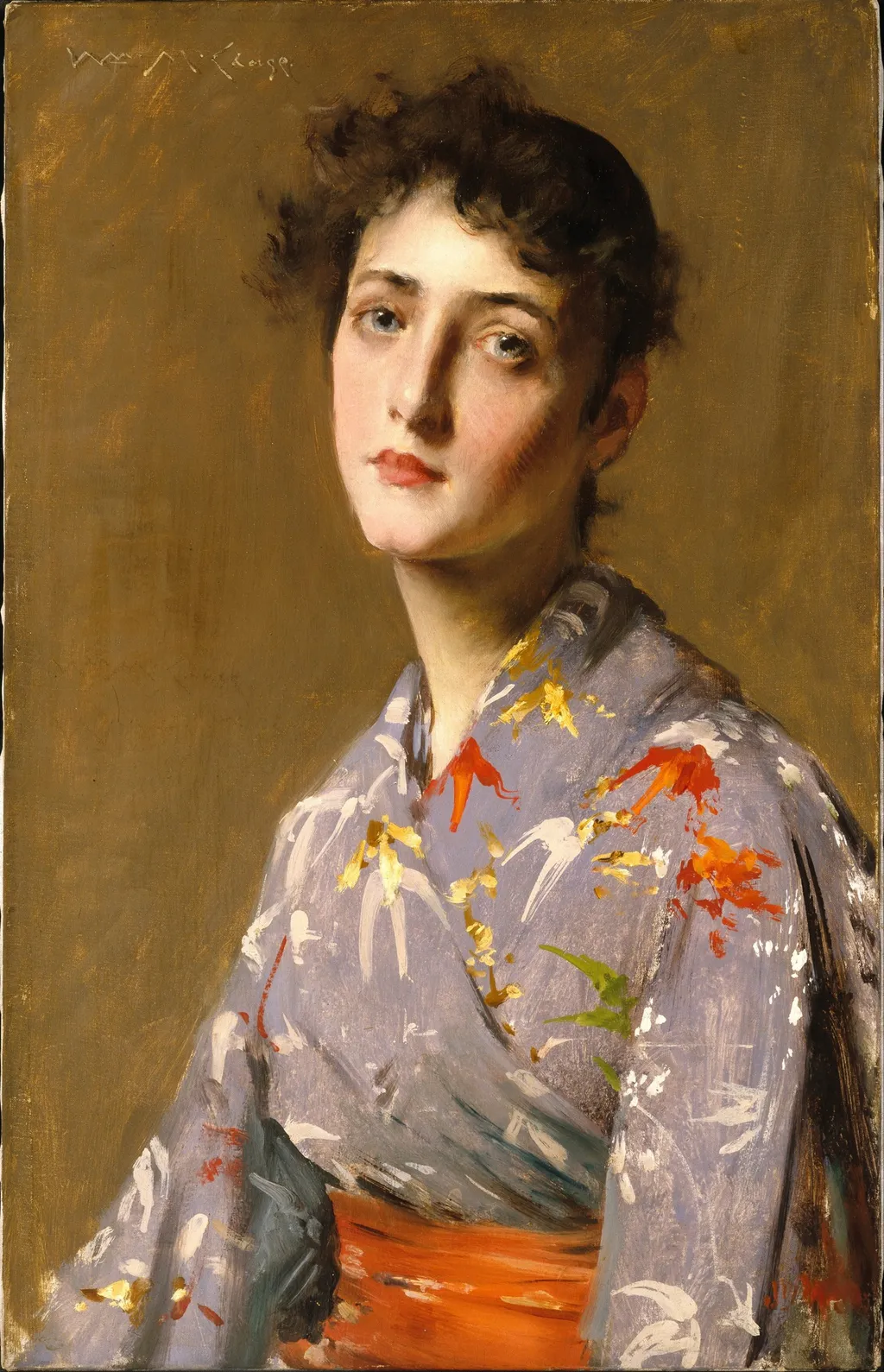
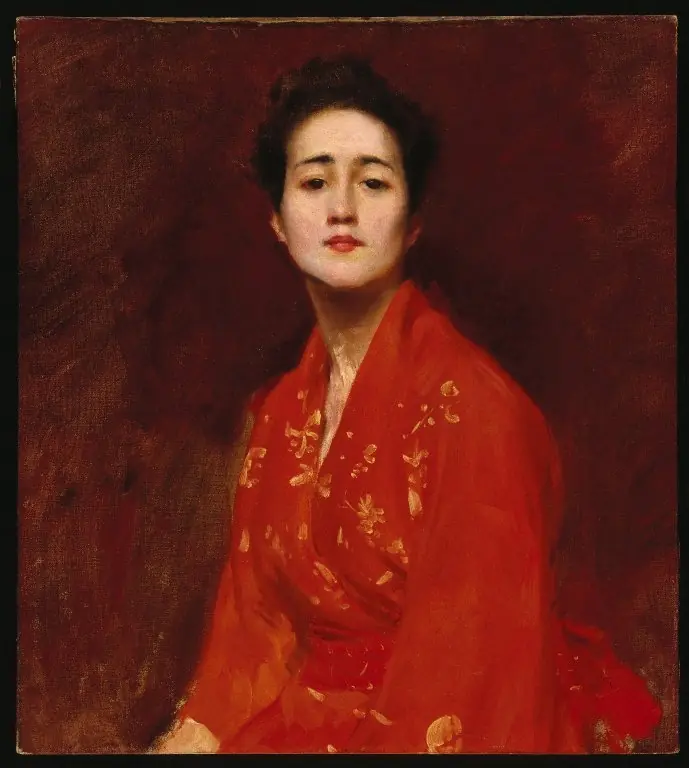
Girl in a Japanese Costume is an oil painting by the American Impressionist artist William Merritt Chase. It dates from 1896 and is held in the collection of the Brooklyn Museum.
About this work
Overview
Chase’s approach blends observational realism with loose, atmospheric brushwork characteristic of his style during this period.
Painted in 1896, *Girl in a Japanese Costume* is an oil portrait by American artist William Merritt Chase. It belongs to the American Impressionist tradition, reflecting Chase’s interest in light, texture, and everyday subjects. The work captures a young girl in elaborate Japanese dress, framed against a muted, earth-toned background. Chase’s approach blends observational realism with loose, atmospheric brushwork characteristic of his style during this period.
Subject & Meaning
The subject is a young girl dressed in a traditional Japanese kimono, its design featuring soft purple fabric accented with bands of white, orange, and yellow. A red obi cinches her waist, emphasizing form without overt narrative. The girl gazes left, her expression calm and introspective. Chase’s choice of costume reflects late 19th-century Western fascination with Japanese aesthetics, though the portrait avoids exoticism, focusing instead on quiet dignity and personal presence.
Technique & Style
Chase employed loose, fluid brushwork to render the kimono’s patterns and the girl’s delicate features. The fabric’s textures are suggested through layered strokes rather than detailed outlines, while the face is rendered with subtle tonal shifts and gentle transitions. The warm, neutral background allows the figure to emerge without distraction. This technique aligns with American Impressionism’s emphasis on light and sensory impression over precise definition.
History & Provenance
Created in 1896, the painting emerged during a period when Chase was actively exhibiting and teaching in New York. It was likely painted in his studio, where he often used models in exotic attire to explore color and composition. The work remained in private collections for much of the 20th century before entering a public museum collection, where it is now preserved as an example of Chase’s portraiture and cross-cultural interests.
Context
In the 1890s, Japanese art and fashion influenced Western artists and designers, a trend known as Japonisme. Chase, like many of his contemporaries, incorporated these elements into his work, not as ethnographic study but as aesthetic experimentation. His portraits of figures in non-Western dress reflect broader cultural curiosity, filtered through the lens of American Impressionism’s focus on personal expression and visual harmony.
Legacy
Though not among Chase’s most widely reproduced works, *Girl in a Japanese Costume* exemplifies his skill in blending cultural motifs with intimate portraiture. It contributes to the understanding of how American artists engaged with global influences during the Gilded Age. The painting also underscores Chase’s role in shaping art education, as his pedagogical methods emphasized direct observation and expressive brushwork, values evident in this work.
Artist & collection
Artist
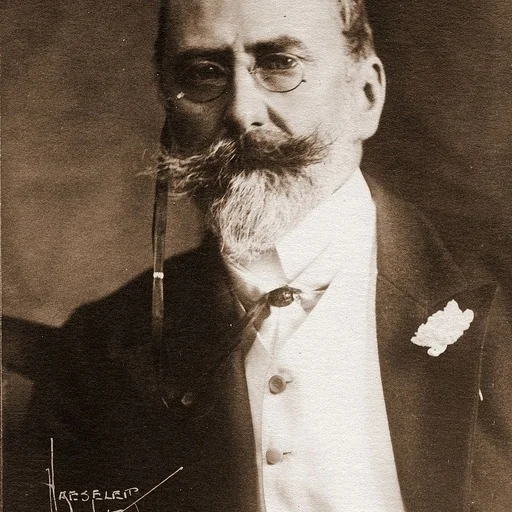
William Merritt Chase (November 1, 1849 – October 25, 1916) was an American painter, known as an exponent of Impressionism and as a teacher.

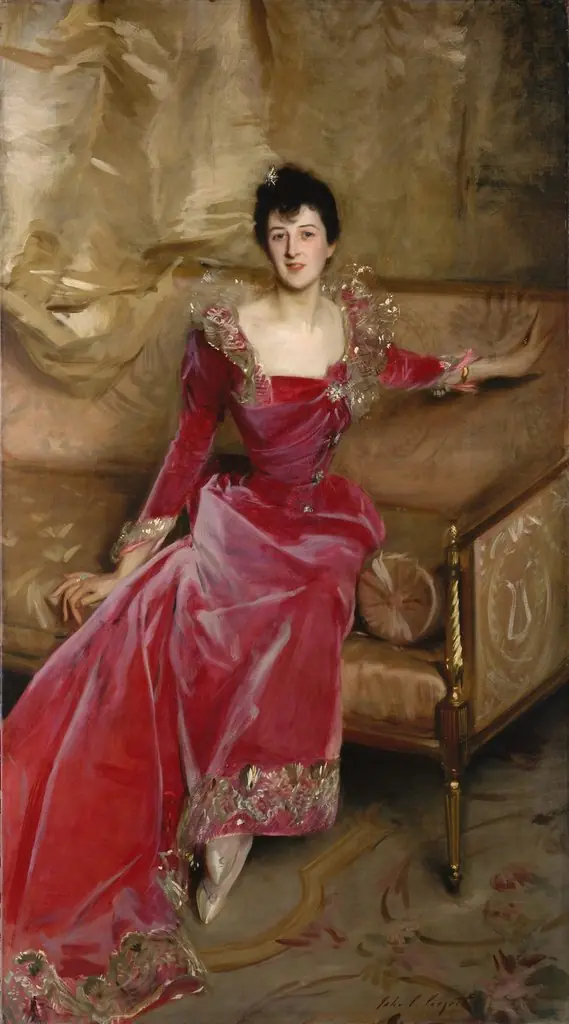 Mrs. Hugh Hammersley
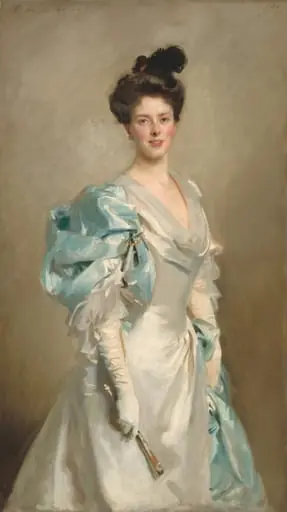 Mary Crowninshield Endicott Chamberlain (Mrs. Joseph Chamberlain)
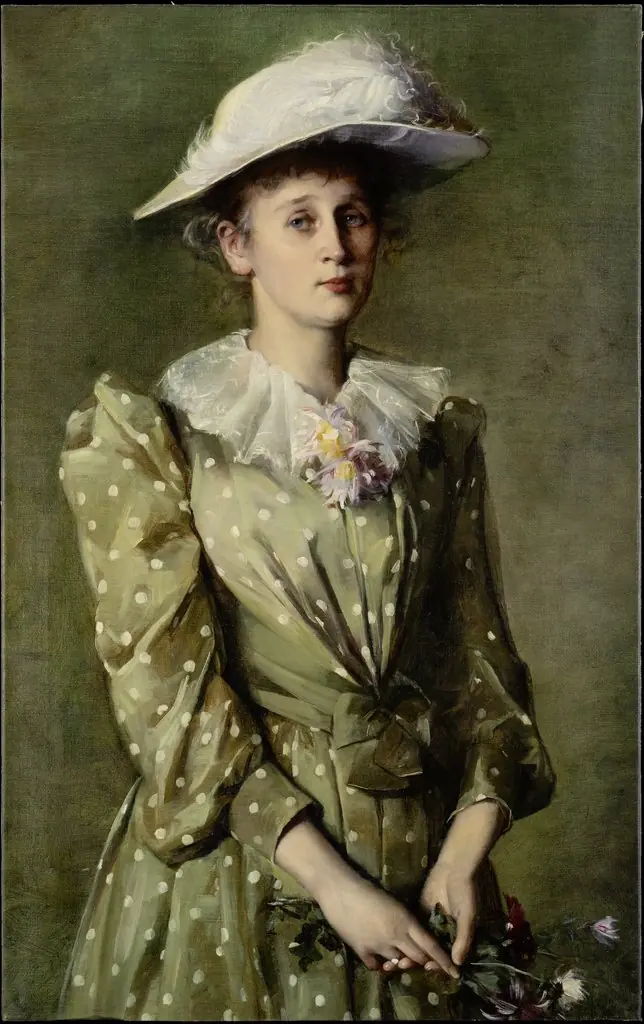 Portrait of Helene Roederstein
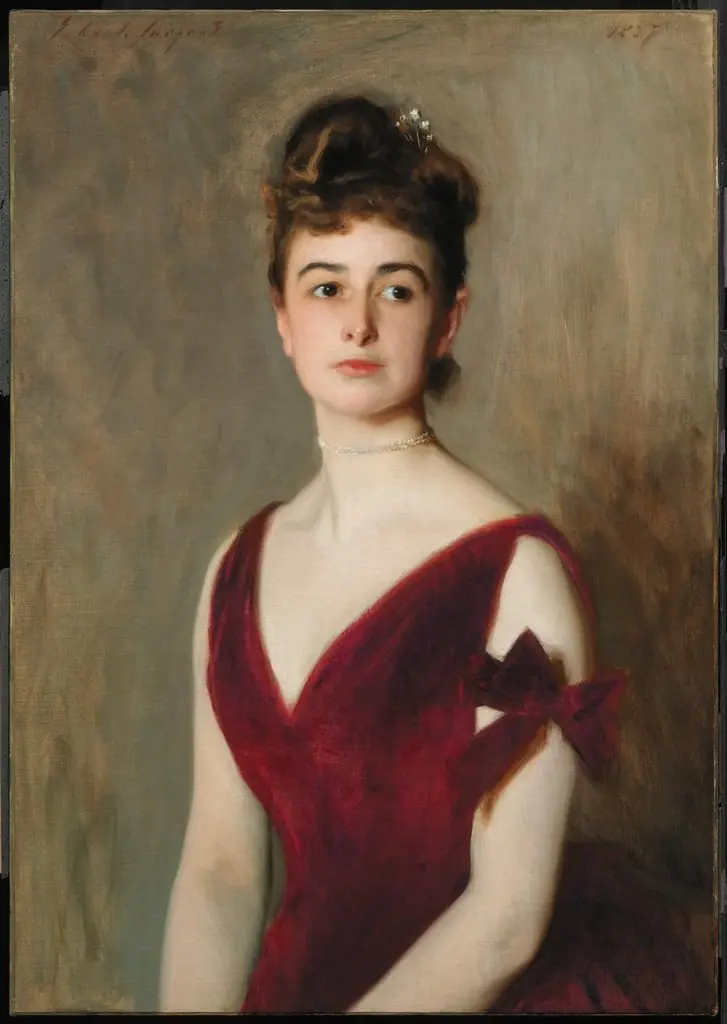 Mrs. Charles E. Inches (Louise Pomeroy)
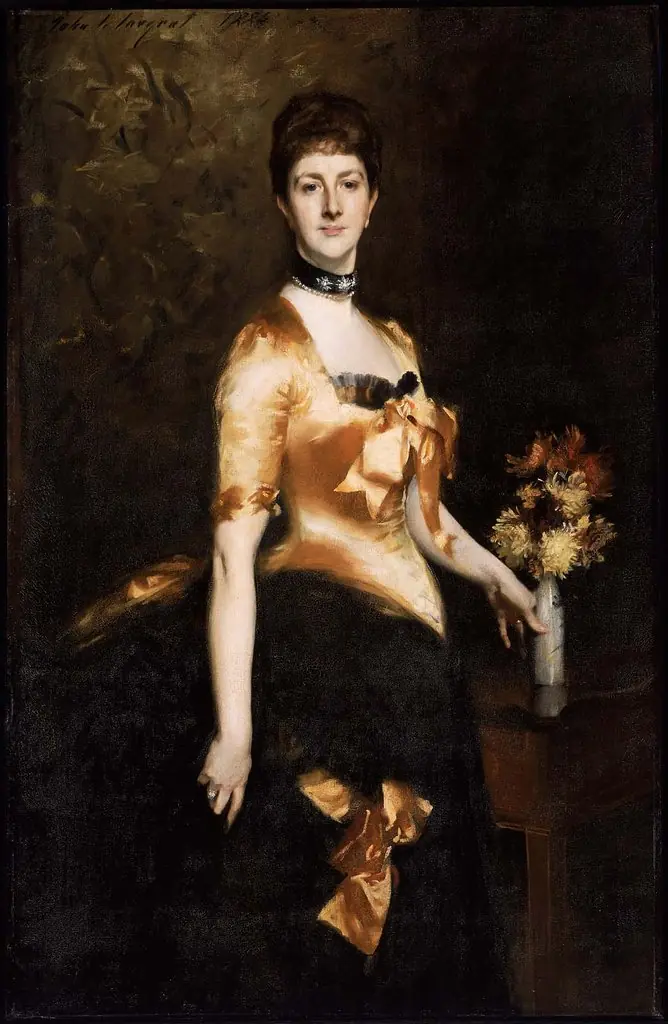 Edith, Lady Playfair (Edith Russell)
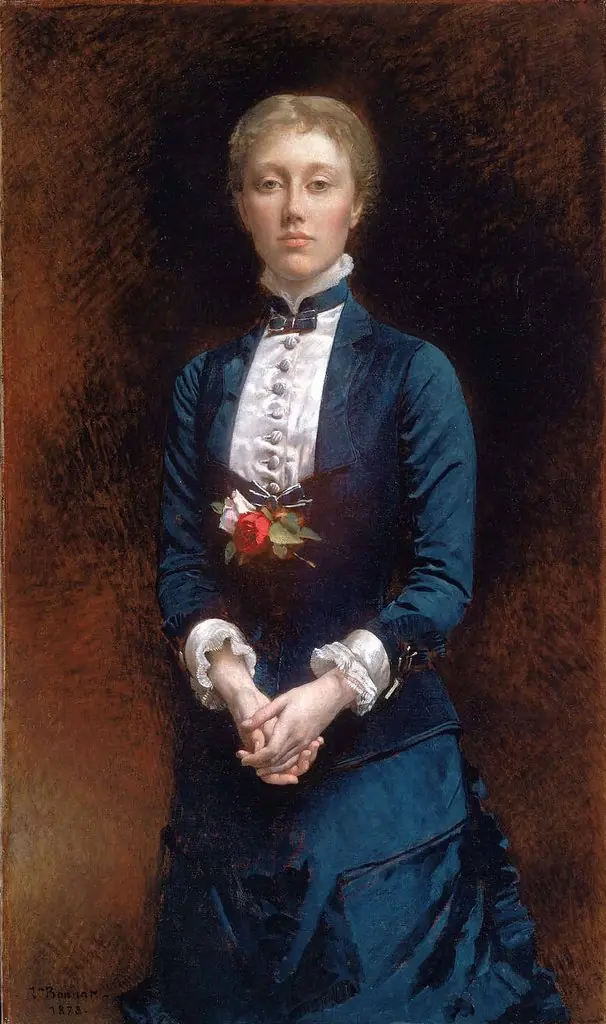 Mary Sears (later Mrs. Francis Shaw)
 Mrs. Charles Deering (Marion Denison Whipple)
 Concepción Miramón
 Mrs. Charles Gifford Dyer (Mary Anthony)
 Portrait of a Woman
 Miss Grace Woodhouse
 Study of a Girl in Japanese Dress