Artwork
Two Arab Women
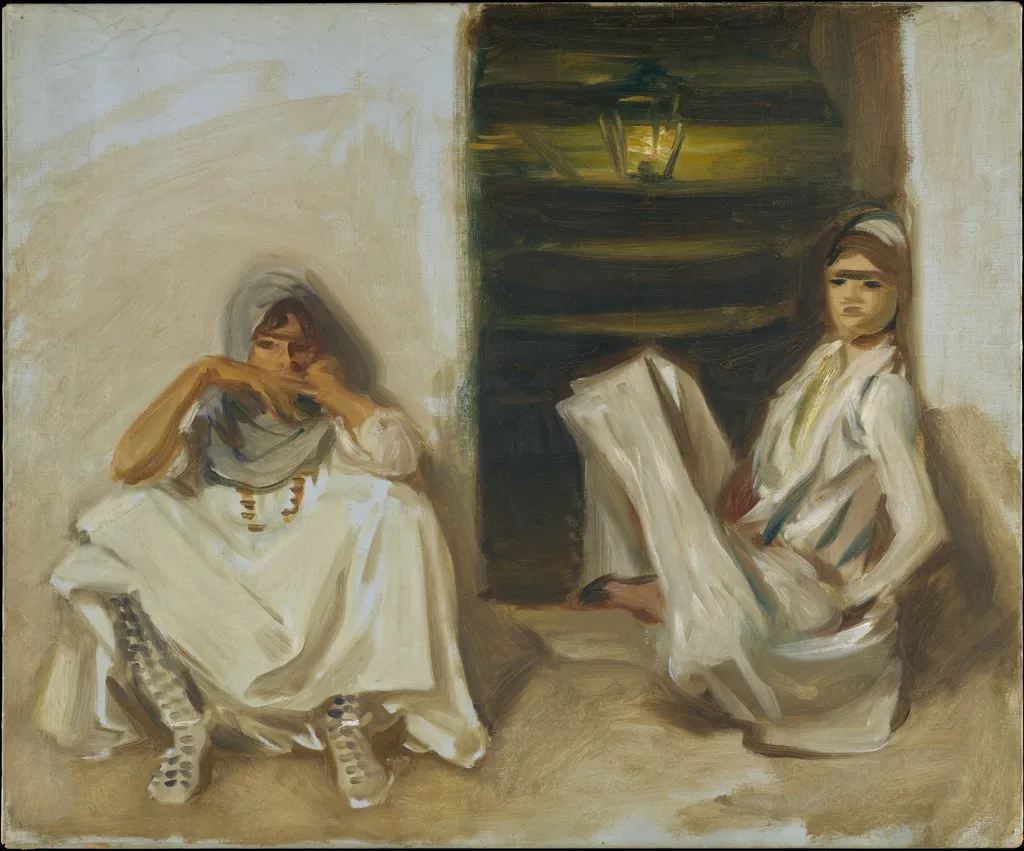
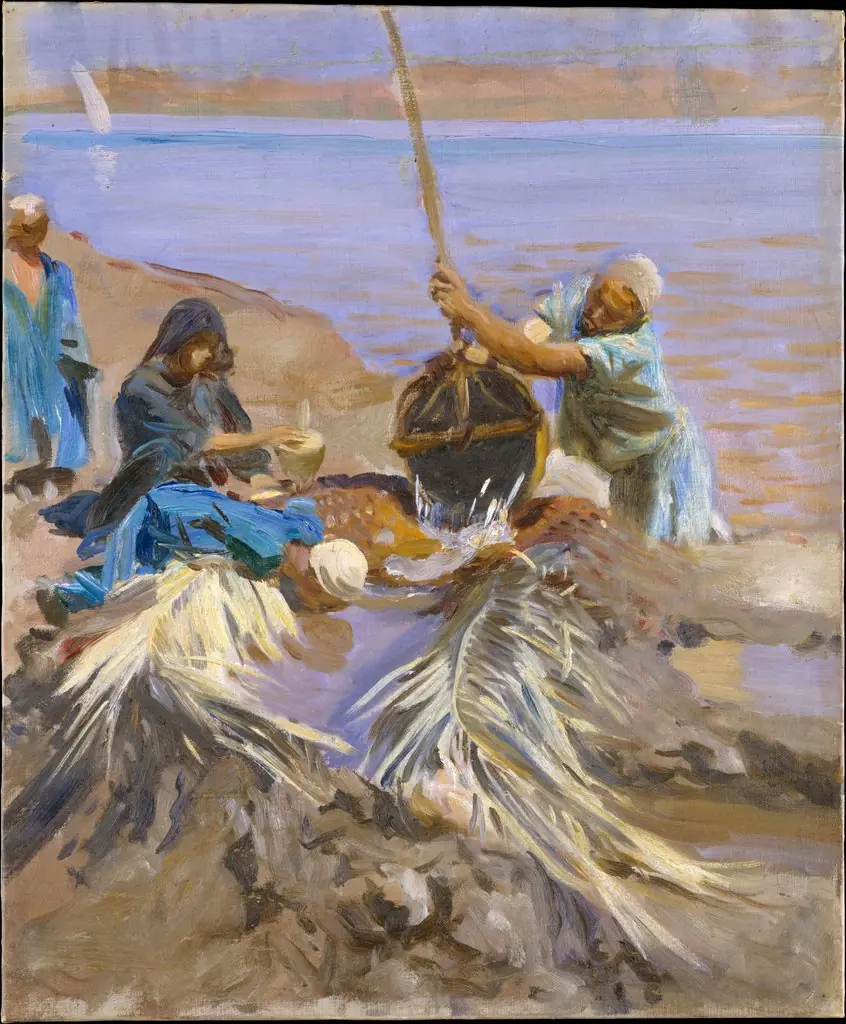
Two Arab Women is an oil painting by John Singer Sargent. It dates from 1905 and is held in the collection of the Metropolitan Museum of Art.
About this work
Overview
John Singer Sargent’s 1905 oil painting *Two Arab Women* portrays a quiet interior scene in which a pair of women sit side by side, their white garments illuminated against a dim, indistinct background. The work is part of the permanent collection of the Metropolitan Museum of Art in New York.
Subject & Meaning
The composition focuses on two figures dressed in loose, white robes and modest head coverings, their expressions subdued and contemplative. One figure rests her head on a hand, while the other holds a folded piece of cloth, suggesting a moment of repose or private conversation within an intimate domestic space.
Technique & Style
Sargent employs a vigorous, impasto application of paint, with thick, rapid brushstrokes that give the surface a textured, sketch‑like quality. The contrast between the bright, reflective fabric and the surrounding shadow creates a sense of depth, while the blurred doorway light hints at an external world beyond the interior.
History & Provenance
Born in Florence to American parents and educated in Paris, Sargent spent most of his career in Europe, traveling extensively to capture a variety of subjects. *Two Arab Women* was completed in 1905 and later entered the collection of the Metropolitan Museum of Art, where it remains on display.
Context
Created during the early twentieth‑century period when Sargent was expanding beyond his celebrated society portraits, the painting reflects his interest in Orientalist themes and the everyday lives of people he encountered on his travels. The work aligns with his broader practice of using oil, watercolor, and drawing to document diverse cultural settings.
Own this work as a print
Artist & collection
Artist
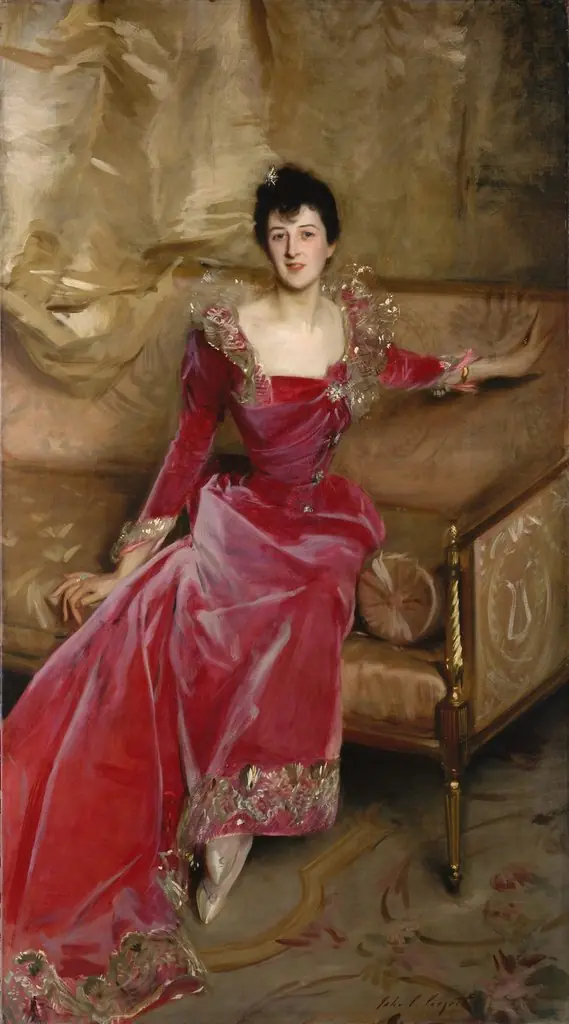
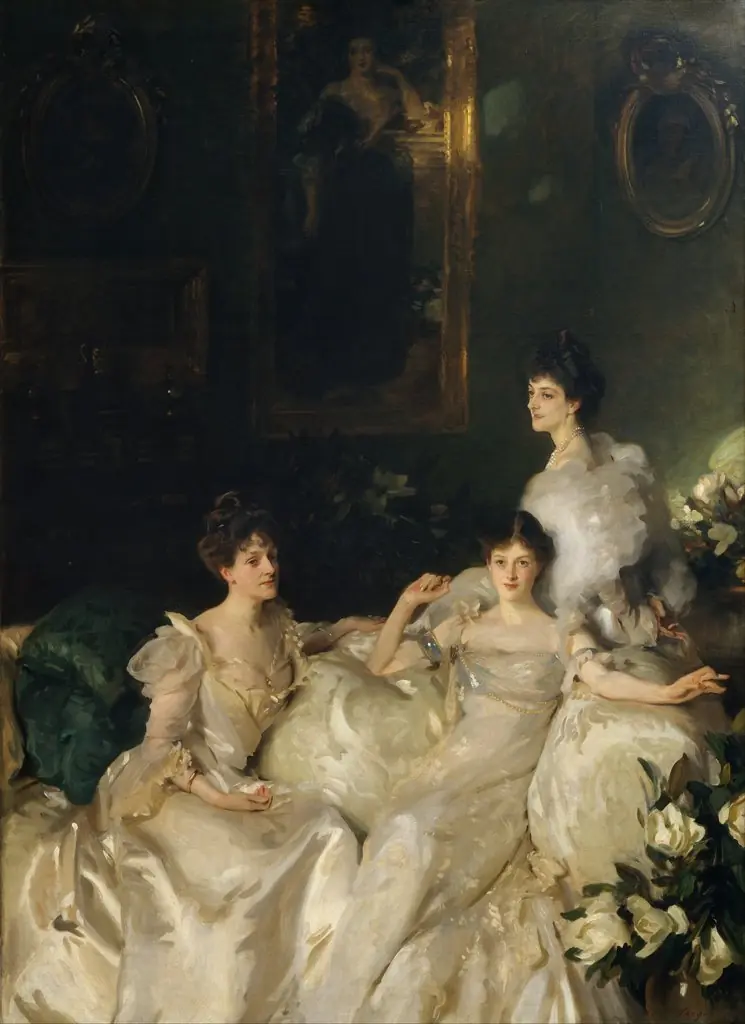
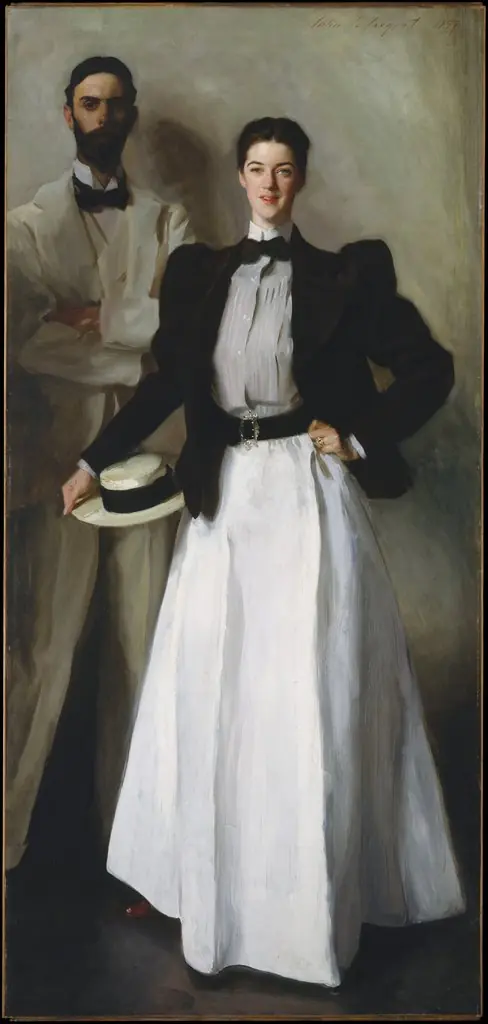
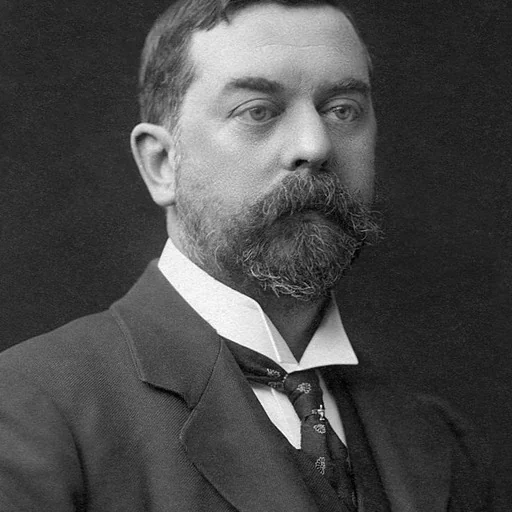
John Singer Sargent (; January 12, 1856 – April 15, 1925) was an American expatriate artist, considered the "leading portrait painter of his generation" for his evocations of Belle Époque and Edwardian-era luxury.