Artwork
John Adams
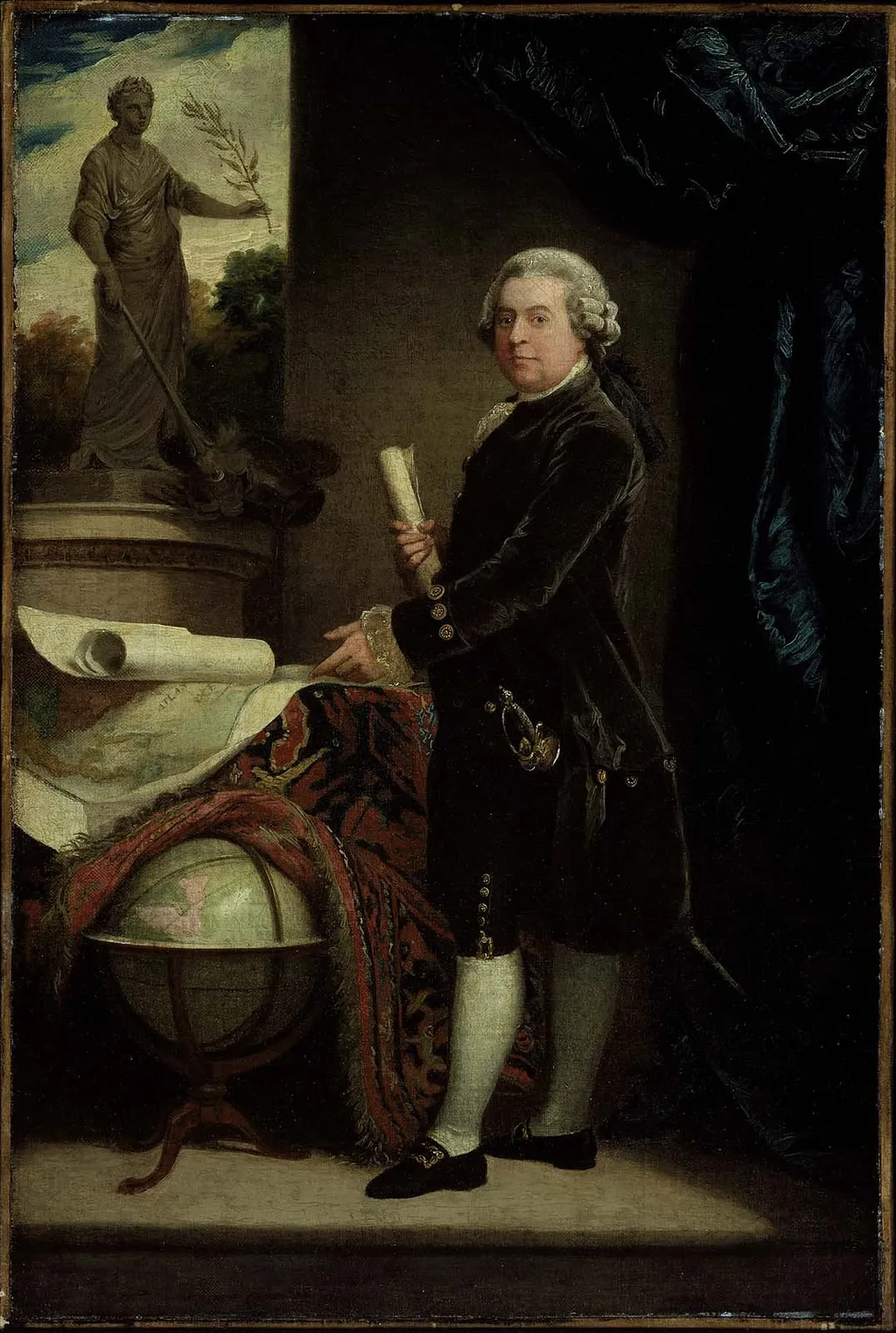
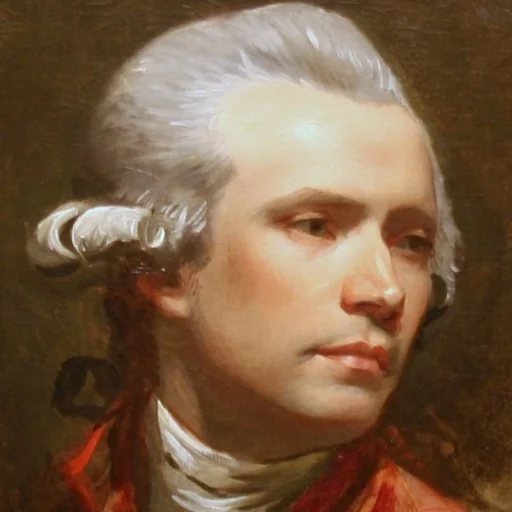
John Adams is an oil painting by John Singleton Copley. It dates from 1786 and is held in the collection of the Museum of Fine Arts Boston.
About this work
Overview
Painted around 1786, this oil portrait depicts John Adams, later the second president of the United States, rendered by John Singleton Copley. Copley, originally active in colonial America, had relocated to London by the time he completed this work. The painting is part of the Museum of Fine Arts, Boston’s collection, reflecting its significance in American historical portraiture.
Subject & Meaning
The statue of a female figure holding a branch, likely symbolizing peace or civic virtue, reinforces themes of republican ideals.
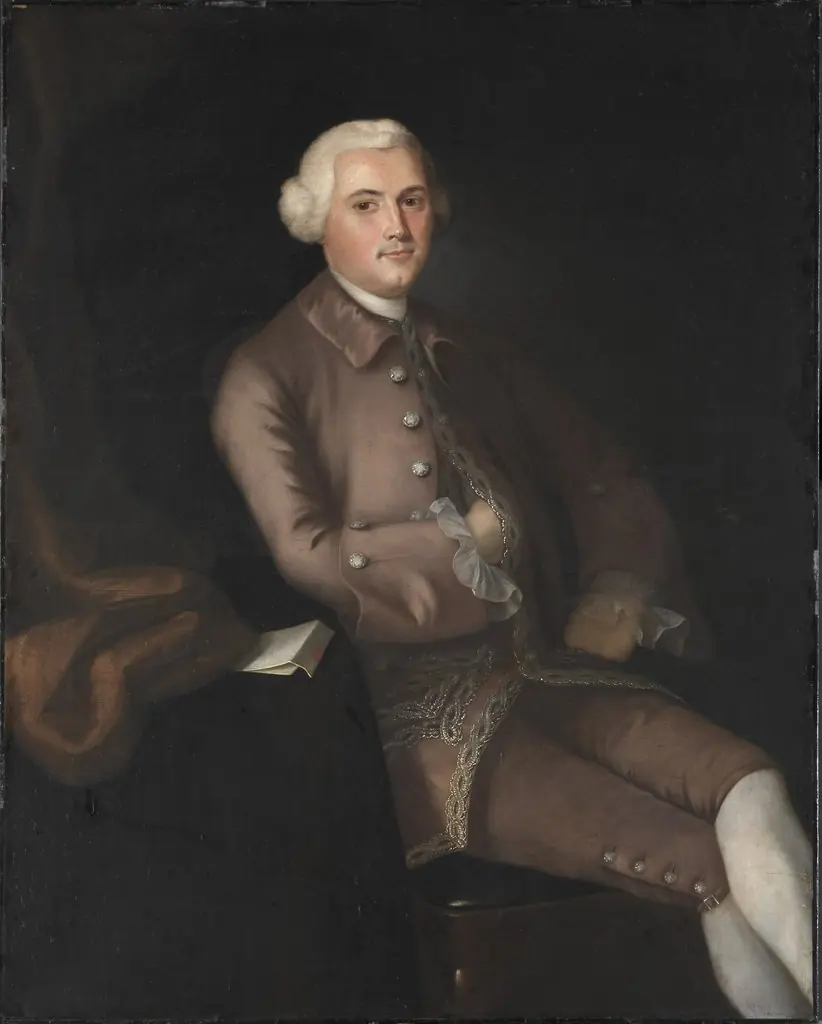
Adams is portrayed standing beside a table adorned with scholarly objects—a globe and scattered documents—suggesting his engagement with governance and knowledge. The statue of a female figure holding a branch, likely symbolizing peace or civic virtue, reinforces themes of republican ideals. His posture and attire convey dignity without ostentation, aligning with his public identity as a principled statesman.
Technique & Style
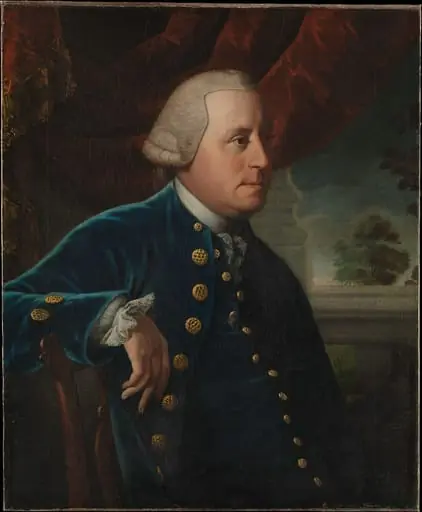
Copley employed chiaroscuro to model Adams’s form against a dark, atmospheric background, enhancing three-dimensionality. The texture of the black coat, gold buttons, and powdered wig is rendered with precise detail, characteristic of his meticulous approach. The red-and-black tablecloth and the statue’s subtle lighting draw the eye toward the figure, balancing composition and symbolic weight.
History & Provenance
Commissioned during Adams’s diplomatic service in Europe, the portrait was completed after Copley’s move to London. It remained in the Adams family until entering the Museum of Fine Arts, Boston’s collection. Its preservation reflects early American interest in documenting founding figures through art, even as they operated beyond the colonies.
Context
Copley’s shift from colonial portraiture to London-based history painting influenced his approach to this work. Though Adams was not yet president, the portrait anticipates his role in shaping the new republic. The inclusion of classical references and scholarly props aligns with Enlightenment ideals prevalent among American and British elites of the period.
Legacy
The portrait endures as a visual record of Adams during a pivotal phase of his career, bridging his American roots and European experience. Copley’s technical precision and symbolic composition contributed to the genre of political portraiture in early U.S. art, influencing how future generations would visualize the nation’s leaders.
Artist & collection
Artist
John Singleton Copley (July 3, 1738 – September 9, 1815) was an American-born British painter active in both the Thirteen Colonies and England.