Artwork
John Browne
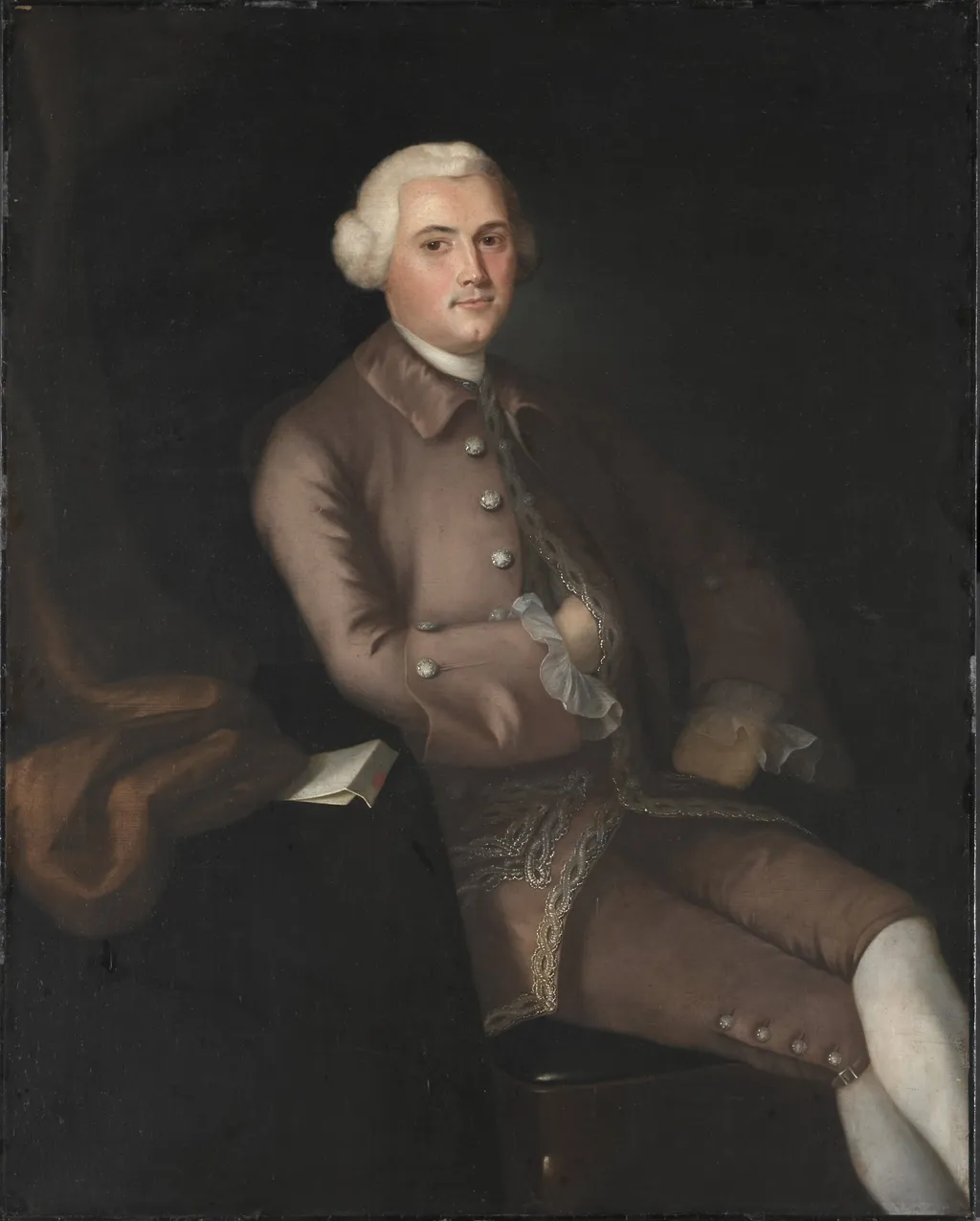
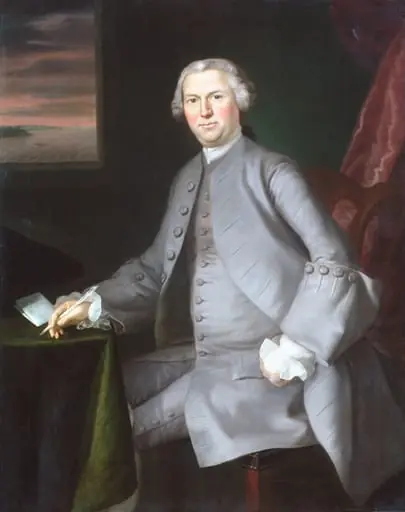
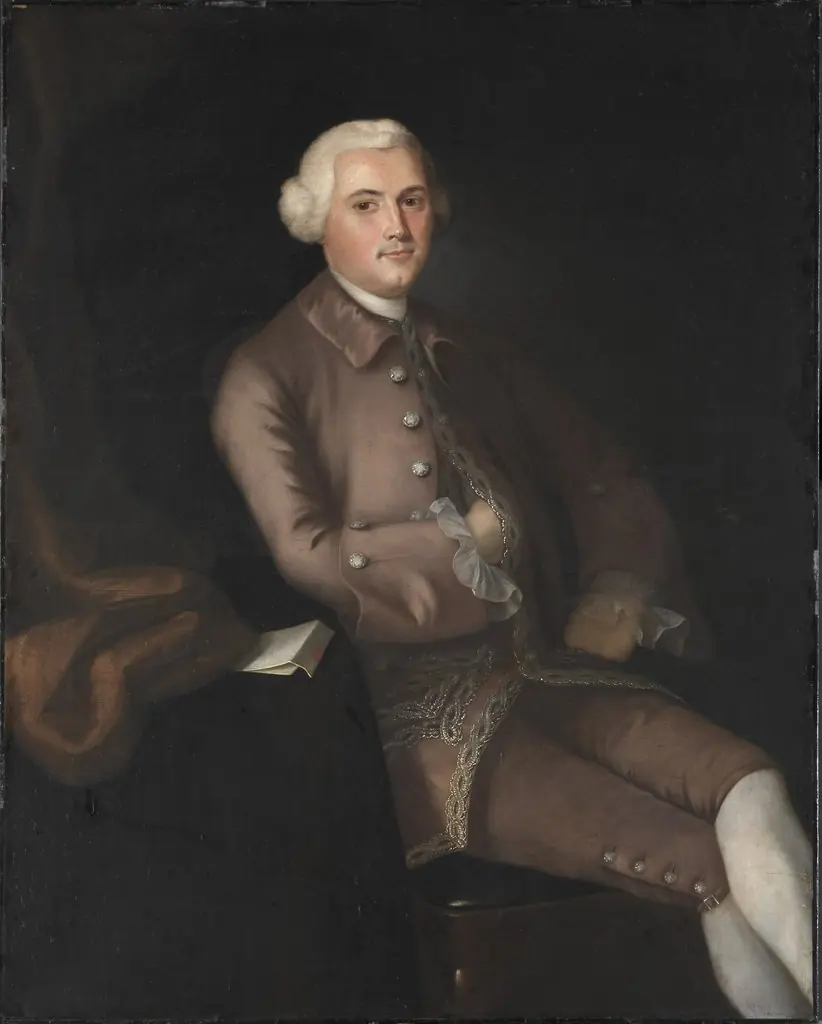
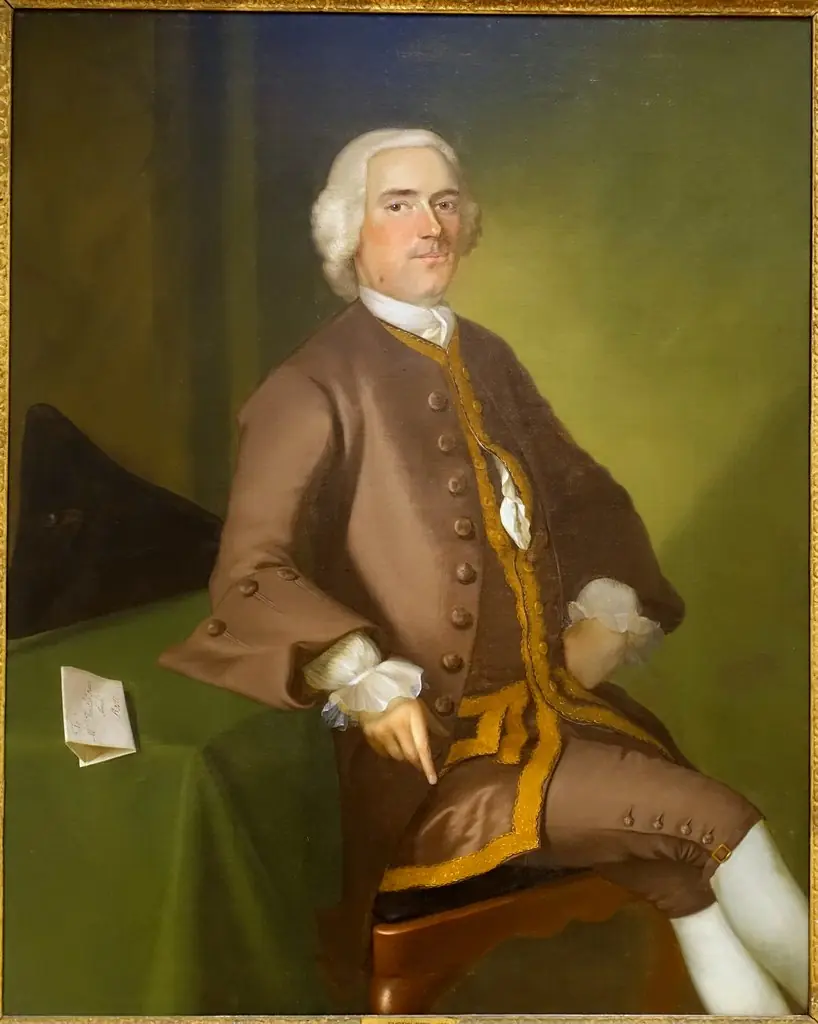
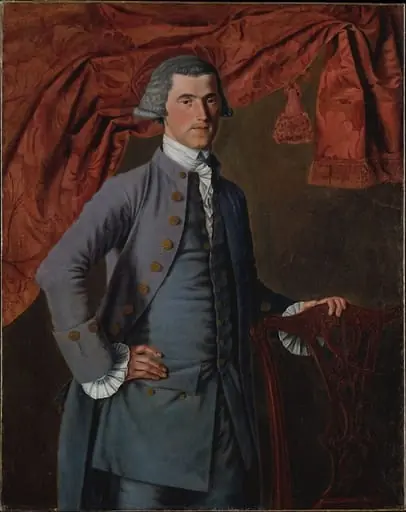
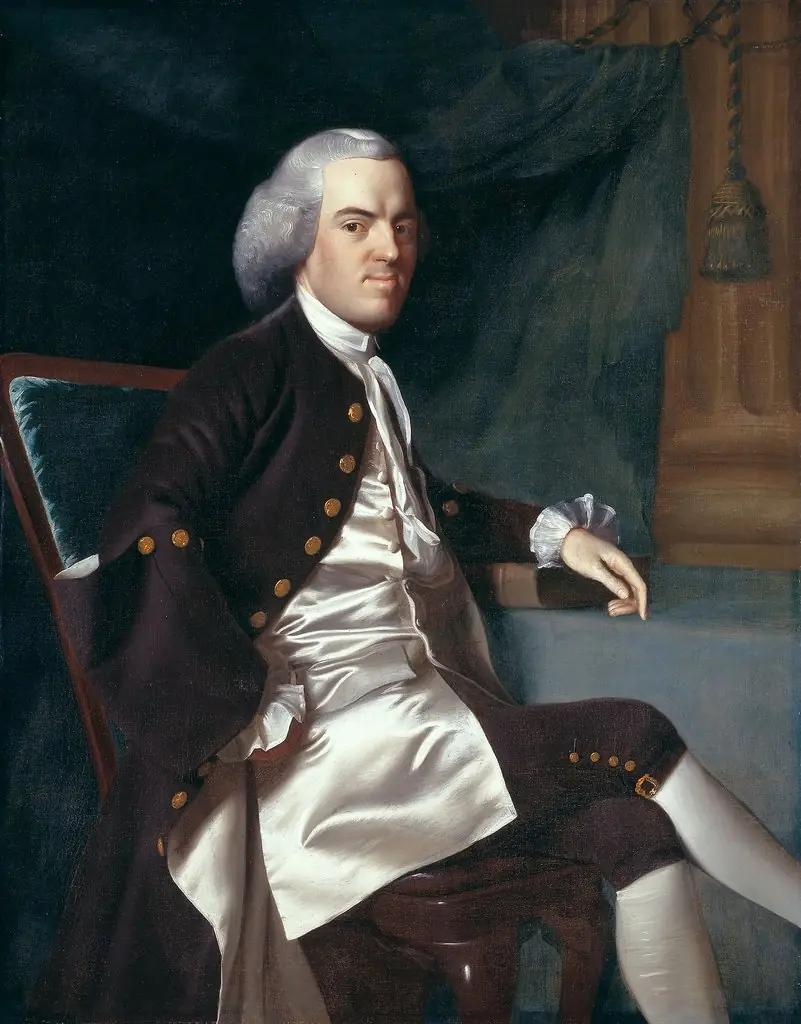
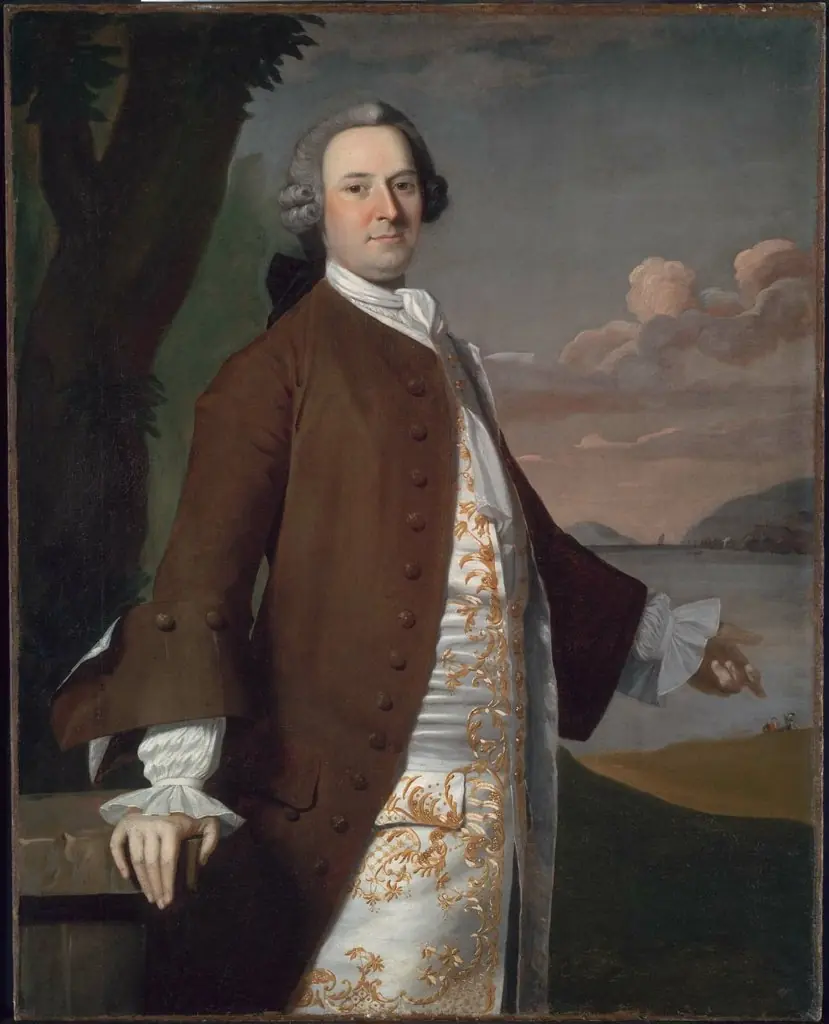
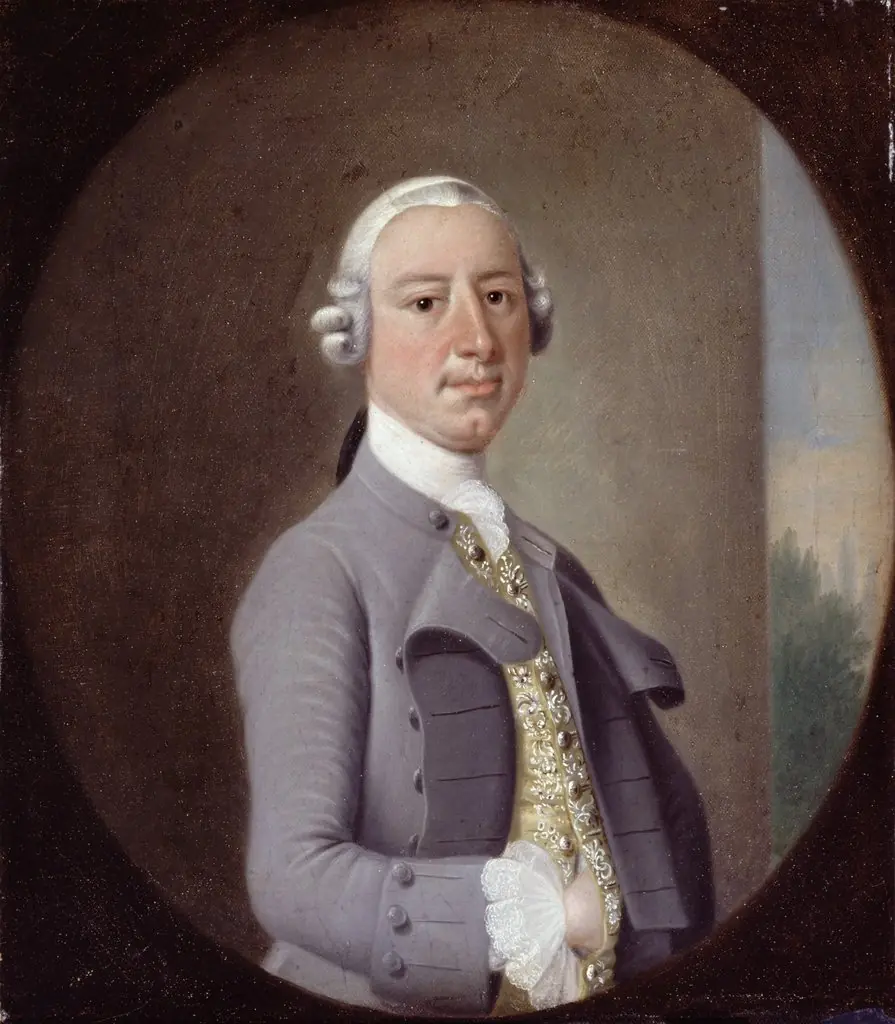
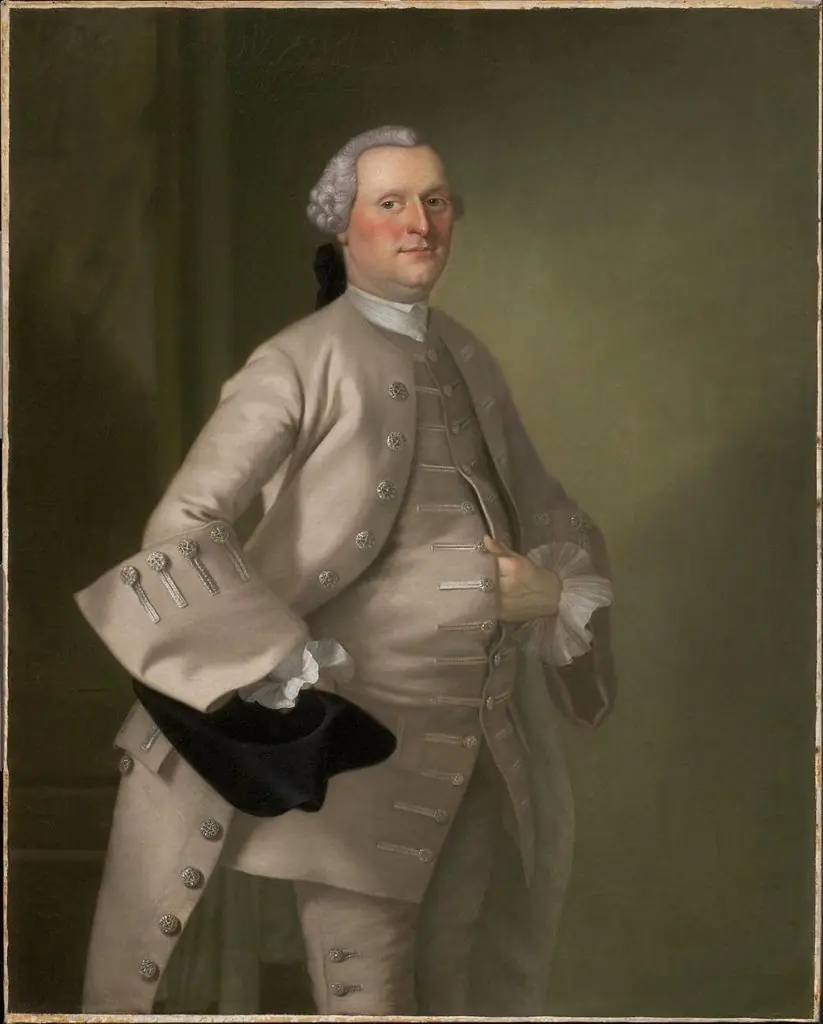
John Browne is an unspecified painting by the Rococo painting artist Joseph Blackburn. It dates from 1760 and is held in the collection of the Cleveland Museum of Art.
About this work
Overview
Joseph Blackburn, an English-born portraitist working in British North America during the mid-18th century, created the portrait of John Browne circa 1760.
Joseph Blackburn, an English-born portraitist working in British North America during the mid-18th century, created the portrait of John Browne circa 1760. The painting reflects Blackburn’s focus on capturing the likeness and social presence of colonial elites. Executed in a refined rococo manner, it exemplifies the period’s emphasis on elegance and composure, typical of portraiture commissioned by wealthy individuals seeking to assert their status through visual representation.
Subject & Meaning
John Browne, a figure of colonial prominence, is depicted with quiet dignity, his posture and attire signaling social standing. The folded paper in his hand suggests literacy and engagement with civic or commercial affairs, common symbols among the colonial gentry. His powdered wig and tailored coat align with contemporary fashion, reinforcing his alignment with British cultural norms. The direct gaze conveys confidence, inviting the viewer to acknowledge his presence without overt display.
Technique & Style
Blackburn employs chiaroscuro to model Browne’s form, using subtle shifts in light to define the contours of his coat, cuffs, and face against a dark, unadorned background. The precision in rendering fabric textures—particularly the white lace cuffs and the sheen of the brown wool—demonstrates careful observation. The composition avoids ornate detail, focusing instead on the figure’s presence, a hallmark of Blackburn’s restrained yet effective approach to portraiture.
History & Provenance
The painting entered the collection of The Cleveland Museum of Art, where it remains today as part of its holdings of early American portraiture. While specific details of its early ownership are not fully documented, its survival through the centuries reflects its value to collectors interested in colonial-era art. Blackburn’s works, though not widely known in Europe, were sought after in the American colonies, and this portrait is among the better-preserved examples of his output.
Context
In the 1760s, portraiture in British North America served as both personal commemoration and social assertion. Artists like Blackburn, trained in England, brought European conventions to a growing colonial elite eager to emulate metropolitan tastes. The absence of landscape or symbolic props in this portrait reflects a shift toward intimate, character-focused depictions, aligning with broader trends in transatlantic portraiture that prioritized individual presence over allegory.
Legacy
Blackburn’s portraits, including that of John Browne, contribute to the understanding of colonial identity through visual culture. His work represents a bridge between British artistic traditions and emerging American sensibilities. Though not revolutionary in technique, his consistent execution and attention to psychological nuance helped shape the visual language of elite portraiture in the decades before the Revolution.
Own this work as a print
Artist & collection
Artist
Joseph Blackburn (died 1787) was an English painter who worked mainly in British North America. His notable works include portraits of Hugh Jones (circa 1777) and Colonel Theodore Atkinson (circa 1760).