Artwork
Device
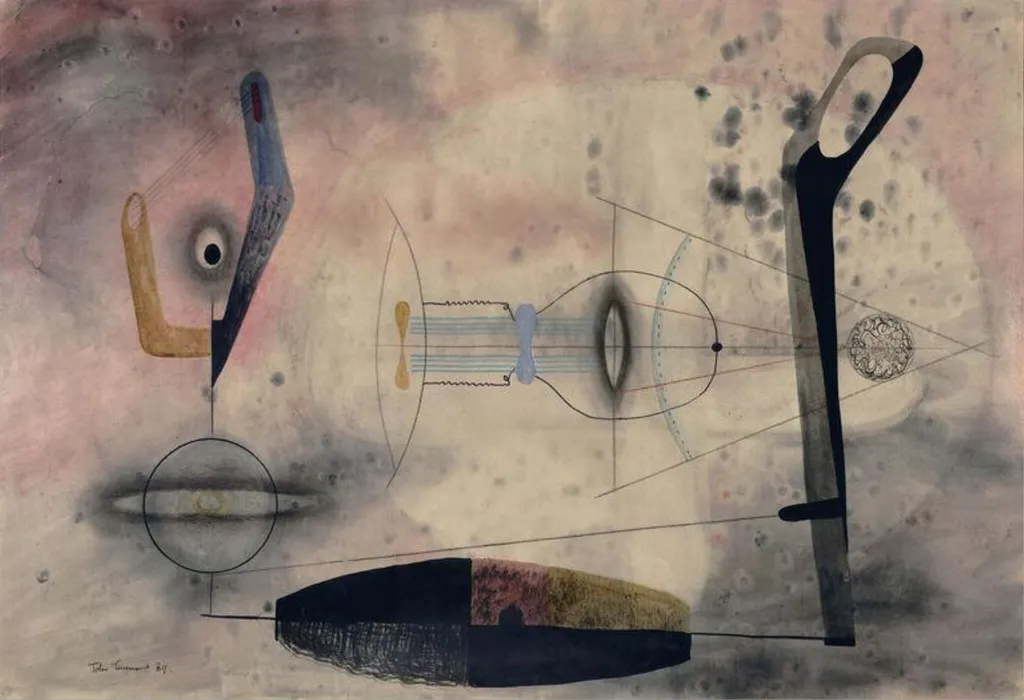
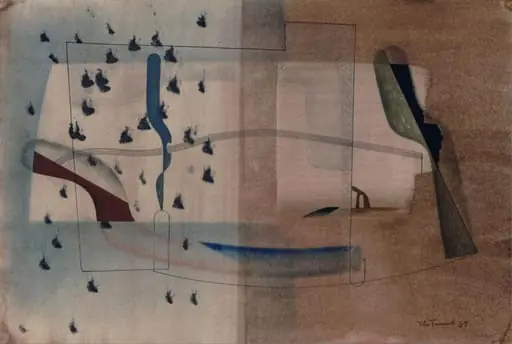
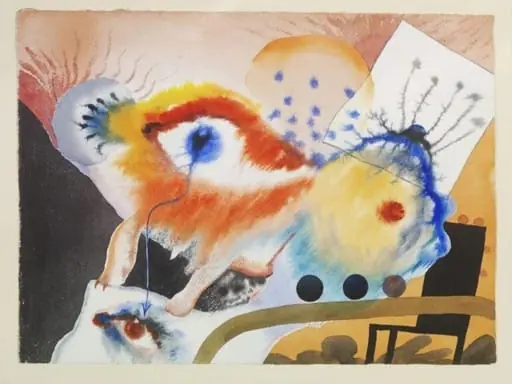
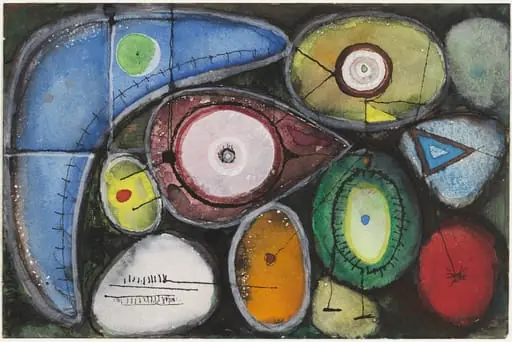
Device is a watercolor work on paper by the Surrealist artist John Tunnard. It dates from 1939 and is held in the collection of the Victoria and Albert Museum.
About this work
The work shows odd, floating shapes that look like parts of a dream machine.
John Tunnard painted *Device* in 1939. It’s a watercolor, small and detailed. Tunnard started in textile design before switching to painting. The work shows odd, floating shapes that look like parts of a dream machine.
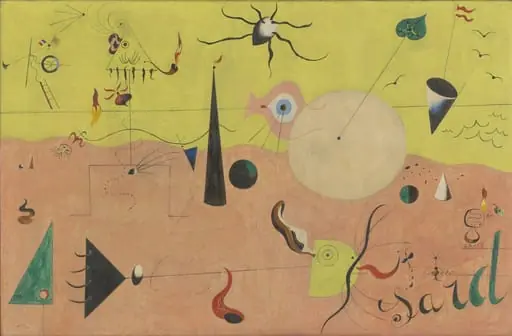
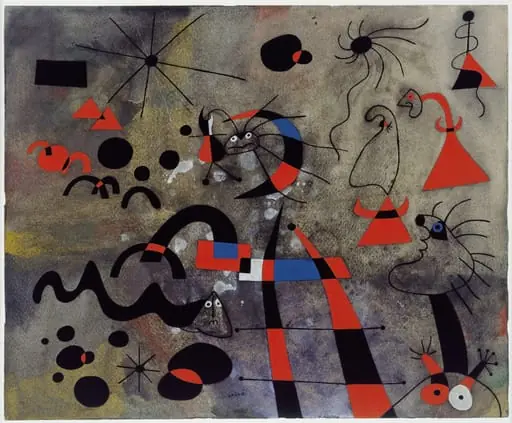
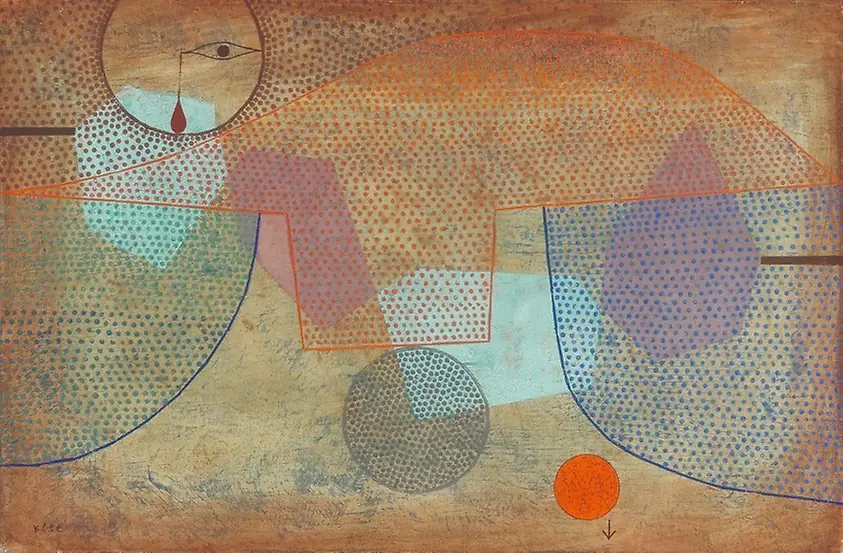
Cornwall inspired his shift to abstract patterns. He borrowed ideas from Surrealists like Miró and Klee. The piece feels both mechanical and soft, like gears wrapped in fabric.
Check out more by Julian Trevelyan.
Overview
Device, a 1939 watercolour by John Tunnard, presents a intricate, imaginary mechanical network characterized by floating, interdependent forms.
Subject & Meaning
The painting depicts a fantastical, dream-like assemblage of mechanical components, blending industrial and organic elements to evoke a sense of surreal, weightless machinery.
Technique & Style
Tunnard's background in textile design influences the work's emphasis on pattern and texture, while its abstract, biomorphic forms reflect the influence of Surrealists Joan Miró and Paul Klee.
History & Provenance
Created during Tunnard's period in Cornwall, where he transitioned to abstract compositions, Device may also show the indirect influence of Alexander Calder's 'mobiles', potentially via friend Julian Trevelyan.
Artist & collection
Artist
John Samuel Tunnard (7 May 1900 – 12 December 1971) was an English modernist designer and abstract painter, and anti-hunting activist. He was the cousin of landscape architect Christopher Tunnard.