Artwork
Mrs. Daniel Strobel, Jr. (Anna Church Strobel) and Her Son, George
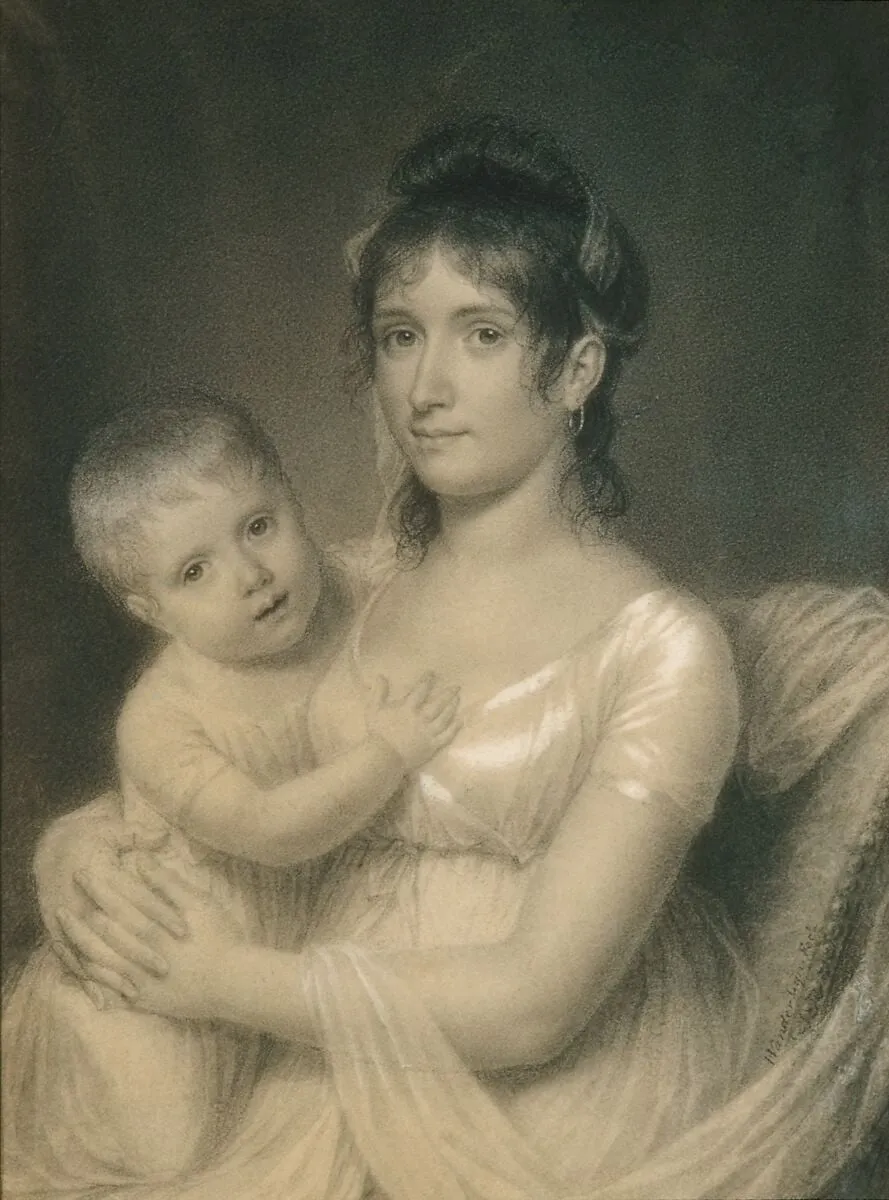
Mrs. Daniel Strobel, Jr. (Anna Church Strobel) and Her Son, George is a crayon drawing by the Romanticist artist John Vanderlyn. It dates from 1799 and is held in the collection of the Metropolitan Museum of Art.
About this work
A woman in a high-waisted dress sits on a sofa, holding a small boy who leans against her.
A woman in a high-waisted dress sits on a sofa, holding a small boy who leans against her. The room is simple—curtains, a chair, a plain wall.
This drawing was made in 1799, just after the American Revolution. Vanderlyn was one of the first U.S. artists to train in Europe, and you can see it in the soft shading. The lines are light, almost like a sketch, but the faces feel real.
If you like this, look up more *portraits*.
Overview
John Vanderlyn’s portrait, dated around 1799, presents Anna Church Strobel, identified as Mrs. Daniel Strobel, Jr., together with her young son George. Executed in a delicate medium—likely Conté crayon on off‑white wove paper—the work belongs to the American Wing collection and offers a quiet domestic scene from the early Republic era.
Subject & Meaning
The composition shows the mother seated on a modest sofa, her high‑waisted dress emphasizing the fashion of the period, while she cradles her son, who leans against her torso. The intimate pose underscores familial affection and the emerging middle‑class values of post‑revolutionary America.
Technique & Style
Vanderlyn employs light, almost sketch‑like lines combined with subtle gradations of tone, a technique reflecting his European training. The soft shading renders the faces with a convincing three‑dimensionality, while the overall handling remains restrained, characteristic of early American portraiture.
History & Provenance
Created shortly after the United States gained independence, the drawing illustrates the transatlantic artistic exchange that shaped the young nation’s visual culture. The work has remained within the museum’s American Wing, where it continues to be displayed as part of the collection’s early portrait series.
Context
At the turn of the nineteenth century, American artists such as Vanderlyn began to adopt European academic methods, integrating them with local subjects. This portrait exemplifies that synthesis, depicting a private domestic moment with the refined technique associated with continental academies.
Artist & collection




 Mrs. John Nicholson (Hannah Duncan) and John Nicholson, Jr.
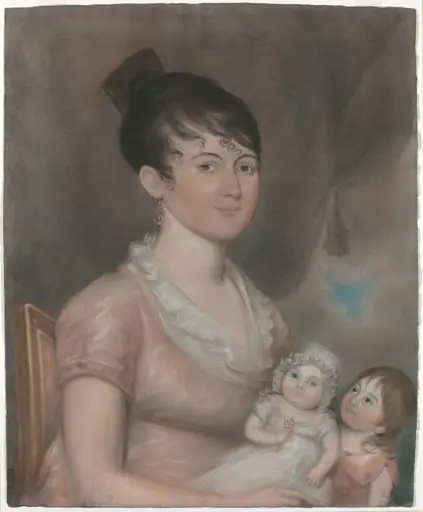 Anna Margaret Blake and Her Two Children
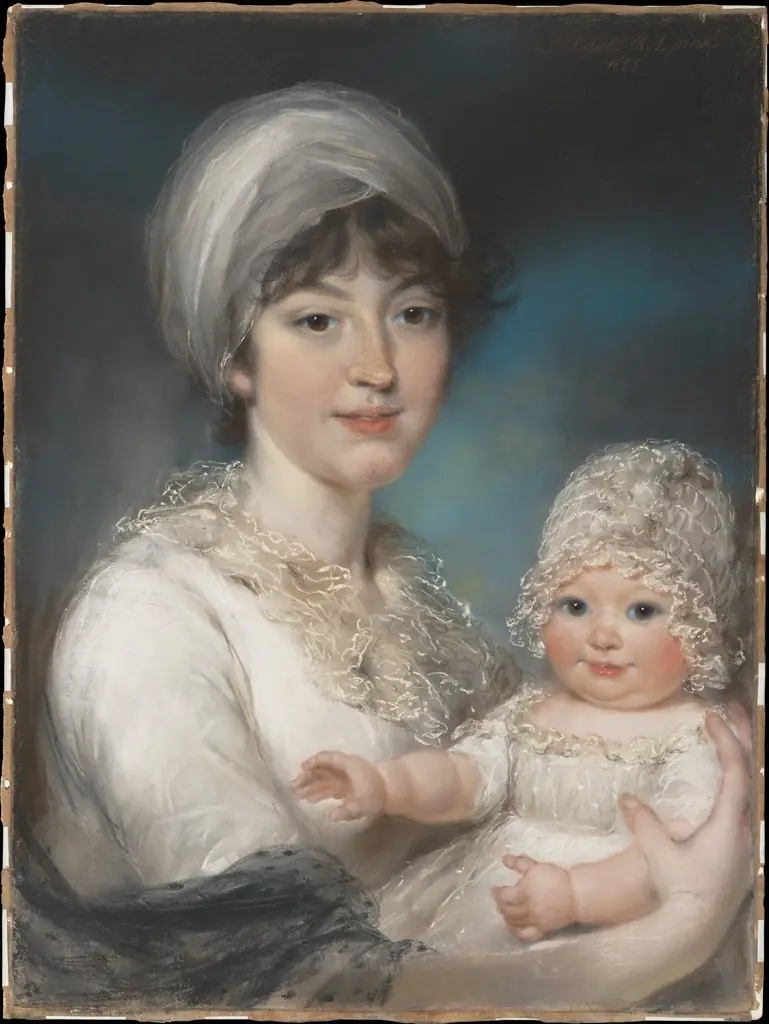 Mrs. Robert Shurlock (Henrietta Ann Jane Russell, 1775–1849) and Her Daughter Ann
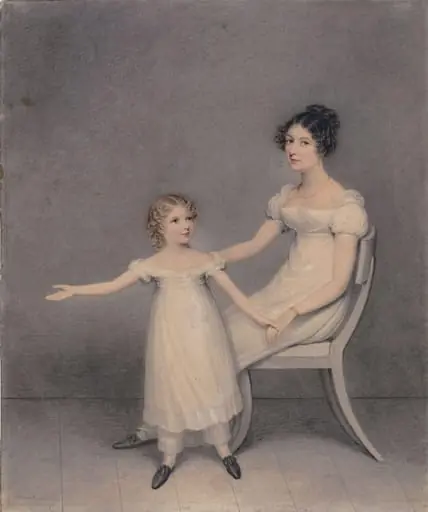 Lady Louth with her daughter
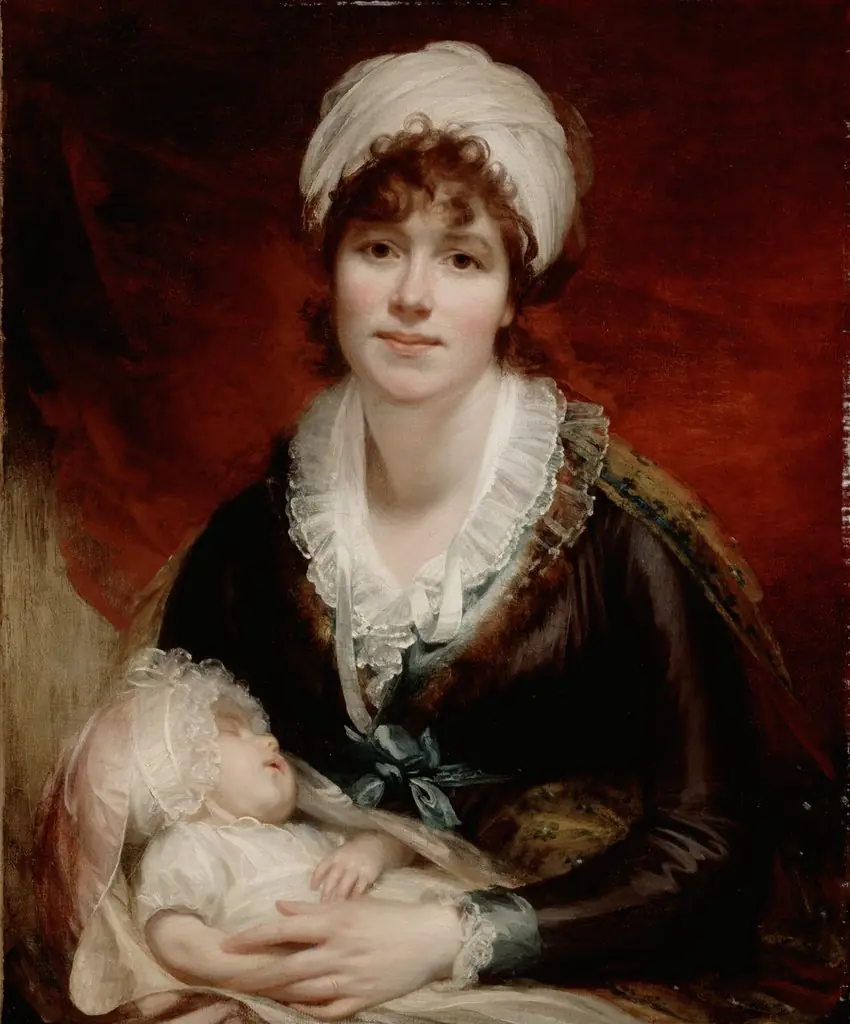 Lady Beechey and Her Baby
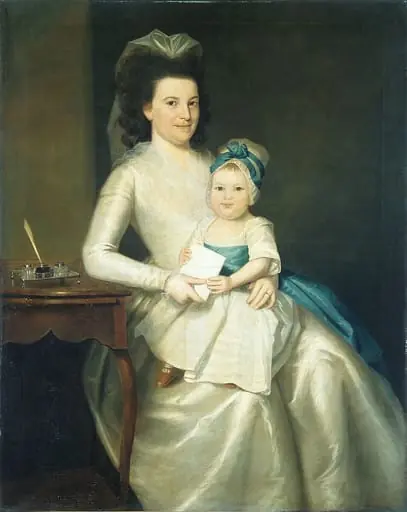 Lady Williams and Child
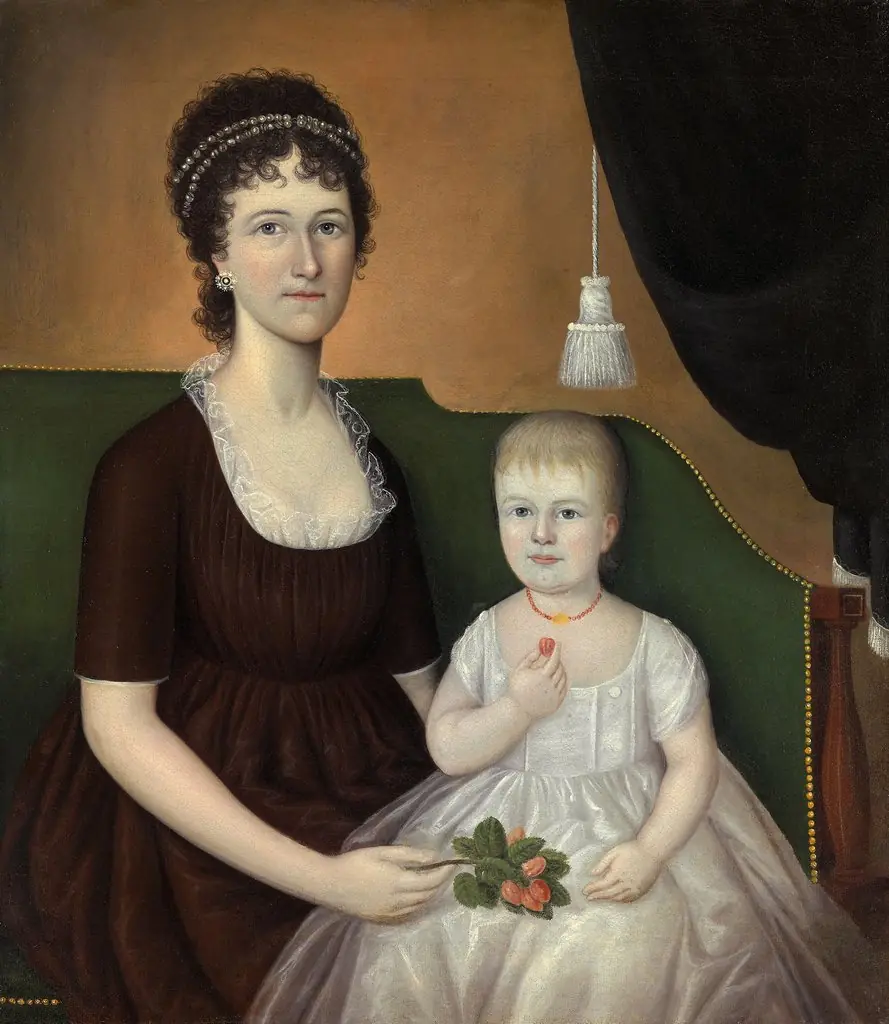 Mrs. Andrew Bedford Bankson and Son, Gunning Bedford Bankson
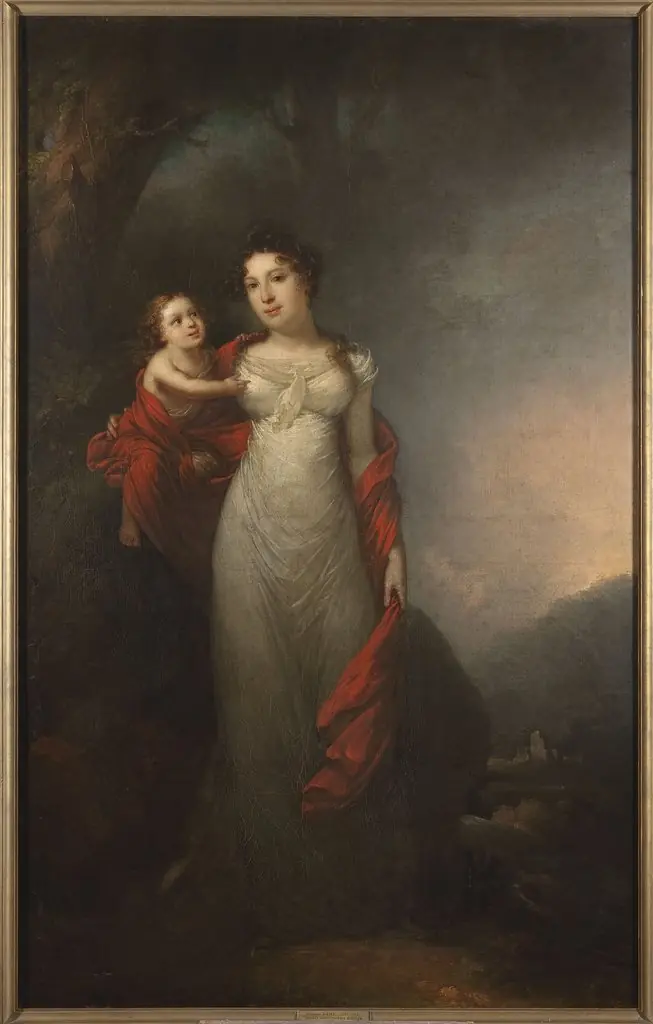 Portrait of Maria Morsztyn with her son
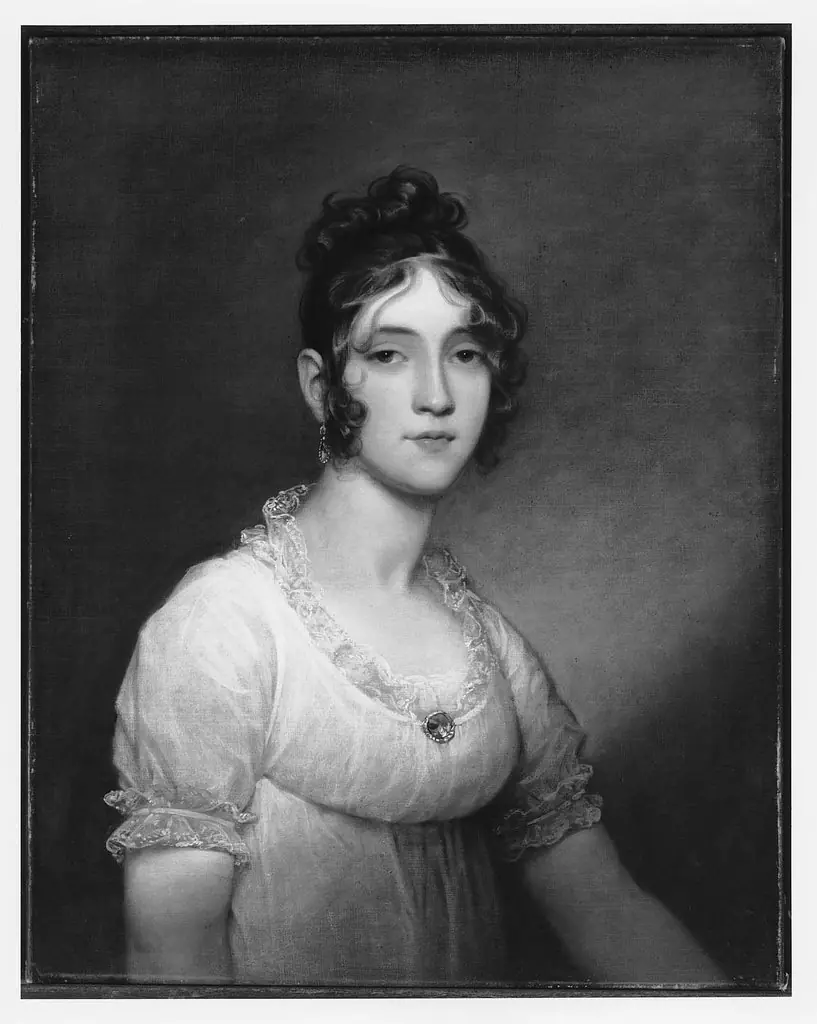 Mrs. Stephen Minot (Sally Minot)