Artwork
Adoration of the Shepherds
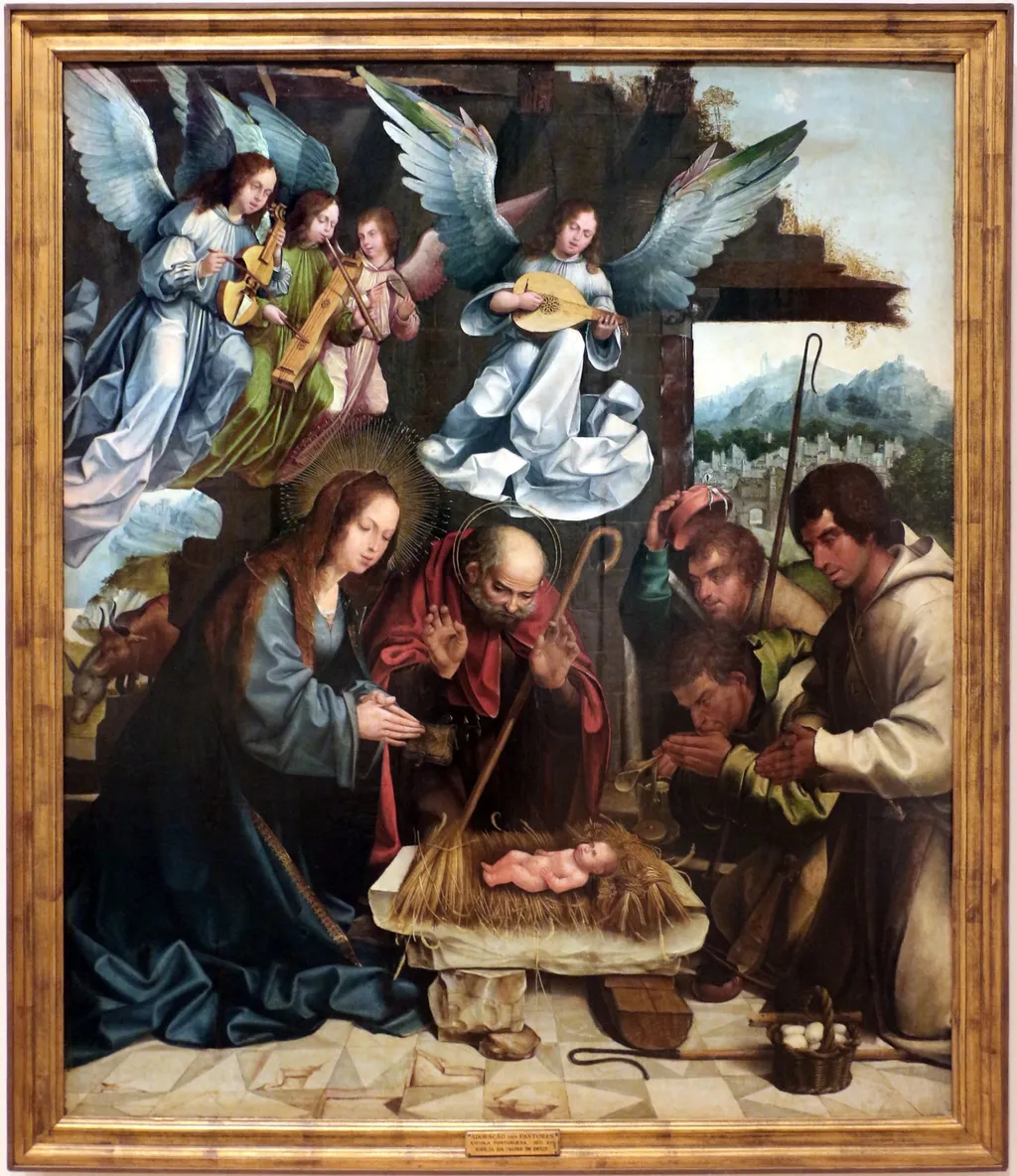
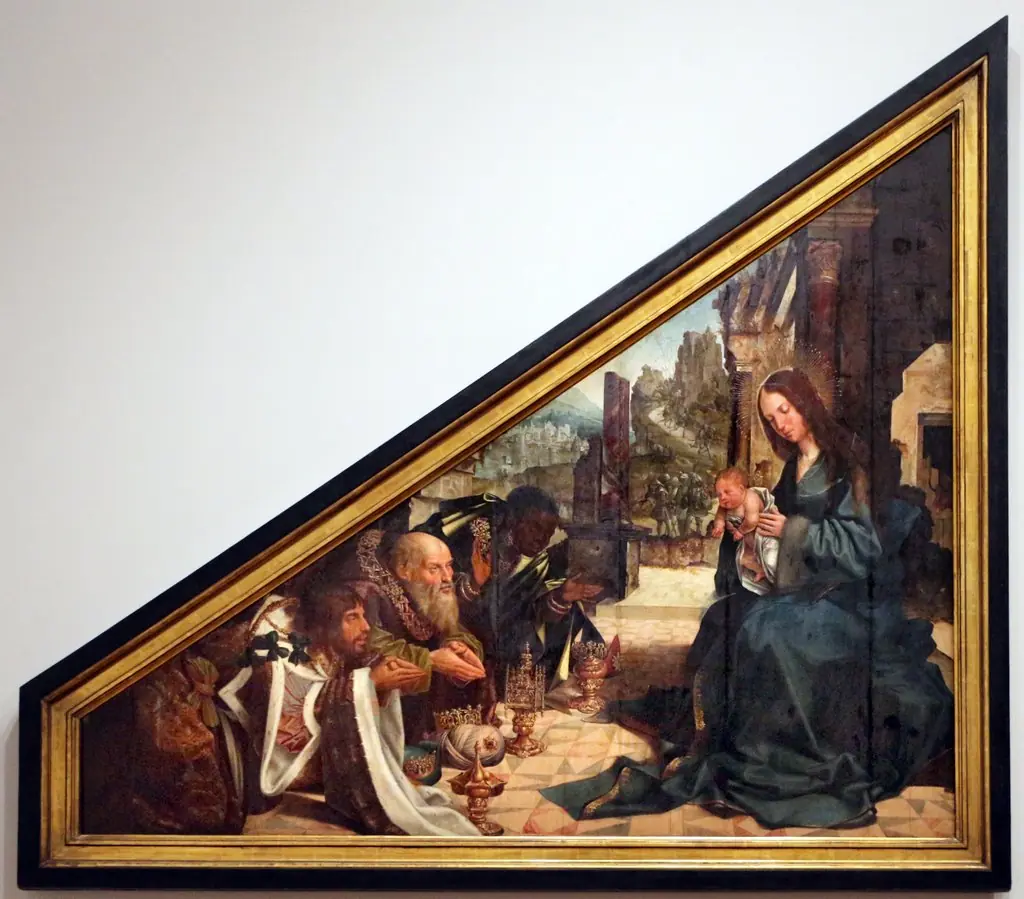
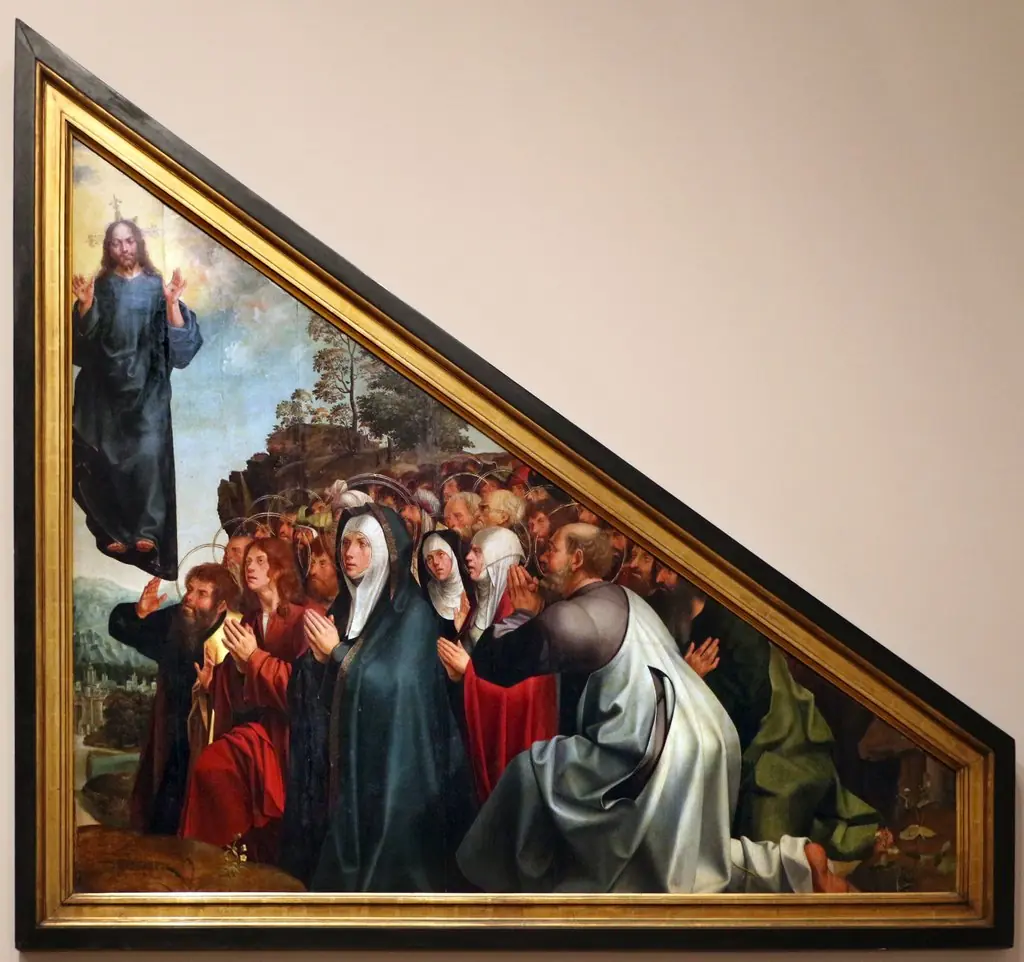
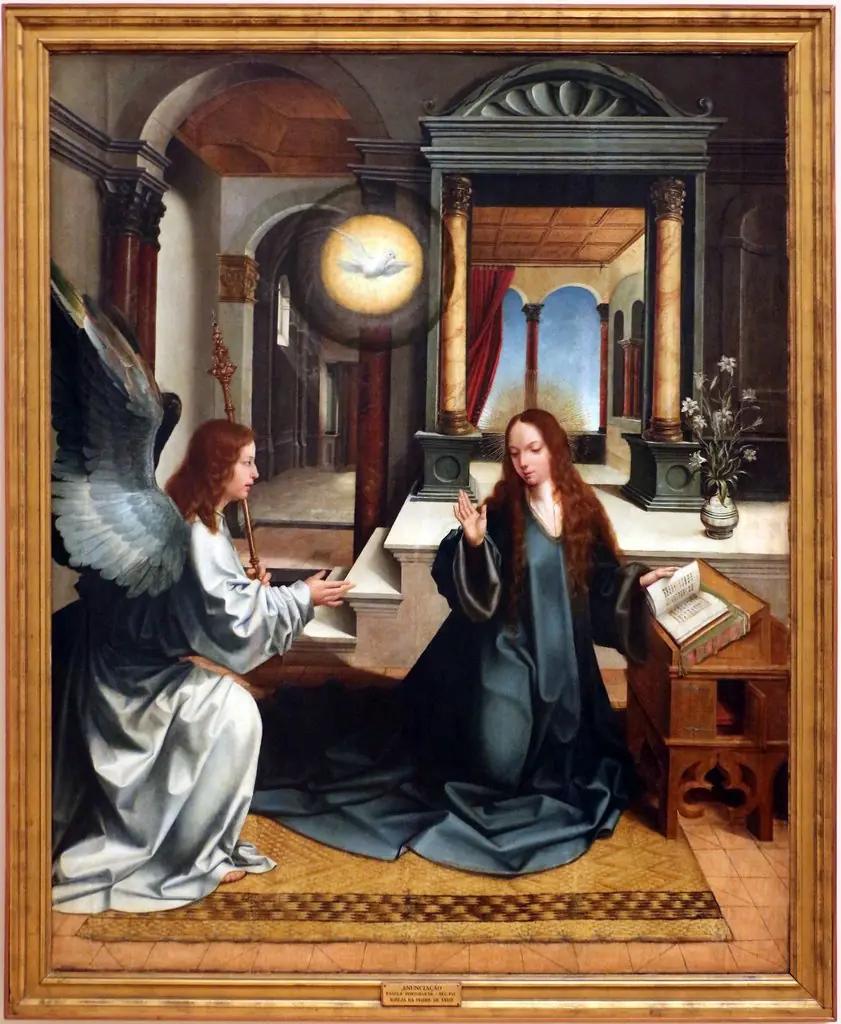
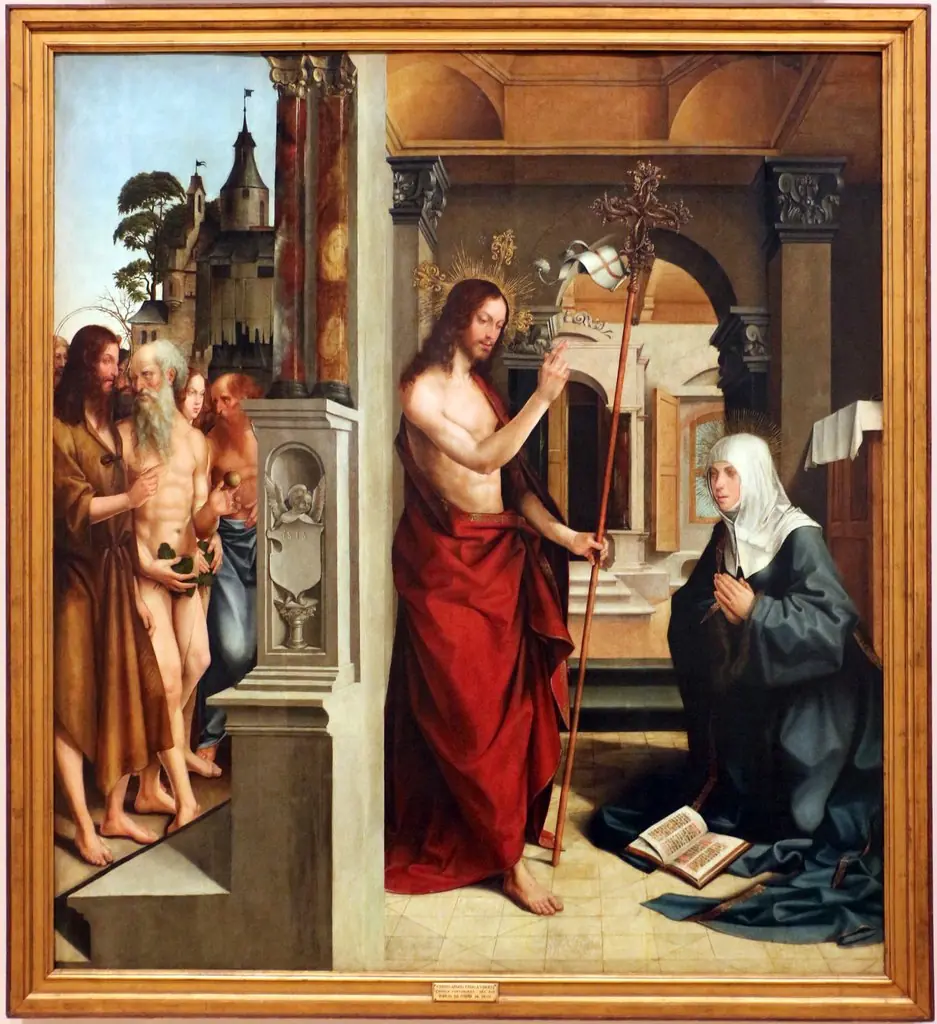
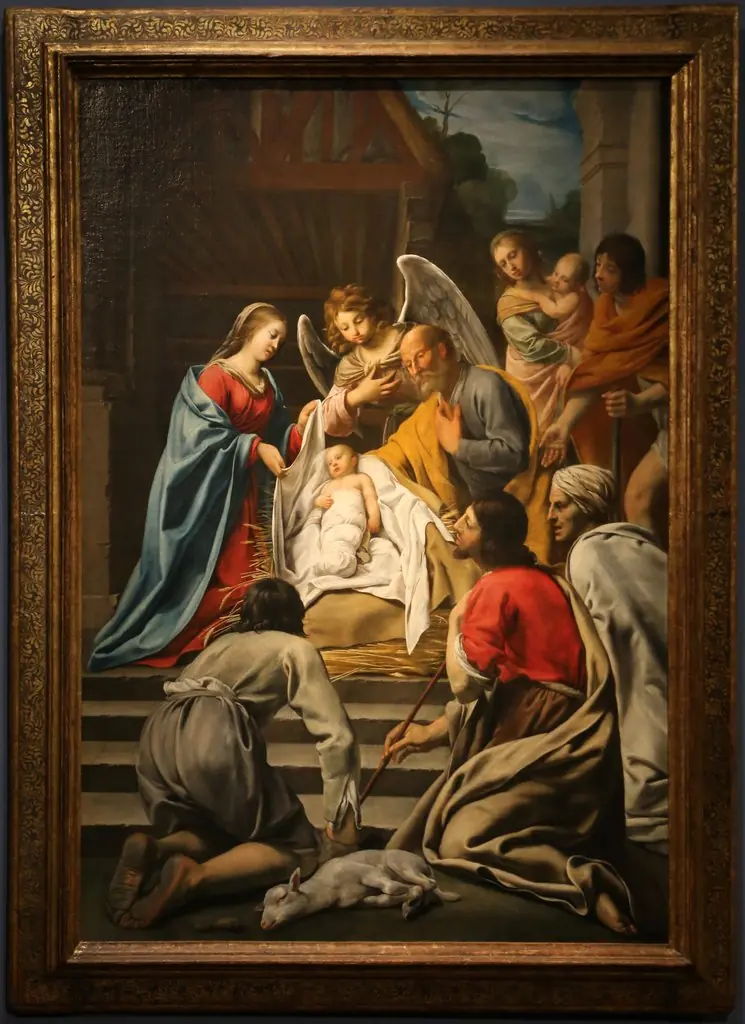
Adoration of the Shepherds is an unspecified painting by the High Renaissance artist Jorge Afonso. It dates from 1515 and is held in the collection of the National Museum of Ancient Art.
About this work
Overview
The painting resides today in the National Museum of Ancient Art in Lisbon, where it stands as a key example of early 16th-century Portuguese religious art.
Painted in 1515 by Jorge Afonso, the royal painter of Portugal, this work is a devotional image of the Nativity. Executed in the High Renaissance idiom, it reflects the influence of Italian models while maintaining a distinctly Portuguese sensibility. The painting resides today in the National Museum of Ancient Art in Lisbon, where it stands as a key example of early 16th-century Portuguese religious art.
Subject & Meaning
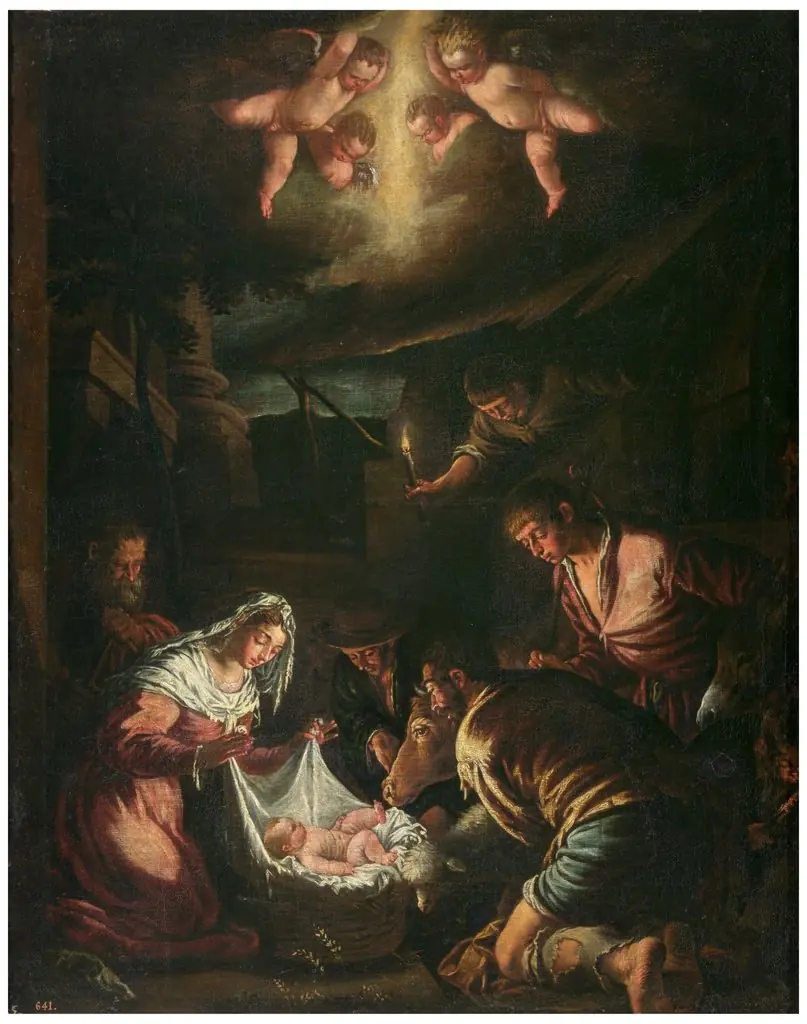
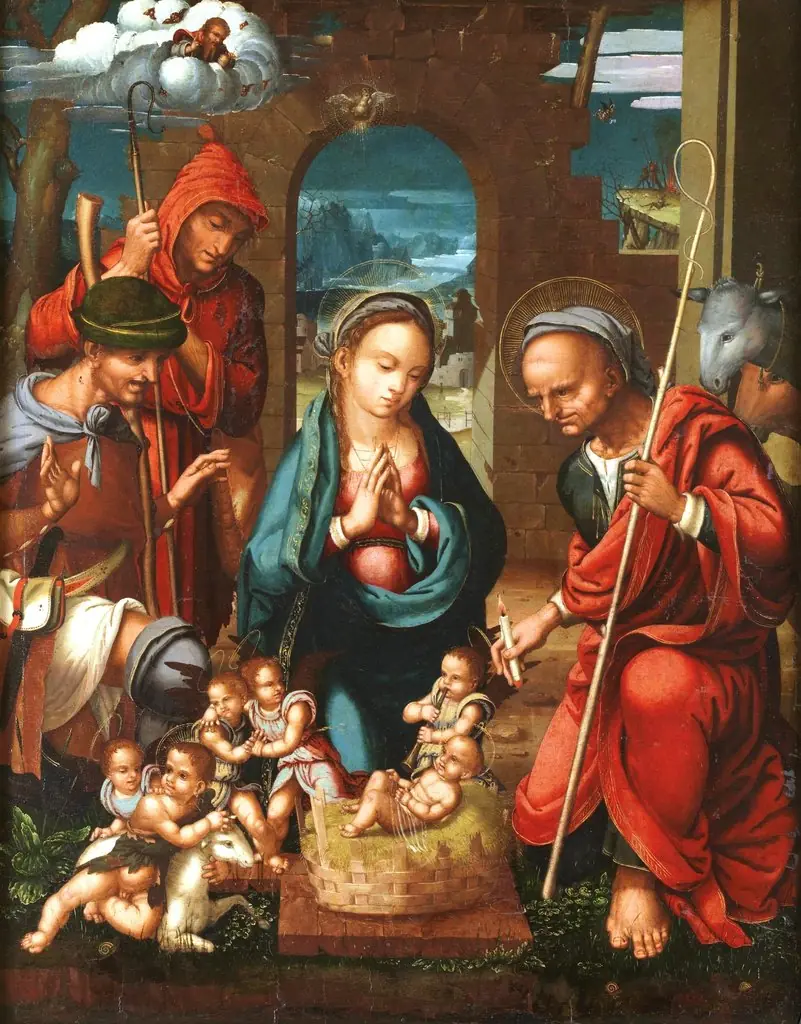
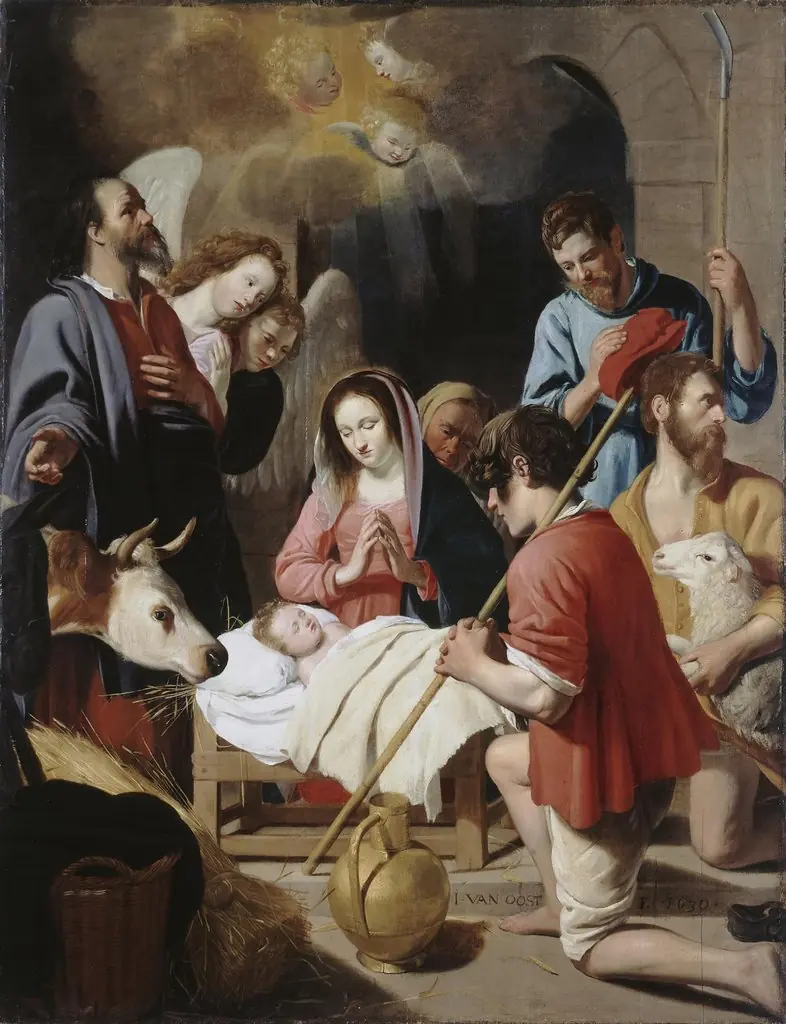
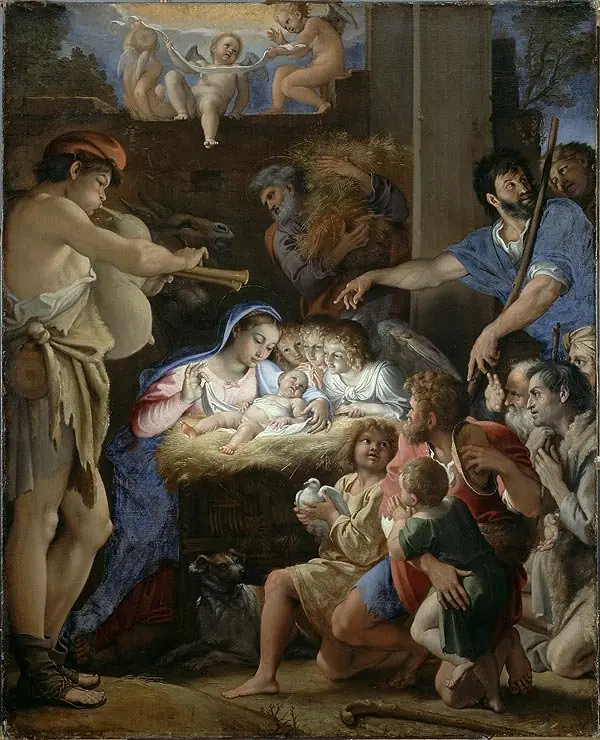
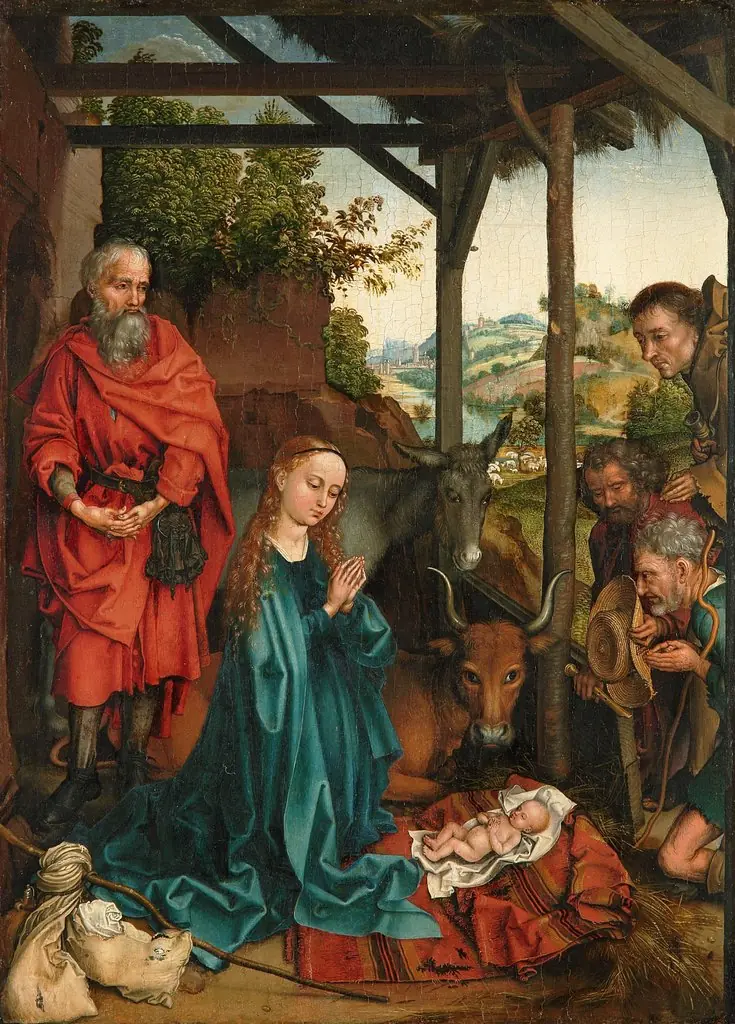
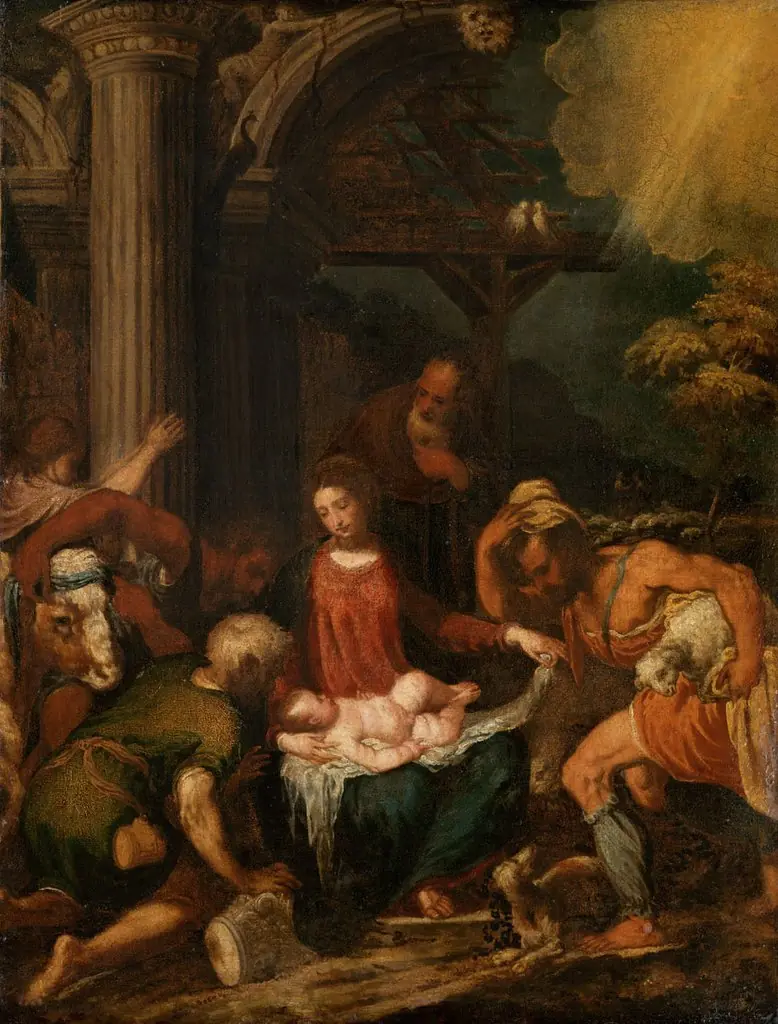
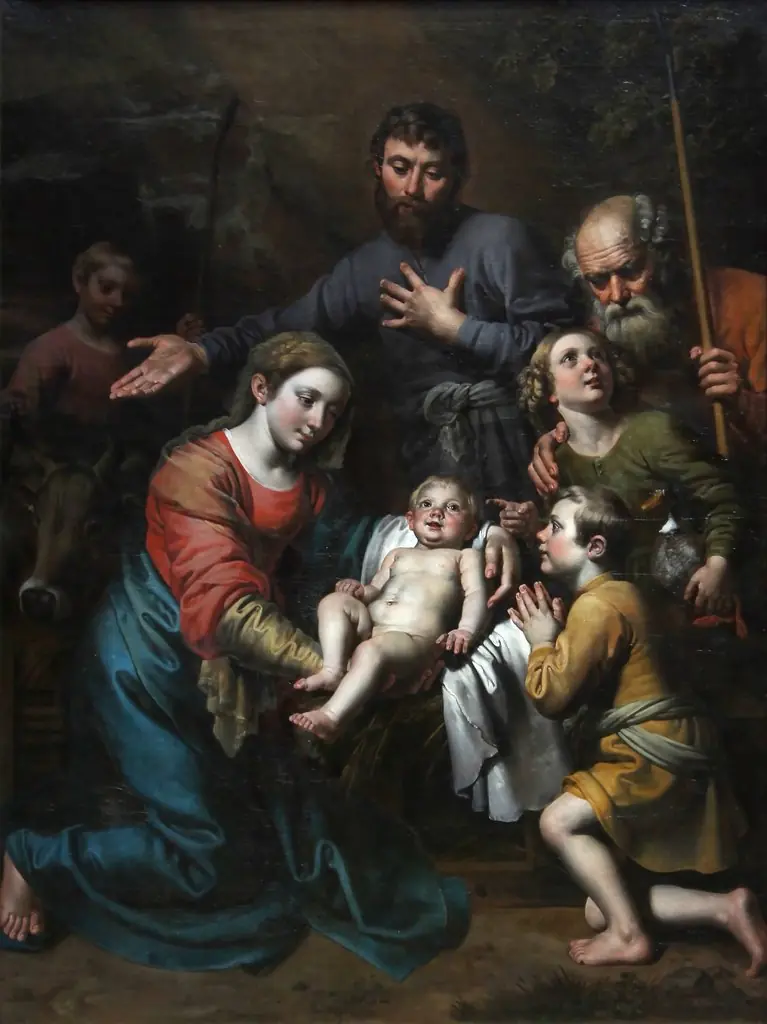
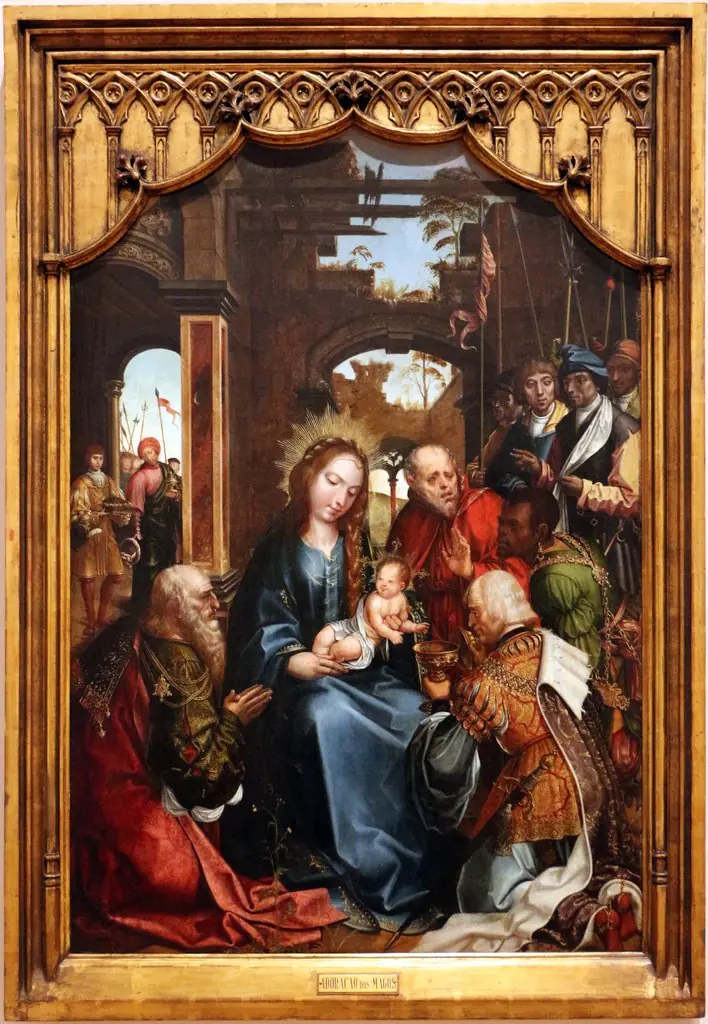
The scene captures the moment shepherds, guided by divine revelation, come to honor the newborn Christ. The Child lies on straw in a modest stable, surrounded by the Virgin Mary, Joseph, and two kneeling shepherds. Above, two angels play musical instruments, signaling celestial approval. The composition emphasizes humility and sacred presence, aligning with contemporary devotional ideals that valued quiet reverence over grandeur.
Technique & Style
Afonso employs subtle chiaroscuro to model forms and create spatial depth, particularly in the figures’ drapery and the stable’s interior. The palette is restrained, dominated by earth tones—ochres, browns, and muted blues—enhancing the scene’s intimacy. Lines are soft, forms are rounded, and the background landscape is rendered with delicate precision, suggesting a quiet harmony between the sacred event and its natural setting.
History & Provenance
Commissioned during Afonso’s second term as royal painter, the work likely originated in his Lisbon workshop near Igreja de São Domingos, where he trained numerous artists. It remained in Portuguese ecclesiastical collections before entering the National Museum of Ancient Art’s holdings. Its survival through centuries of political and religious change underscores its enduring cultural significance within Portugal’s artistic heritage.
Context
In early 16th-century Portugal, religious imagery served both spiritual and political functions. Afonso’s work reflects the influence of Flemish and Italian Renaissance styles, filtered through local traditions. The emphasis on naturalism and emotional restraint aligns with broader European trends, yet the painting’s modest scale and quiet tone reveal a uniquely Portuguese adaptation of Renaissance ideals.
Legacy
As one of the most accomplished works by Portugal’s leading court painter, it helped define the visual language of Portuguese religious art in the Renaissance. Afonso’s workshop became a training ground for subsequent generations, and this painting remains a touchstone for understanding how international styles were localized in a small but culturally active kingdom.
Artist & collection
Artist
Jorge Afonso (c. 1470 – 1540) was a noted Portuguese Renaissance painter. Jorge Afonso was nominated royal painter in 1508 by King Manuel I and again in 1529 by John III. He was mainly based in Lisbon, with a workshop…