Artwork
Untitled
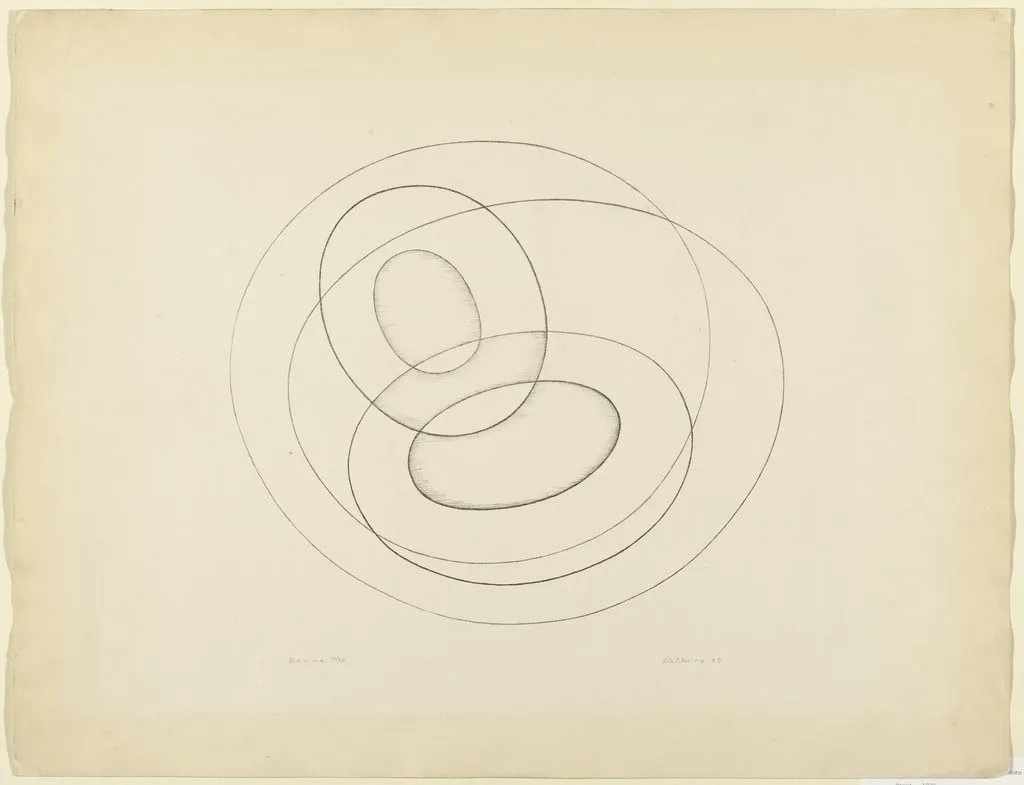
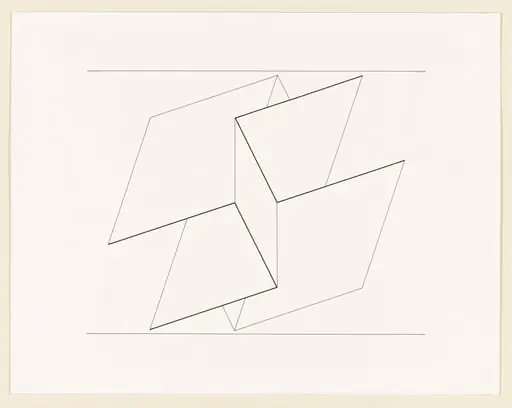
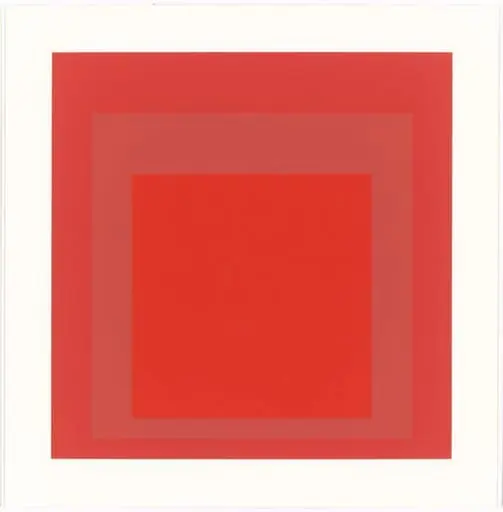
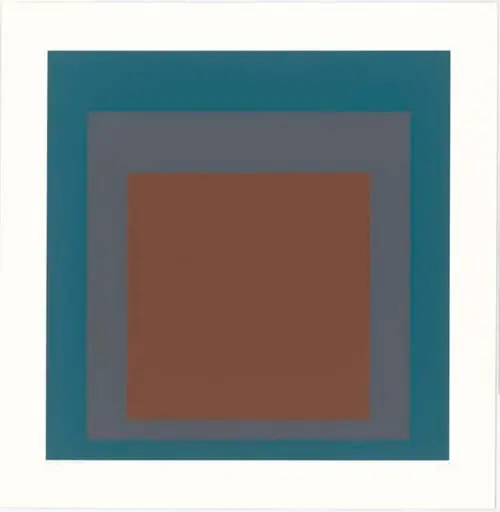
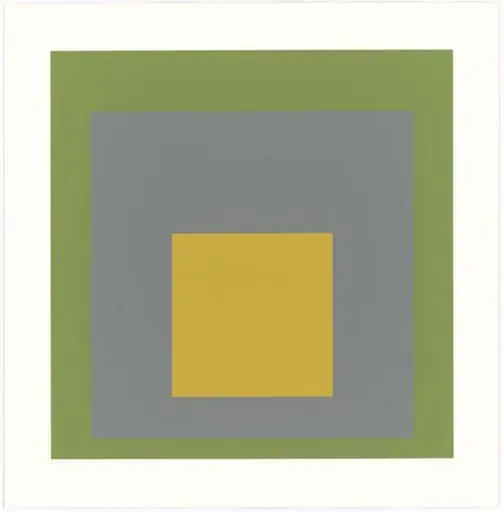
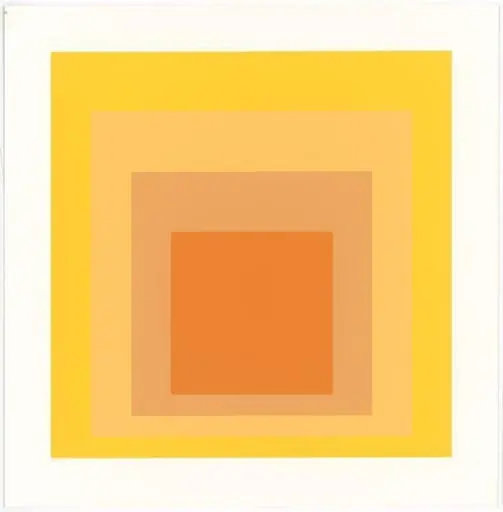
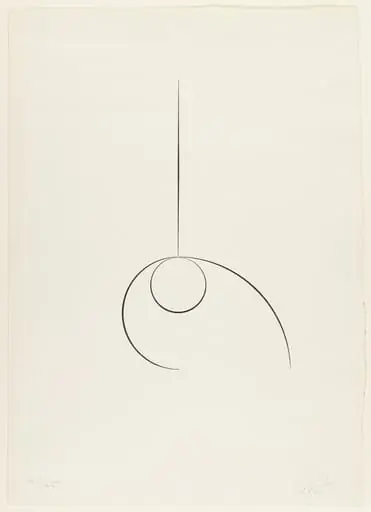
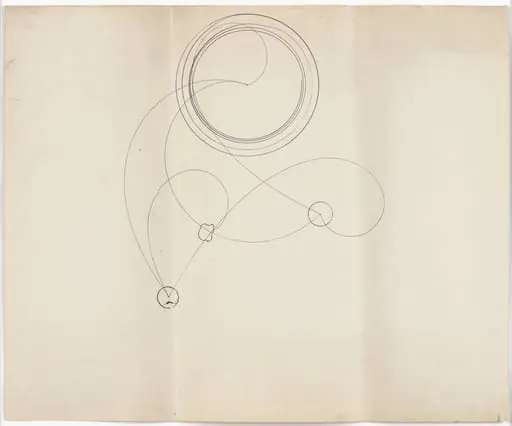
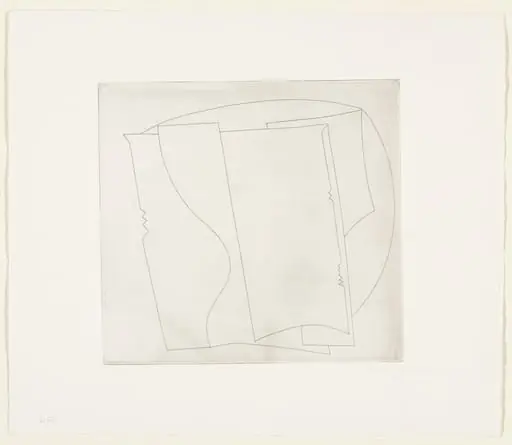
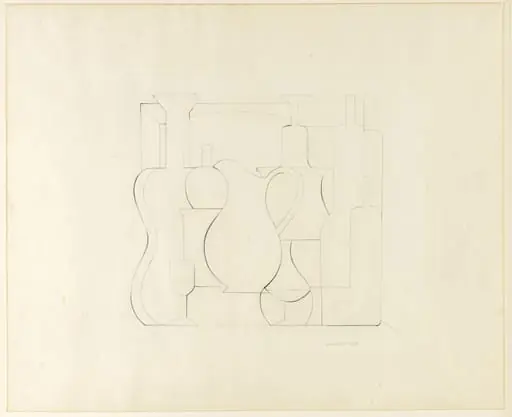
Untitled is an ink print by Josef Albers. It dates from 1939 and is held in the collection of the Museum of Modern Art.
About this work
Overview
Created during his early years at Black Mountain College, the work reflects his ongoing exploration of form and structure.
Josef Albers produced this lithograph in 1939, shortly after relocating to the United States. Created during his early years at Black Mountain College, the work reflects his ongoing exploration of form and structure. Though unassuming in appearance, it belongs to a body of drawings that preceded his more systematic color studies. The piece is held in the collection of The Museum of Modern Art, where it contributes to understanding his transition from European modernism to American abstraction.
Subject & Meaning
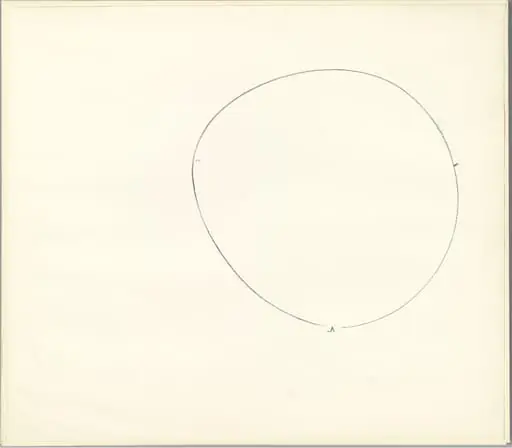
The image consists of loosely drawn, overlapping circles and ovals, rendered in faint pencil lines. There is no narrative or symbolic intent; instead, the composition investigates spatial relationships and visual balance. The irregularity of the forms suggests a process of observation rather than planning, emphasizing perception over representation. The absence of color or detail directs attention to the act of marking and the subtle tensions between shapes.
Technique & Style
Executed as a lithograph, the work translates the spontaneity of pencil on paper into a printed medium. The lines retain the gestural quality of hand-drawn sketches, with uneven curves and imperfect alignments preserved in the printing process. The plain beige paper and minimal marks reinforce a restrained aesthetic. Albers used lithography not for reproduction, but as a means to explore the physicality of line and the limits of control in mark-making.
History & Provenance
Created in 1939, this lithograph emerged during Albers’s formative period in the U.S., following his departure from the Bauhaus and his appointment at Black Mountain College. It was acquired by The Museum of Modern Art in the decades following its creation, as part of a broader effort to document the influence of European émigrés on American modernism. Its inclusion in the museum’s collection underscores its role in tracing the evolution of his artistic methodology.
Context
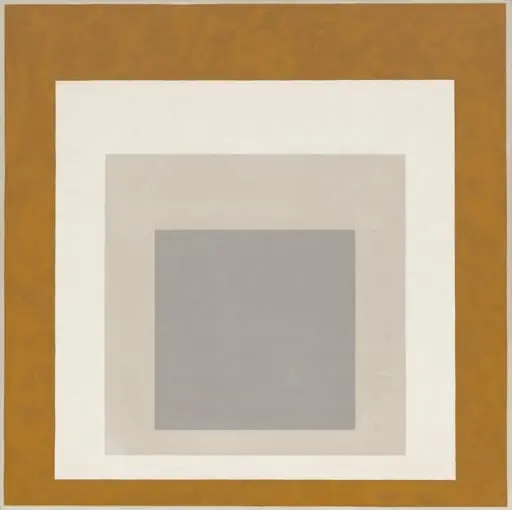
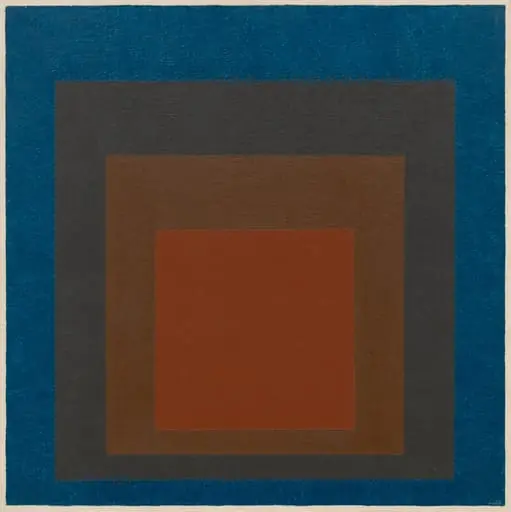
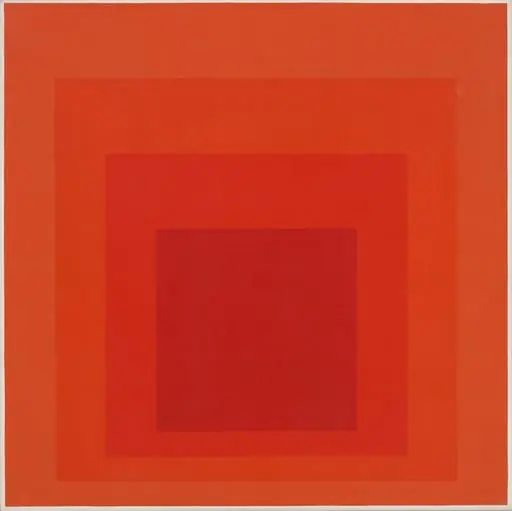
In the late 1930s, Albers was shifting from figurative work toward geometric abstraction, influenced by Bauhaus principles and his teaching environment. This drawing aligns with contemporaneous studies in which he examined basic forms to understand visual perception. Unlike his later Homage to the Square series, these early works remain open-ended, revealing a process of inquiry rather than resolved composition.
Legacy
This lithograph exemplifies Albers’s commitment to visual investigation over expressive gesture. It informed his pedagogical approach, emphasizing observation and material precision. While less known than his color studies, such works laid the groundwork for his systematic exploration of form. They continue to be referenced in discussions of modernist drawing and the role of process in abstraction.
Artist & collection
Artist
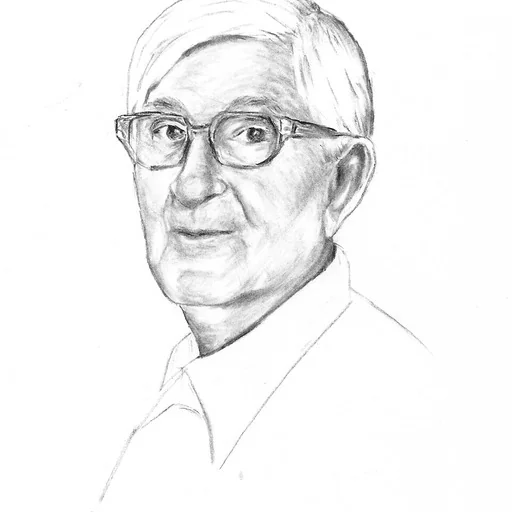
Josef Albers ( AL-bərz, US also AHL-, German: ; March 19, 1888 – March 25, 1976) was a German-born American artist and educator who is considered one of the most influential 20th-century art teachers in the United States.