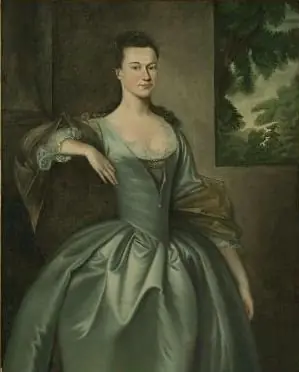
Artwork
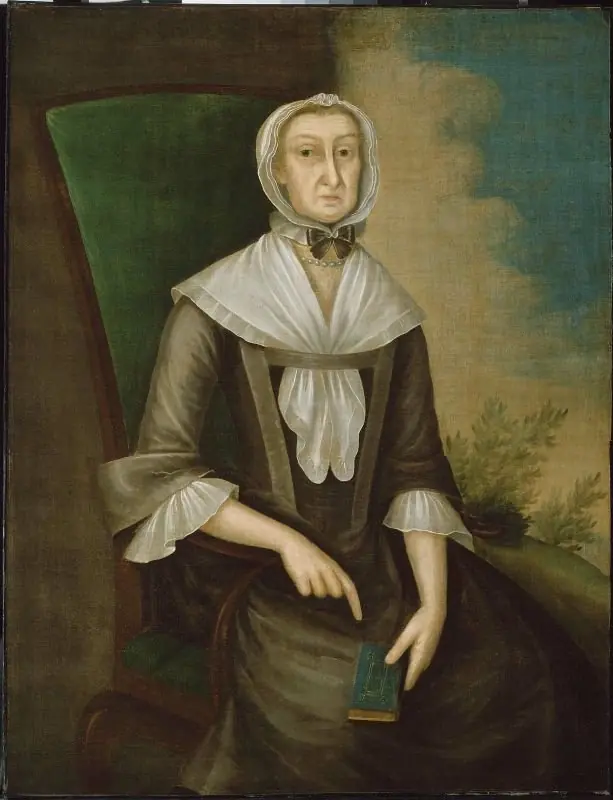
Mrs. William Foye (Elizabeth Campbell)
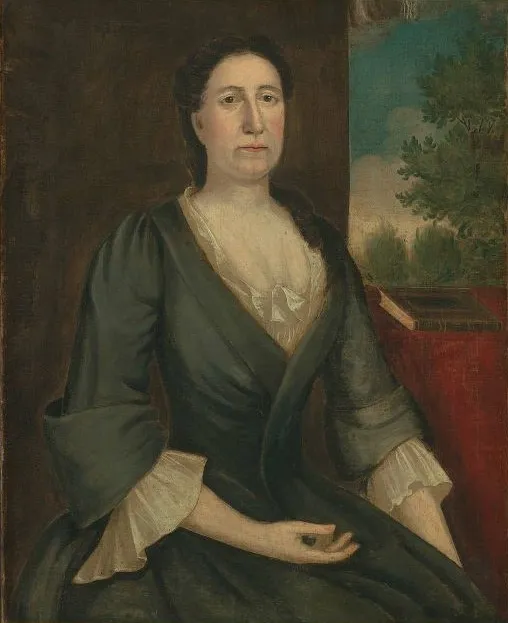
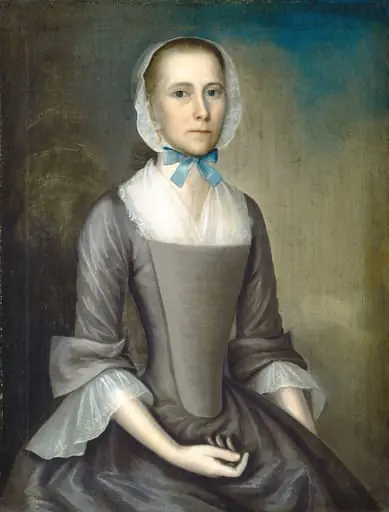
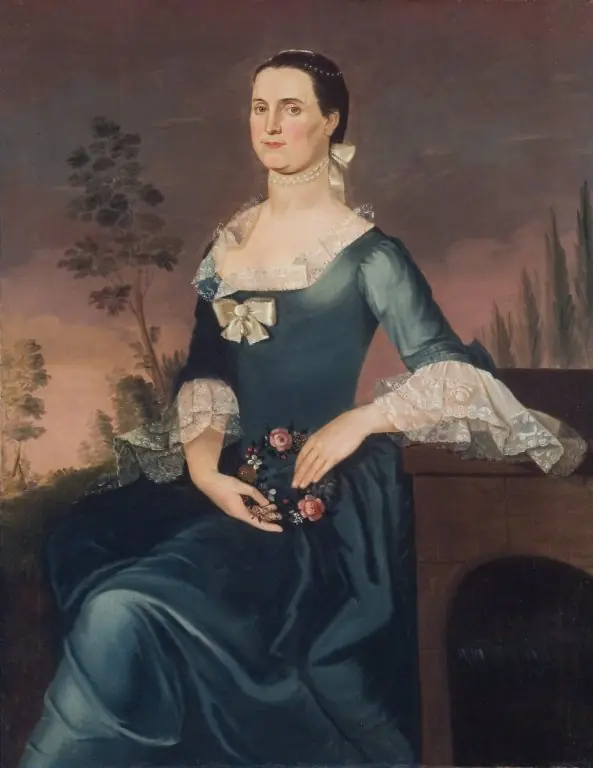
Mrs. William Foye (Elizabeth Campbell) is an oil painting by the Rococo painting artist Joseph Badger. It dates from 1750 and is held in the collection of the Museum of Fine Arts Boston.
About this work
Overview
The composition centers on the sitter’s composed posture and direct gaze, characteristic of colonial American portraiture.
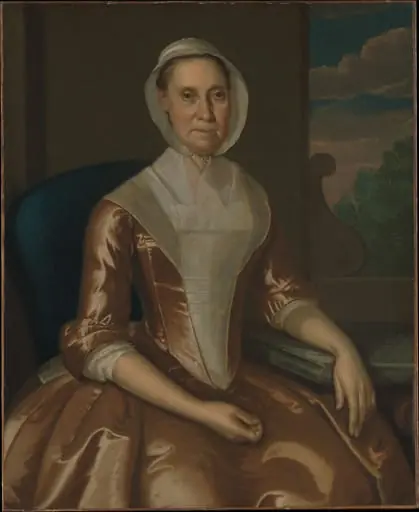
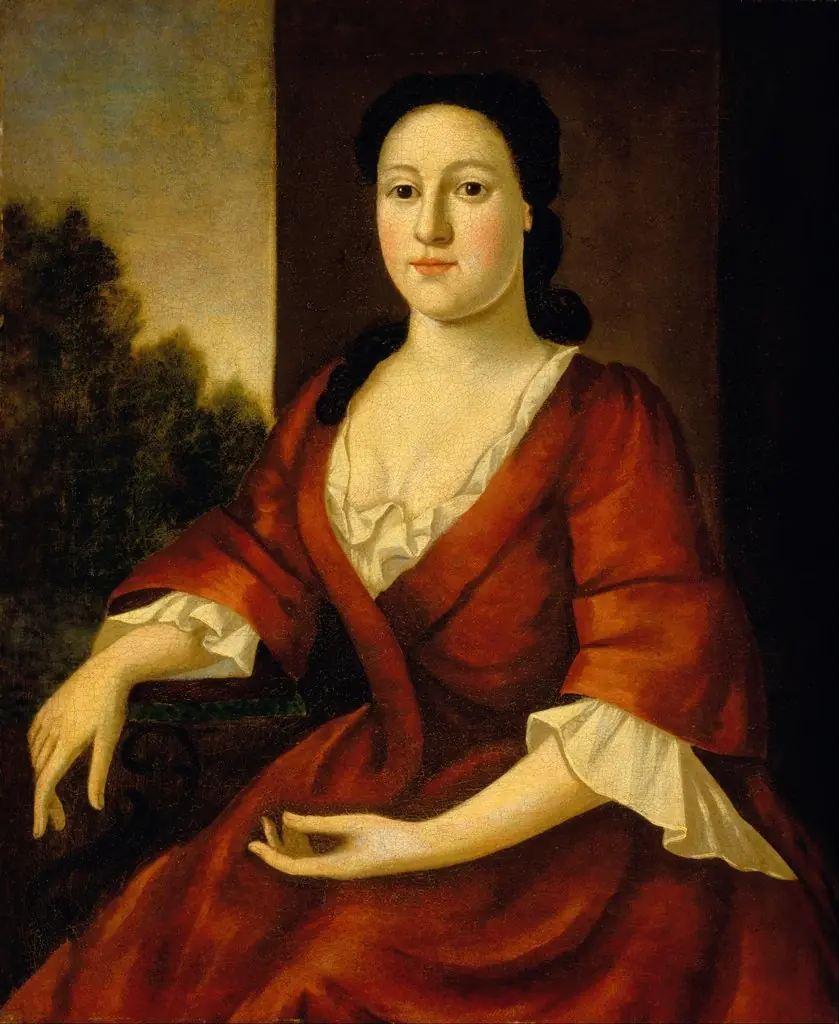
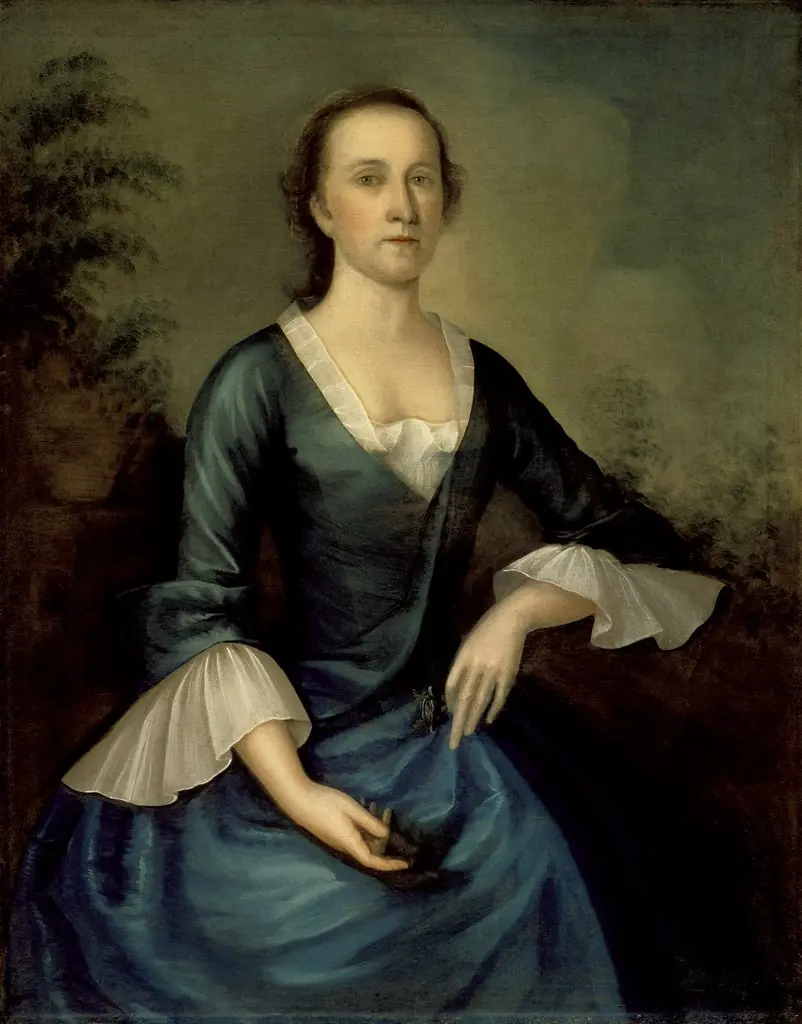
Painted around 1750, this portrait by Joseph Badger depicts Elizabeth Campbell, wife of William Foye. Executed in oil on canvas, it belongs to the collection of the Museum of Fine Arts, Boston. The composition centers on the sitter’s composed posture and direct gaze, characteristic of colonial American portraiture. The muted palette and restrained setting reflect the period’s emphasis on dignity over ornamentation.
Subject & Meaning
Elizabeth Campbell is portrayed not as a figure of theatrical grandeur but as a quiet, composed individual. Her neutral expression and steady gaze suggest self-possession rather than performative elegance. The inclusion of a book and a potted plant implies literacy and cultivated taste, common markers of social refinement among colonial elites. The absence of elaborate symbols points to an understated assertion of status through personal demeanor.
Technique & Style
Badger employed a subdued color scheme, allowing the dark green of the dress to anchor the composition against a near-black background. Fine detailing in the lace ruffles and the texture of the book’s cover reveals careful observation, though the rendering remains somewhat flat, typical of provincial American painters lacking formal academic training. The lighting is even, avoiding dramatic contrasts, reinforcing the portrait’s calm, intimate tone.
History & Provenance
The painting remained within the Foye family for generations before entering the Museum of Fine Arts, Boston’s collection. Its survival through the 18th and 19th centuries reflects the family’s continued social standing. Documentation linking the work to Elizabeth Campbell and Joseph Badger is consistent with regional records of colonial portraiture, though few records of Badger’s commissions survive in detail.
Context
In mid-18th century Boston, portraiture served as a means of asserting identity among the merchant and professional classes. Artists like Badger, self-taught and locally active, filled a demand for likenesses among those who could not afford European-trained painters. This portrait reflects a transitional moment: colonial subjects sought to emulate European norms while working within limited artistic resources and training.
Legacy
Joseph Badger’s work, including this portrait, contributes to the understanding of early American art beyond the elite centers of London or Paris. The painting exemplifies how local artists adapted European conventions to suit colonial tastes and resources. Today, it stands as a quiet testament to the aspirations and self-representation of New England’s middling elite in the decades before the Revolution.
Artist & collection

Artist
Joseph Badger was born on March 14, 1707/8, in Charlestown, Massachusetts, the son of Stephen Badger, a tailor, and Mercy Kettell.