Artwork
Mrs.Thomas Mumford
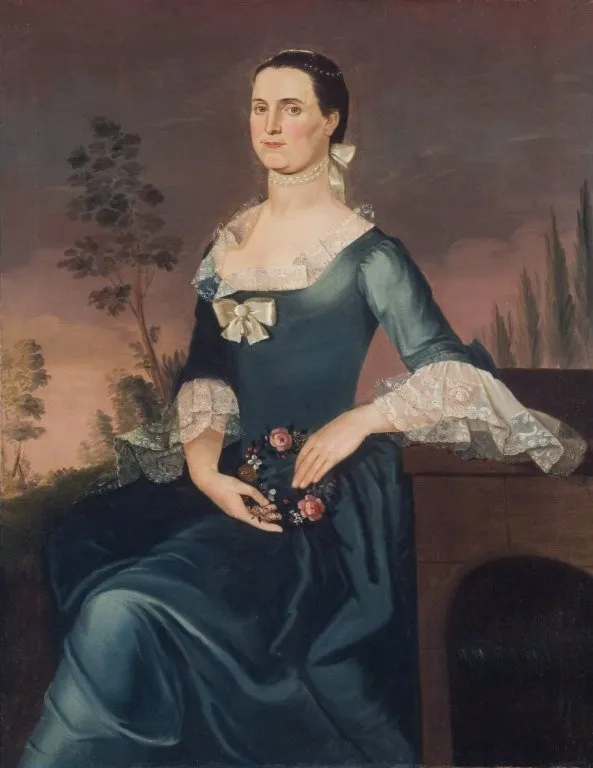
Mrs.Thomas Mumford is an oil painting by the Rococo painting artist William Johnston. It dates from 1763 and is held in the collection of the Brooklyn Museum. Painted in 1763, this oil portrait captures Mrs.
About this work
Overview
Painted in 1763, this oil portrait captures Mrs. Thomas Mumford, a woman of colonial American society. Created by William Johnston, a painter active in New York and Rhode Island, the work is part of the Brooklyn Museum’s collection. It exemplifies the refined portraiture favored by the provincial elite during the mid-18th century, blending personal dignity with decorative detail.
Subject & Meaning
The tranquil landscape behind her implies a connection to cultivated nature, a common trope linking domestic virtue with the idealized rural world.
The sitter, Mrs. Thomas Mumford, is portrayed with quiet composure, her posture and attire signaling social standing. Her blue dress, adorned with lace and a floral pattern, reflects contemporary fashion, while the white ribbon and carefully arranged hair suggest modesty and refinement. The tranquil landscape behind her implies a connection to cultivated nature, a common trope linking domestic virtue with the idealized rural world.
Technique & Style
Johnston employed smooth brushwork to render fabric textures and skin tones, emphasizing the sitter’s elegance without overt drama. The background landscape is rendered with loose, atmospheric strokes, contrasting with the precise detailing of her dress and accessories. This balance between foreground formality and softened scenery was typical of colonial American portraiture, prioritizing status over psychological depth.
History & Provenance
The painting remained within the Mumford family until its acquisition by the Brooklyn Museum. Its survival through multiple generations reflects its value as a family heirloom and a marker of lineage. The museum’s records confirm its creation date and attribution to Johnston, whose documented works from this period are relatively scarce, making this portrait a significant example of his output.
Context
In 1760s colonial America, portraiture was a luxury reserved for the wealthy, often commissioned to affirm social identity. Johnston, though not formally trained in Europe, adapted European conventions to local tastes. His portraits, including this one, reveal how American patrons sought to align themselves with transatlantic ideals of gentility through dress, setting, and pose.
Legacy
Mrs. Thomas Mumford’s portrait endures as a representative work of early American portraiture, illustrating the intersection of personal identity and cultural aspiration. It contributes to scholarly understanding of how colonial artists synthesized European models with regional sensibilities, offering insight into the visual language of status in pre-Revolutionary society.
Artist & collection

Artist
William Johnston liked to paint faces that feel like they’ve just stepped in from the cold.

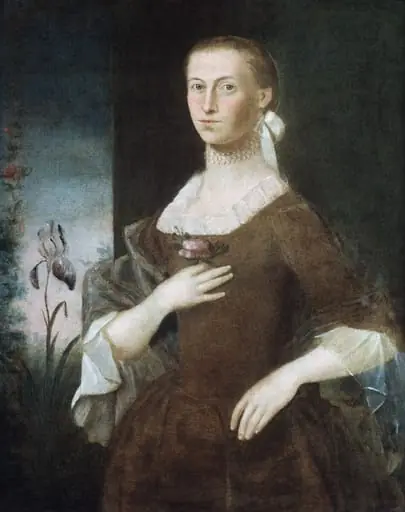
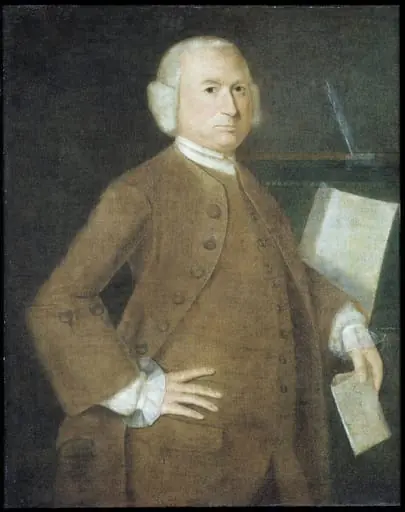
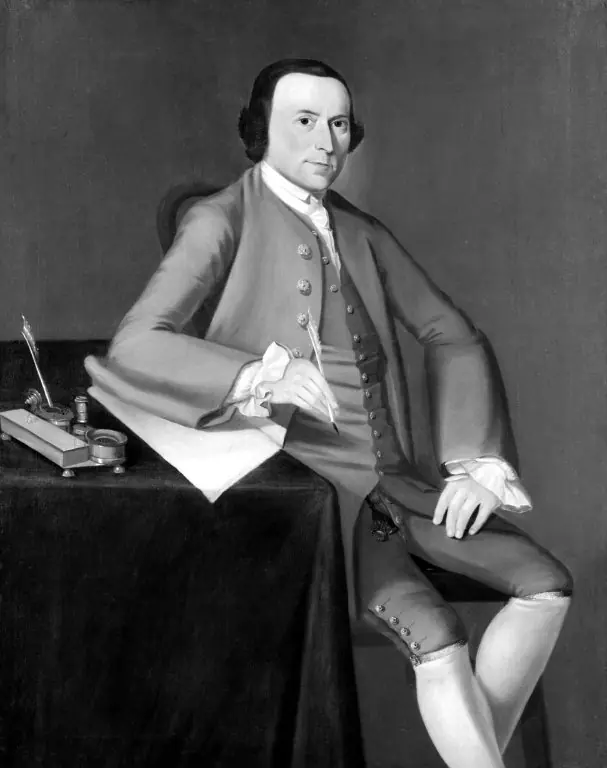
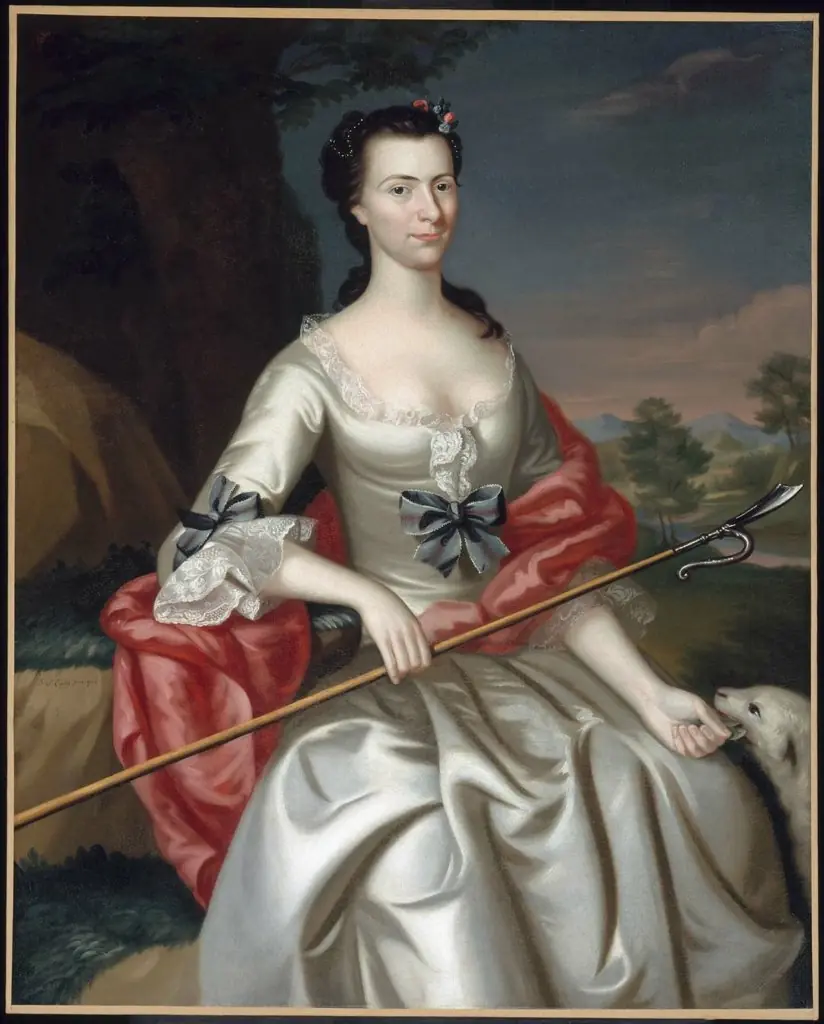 Ann Tyng (Mrs. Thomas Smelt)
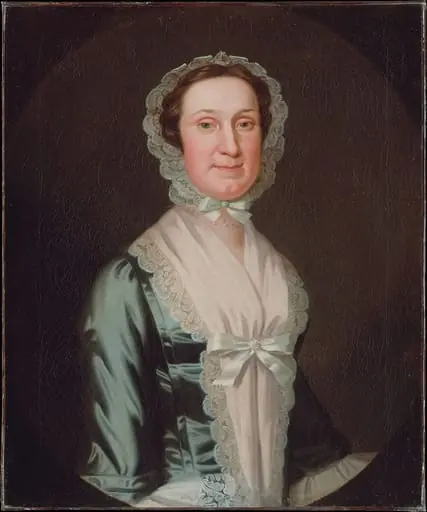 Mrs. Joseph Reade
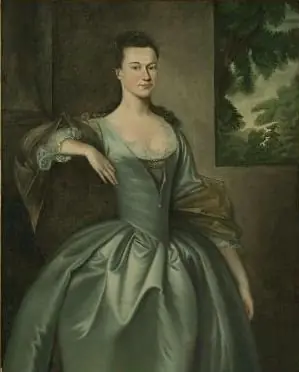 Mrs. Joseph Blaney (Abigail Browne).
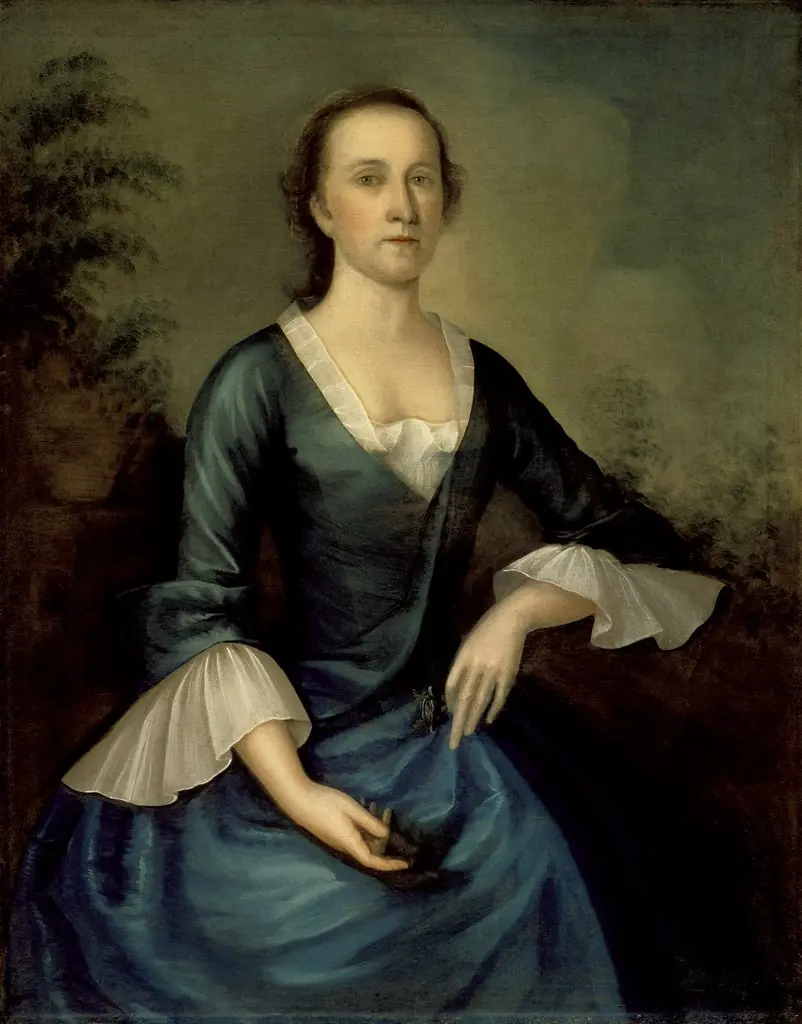 Portrait of Sarah Larrabee Edes
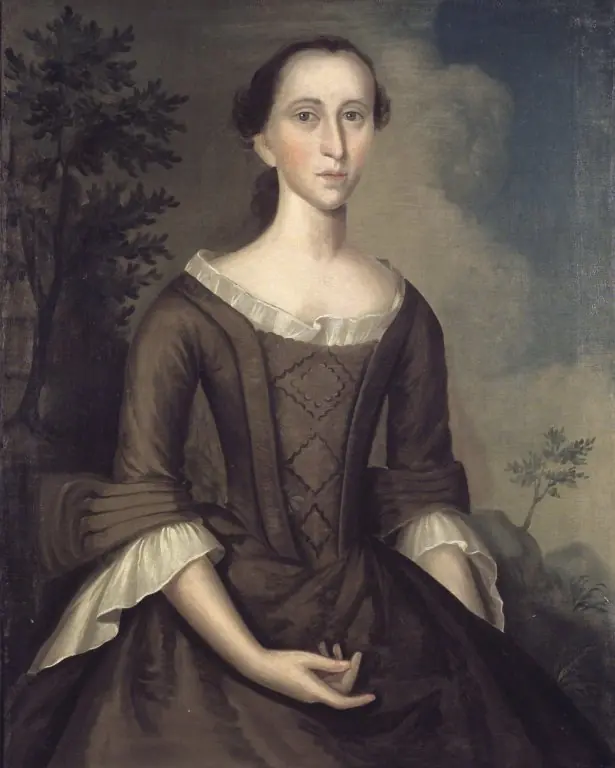 Mrs. John Haskins (née Hannah Upham)
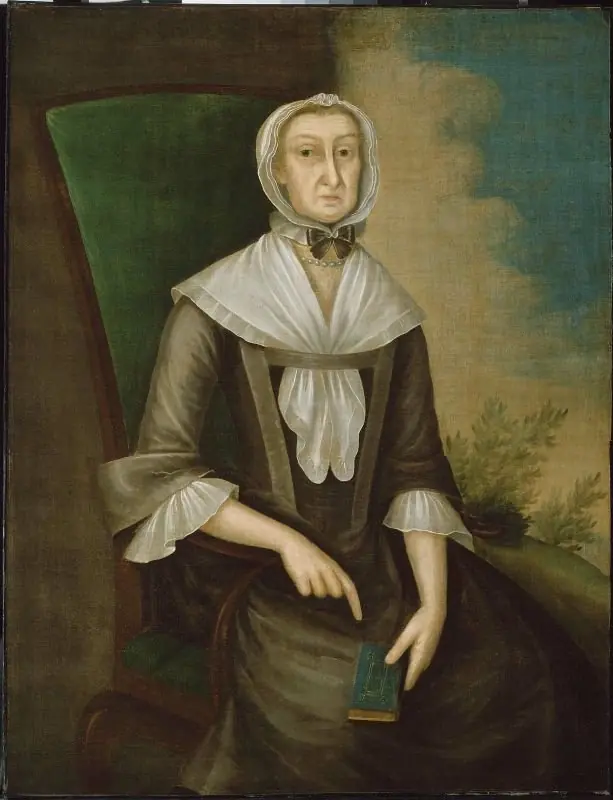 Mrs. John Edwards (Abigail Fowle)
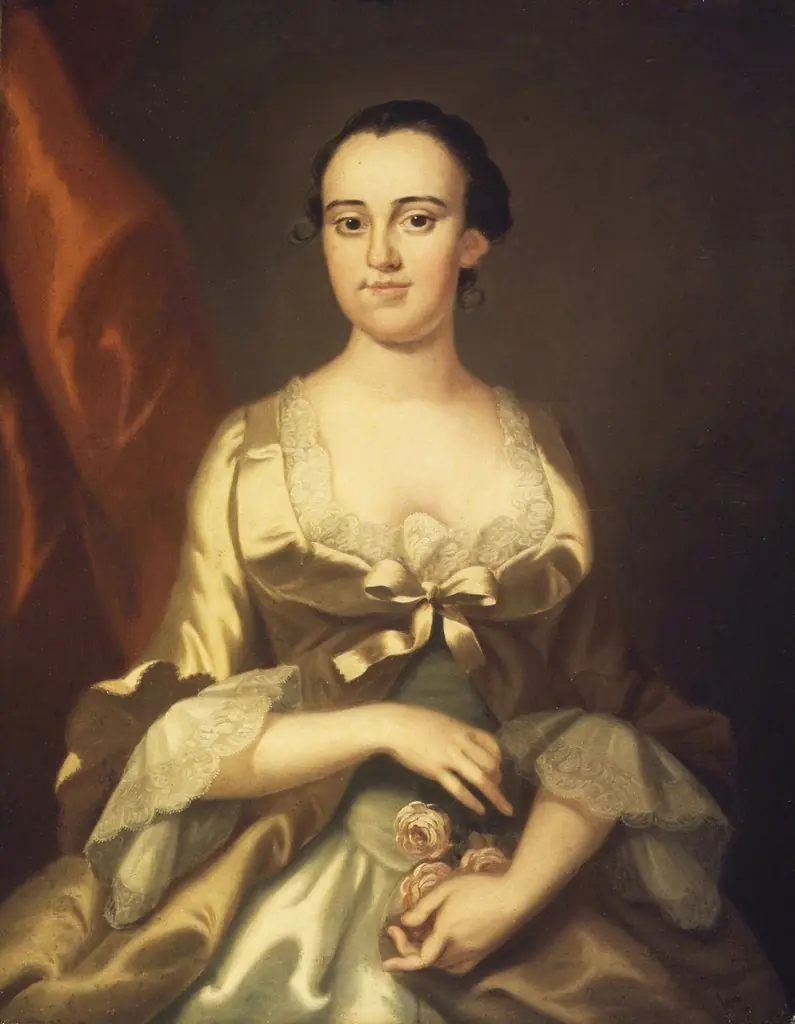 Mrs. William Allen
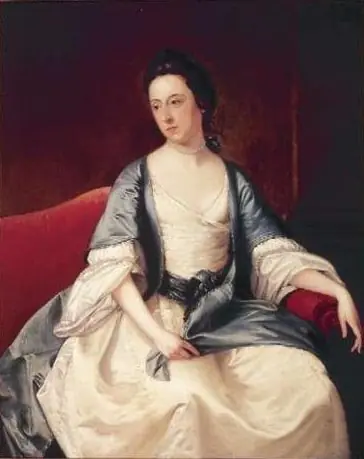 Anne Borrow (d.1799)
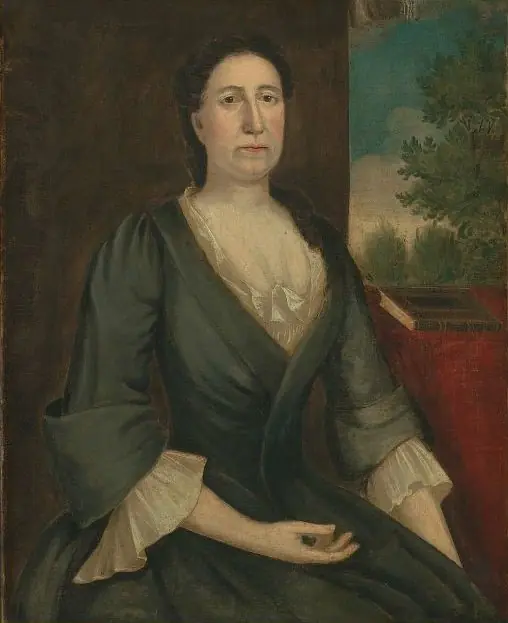 Mrs. William Foye (Elizabeth Campbell)
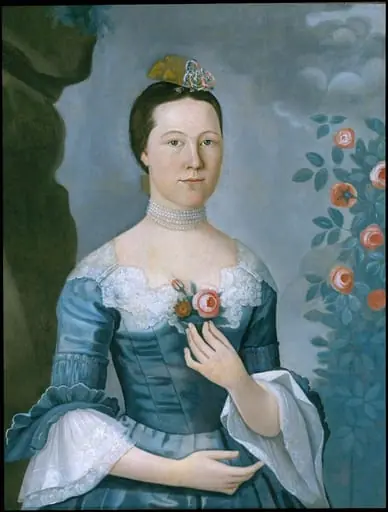 Susannah or Mary Bontecou
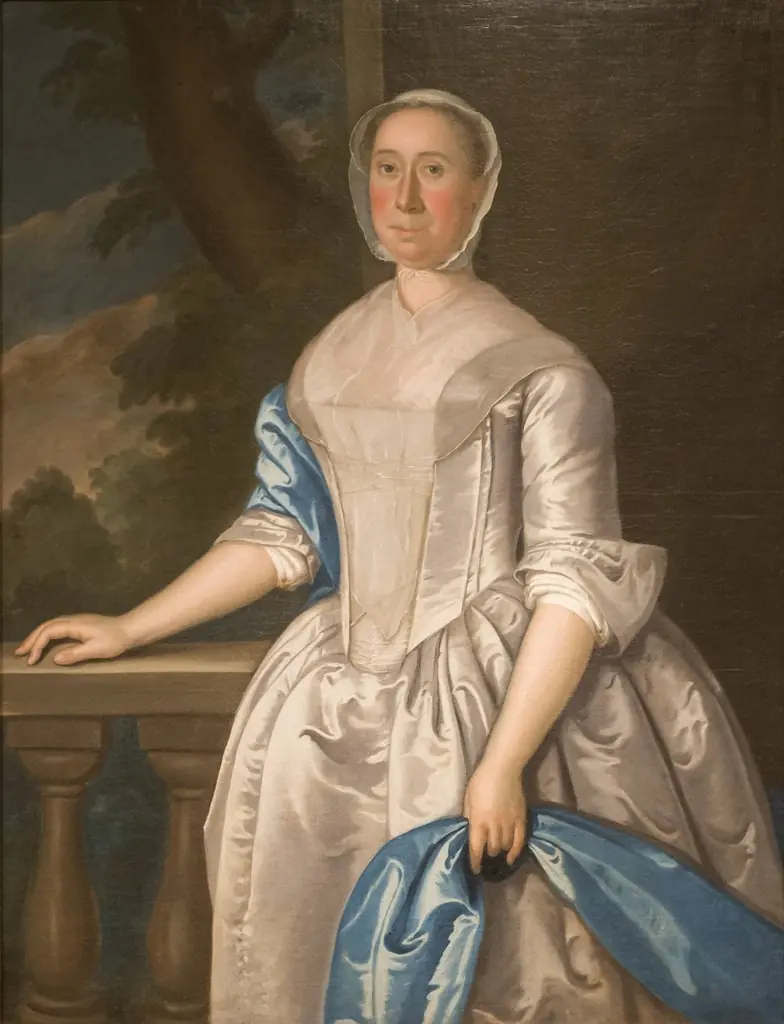 Mrs. Thomas Sprigg