Artwork
Portret van een voornaam man met zijn dochter en een jachthond
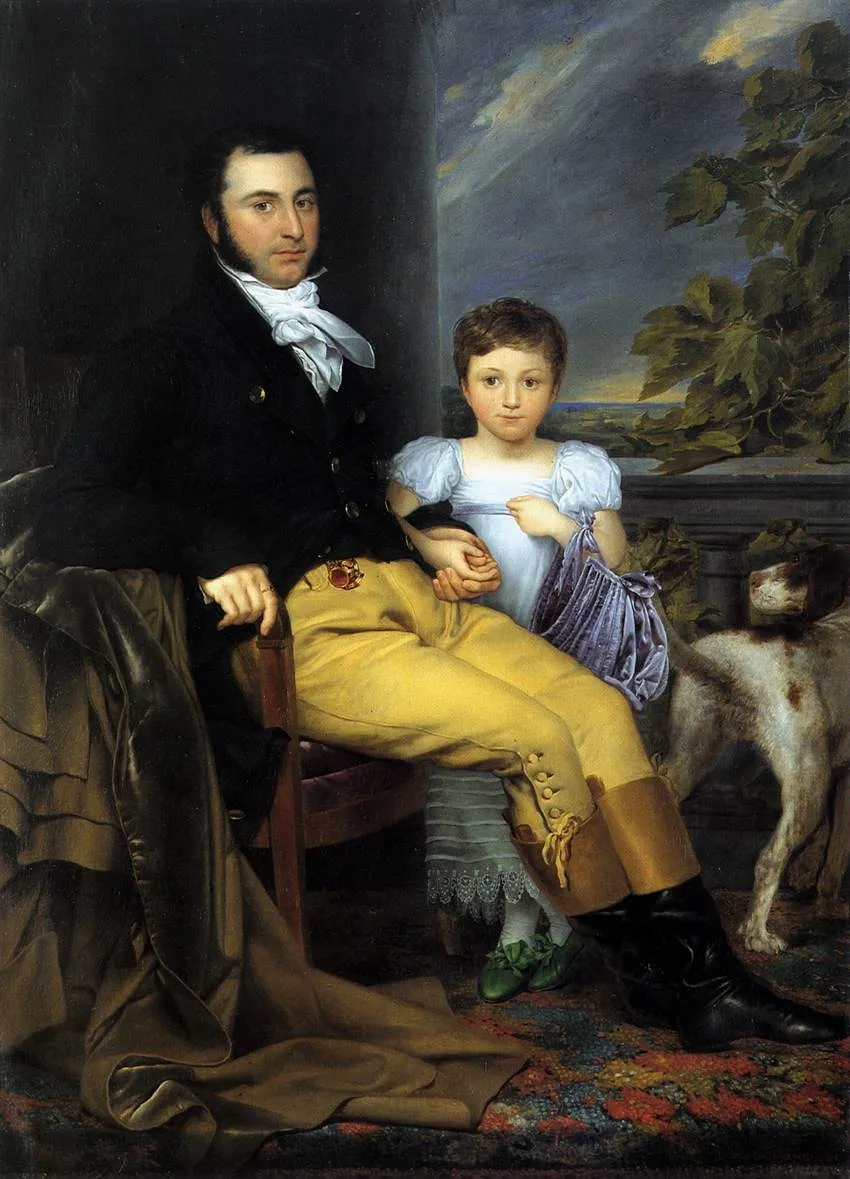
Portret van een voornaam man met zijn dochter en een jachthond is an oil painting by Joseph-Denis Odevaere. It dates from 1814 and is held in the collection of the Groeningemuseum.
About this work
Overview
Painted in 1814 by Joseph-Denis Odevaere, this oil portrait captures a gentleman, his young daughter, and a spaniel in a quiet domestic setting.
Painted in 1814 by Joseph-Denis Odevaere, this oil portrait captures a gentleman, his young daughter, and a spaniel in a quiet domestic setting. Odevaere, a Belgian artist trained in the Neo-Classical tradition, rendered the scene with deliberate composure and attention to texture. The figures are arranged with formal balance, set against a dim interior with a glimpse of foliage beyond a window, suggesting a restrained elegance characteristic of early 19th-century portraiture.
Subject & Meaning
The painting portrays a man and his daughter in a moment of quiet connection, their clasped hands implying familial bond rather than theatrical display. The presence of the hunting dog, a symbol of status and leisure, subtly reinforces the family’s social standing. The girl’s solemn gaze toward her father conveys attentiveness, avoiding sentimentality. Together, the elements suggest a private, dignified domesticity, typical of elite portraiture in post-revolutionary Europe.
Technique & Style
Odevaere employed smooth brushwork and controlled lighting to define fabric, skin, and fur with precision. The man’s black jacket and yellow trousers contrast sharply against the muted interior, while the dog’s fur is rendered with soft, layered strokes. The background, partially obscured by shadow and a distant tree, directs focus to the figures. The composition follows Neo-Classical principles: symmetry, clarity of form, and minimal distraction, reflecting academic training and contemporary taste.
History & Provenance
Created during Odevaere’s tenure as court painter to King William I of the Netherlands, the work reflects his position within elite artistic circles. It entered the Groeningemuseum’s collection in the 19th century, likely through acquisition or donation by a Belgian institution or private patron. Its preservation in Bruges underscores its regional significance, as the museum holds a key collection of Flemish art from the medieval to modern periods.
Context
In the aftermath of the Napoleonic Wars, portraiture in the Southern Netherlands increasingly emphasized moral restraint and familial virtue. Odevaere’s work aligns with this shift, moving away from Baroque flamboyance toward understated dignity. The inclusion of a hunting dog, once a marker of aristocratic sport, now served as a refined emblem of cultivated leisure, reflecting the values of a newly consolidated bourgeoisie and nobility.
Legacy
Though not widely reproduced, the painting remains a representative example of early 19th-century Belgian portraiture. It illustrates how Neo-Classical ideals were adapted to intimate family scenes, bridging formal tradition with personal narrative. Its continued display at the Groeningemuseum affirms its role in documenting the visual culture of a region navigating political change and evolving social norms.
Artist & collection
Artist
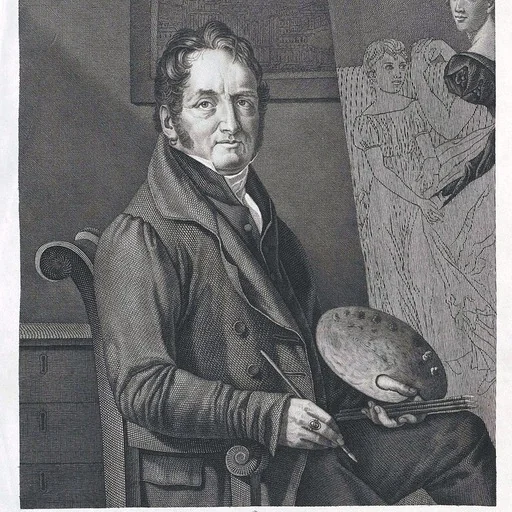
Joseph Denis Odevaere, or Joseph-Désiré Odevaere (2 December 1775, in Bruges – 26 February 1830, in Brussels), was a Neo-Classical painter from the Southern Netherlands (now Belgium). He served as court painter to King William I.

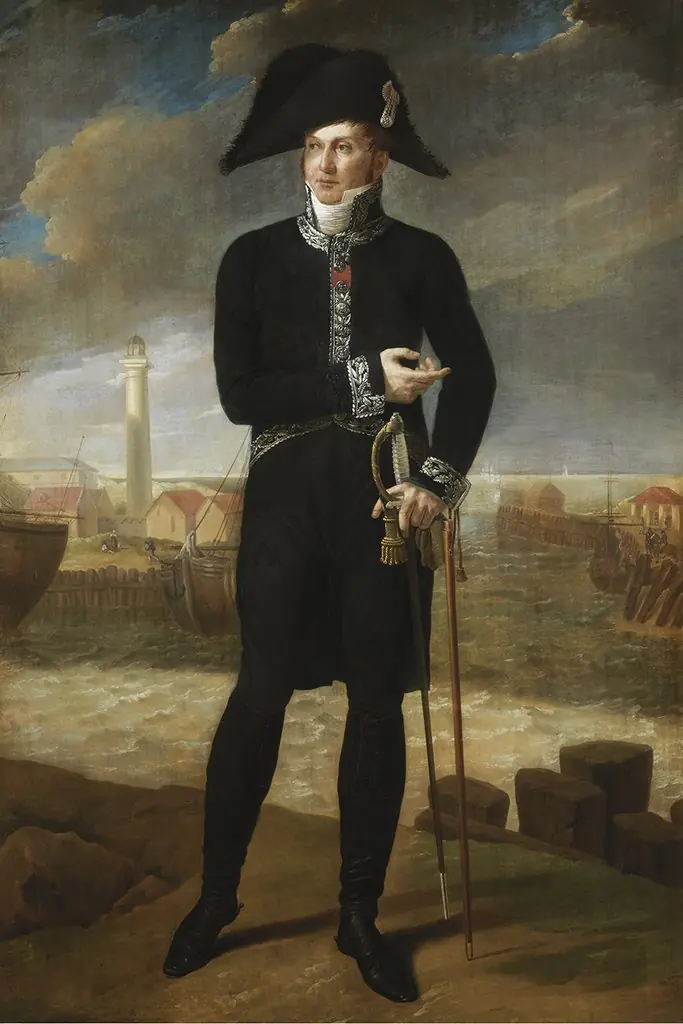 Portrait of Marquis Bernard-François de Chauvelin
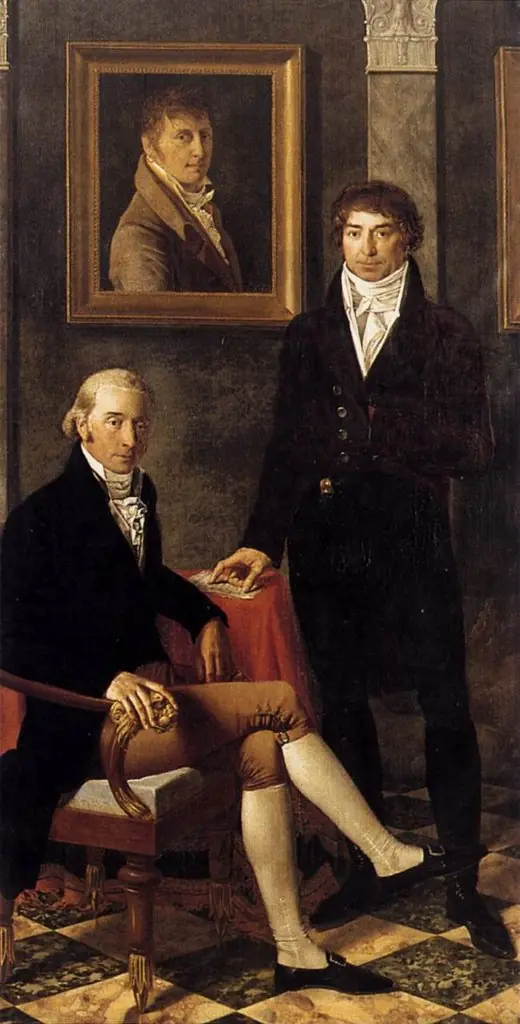 Friendship portrait of the artists François Wynckelman, François van der Donckt and Joseph Odevaere
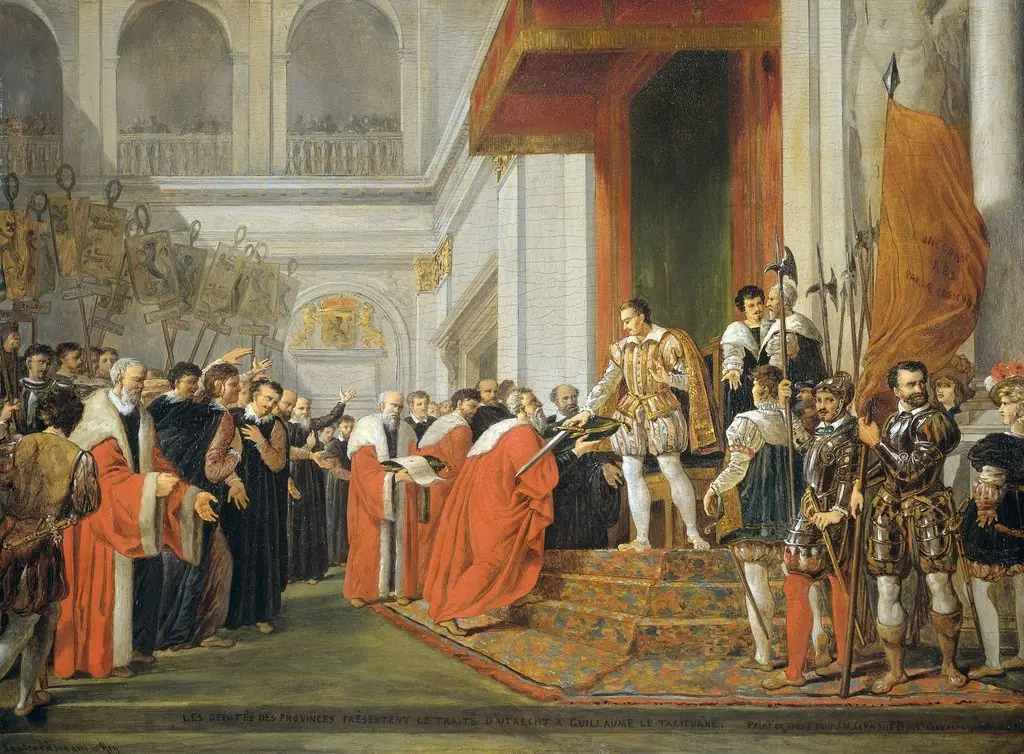 The Union of Utrecht
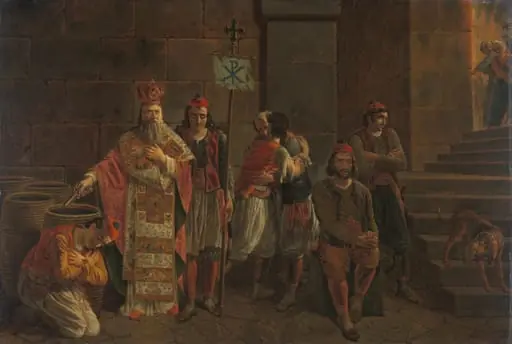 The Last Defenders of Missolonghi, 22 April 1826: an episode from the Greek War of Independence
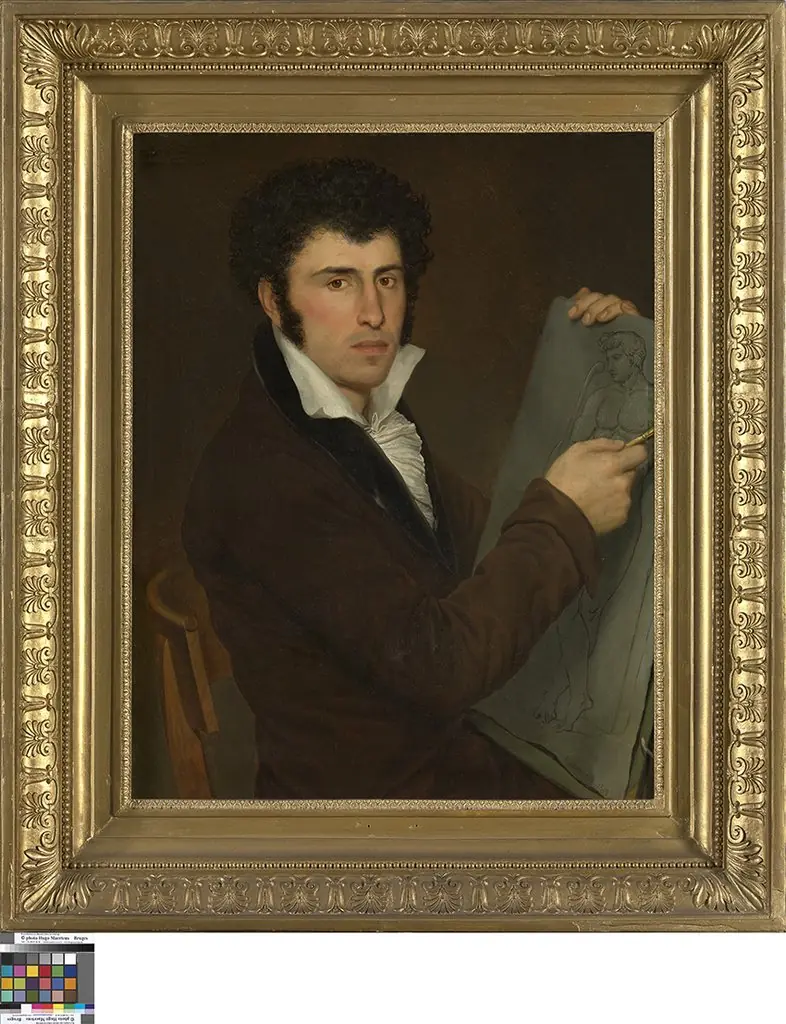 Portret van Filips Jacob Van Houtte
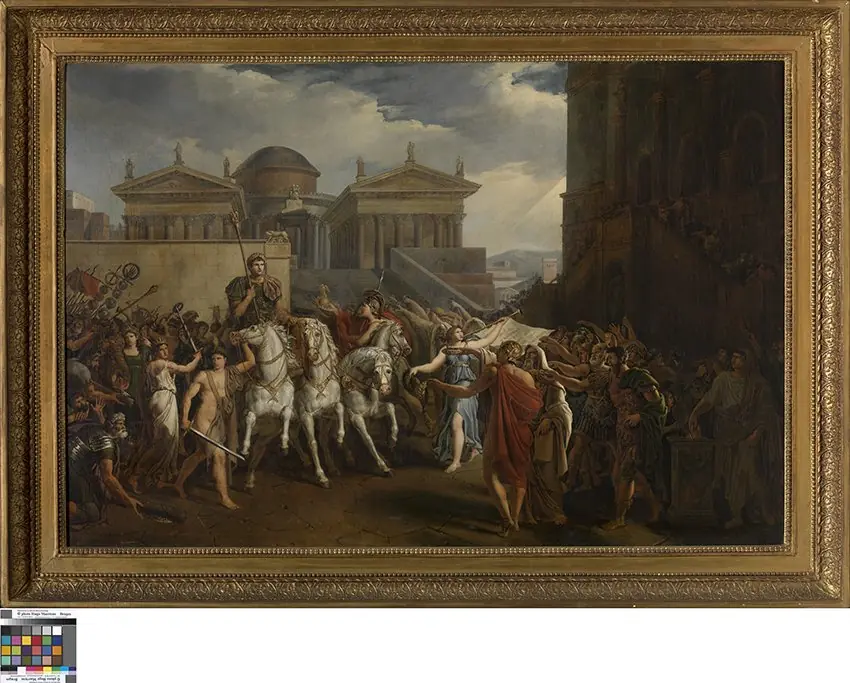 Triomftocht van keizer Trajanus
 Portret van Sylvie de la Rue
 Zelfportret
 Huw Rowlands & his child
 Portrait of a Woman and a Man
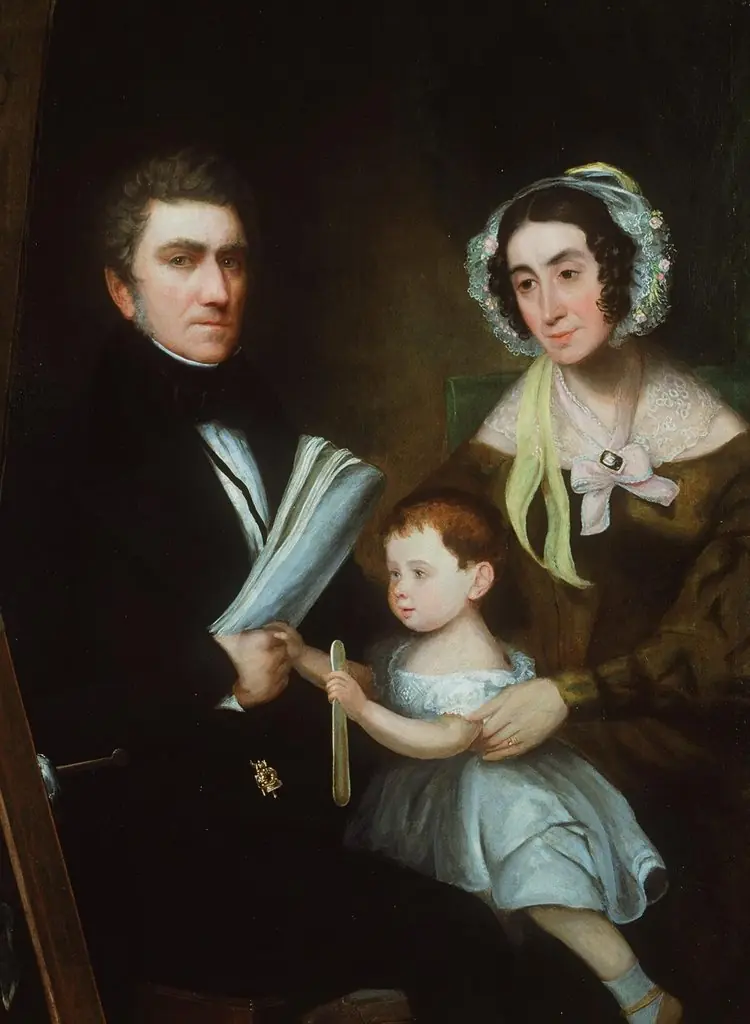 Hugh Hughes, ei wraig a'i blentyn
 Gentleman in black coat
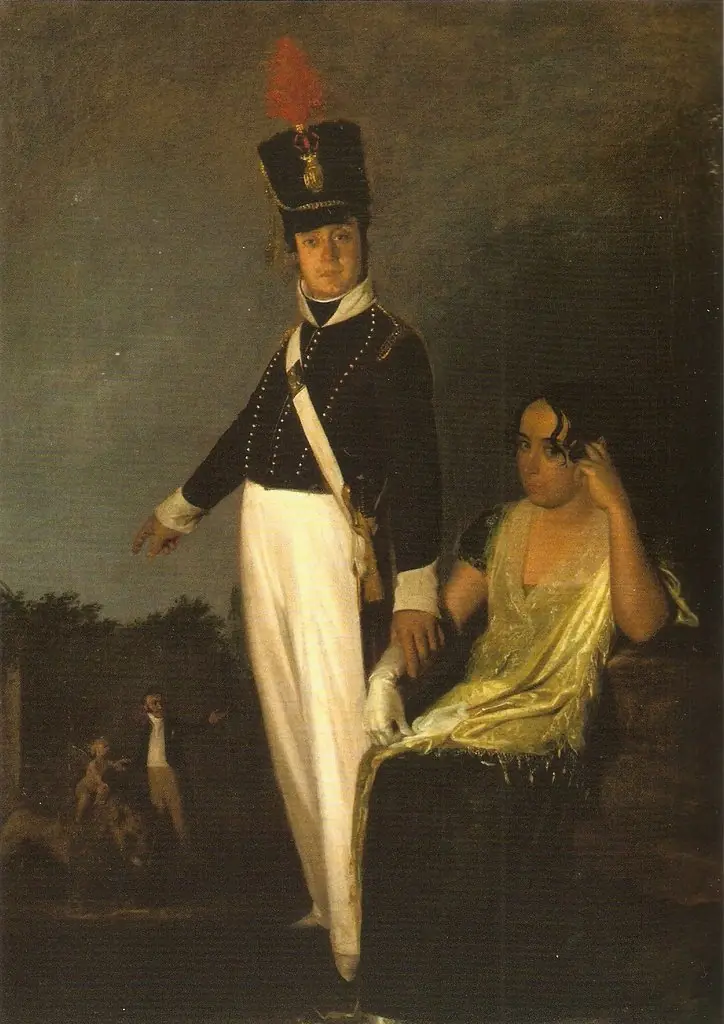 João Baptista Verde e Mariana Benedita
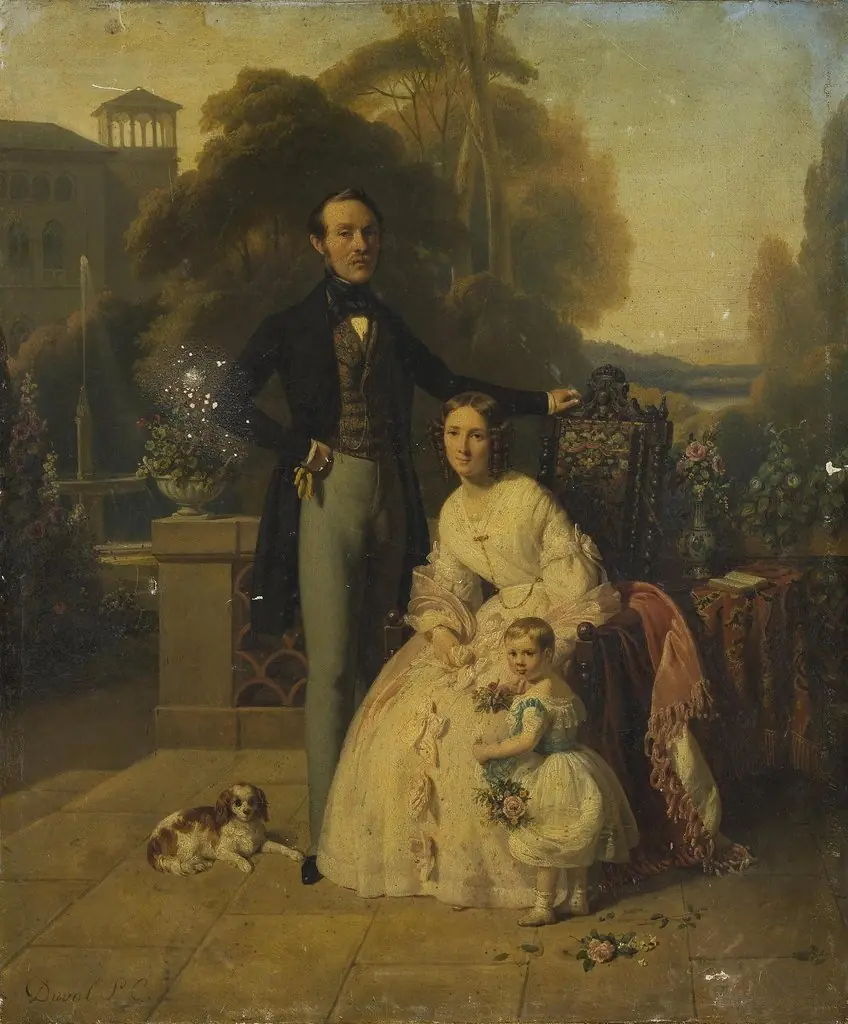 Family Portrait
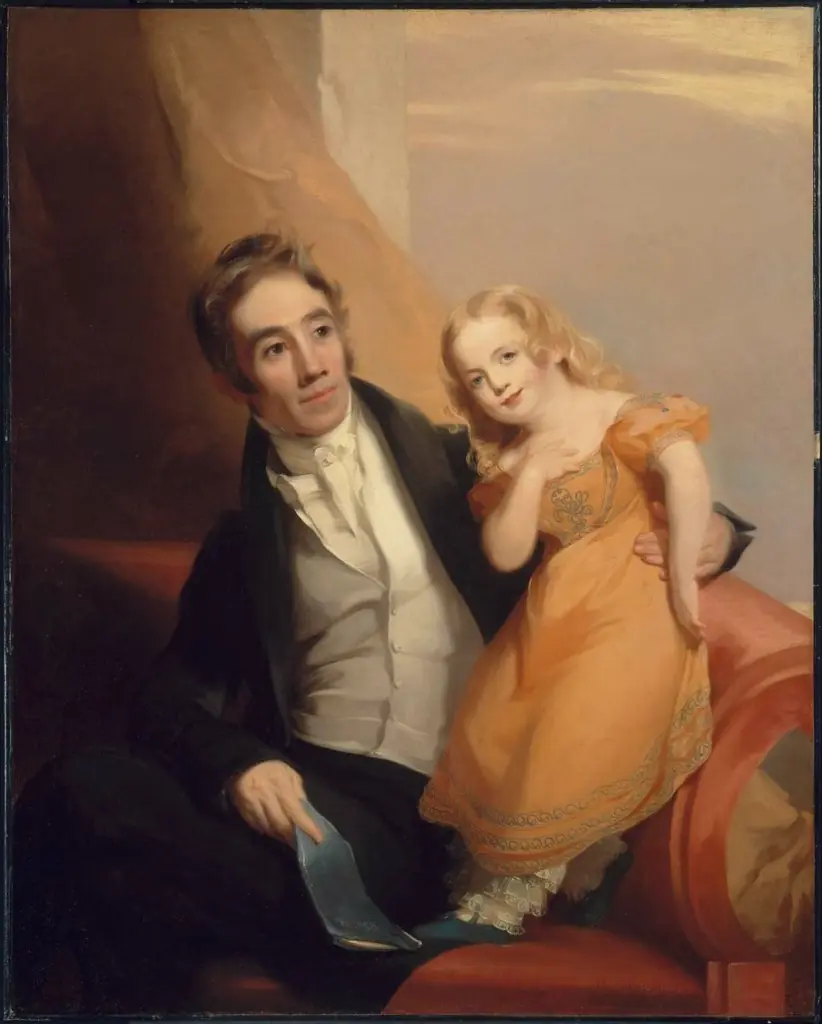 Victor René Value and His Daughter Charlotte
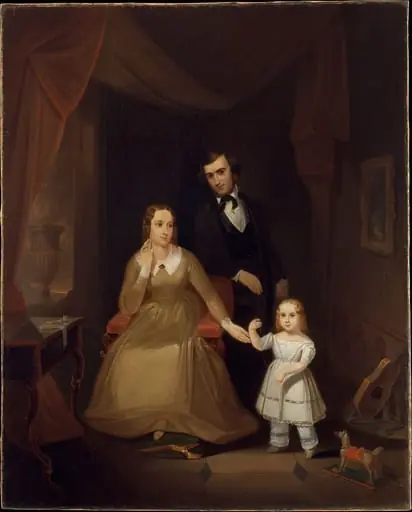 The Williamson Family
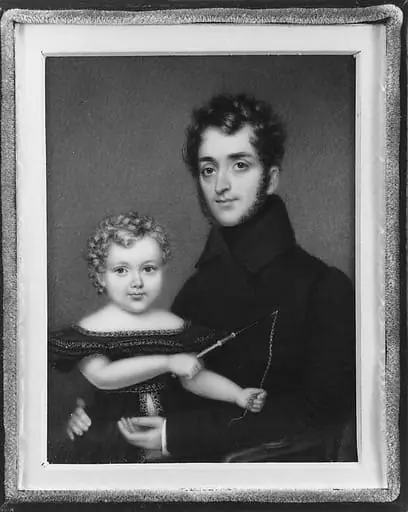 Ferdinand Sands and his Son Joseph
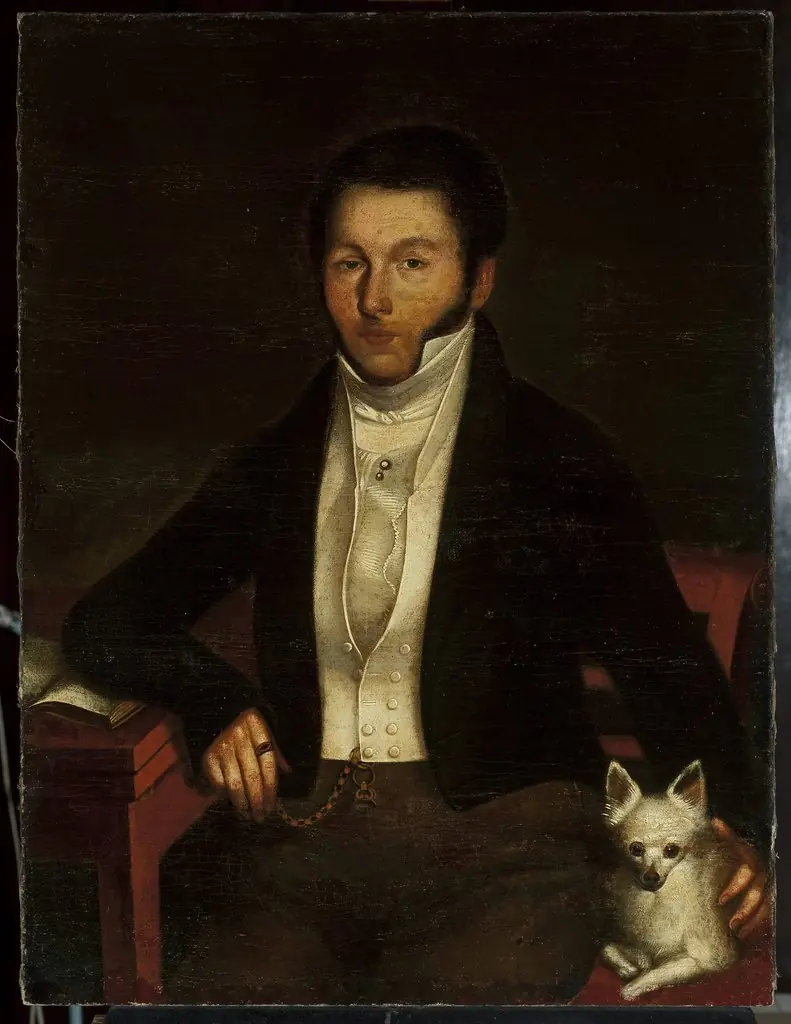 Portrait of Ignacy Innocenty Makowielski
 Richard Arkwright Junior (1755–1843), with His Wife Mary, and Daughter Anne
 The Knapp Children