Artwork
The Last Defenders of Missolonghi, 22 April 1826: an episode from the Greek War of Independence
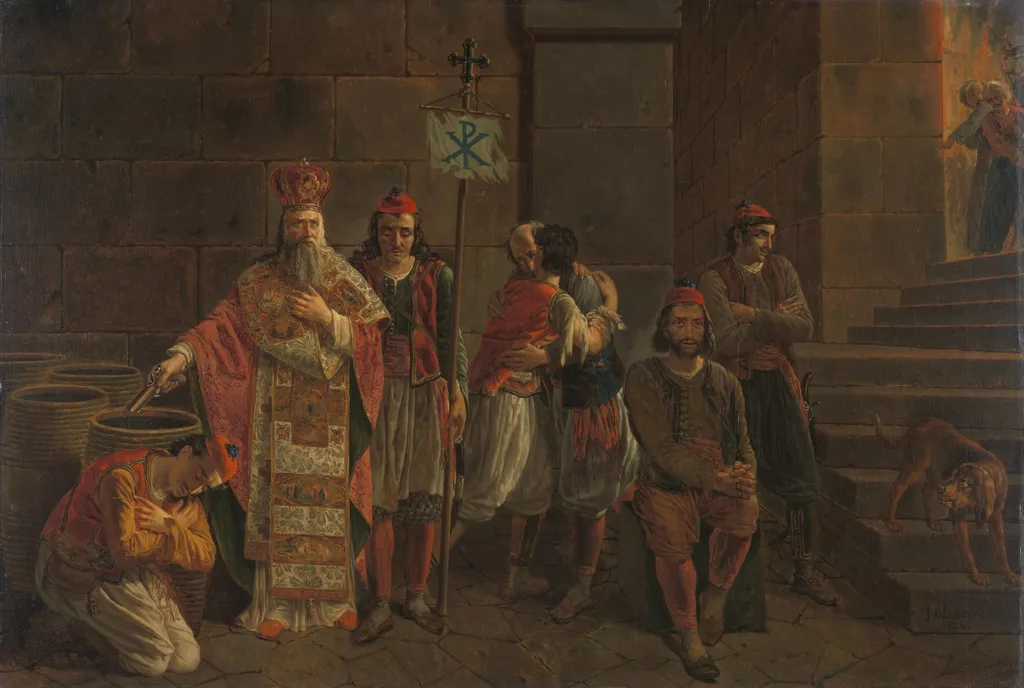
The Last Defenders of Missolonghi, 22 April 1826: an episode from the Greek War of Independence is an unspecified painting by the Neoclassicist artist Joseph-Denis Odevaere. It dates from 1826 and is held in the collection of the Rijksmuseum.
About this work
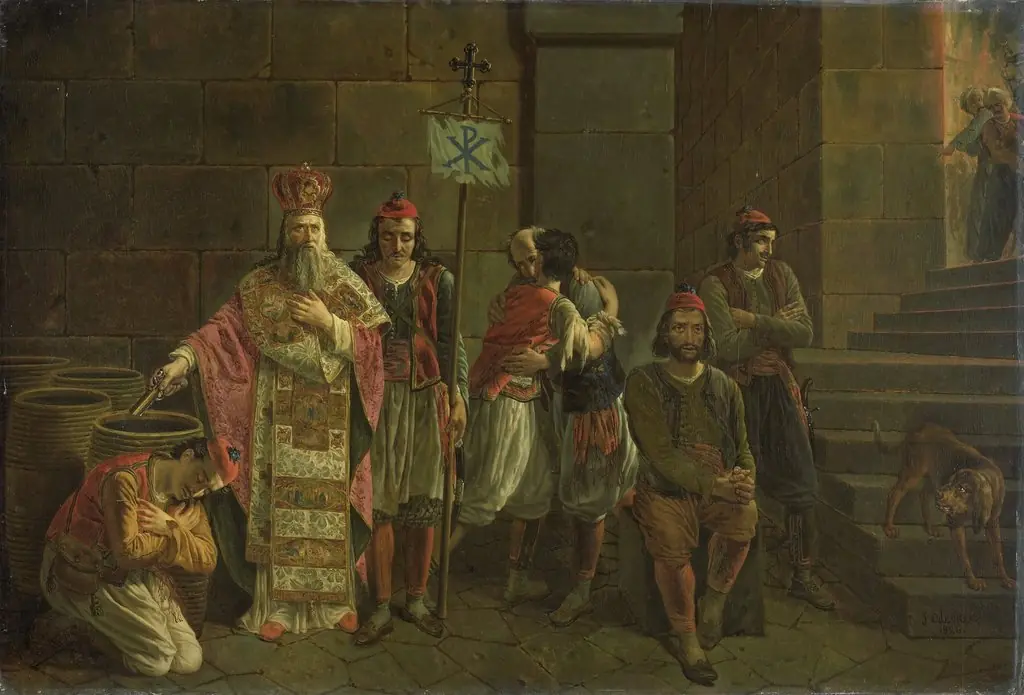
You see a crowded scene at night: Greek fighters and families huddled in a stone courtyard, barrels of gunpowder at their feet.
You see a crowded scene at night: Greek fighters and families huddled in a stone courtyard, barrels of gunpowder at their feet. A priest aims a pistol at the powder, ready to blow everything up. Turkish soldiers climb the stairs in the background.
This painting shows the last moments of a real siege in 1826. The Greeks chose to die rather than surrender. The artist made it right after the event, so it feels urgent, not polished. The dog on the right is a small, sad detail—it doesn’t know what’s coming.
To see more paintings like this, look up the Rijksmuseum.
Overview
The canvas captures the night of 22 April 1826, when the besieged town of Missolonghi faced its final stand during the Greek War of Independence. In a cramped stone courtyard, Greek combatants and civilians cluster around barrels of gunpowder, while a priest points a pistol at one of the containers, poised to ignite an explosion that would end the siege.
Subject & Meaning
The painting dramatizes the desperate decision of the remaining defenders to choose self‑destruction over surrender. Figures embrace one another in a gesture of solidarity, while a small dog watches obliviously, underscoring the tragic innocence caught in the moment. The looming Turkish troops on the staircase reinforce the imminent threat that prompted the Greeks’ drastic resolve.
Technique & Style
Executed shortly after the actual event, the work bears an urgent, almost raw quality, with brisk brushwork and limited polish. Nighttime illumination is suggested through stark contrasts of light and shadow, highlighting the glowing barrels and the tense expressions of the figures. The composition is densely packed, directing the viewer’s eye toward the central act of the priest’s aim.
Context
Missolonghi endured a protracted siege by Ottoman forces, culminating in the famous exodus known as the ‘Exodus of Missolonghi.’ On 22 April 1826, the remaining inhabitants, refusing capitulation, set off a massive explosion that destroyed the town’s fortifications and inflicted heavy casualties on the attackers. The painting records this pivotal episode, reflecting the broader struggle for Greek independence.
History & Provenance
Created in the immediate aftermath of the siege, the painting entered the collection of the Rijksmuseum, where it remains part of the institution’s holdings on 19th‑century European historical art. Its acquisition reflects the museum’s interest in documenting European revolutionary movements through contemporary visual accounts.
Own this work as a print
Artist & collection
Artist
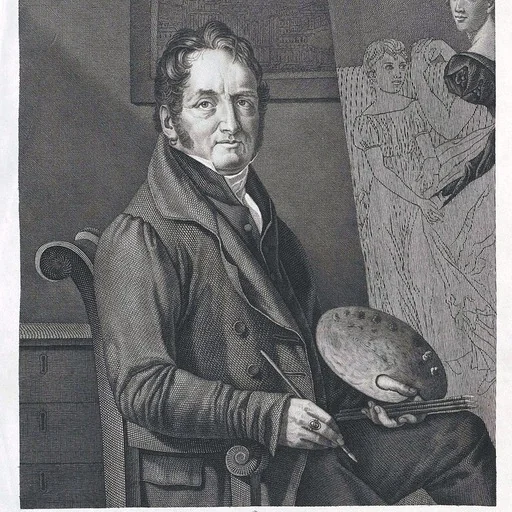
Joseph Denis Odevaere, or Joseph-Désiré Odevaere (2 December 1775, in Bruges – 26 February 1830, in Brussels), was a Neo-Classical painter from the Southern Netherlands (now Belgium). He served as court painter to King William I.

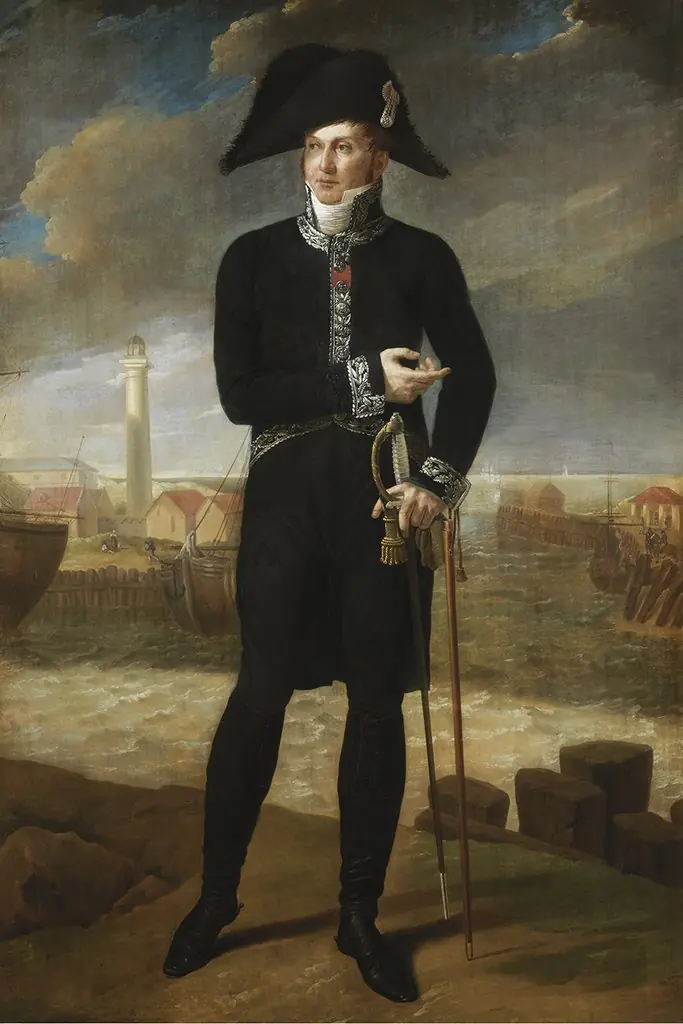 Portrait of Marquis Bernard-François de Chauvelin
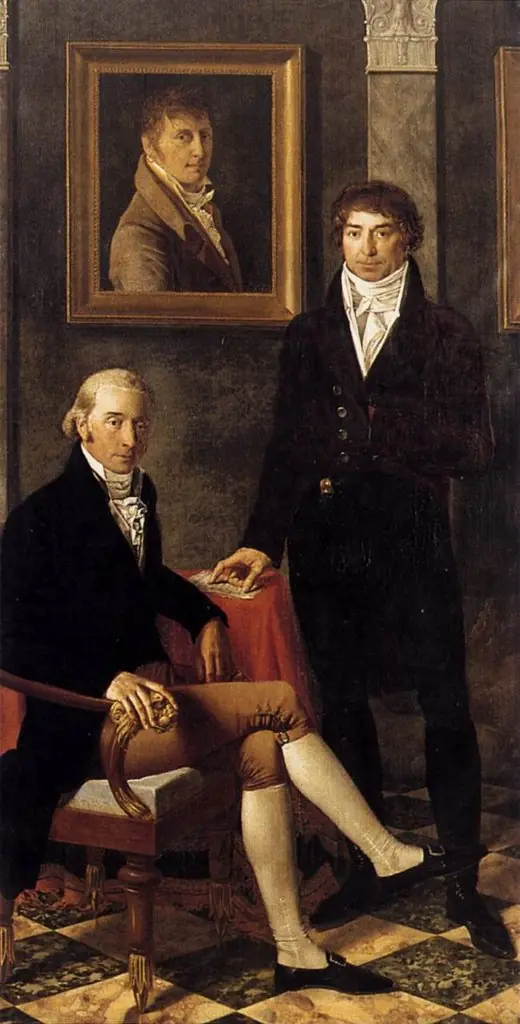 Friendship portrait of the artists François Wynckelman, François van der Donckt and Joseph Odevaere
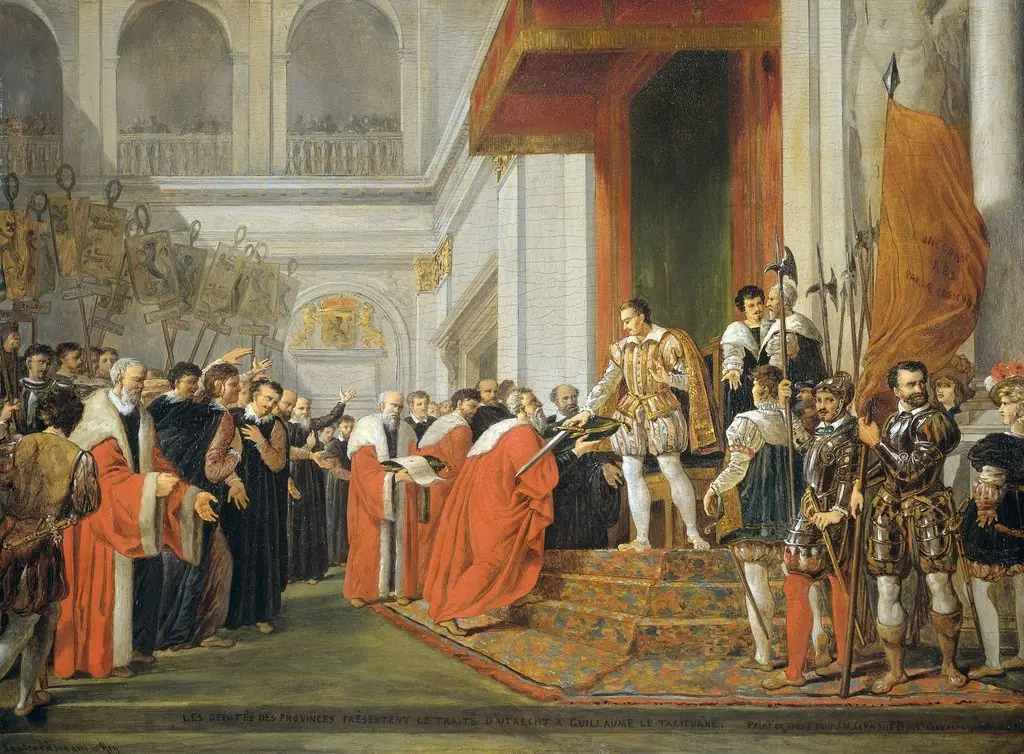 The Union of Utrecht
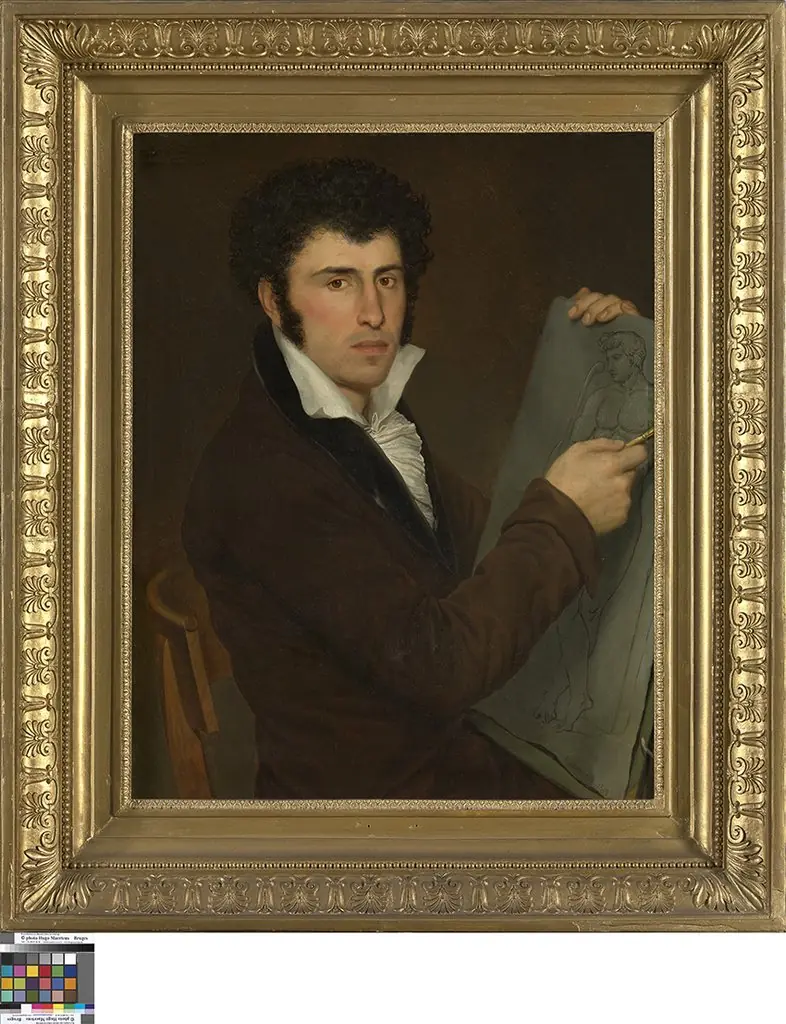 Portret van Filips Jacob Van Houtte
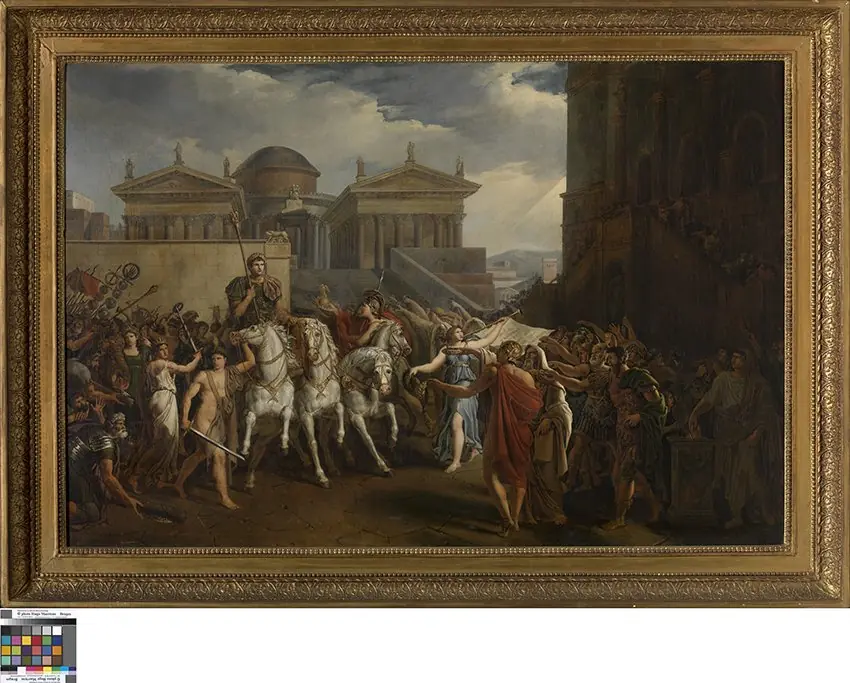 Triomftocht van keizer Trajanus
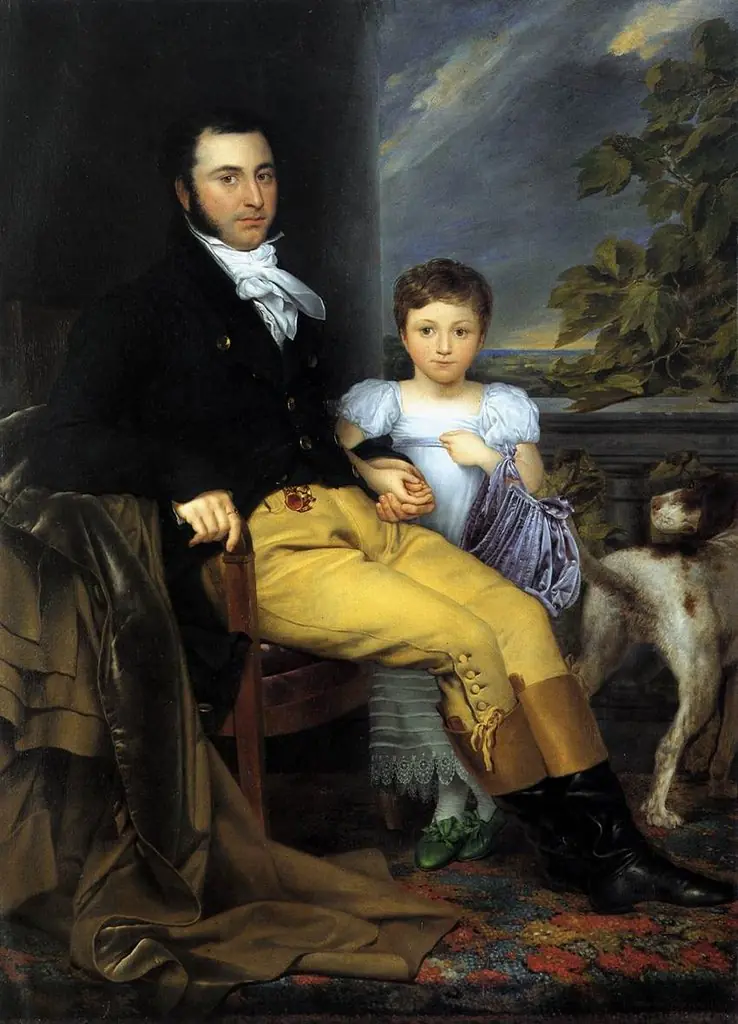 Portret van een voornaam man met zijn dochter en een jachthond
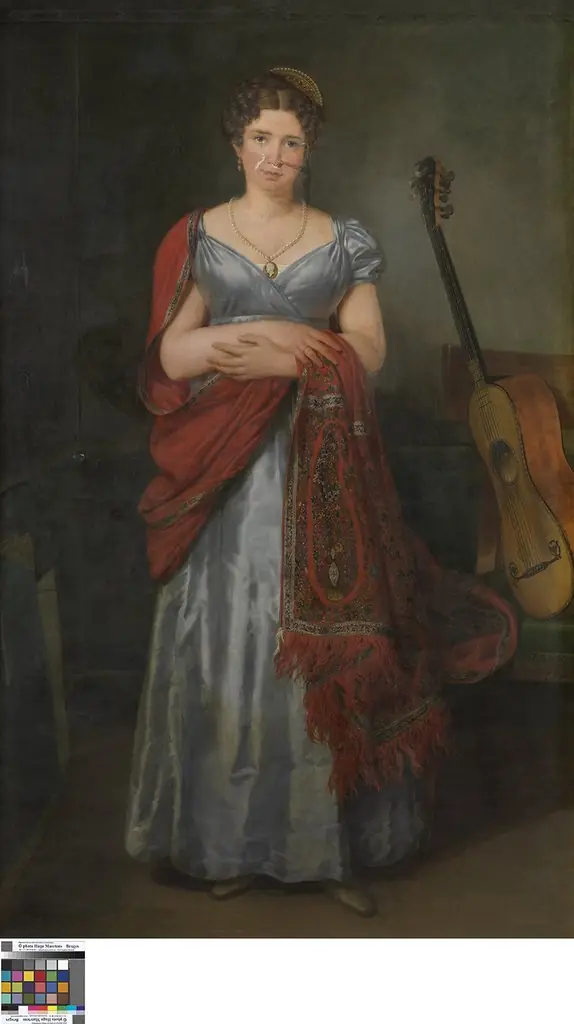 Portret van Sylvie de la Rue
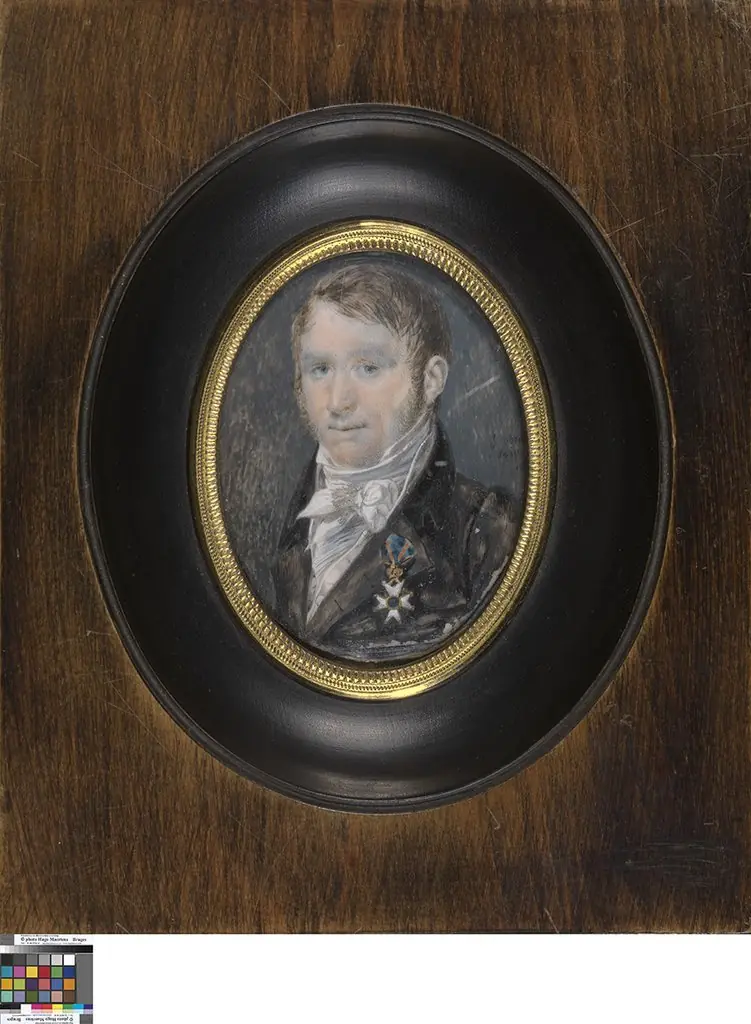 Zelfportret
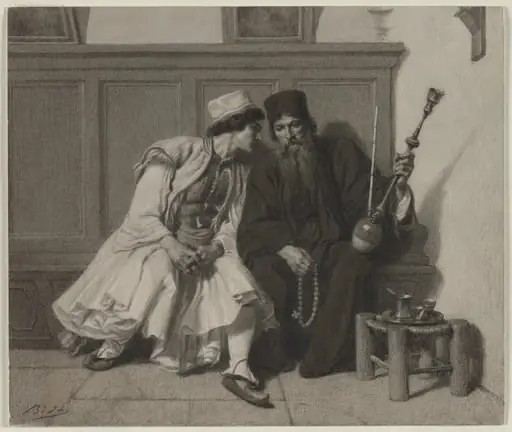 Young Greek Man in Conversation with a Priest
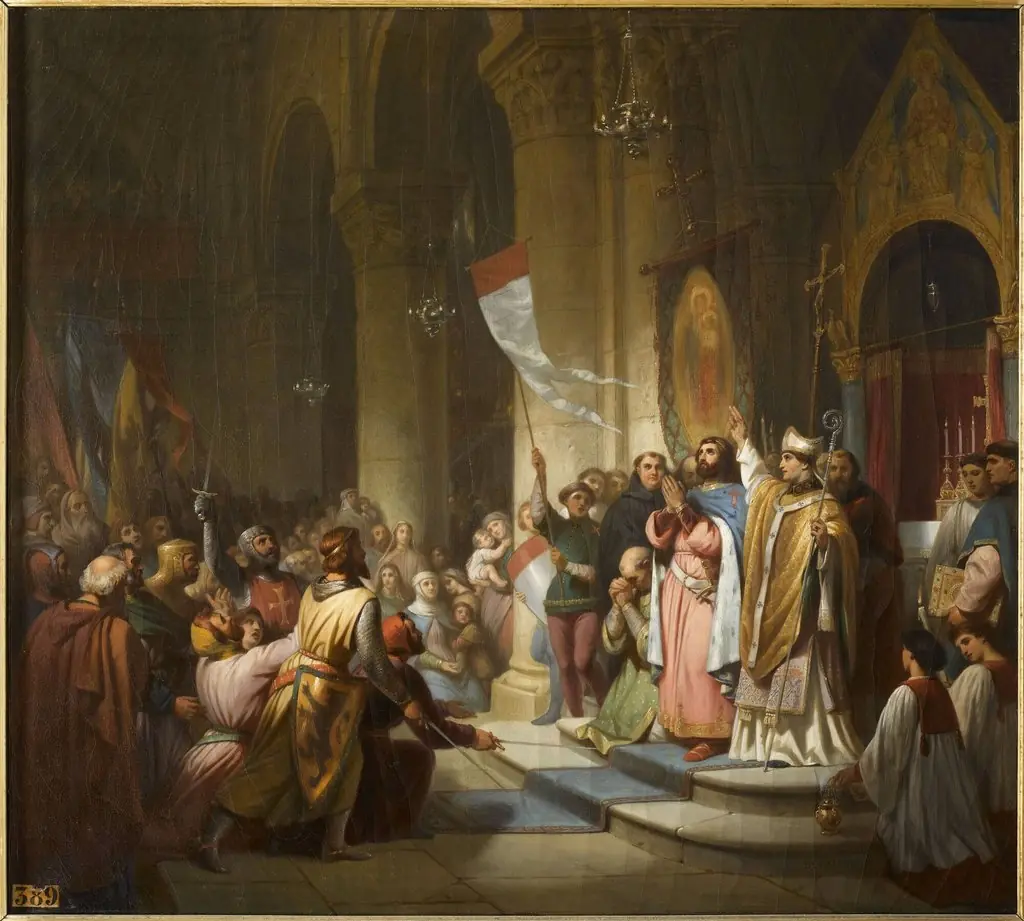 Election of Boniface of Montferrat as leader of the Fourth Crusade.
 Cuadro histórico. Auxilio a unos apestados
 Mihai Viteazul contemplând capul lui Andrei Bathory
 В'їзд Богдана Хмельницького до Києва 1649 року
 San Francisco ante el sultán de Egipto Malec-el-Kamal
 Ein griechischer Krieger nimmt Abschied
 Panahida de la Războieni
 Nikita Pustosvyat. Debate about faith
 The Baptism of Vajk
 The sigh of the Moor
 The Last Defenders of Mesolóngion, 22 April 1826, episode from the Greek War of Independence