Artwork
Liber Studiorum: Morpeth North
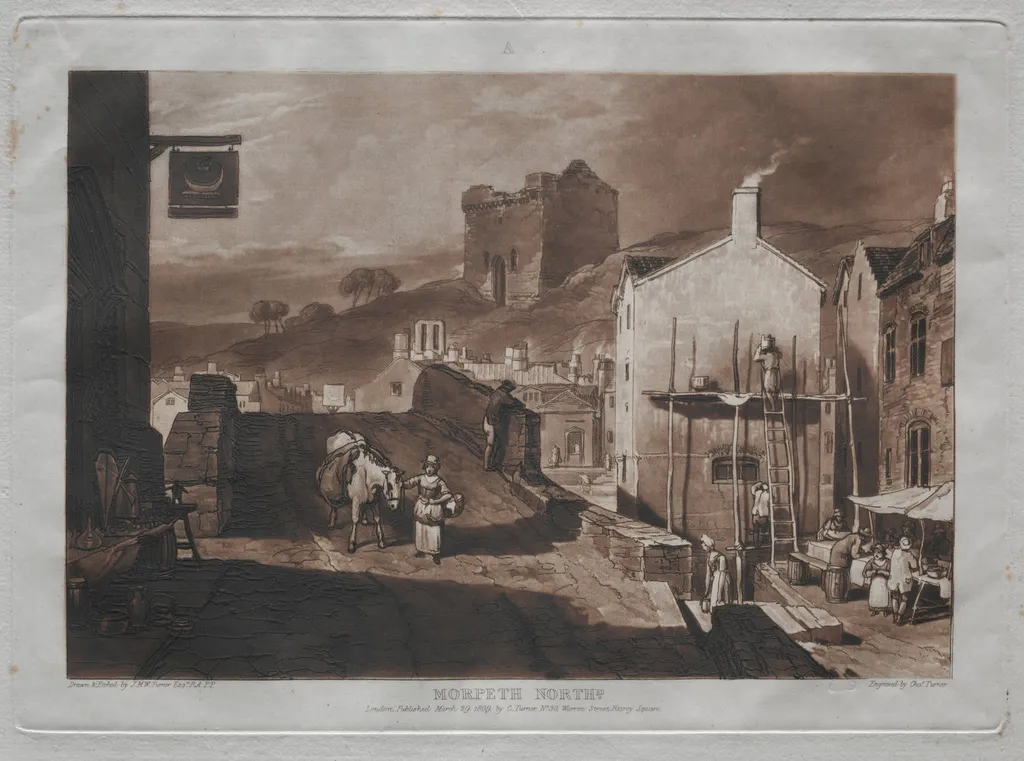
Liber Studiorum: Morpeth North is a print by Joseph Mallord William Turner. It dates from 1823 and is held in the collection of the Cleveland Museum of Art.
About this work
Overview
This etching and aquatint, one of seventy-one in the series, captures a rural scene in Northumberland.
Joseph Mallord William Turner produced *Liber Studiorum: Morpeth North* circa 1823 as part of a larger project intended to classify landscape art into six thematic categories. This etching and aquatint, one of seventy-one in the series, captures a rural scene in Northumberland. Unlike traditional topographical views, Turner infused the composition with atmospheric nuance, emphasizing mood over precise detail, reflecting his broader shift toward expressive landscape representation.
Subject & Meaning
The print portrays a quiet village near Morpeth, with a ruined castle rising behind modest dwellings. A small group of figures gathers near a horse, suggesting daily rural life without narrative emphasis. The inclusion of architectural remnants and human activity evokes a sense of time’s passage, aligning with Turner’s interest in the interplay between nature, history, and human presence. The scene is neither idealized nor documentary, but meditative, inviting contemplation rather than storytelling.
Technique & Style
Turner employed etching and aquatint to achieve subtle gradations of tone, using layered ink washes to model form and suggest atmospheric depth. Earthy pigments—ochres, umbers, and slate grays—dominate, creating a restrained palette that enhances the quiet drama of light and shadow. Chiaroscuro is applied not for theatrical effect but to unify the landscape, dissolving boundaries between foreground and distance, and lending the scene a hazy, almost ethereal cohesion.
History & Provenance
The *Liber Studiorum* series was conceived by Turner as a personal artistic manifesto, published in parts between 1807 and 1819, with additional plates like this one added later. *Morpeth North* was issued around 1823, likely as a supplement. Early impressions were distributed to patrons and artists, influencing contemporaries and later printmakers. The work entered institutional collections in the 19th century, where it remains studied for its technical innovation and conceptual ambition.
Context
During the 1820s, Turner was moving away from the detailed topographical traditions of landscape painting toward more subjective interpretations. The *Liber Studiorum* responded to contemporary debates about the hierarchy of artistic genres, positioning landscape as intellectually serious. Influenced by Claude Lorrain and the Picturesque movement, Turner reimagined landscape as a vehicle for emotional and philosophical inquiry, anticipating later shifts in European art.
Legacy
Though not widely known to the public during his lifetime, the *Liber Studiorum* became a touchstone for 19th-century printmakers and later modernists. Its emphasis on atmosphere, light, and abstraction of form prefigured Impressionist concerns, while its structural looseness resonated with early 20th-century abstract tendencies. Art historians recognize the series as a pivotal step in the evolution of landscape from representation to expression.
Artist & collection
Artist
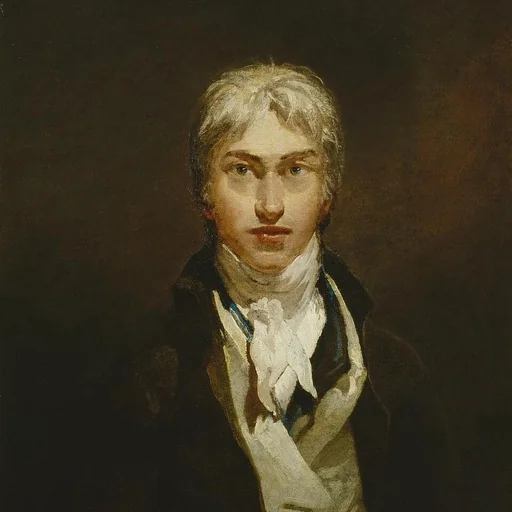
Joseph Mallord William Turner was born in 1775 at Maiden Lane, Covent Garden, where his father kept a barber and wig-making shop.

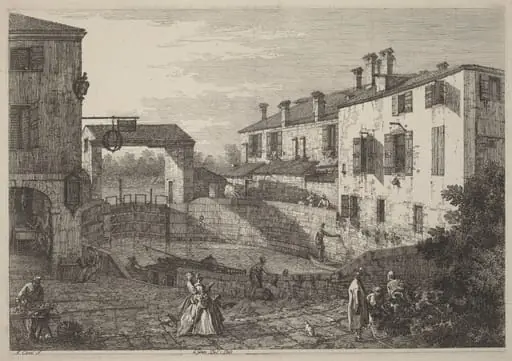 Le Porte Del Dolo
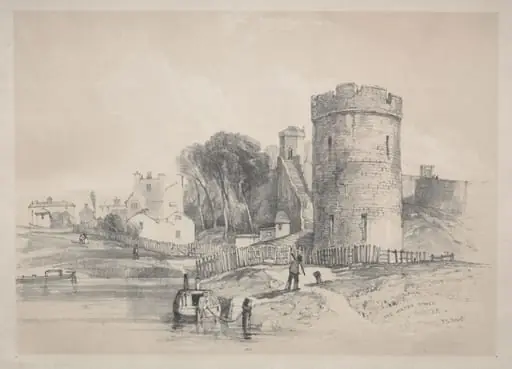 The Water Tower, Chester
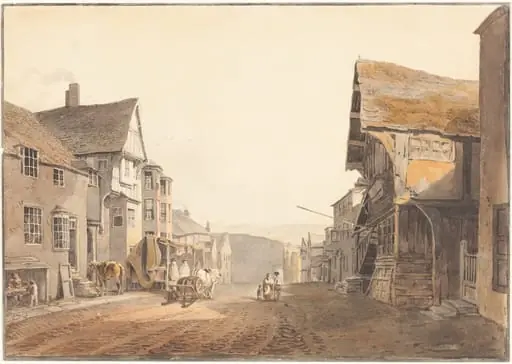 Conway in North Wales
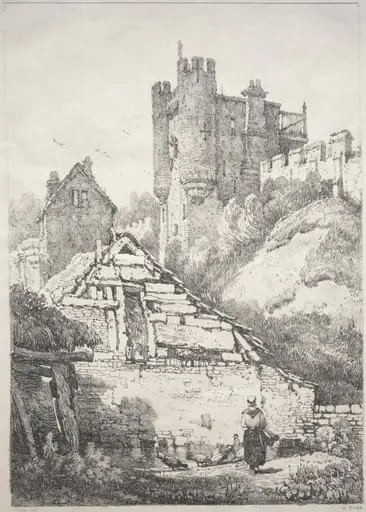 A Series of Ancient Buildings and Rural Cottages in the North of England: At York, Farmyard with Chickens
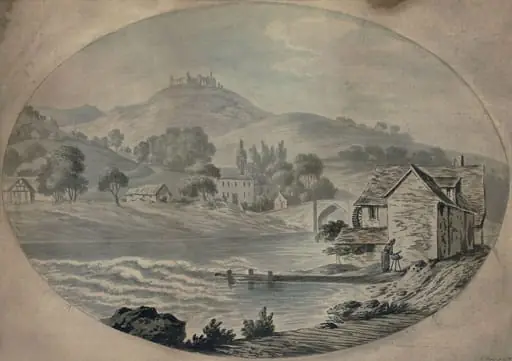 Llangollen, North Wales
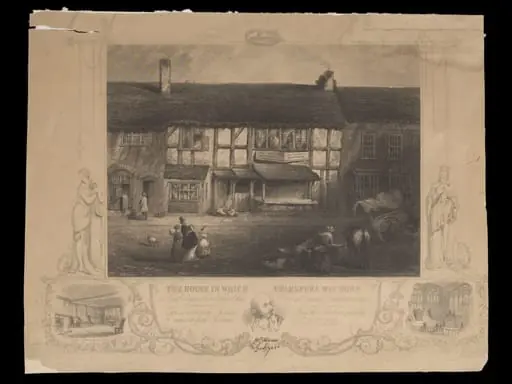 H Beard Print Collection
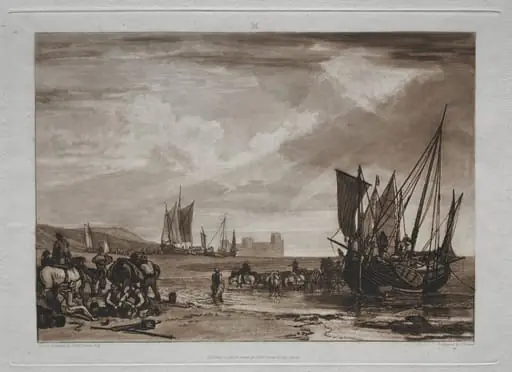 Liber Studiorum: Vessels Unloading
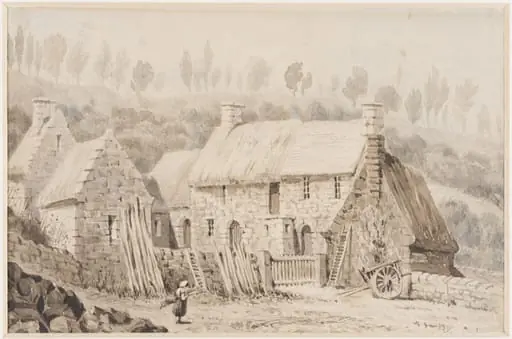 A Farmhouse, Perroz Guirec, Brittany
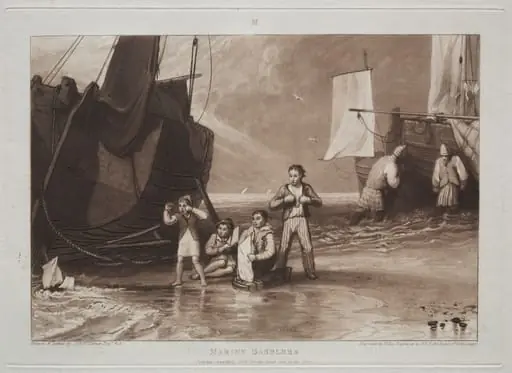 Liber Studiorum: Marine Dabblers