Artwork
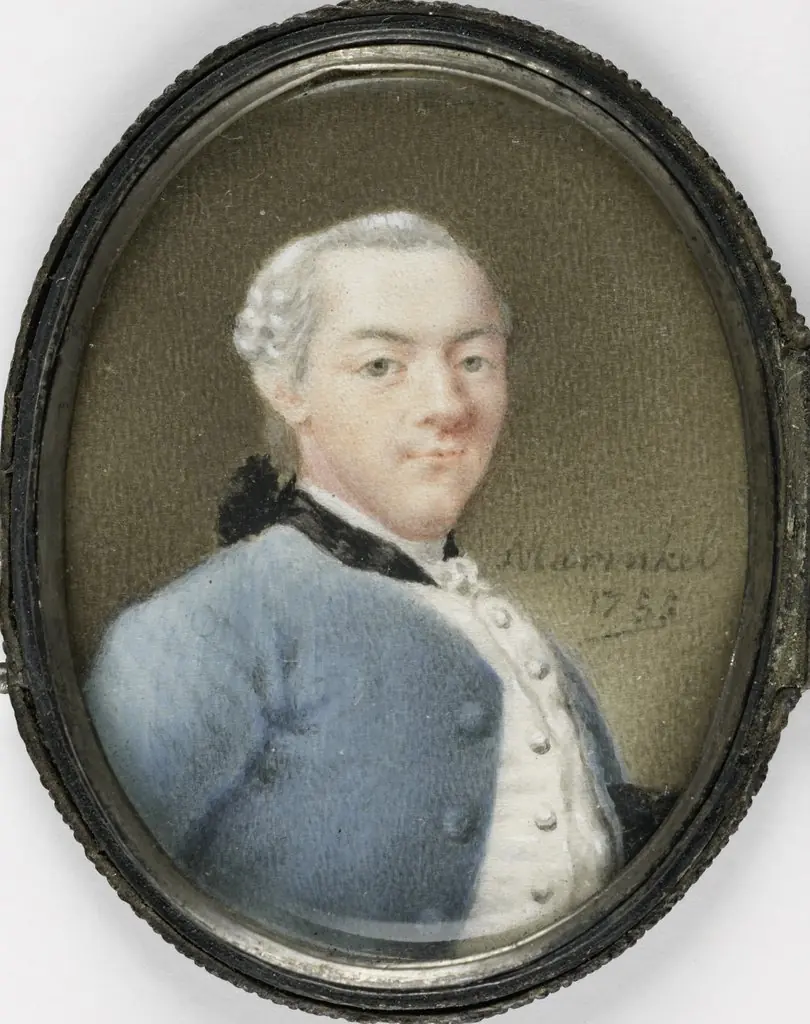
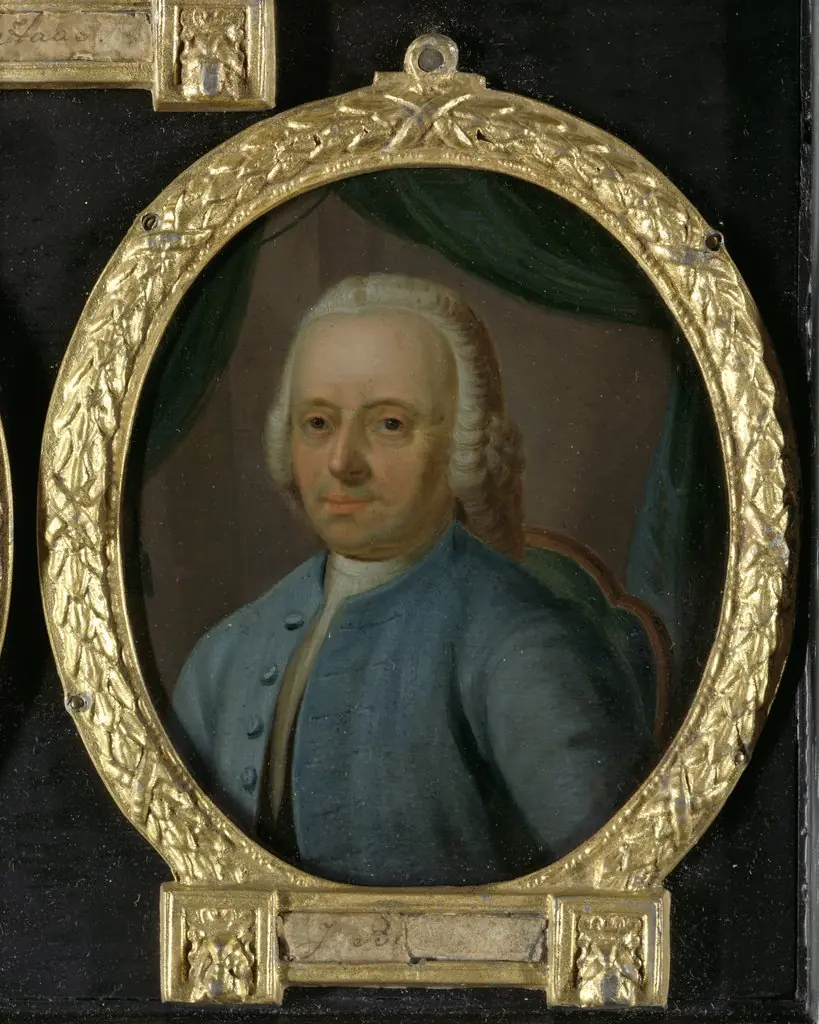
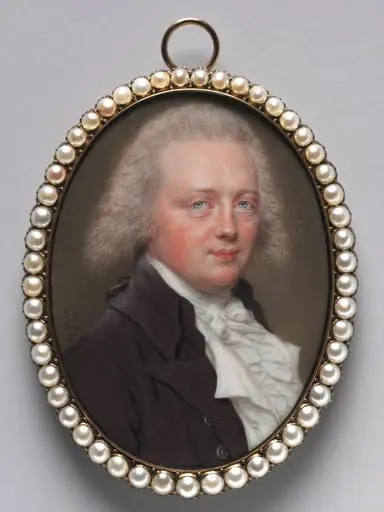
Portret van een man, misschien een lid van de familie Collot d'Escury of van Rappard
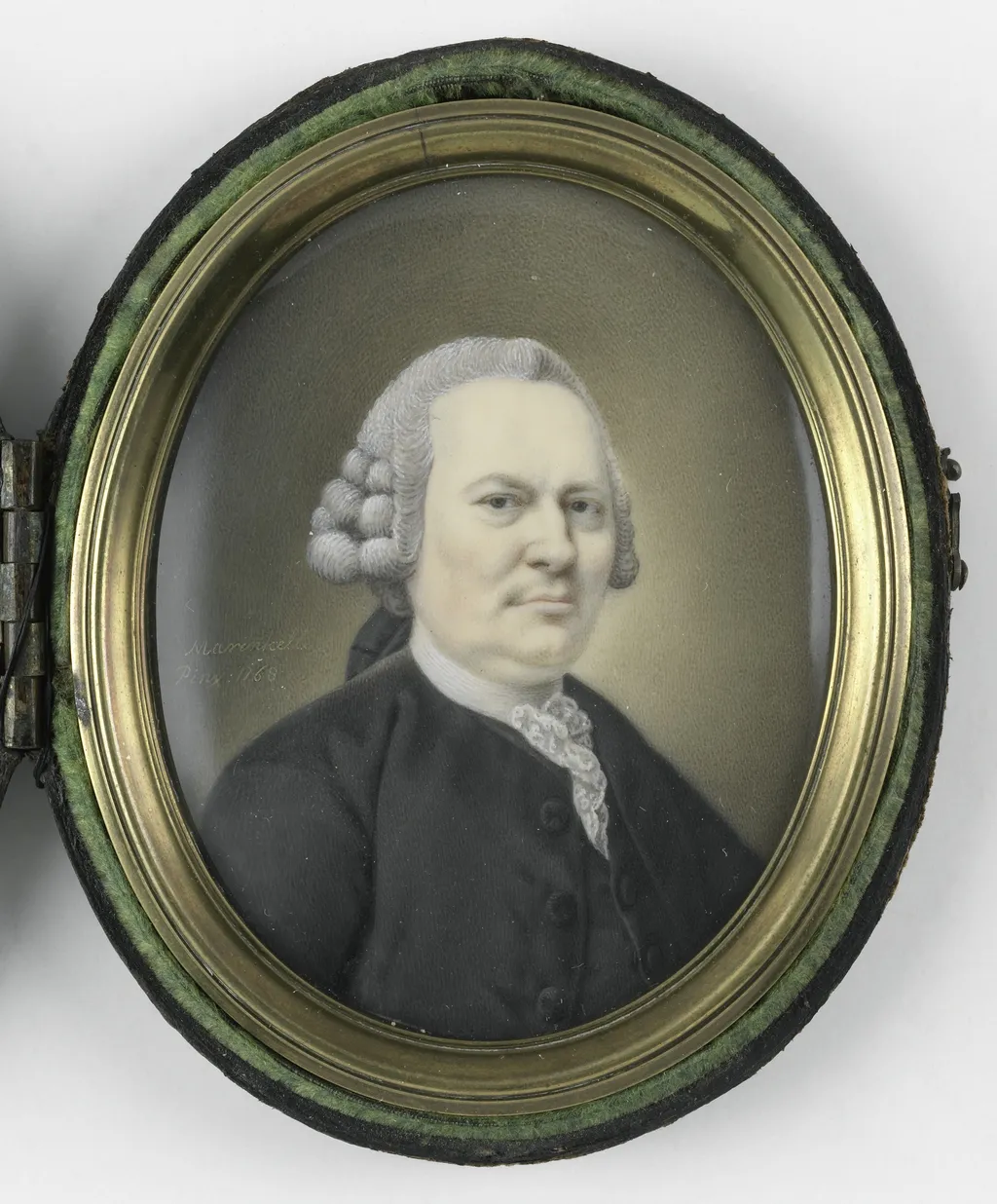
Portret van een man, misschien een lid van de familie Collot d'Escury of van Rappard is an ivory painting by the Rococo painting artist Joseph Marinkelle. It dates from 1768 and is held in the collection of the Rijksmuseum. This small, circular portrait is carved in ivory and dated 1768.
About this work
Overview
This small, circular portrait is carved in ivory and dated 1768. Created by Joseph Marinkelle, it depicts a man in formal attire, rendered with fine detail suited to the delicate medium. The work is part of the Rijksmuseum’s collection and exemplifies a niche genre of portraiture reserved for affluent patrons due to the cost and skill required to work ivory.
Subject & Meaning
The sitter, possibly a member of the Collot d'Escury or Rappard families, is shown with a pale complexion and a powdered white wig, indicating aristocratic status. His stiff posture and formal dress suggest a desire to project dignity and social standing. The absence of symbolic objects or background elements focuses attention solely on the individual’s presence and refinement.
Technique & Style
Marinkelle employed precise carving to capture texture in the lace collar, the curls of the wig, and the smoothness of the skin. The ivory’s natural tone lends a lifelike pallor, while the minimal background enhances the portrait’s intimacy. The artist’s signature, inscribed in minuscule script along the lower edge, reflects the modest scale and refined craftsmanship typical of ivory miniatures.
History & Provenance
The portrait entered the Rijksmuseum’s holdings as part of its broader collection of Dutch and European decorative arts. Its survival in good condition is uncommon, as ivory objects are vulnerable to environmental damage. The greenish patina on its original frame suggests age and consistent, if unremarkable, preservation over centuries.
Context
In the mid-18th century, ivory portraits were luxury items, often commissioned as personal keepsakes or gifts among elite circles. Unlike oil paintings, they were portable and intimate, favored for their tactile quality and rarity. Marinkelle’s work aligns with a tradition of miniature portraiture practiced by specialized artisans across Europe, particularly in the Netherlands and France.
Legacy
Today, it survives as a quiet testament to the precision of 18th-century craftsmanship and the social rituals of elite self-representation.
This piece represents a fading practice: ivory portraiture declined with changing tastes and ethical concerns over material sourcing. Today, it survives as a quiet testament to the precision of 18th-century craftsmanship and the social rituals of elite self-representation. Its preservation in a major museum underscores its historical value as a material artifact rather than a celebrated artistic statement.
Artist & collection

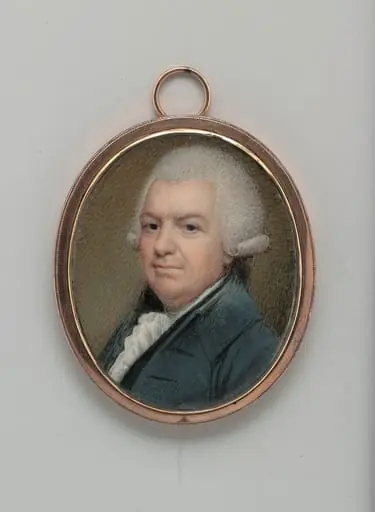 Stephen Hooper
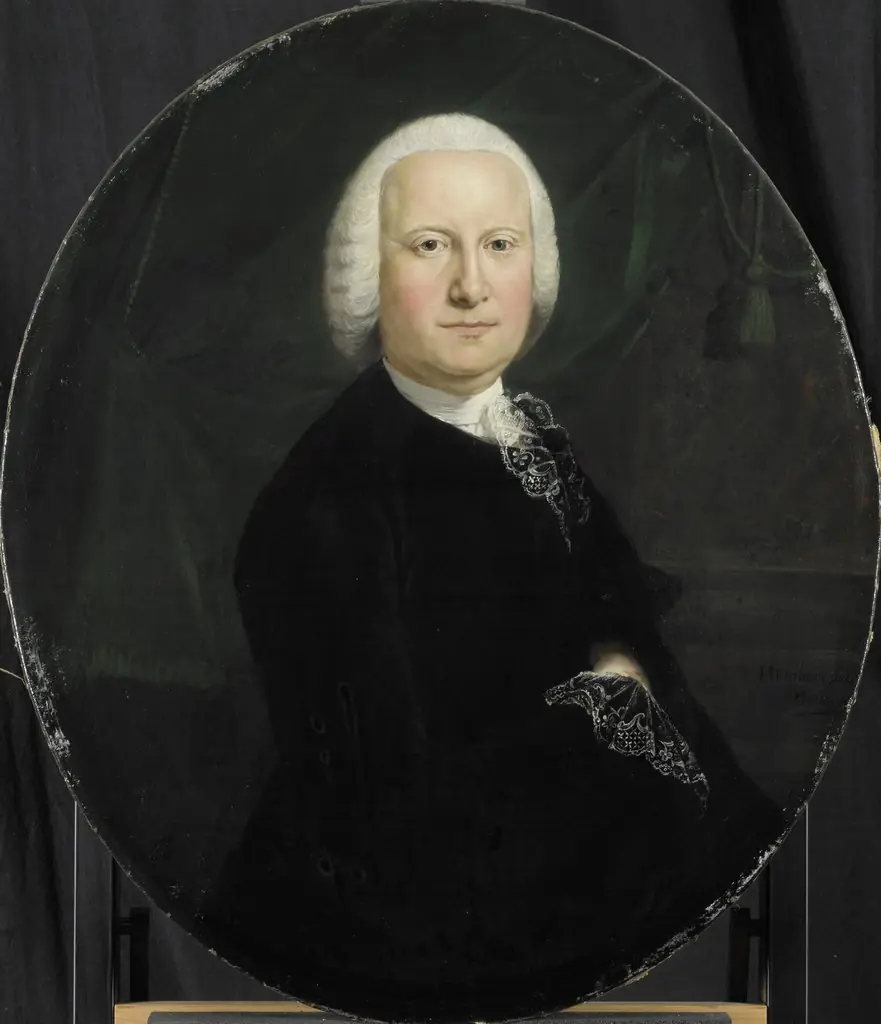 Portrait of Adriaan du Bois, Director of the Rotterdam Chamber of the Dutch East India Company, elected 1742
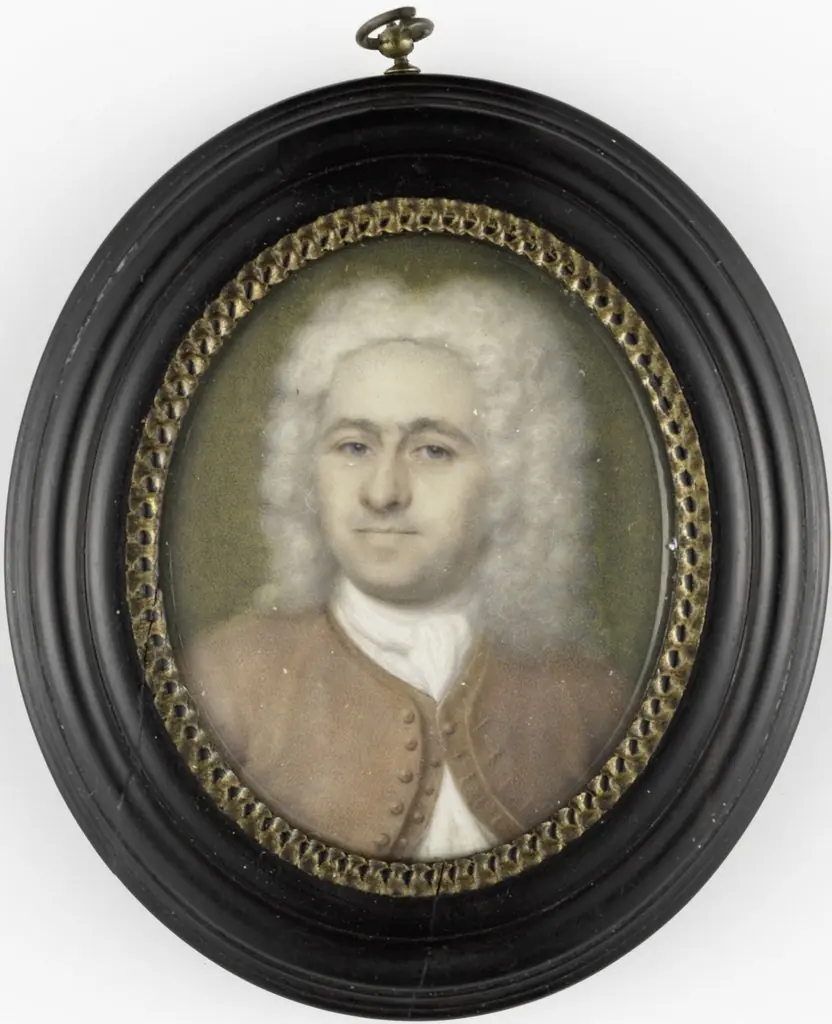 Herman Wolters (1682-1756). husband of the painter
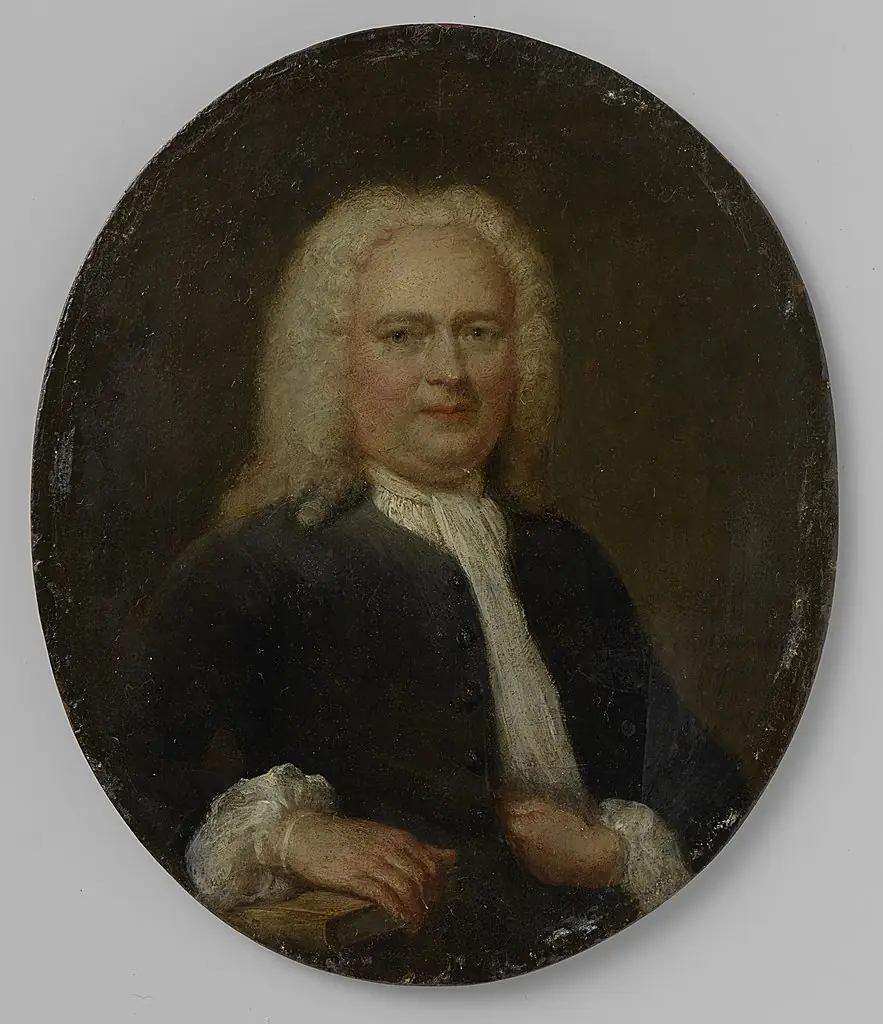 Portrait of a Man, perhaps a Member of the Klinkhamer Family
 Portrait of Joannes Badon, Poet from Vlaardingen
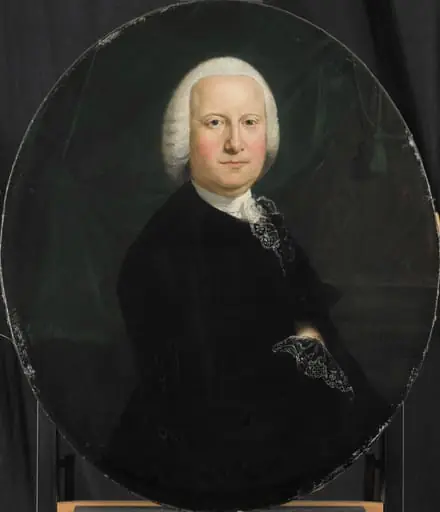 Portrait of Adriaan du Bois, Director of the Rotterdam Chamber of the Dutch East India Company, elected 1742
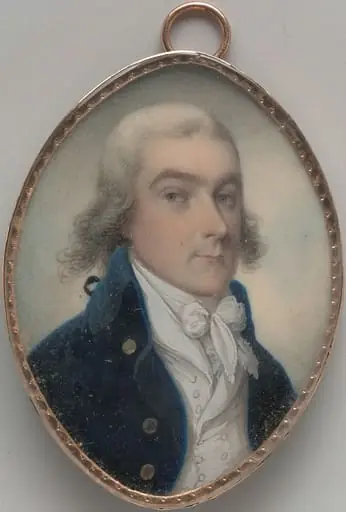 William Udall
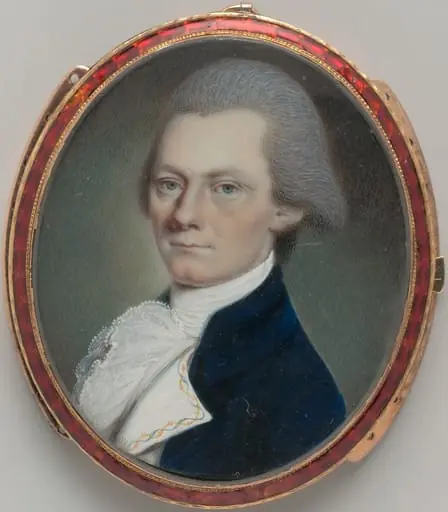 William Few
 Portrait of a Man