Artwork
West view of Worcester Cathedral
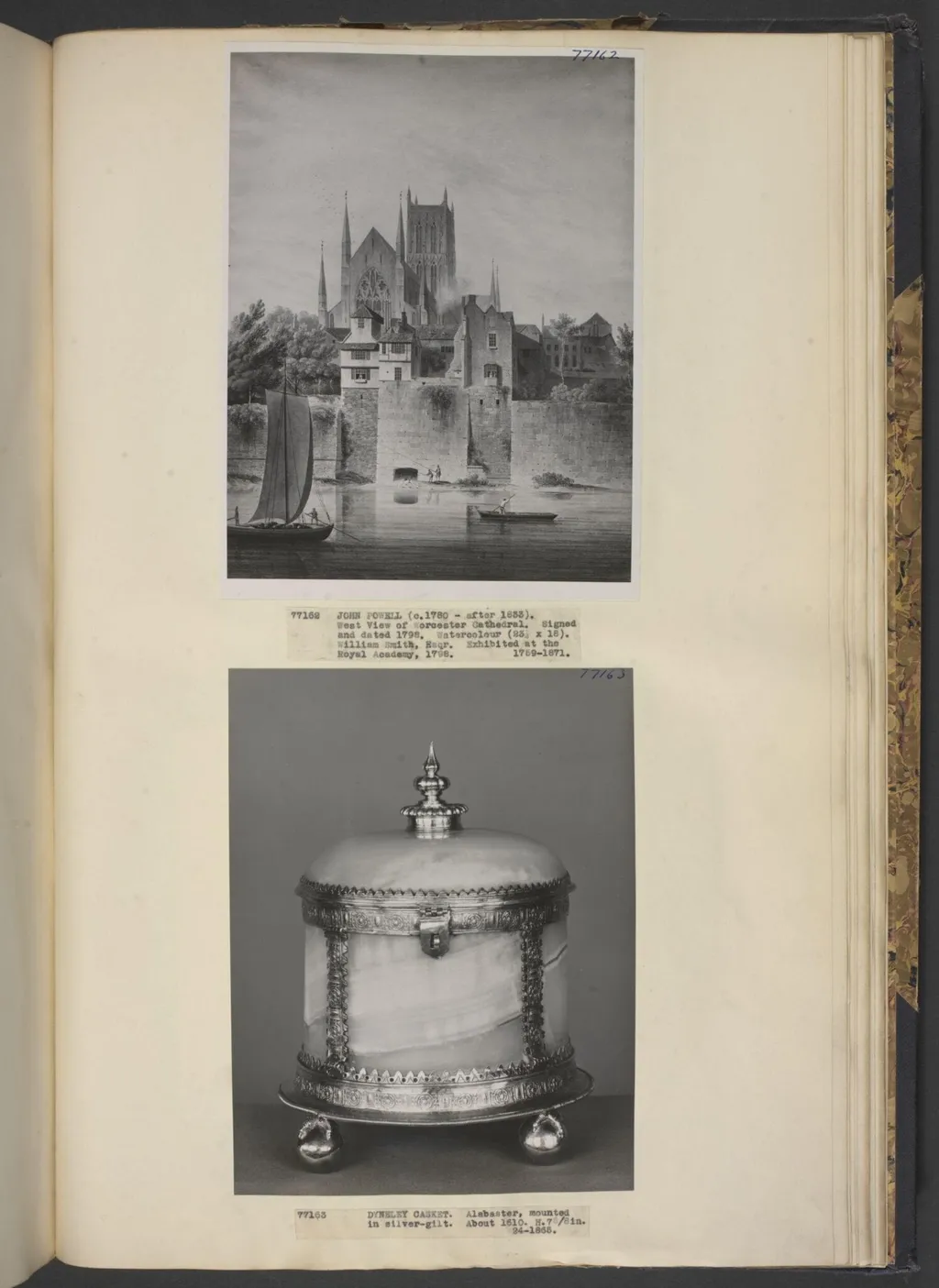
West view of Worcester Cathedral is a watercolor work on paper by the British Romanticist artist Joseph Powell. It dates from 1798 and is held in the collection of the Victoria and Albert Museum.
About this work
Look up Romanticism next to see how artists used nature and emotion in their work.
This drawing shows a big cathedral with tall towers on a riverbank. Below it, a small boat floats near the shore. The water is calm, and trees line the far bank. The buildings look old, with pointed roofs and stone walls.
The artist used soft lines to show light and shadow. This was made in 1798 as a watercolor. It’s a quiet scene, but the details matter.
Look up Romanticism next to see how artists used nature and emotion in their work.
Overview
Created in 1798, this watercolor by Joseph Powell captures the west façade of Worcester Cathedral with quiet precision. The work is signed and dated by the artist, confirming its origin. Rendered in delicate washes, it presents the cathedral as a solemn structure set against the tranquil banks of the River Severn, with subtle attention to architectural form and atmospheric tone.
Subject & Meaning
The composition centers on the cathedral’s west front, flanked by two towers, positioned as a stable landmark amid a serene riverscape. A small boat near the shore and trees lining the opposite bank suggest human presence without narrative intrusion. The scene conveys stillness and continuity, reflecting a contemplative engagement with sacred architecture embedded in the natural landscape.
Technique & Style
Powell employed soft, layered watercolor washes to model light and shadow across the cathedral’s stonework, avoiding harsh outlines. The delicate handling of tone suggests a sensitivity to atmospheric conditions, while the restrained palette enhances the sense of calm. Fine linear details define architectural features without overwhelming the overall tonal harmony.
History & Provenance
The work is documented as part of Powell’s topographical studies from the late 18th century, likely produced during a period of growing interest in regional architecture. Its survival with the artist’s signature and date indicates it was intended as a finished piece, possibly for private collection or scholarly use, rather than a preliminary sketch.
Context
Made during the height of British Romanticism, the image aligns with contemporary tendencies to treat architecture as part of a larger natural order. Unlike dramatic landscapes of the era, Powell’s approach is restrained, emphasizing quiet observation over emotional intensity, reflecting a more documentary impulse within Romantic visual culture.
Legacy
Powell’s watercolor contributes to a body of work that helped preserve the visual record of English ecclesiastical buildings before widespread restoration. Its modest scale and careful execution exemplify the role of watercolor in topographical art, offering a quiet counterpoint to more monumental depictions of the period.
Artist & collection
Artist
Joseph Powell (1780–1834) was an English watercolour painter and printmaker. He was largely engaged as a teacher of painting in watercolours. He executed landscapes chiefly drawn from English scenery, and was a frequent…

 The South Gate and Old Gaol, Southampton
 The Butter Market, Montreuil
 Kenilworth Castle by moonlight
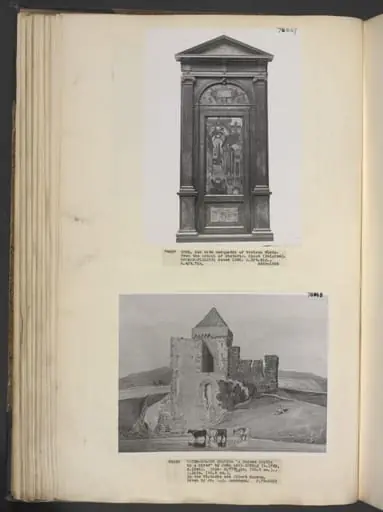 A Ruined Castle by a River
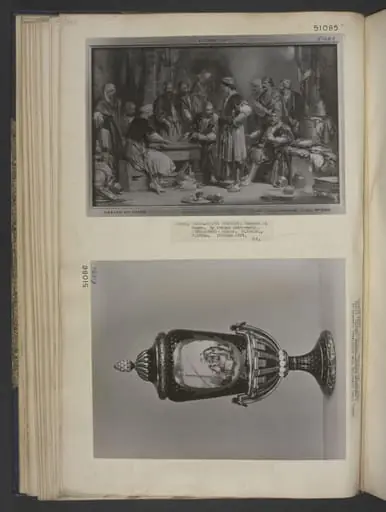 Pirates at Cards
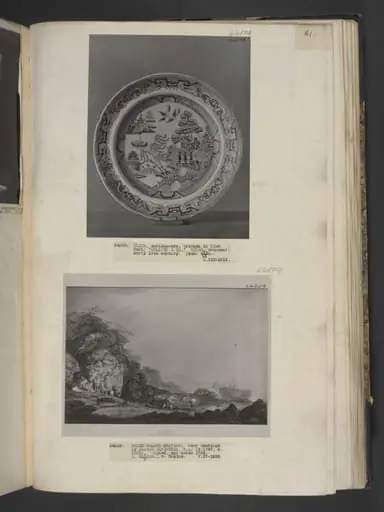 Near Hastings
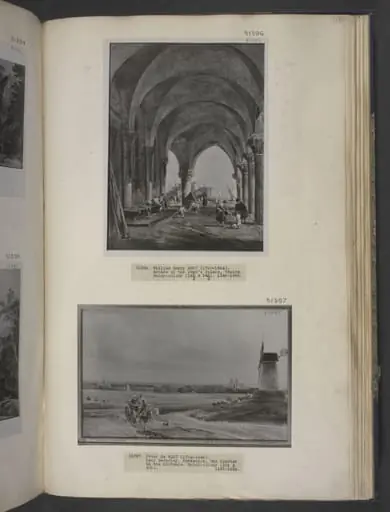 Arcade, Doge's Palace, Venice
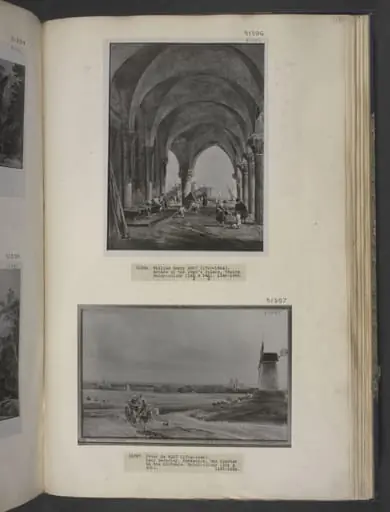 Near Beverley, Yorkshire, the Minster in the Distance
 drawing of scenery and props in King Lear
 Under the Salle de Chevaliers, Mont St. Michel, Normand