Artwork
Orientalischer Seehafen bei Sonnenaufgang
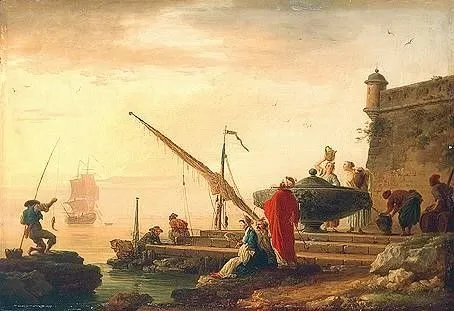
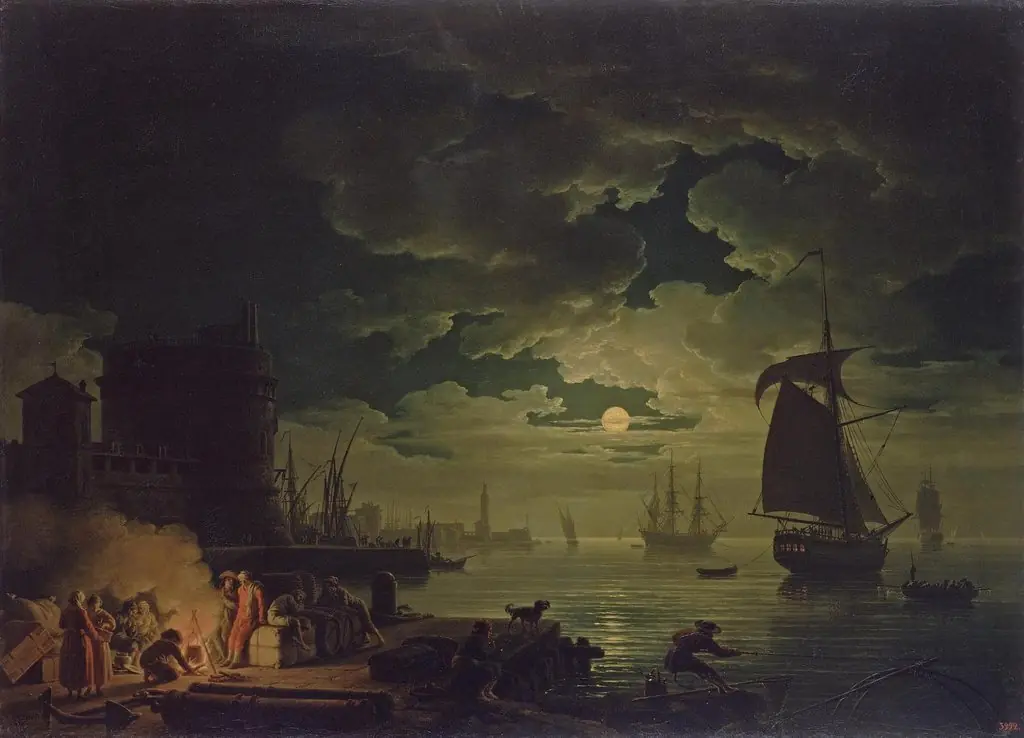
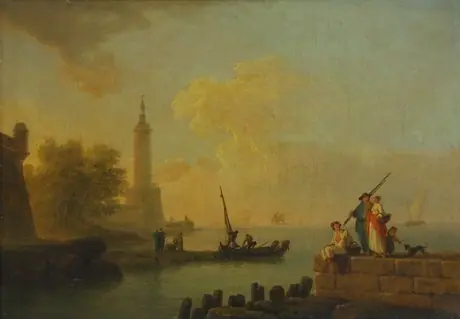
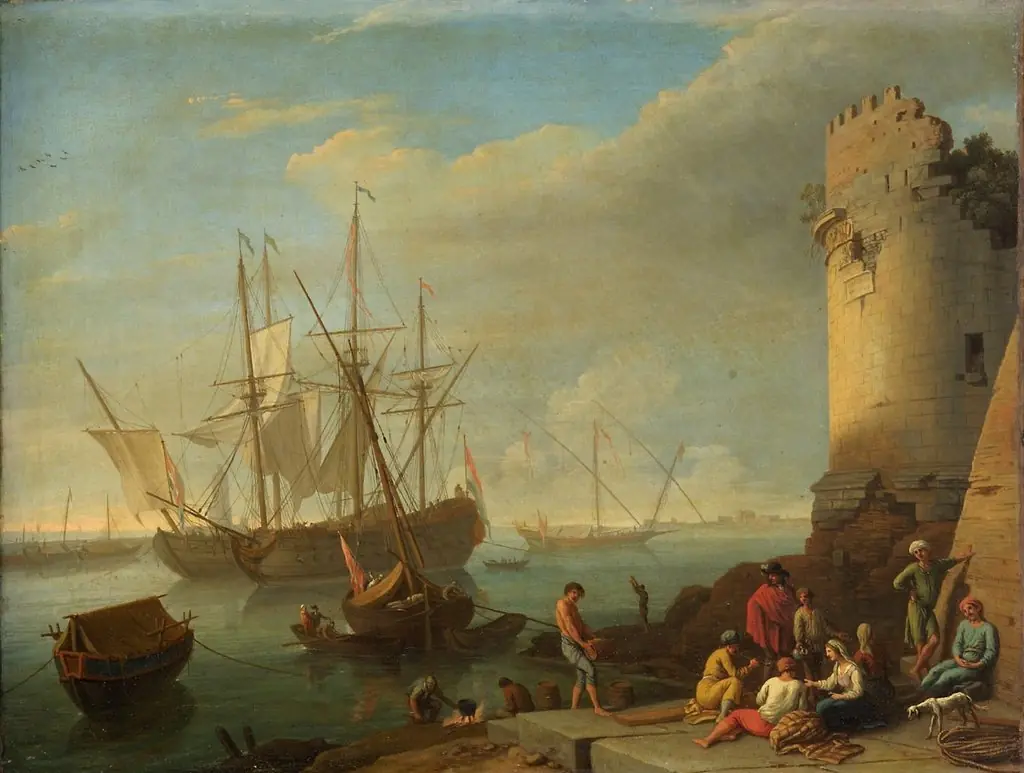
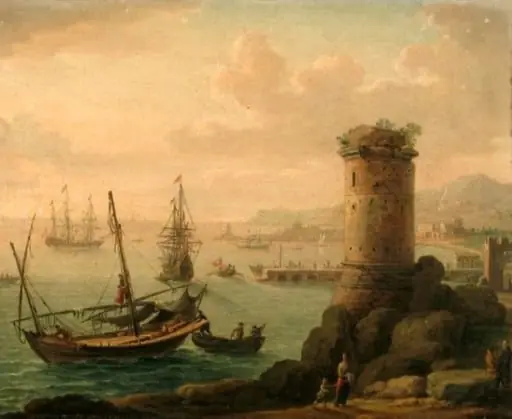
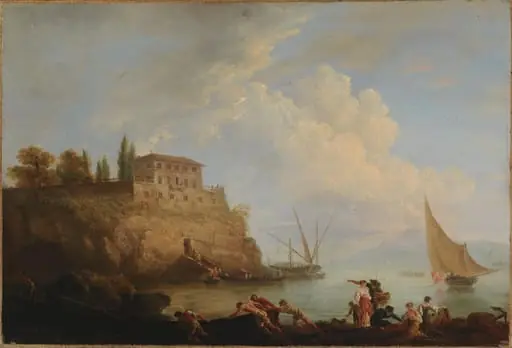
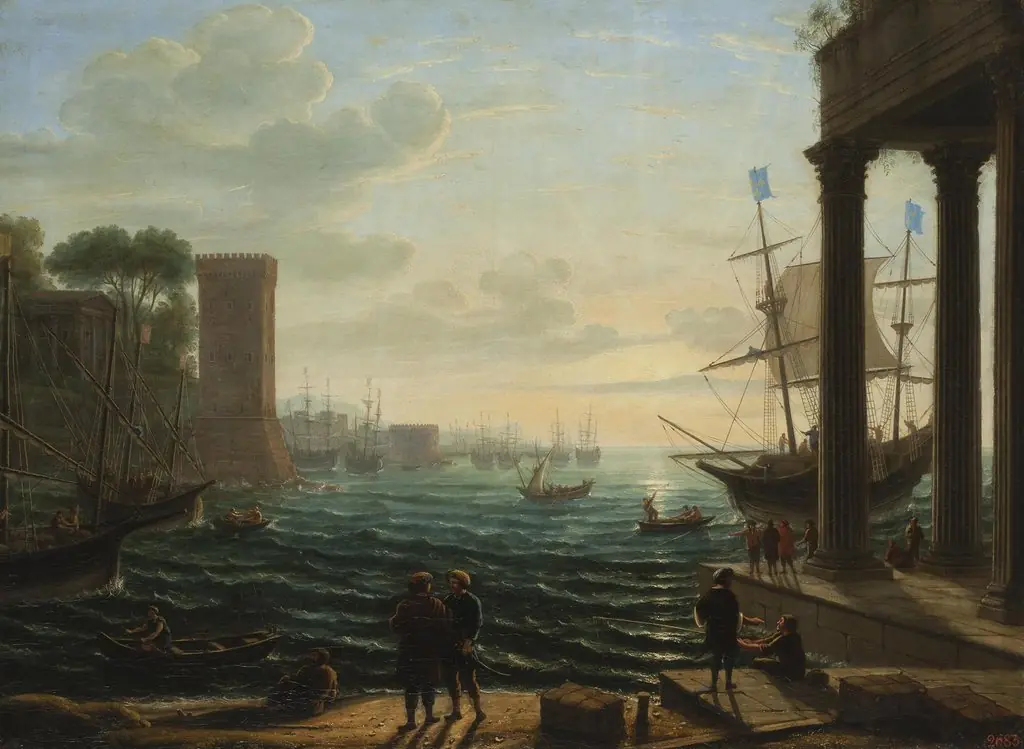
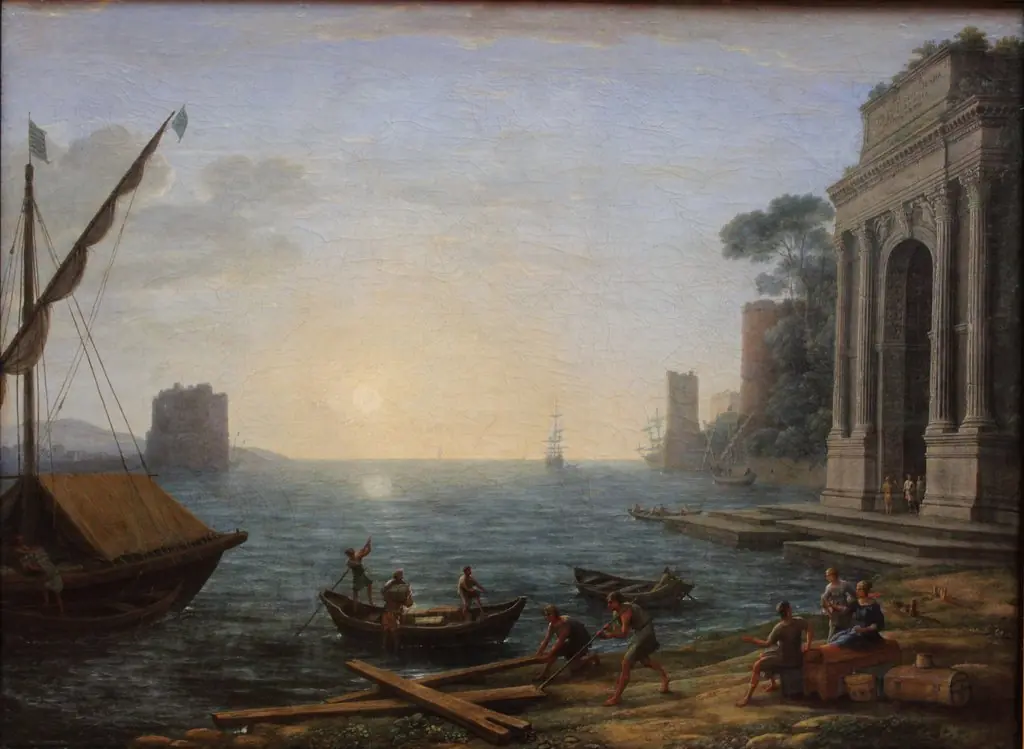
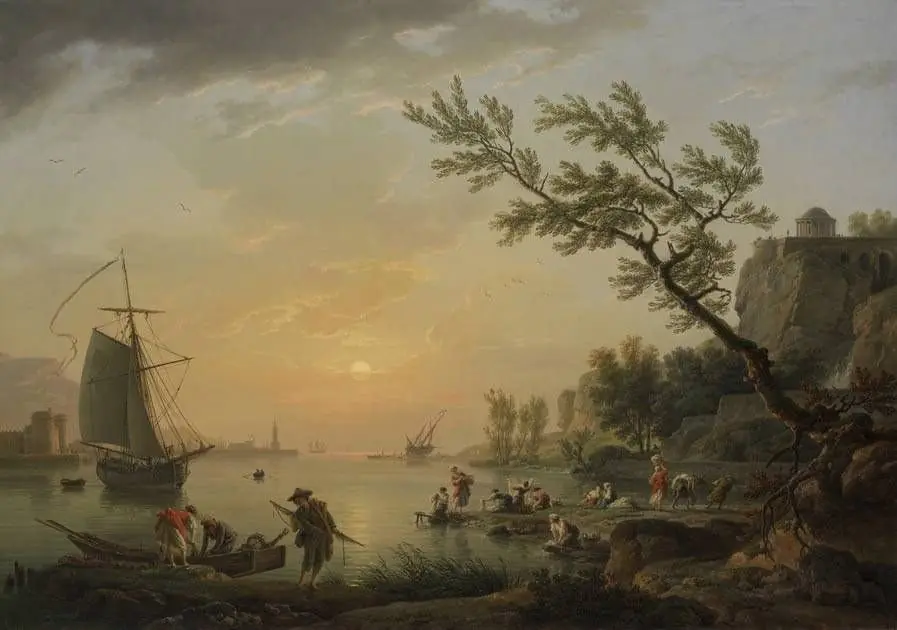
Orientalischer Seehafen bei Sonnenaufgang is an unspecified painting by Claude-Joseph Vernet. It is held in the collection of the Bavarian State Painting Collections. This painting portrays a quiet coastal scene at dawn, where the first light of day softens the horizon and reflects gently across the water.
About this work
Overview
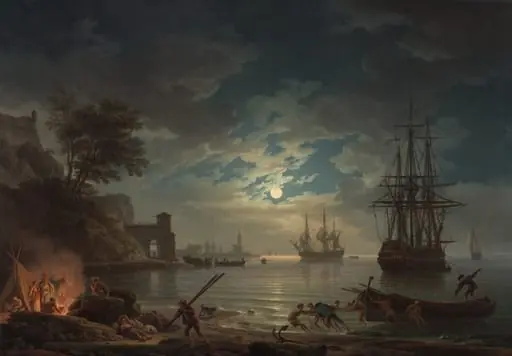
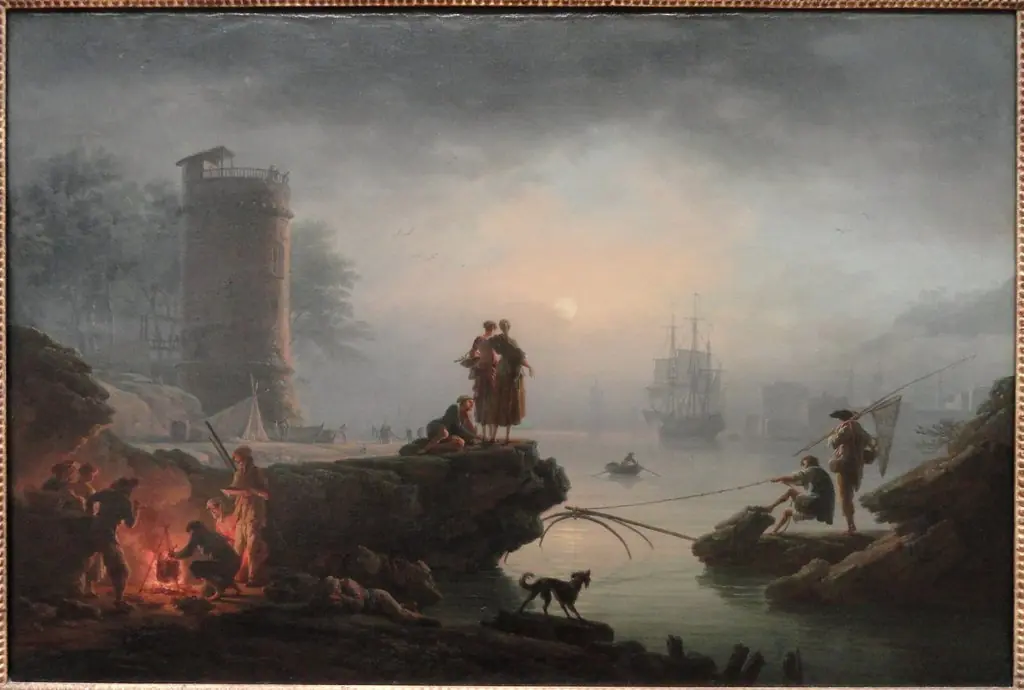
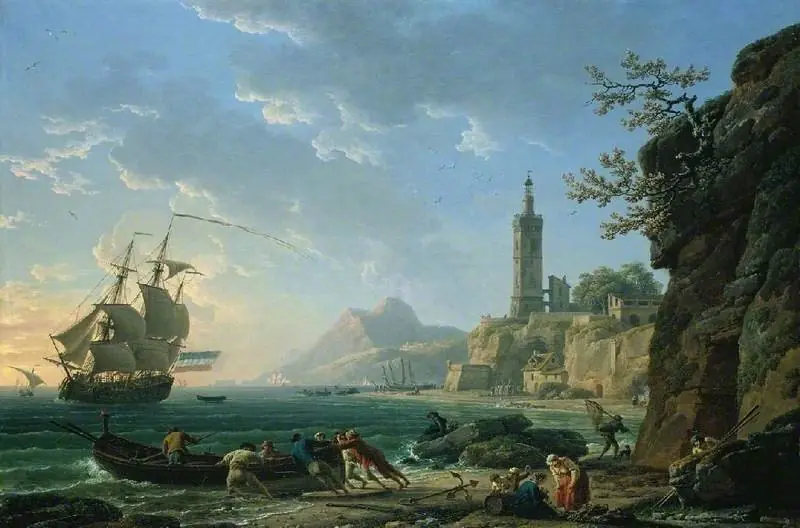
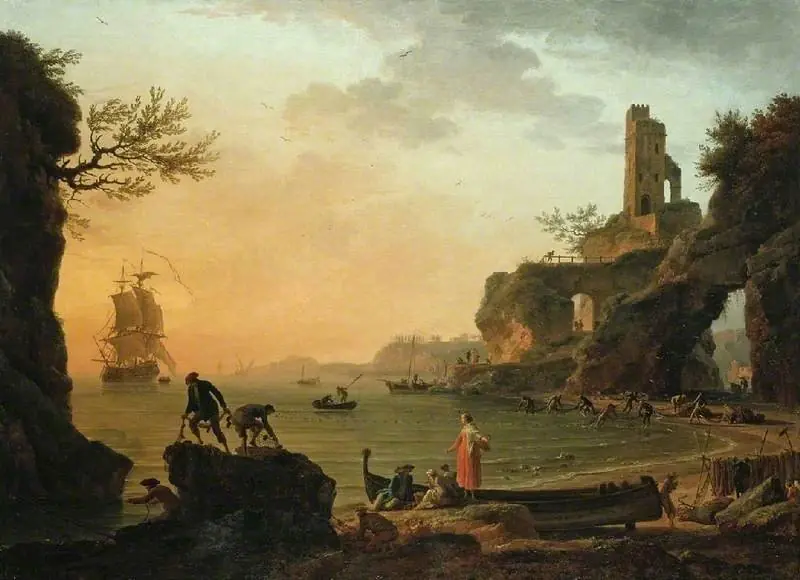
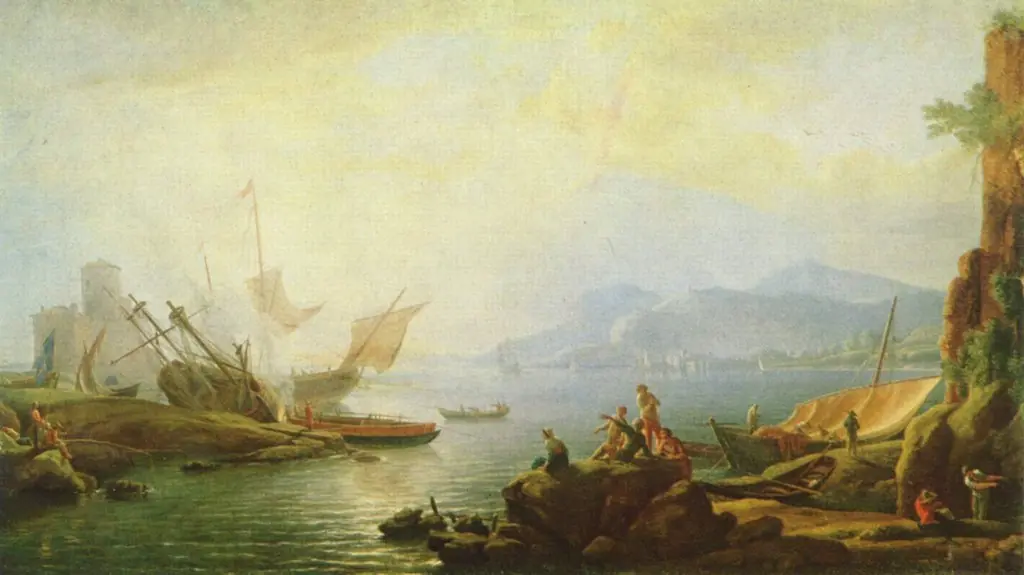
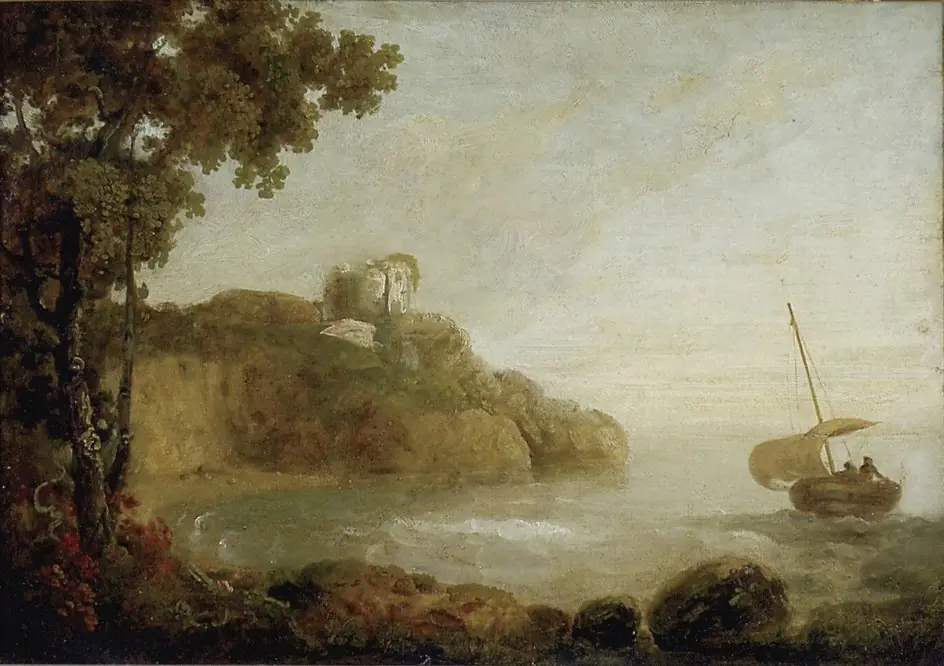
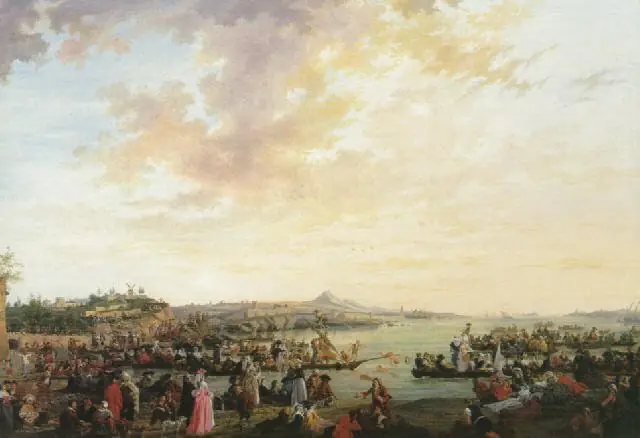
This painting portrays a quiet coastal scene at dawn, where the first light of day softens the horizon and reflects gently across the water. Figures along the shore engage in daily tasks, while small vessels rest or drift nearby. The composition emphasizes stillness and the subtle interplay of light and shadow, inviting quiet contemplation rather than dramatic action.
Subject & Meaning
The scene captures ordinary life at the water’s edge—fishermen preparing nets, travelers pausing to watch the sunrise, and others simply present in the moment. There is no narrative climax; instead, the focus lies in the rhythm of routine and the quiet dignity of labor. The early hour suggests transition, a threshold between night and day, reinforcing themes of renewal and quiet endurance.
Technique & Style
The artist employs chiaroscuro to model forms with delicate contrasts, lending volume to figures and boats without harsh definition. Soft, muted tones dominate the palette, with cool blues and pale golds suggesting the hush of morning. Brushwork is restrained, favoring smooth transitions over texture, enhancing the atmosphere of calm and atmospheric unity across land, water, and sky.
History & Provenance
The painting’s origins are tied to 19th-century European interest in Orientalist themes, though its exact provenance remains undocumented. It likely emerged from a period when artists traveled to Mediterranean and Near Eastern ports, sketching local life for studio works back home. No record of its early owners or exhibition history has been verified.
Context
Created during a time when Western artists idealized Eastern coastal communities, this work reflects a romanticized yet restrained vision of the Orient. Unlike more exoticized depictions, it avoids spectacle, focusing instead on quiet, unremarkable moments. This aligns with a subset of Orientalist painting that prioritized mood over cultural commentary.
Legacy
The painting contributes to a lesser-known strand of Orientalist art that values atmosphere over narrative or ethnographic detail. It has not entered major public collections or scholarly discourse, but its quiet composition continues to resonate with viewers drawn to understated depictions of daily life in historical coastal settings.
Artist & collection
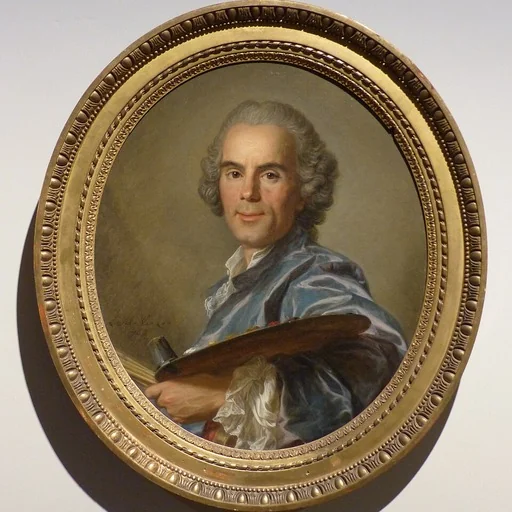
Artist
Claude-Joseph Vernet (French pronunciation: ; 14 August 1714 – 3 December 1789) was a French painter. His son Carle Vernet and daughter Marguerite Émilie Chalgrin were also painters.