Artwork
Shipwreck
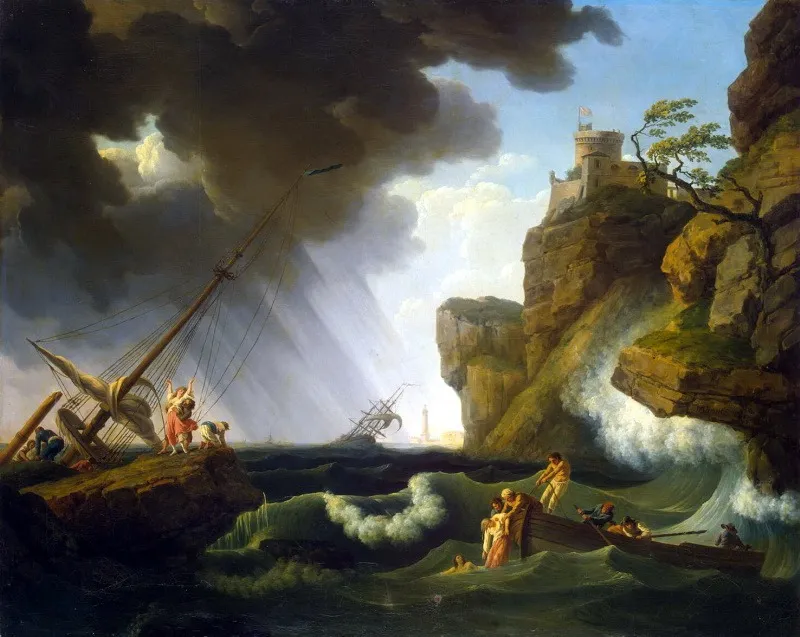
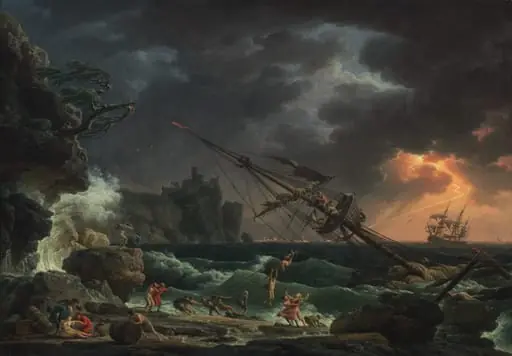
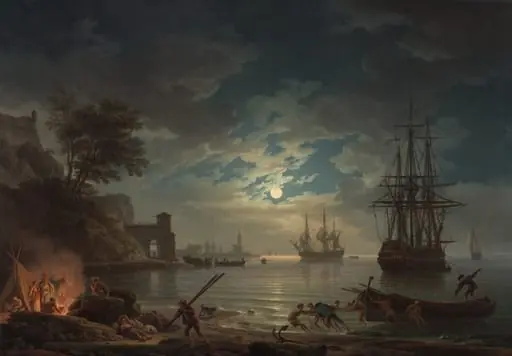
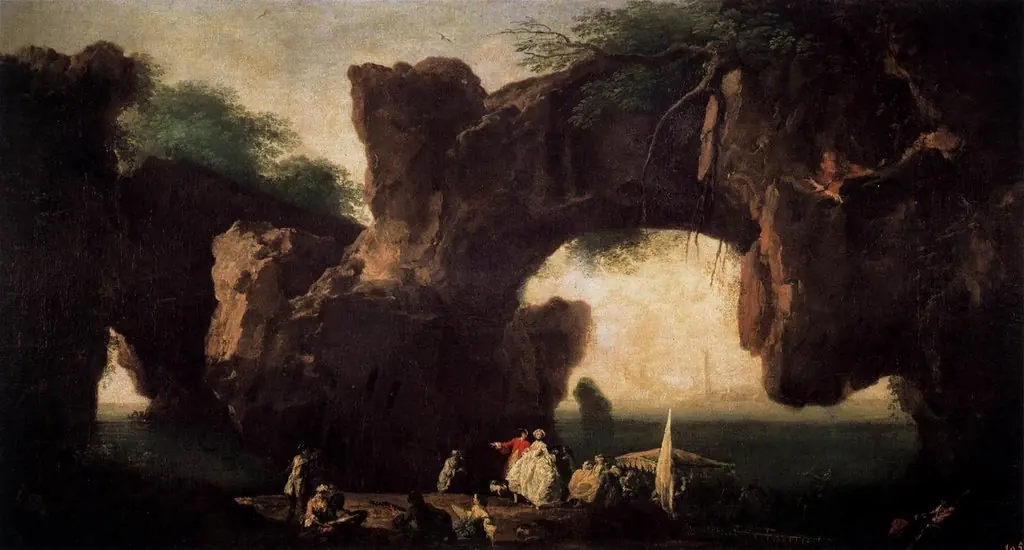
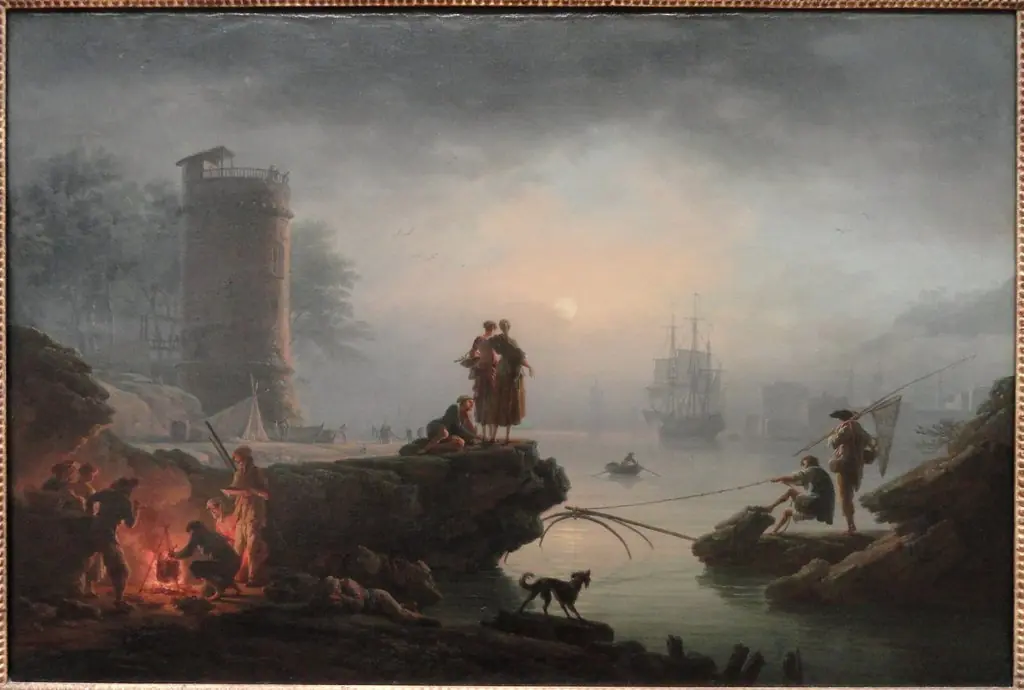
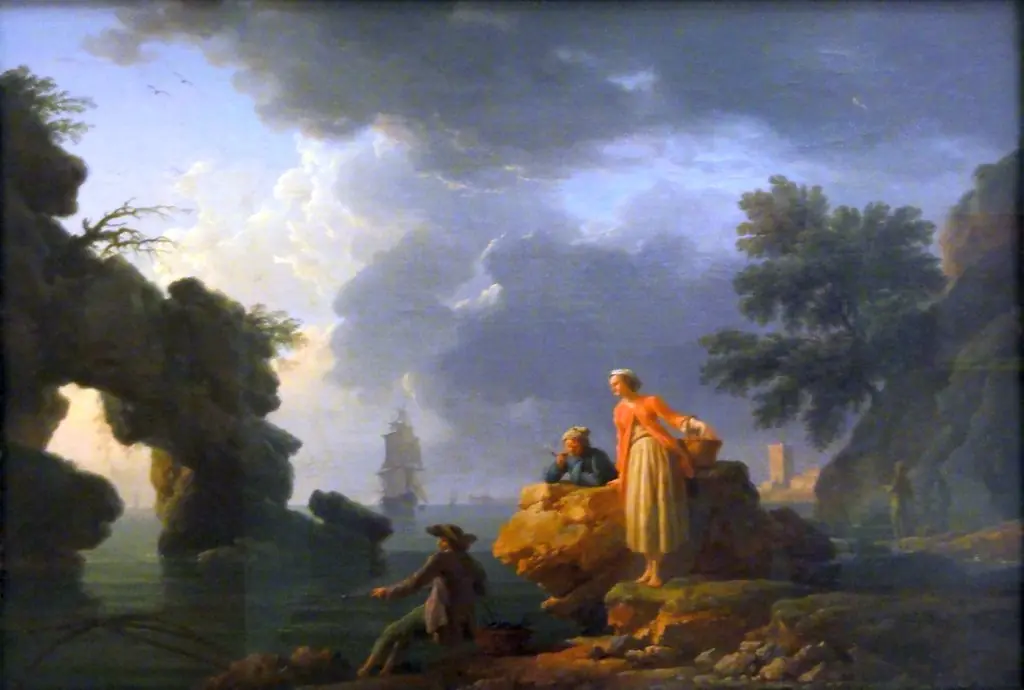
Shipwreck is an oil painting by the Rococo painting artist Claude-Joseph Vernet. It dates from 1763 and is held in the collection of the Hermitage Museum.
About this work
Overview
Joseph Vernet’s *Shipwreck* (1763) is an oil painting that captures a violent maritime disaster. Executed during the Rococo era, the work is part of the State Hermitage Museum’s collection and exemplifies Vernet’s reputation for rendering atmospheric seascapes.
Subject & Meaning
The canvas presents a storm‑tossed sea where two vessels are in peril. One ship is driven onto jagged rocks beneath a towering cliff, its crew scrambling to salvage belongings. The second vessel succumbs to the waves, while a small boat ferries survivors toward shore, emphasizing human vulnerability amid nature’s fury.
Technique & Style
Vernet employs a pronounced chiaroscuro, contrasting bright highlights on the cresting waves and the faces of the rescuers with deep shadows elsewhere. The interplay of light and dark intensifies the sense of danger and movement, while the turbulent sky and rain heighten the dramatic tension.
History & Provenance
Created in 1763, the painting entered the Russian imperial collection and now resides in the State Hermitage Museum. Its acquisition reflects the 18th‑century European appetite for dramatic natural subjects, particularly those depicting the sea’s power.
Context
During the Rococo period, artists often favored lighthearted themes, yet Vernet pursued a more somber vein, focusing on the sublime aspects of nature. *Shipwreck* aligns with his broader series of marine scenes that explore the interplay of weather, light, and human endeavor.
Artist & collection
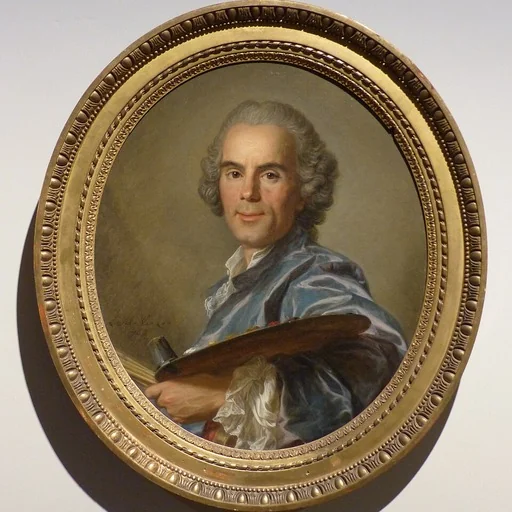
Artist
Claude-Joseph Vernet (French pronunciation: ; 14 August 1714 – 3 December 1789) was a French painter. His son Carle Vernet and daughter Marguerite Émilie Chalgrin were also painters.