Artwork
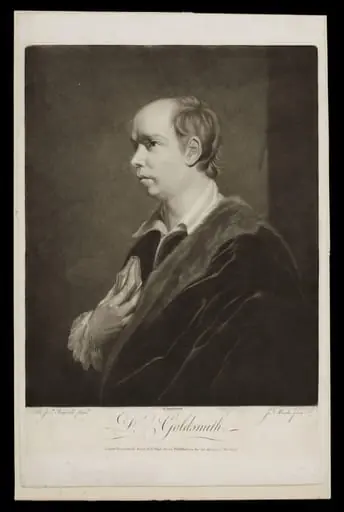
Portrait of Oliver Goldsmith (1728-1774), Playwright and Author
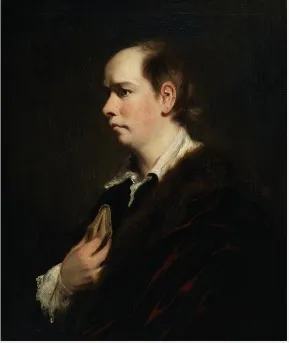
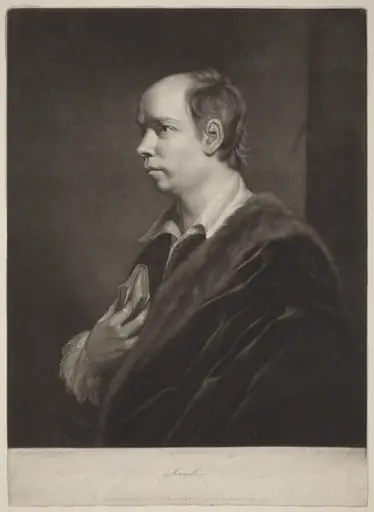
Portrait of Oliver Goldsmith (1728-1774), Playwright and Author is an oil painting by the Rococo painting artist Joshua Reynolds. It dates from 1772 and is held in the collection of the National Gallery of Ireland.
About this work
Overview
The painting is part of the National Gallery of Ireland’s collection and reflects the artist’s interest in blending naturalism with classical ideals.
Painted in 1772 by Sir Joshua Reynolds, this oil portrait captures the Irish writer and playwright Oliver Goldsmith. Reynolds, a central figure in British art and the first president of the Royal Academy, employed his signature Grand Style to present Goldsmith with a sense of dignified composure. The painting is part of the National Gallery of Ireland’s collection and reflects the artist’s interest in blending naturalism with classical ideals.
Subject & Meaning
Goldsmith, known for his literary works including 'The Vicar of Wakefield' and 'She Stoops to Conquer,' is depicted in quiet contemplation. His downward gaze and the folded paper suggest introspection or the act of composition. Reynolds avoids overt symbolism, instead emphasizing the writer’s intellectual presence through posture and expression, aligning the subject with the Enlightenment ideal of the thoughtful man of letters.
Technique & Style
Reynolds used soft, blended brushwork to model Goldsmith’s face and clothing, creating subtle transitions between light and shadow. The dark, unadorned background heightens the three-dimensionality of the figure. The play of light across the lace cuffs and skin reflects a mastery of chiaroscuro, a technique borrowed from Old Master traditions. The restrained palette and controlled composition reflect the Grand Style’s emphasis on elegance over immediacy.
History & Provenance
Commissioned during Goldsmith’s final years, the portrait was completed shortly before his death in 1774. It remained in private hands until acquired by the National Gallery of Ireland in the 19th century. Reynolds, who had known Goldsmith personally, likely intended the work as both a tribute and a statement of cultural prestige, aligning the writer with the intellectual elite of the era.
Context
In the 1770s, British portraiture increasingly sought to elevate subjects through classical references and refined aesthetics. Reynolds, as a leading academician, promoted this approach through the Royal Academy. Goldsmith, though a popular writer, was not a nobleman—yet Reynolds treated him with the gravitas reserved for aristocrats, reflecting the growing cultural authority of literary figures in Enlightenment society.
Legacy
The portrait endures as a representative example of Reynolds’s ability to merge psychological insight with formal discipline. It influenced later British portraiture by demonstrating how literary figures could be rendered with the same solemnity as political or noble subjects. Today, it remains a key work in understanding the intersection of art and intellectual identity in 18th-century Britain.
Artist & collection
Artist
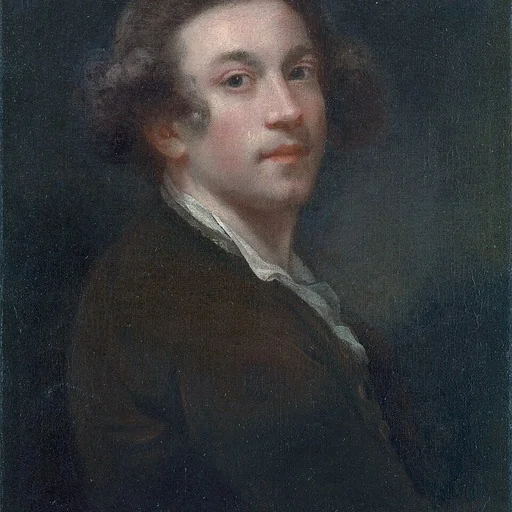
Sir Joshua Reynolds (16 July 1723 – 23 February 1792) was an English painter who specialised in portraits.

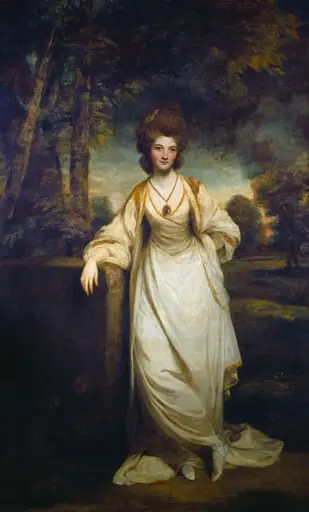
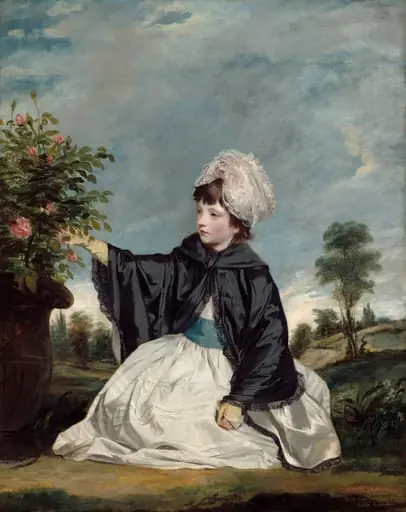
 H Beard Print Collection
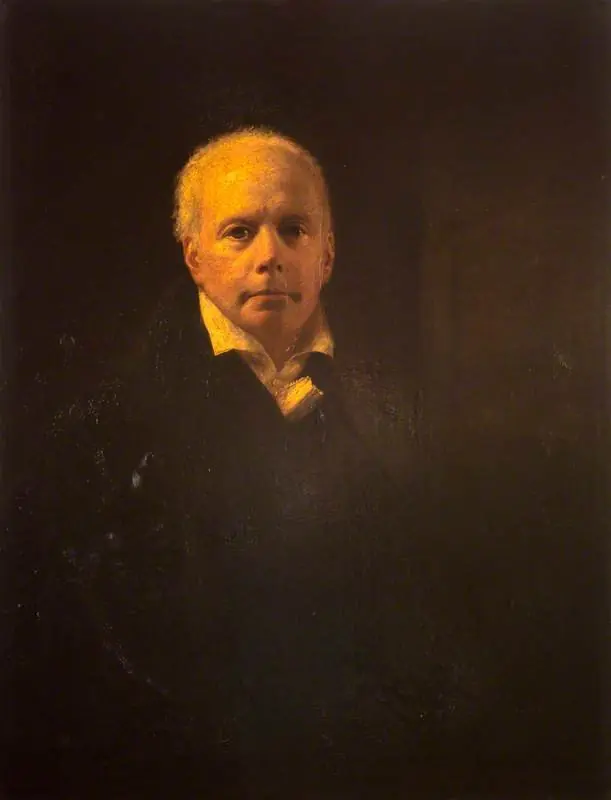 Self-portrait
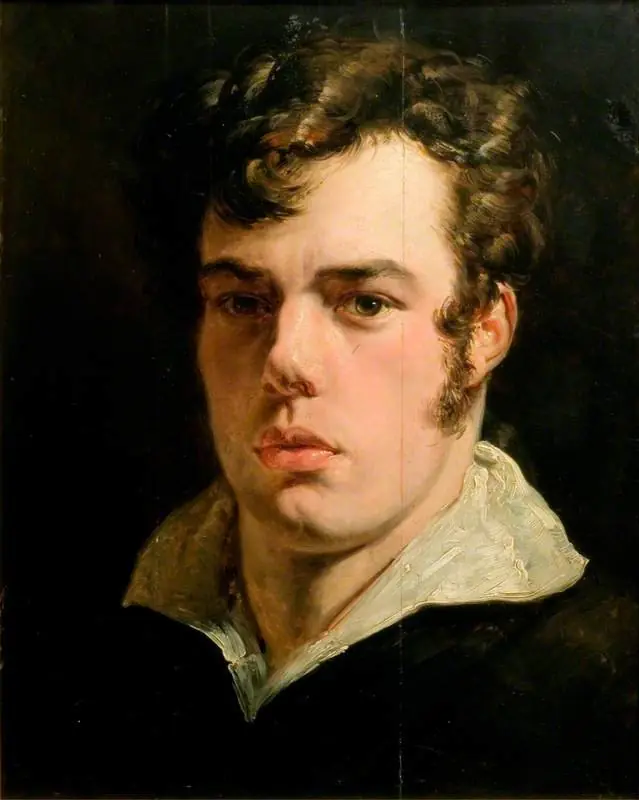 Self Portrait
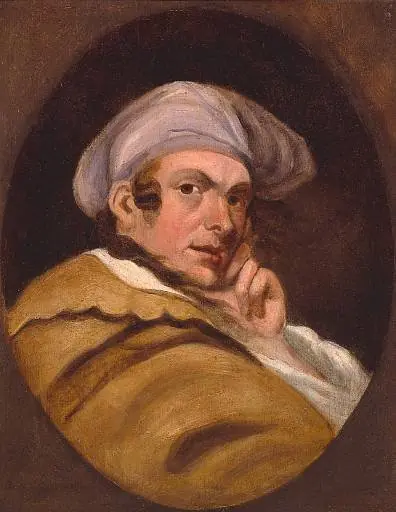 Selbstporträt
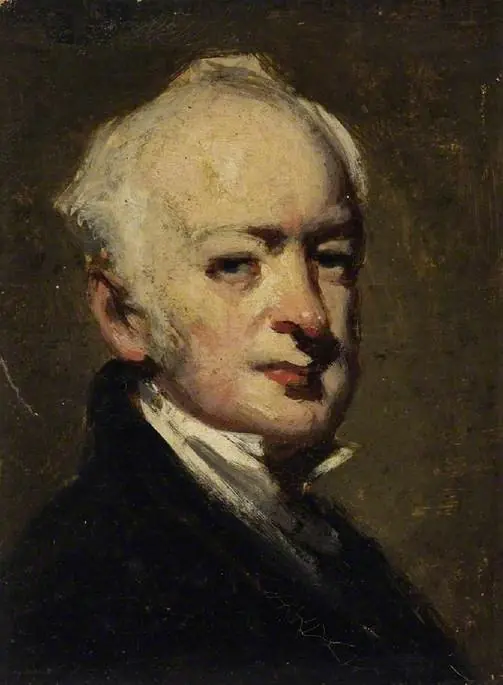 Head and shoulders of an elderly man
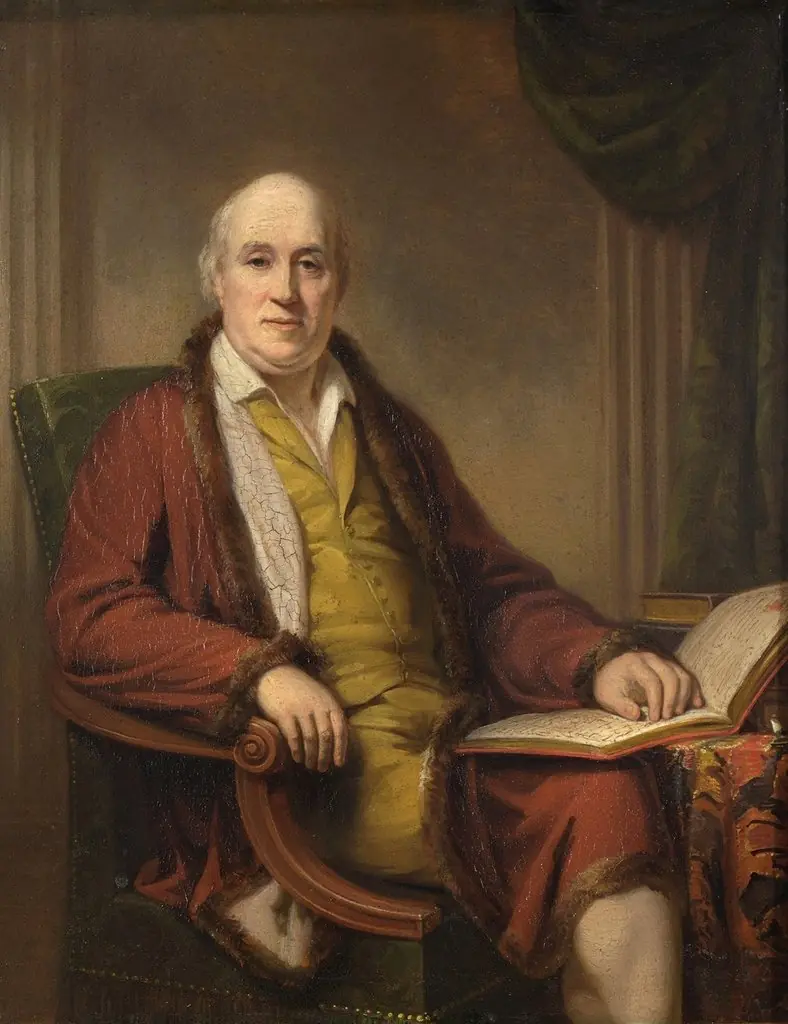 Richard, 7th Viscount Fitzwilliam of Merrion
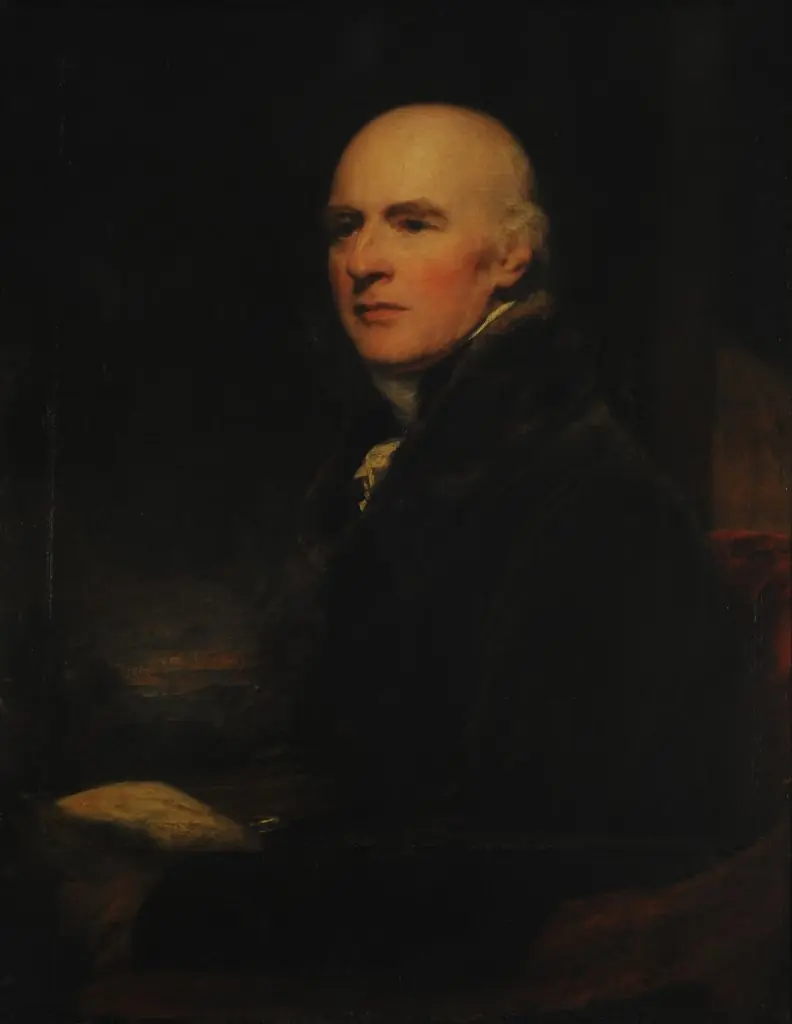 Portrait of Joseph Farington, R.A.
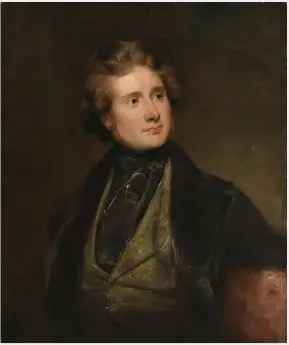 Portrait of Sir Frederic William Burton (1816-1900), Artist and Director, National Gallery, London
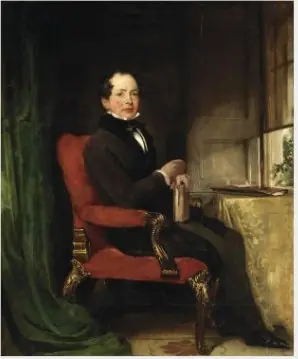 Portrait of Thomas Moore (1779-1852), Poet
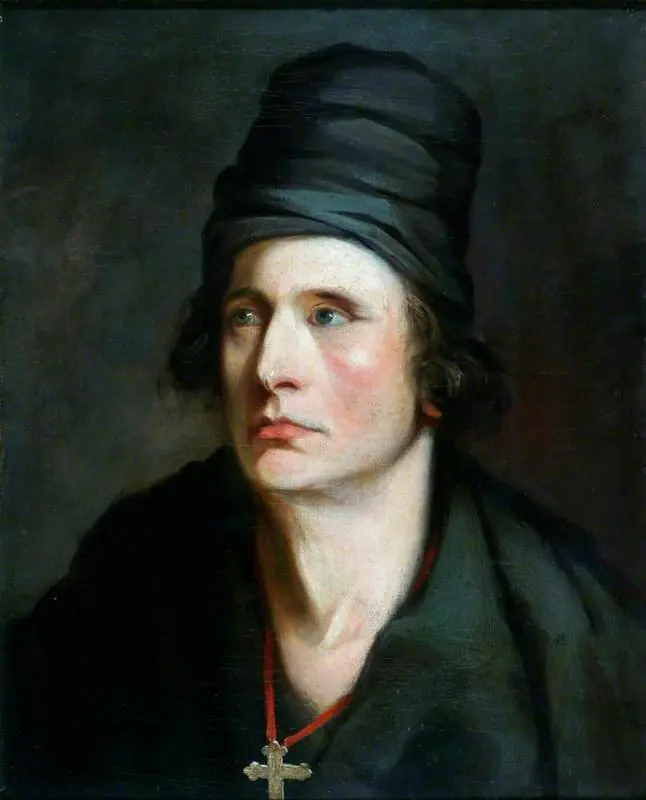 John Philip Kemble (1757–1823), as Vicentio in 'Measure for Measure' by William Shakespeare, 1794
 Painting of Wilhelm Schadow
 Oliver Goldsmith