Artwork
H Beard Print Collection
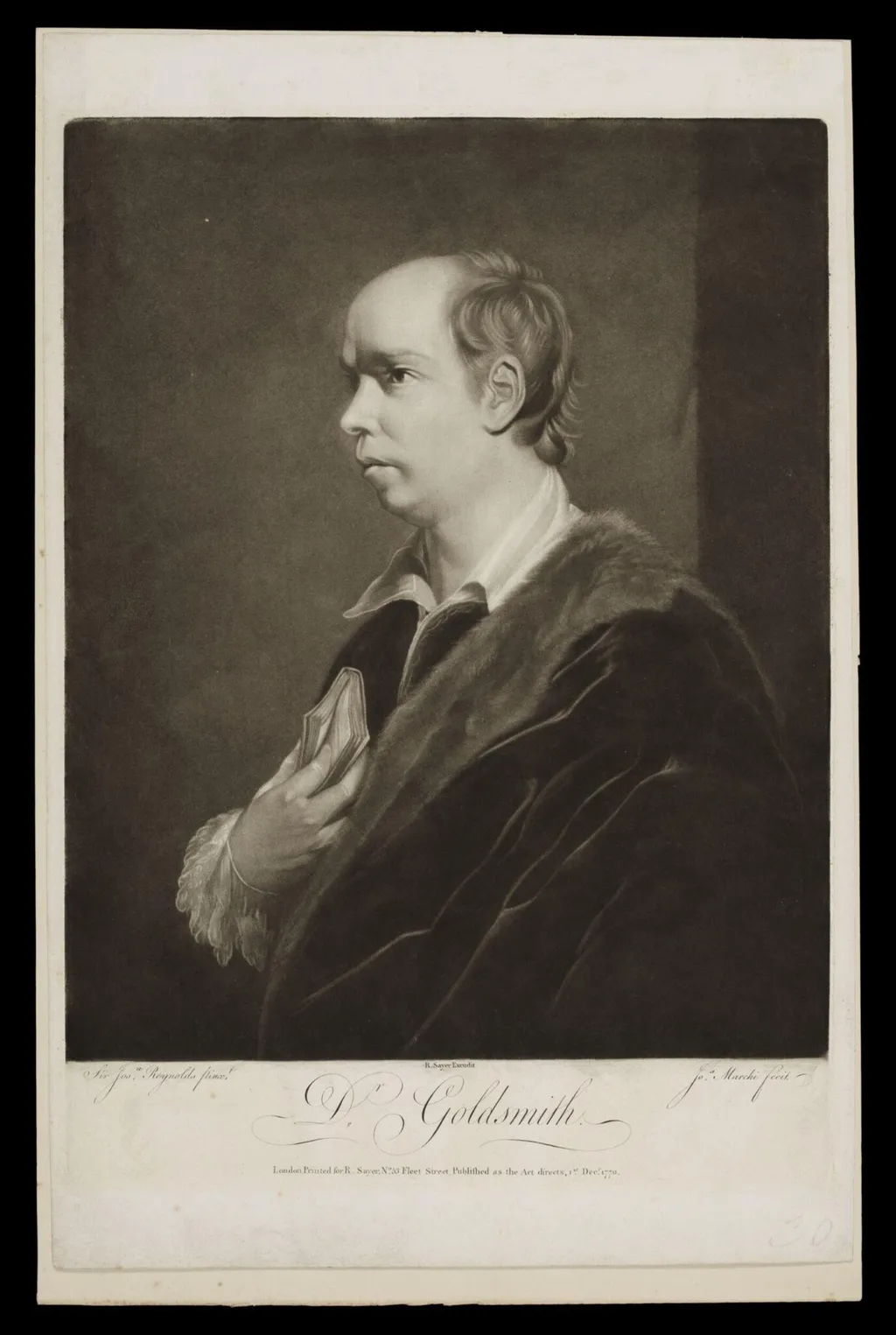
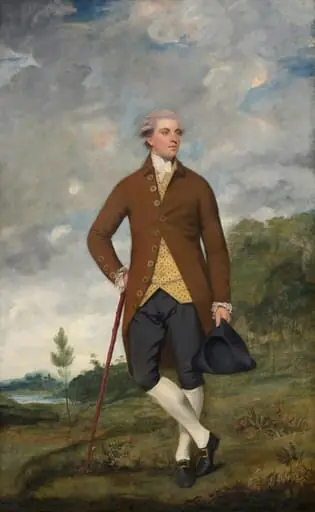
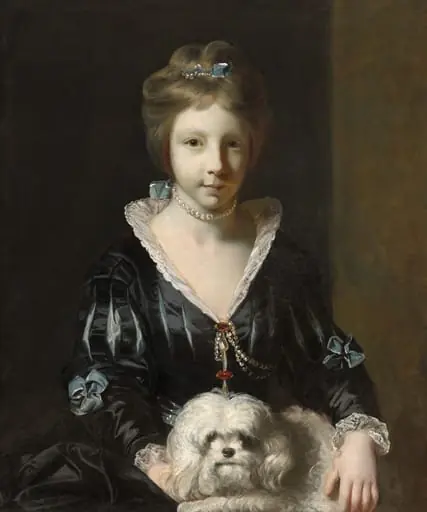
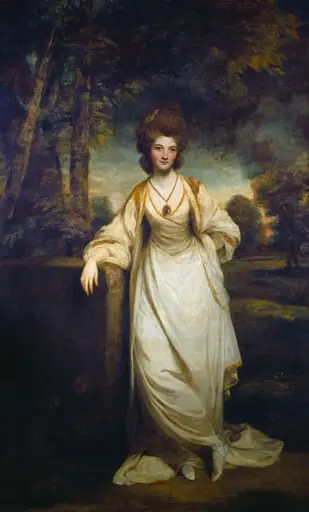
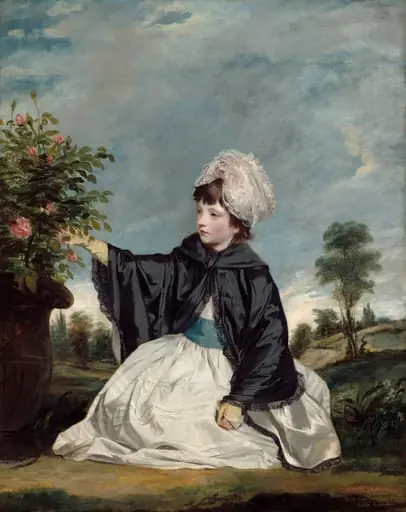
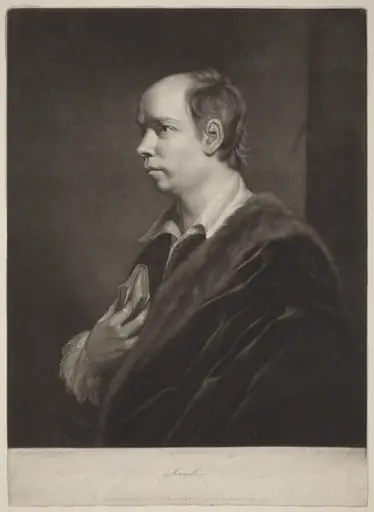
H Beard Print Collection is a print by the Romanticist artist Joshua Reynolds. It dates from 1 and is held in the collection of the Victoria and Albert Museum. This print, produced in London in 1770 by Robert Sayer, depicts Dr.
About this work
The print’s crisp lines catch the doctor’s confident gaze, a quiet sign of the new print fashion in London.
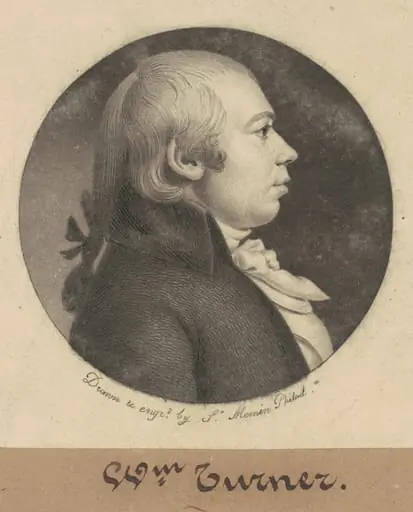
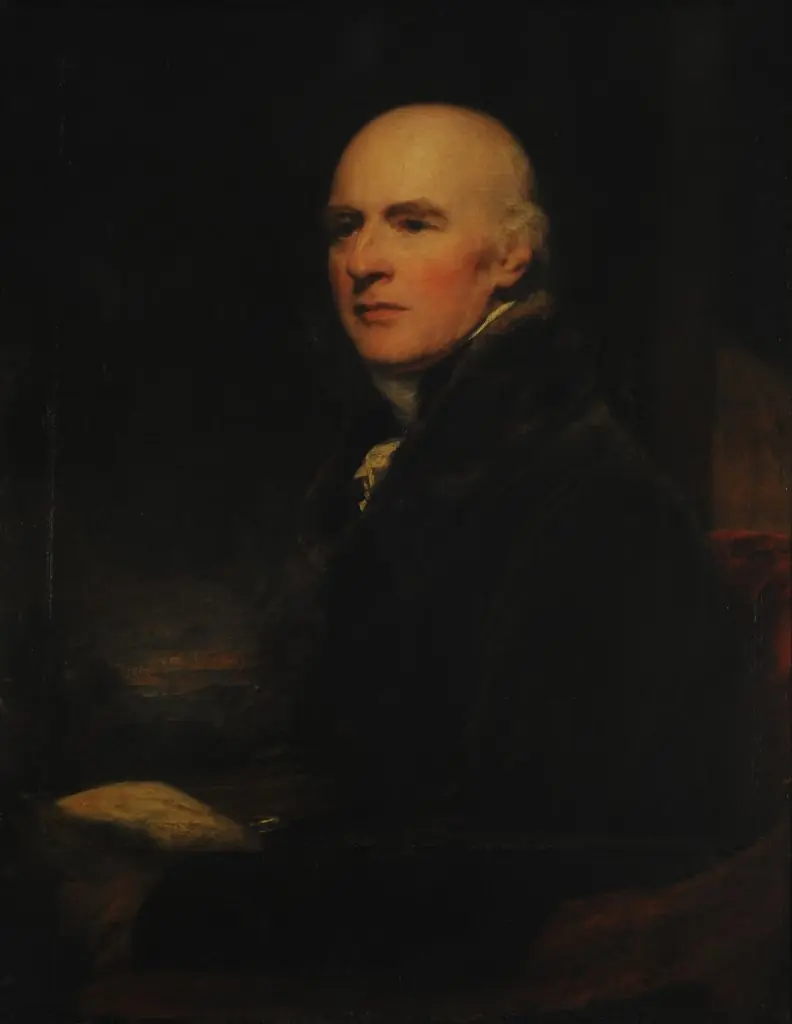
This print shows a man in a dark coat and white cravat, his face half-lit by sharp light. Sir Joshua Reynolds made it in 1770, copying one of his own oil portraits.
The print’s crisp lines catch the doctor’s confident gaze, a quiet sign of the new print fashion in London. Reynolds often turned his oil sketches into prints for wider sales.
See how the artist balanced light and shade here. Next, look up Reynolds, Joshua, Sir.
Overview
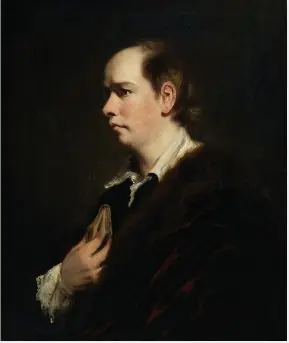
This print, produced in London in 1770 by Robert Sayer, depicts Dr. Oliver Goldsmith as rendered by Sir Joshua Reynolds. It is a reproductive engraving based on Reynolds’s original oil portrait, made to reach a broader audience. The composition emphasizes the sitter’s composed demeanor through controlled lighting and precise line work, reflecting the growing demand for affordable portraiture in late 18th-century Britain.
Subject & Meaning
Dr. Oliver Goldsmith, a celebrated writer and physician, is portrayed with quiet authority. His dark coat and crisp white cravat suggest professional refinement, while the sharp illumination on his face draws attention to his direct gaze. The image conveys intellectual presence rather than grandeur, aligning with Enlightenment ideals of rationality and modest dignity, values Goldsmith embodied in his literary and public life.
Technique & Style
Reynolds employed etching and engraving to translate the tonal richness of his oil painting into a printed format. The print’s sharp contours and subtle gradations of light and shadow demonstrate mastery of chiaroscuro adapted for print media. The texture of fabric and skin is suggested through fine, deliberate lines, revealing the technical skill required to translate painterly effects into the medium of ink on paper.
History & Provenance
The print was published by Robert Sayer, a prominent London printseller known for distributing works by leading artists. It was part of a broader trend in which Reynolds and other portraitists produced engraved versions of their paintings to extend their influence and income. This particular impression likely circulated among middle-class collectors who sought cultural capital through ownership of art derived from elite sources.
Context
In the 1770s, London’s print market expanded rapidly, fueled by rising literacy and a burgeoning middle class eager for visual culture. Reynolds’s decision to reproduce his portraits as prints reflected both commercial strategy and a belief in art’s public role. This print exemplifies how fine art was becoming accessible beyond aristocratic circles, reshaping how identity and achievement were visually represented.
Legacy
Reynolds’s reproductive prints helped establish the model of the artist as both creator and disseminator of imagery. By converting oil portraits into engravings, he contributed to the standardization of portraiture as a public medium. This print remains a tangible record of how artistic authority was negotiated between original creation and mechanical reproduction in the age of print.
Artist & collection
Artist
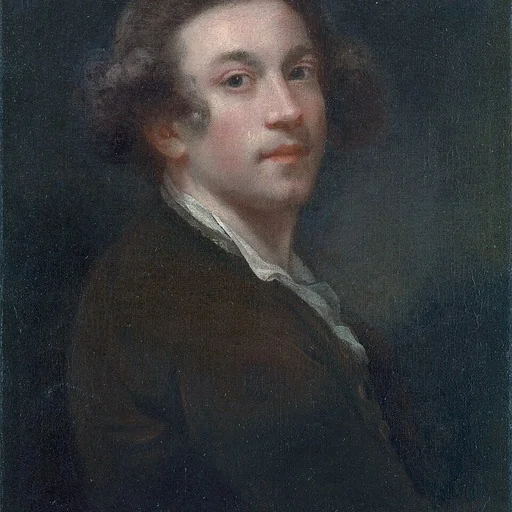
Sir Joshua Reynolds (16 July 1723 – 23 February 1792) was an English painter who specialised in portraits.