Artwork
La resurrección de Lázaro
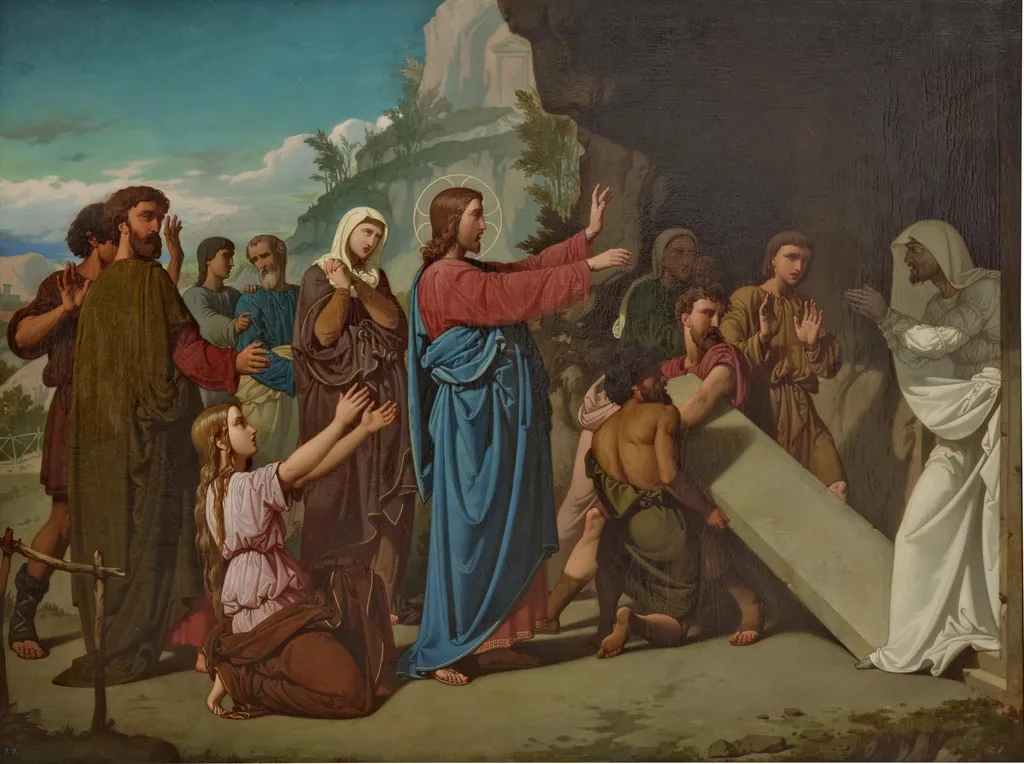
La resurrección de Lázaro is an oil painting by Juan de Barroeta. It dates from 1855 and is held in the collection of the Museo del Prado.
About this work
Overview
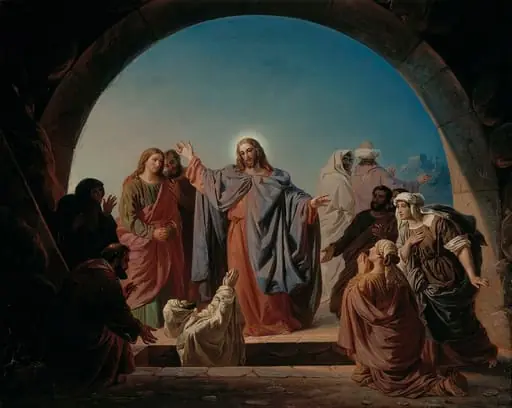
Painted in 1855 by Spanish artist Juan de Barroeta, *La resurrección de Lázaro* is an oil-on-canvas work depicting a biblical miracle. Barroeta, known for portraiture, turned to religious narrative in this piece, which now resides in the Museo del Prado. The composition centers on Christ’s act of restoring Lazarus to life, rendered with solemnity and attention to human reaction.
Subject & Meaning
The scene illustrates John 11:43–44, where Christ calls Lazarus from the tomb. Jesus, centrally positioned in red and blue garments, gestures with authority, while bystanders respond with awe, prayer, or disbelief. The stone slab, still in motion, and the woman clasping her hands emphasize the immediacy of the miracle. The moment captures divine power interrupting mortal grief.
Technique & Style
Barroeta employs chiaroscuro to heighten emotional tension, directing light toward Christ’s figure and the resurrected man. The figures are arranged in a semi-circular formation, guiding the viewer’s eye toward the central action. Textures in fabric and stone are rendered with quiet precision, avoiding theatricality in favor of restrained realism.
History & Provenance
Commissioned or created during Barroeta’s mature period, the painting entered the Museo del Prado’s collection in the 19th century. It reflects the institution’s broader interest in Spanish religious art beyond the Baroque era. Though not widely exhibited, it remains part of the museum’s permanent holdings as an example of mid-century Spanish academic painting.
Context
In mid-19th-century Spain, religious themes persisted in academic art despite rising secularism. Barroeta’s approach aligns with the conservative tastes of the time, favoring narrative clarity and emotional restraint over Romantic excess. His background in portraiture informed the individualized expressions of the onlookers, lending psychological depth to a traditional subject.
Legacy
While not among Barroeta’s most frequently studied works, *La resurrección de Lázaro* contributes to understanding the evolution of religious painting in Spain beyond the 17th century. It demonstrates how 19th-century artists adapted classical iconography with contemporary technical discipline, preserving devotional themes within an evolving artistic landscape.
Own this work as a print
Artist & collection
Artist
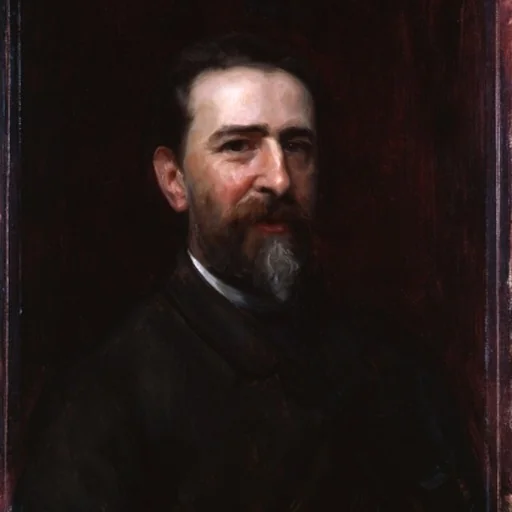
Juan de Barroeta y Anguisolea (10 October 1835 – 10 April 1906) was a Spanish painter of Basque ancestry; best known for his portraits.

 Jeesus herättää Lasaruksen, repliikki Turun Tuomiokirkon freskomaalauksesta
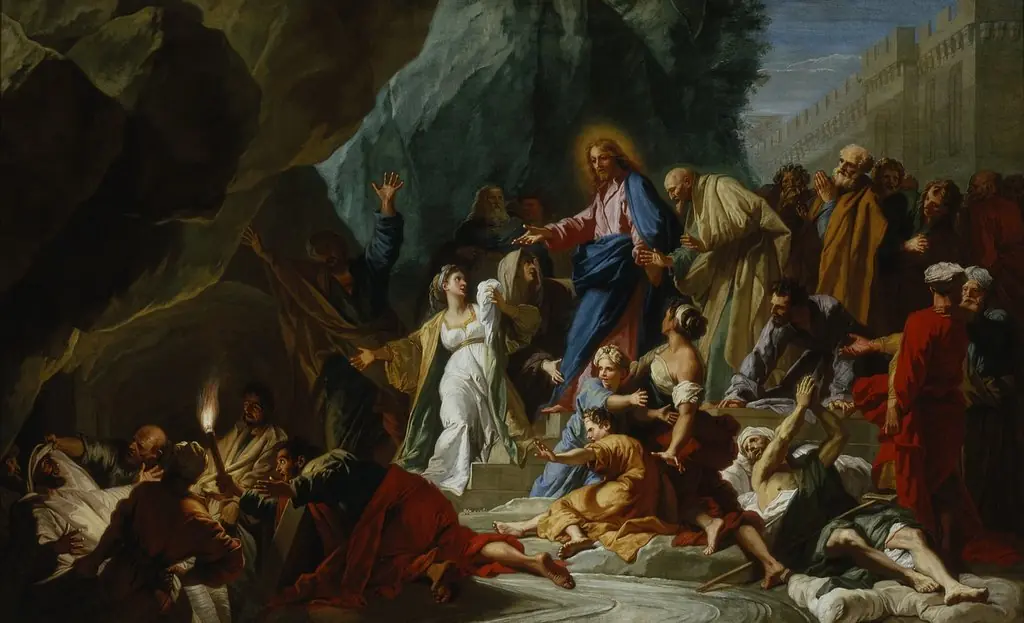 The Raising of Lazarus
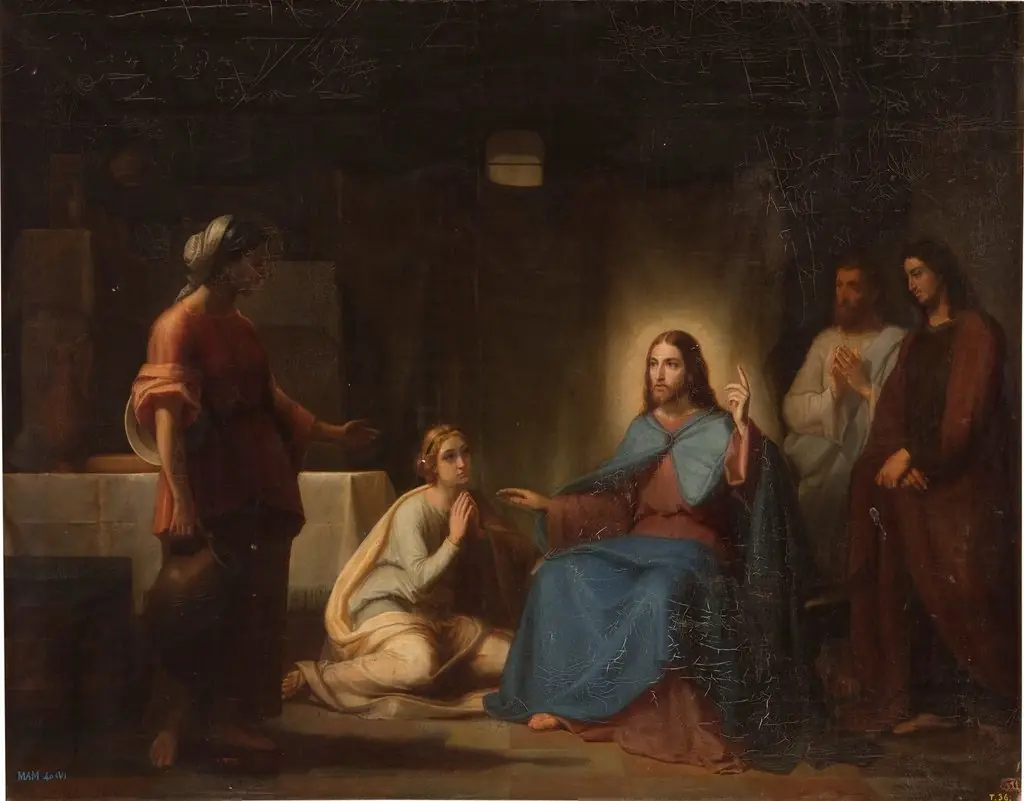 Jesús en casa de Marta y María
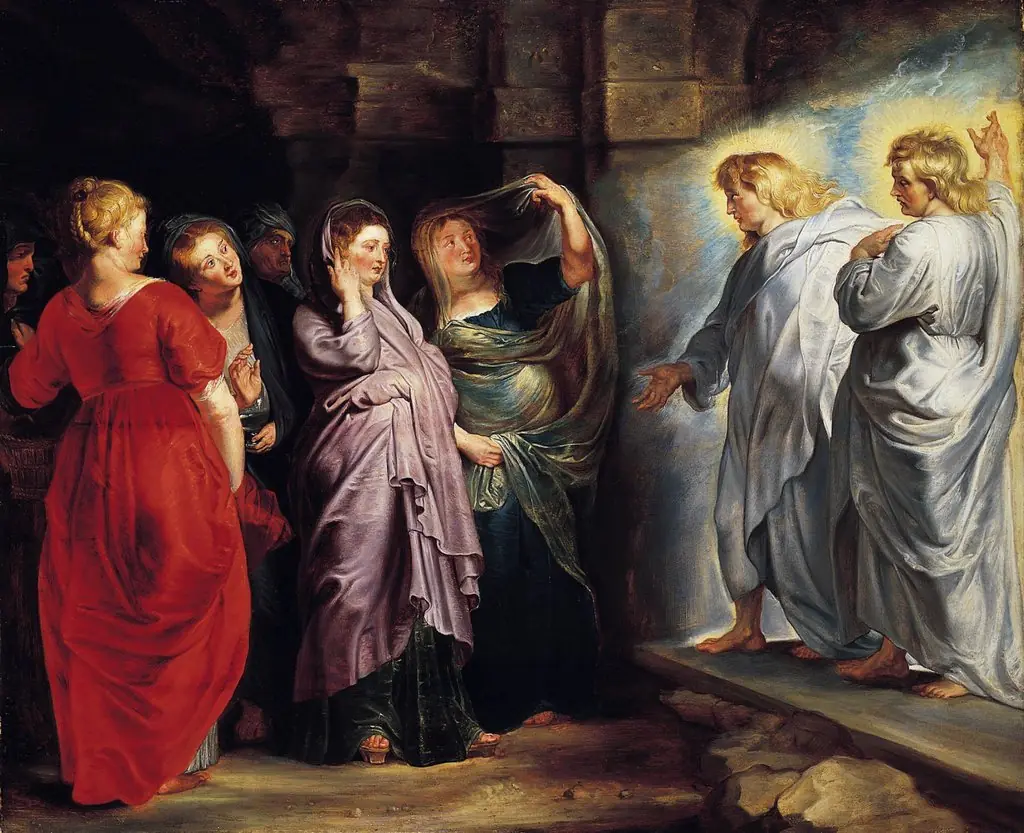 The Holy Women at the Sepulchre
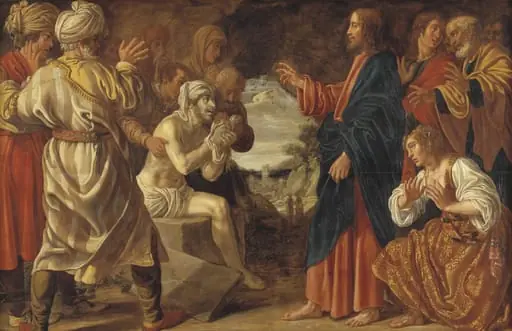 The Raising of Lazarus
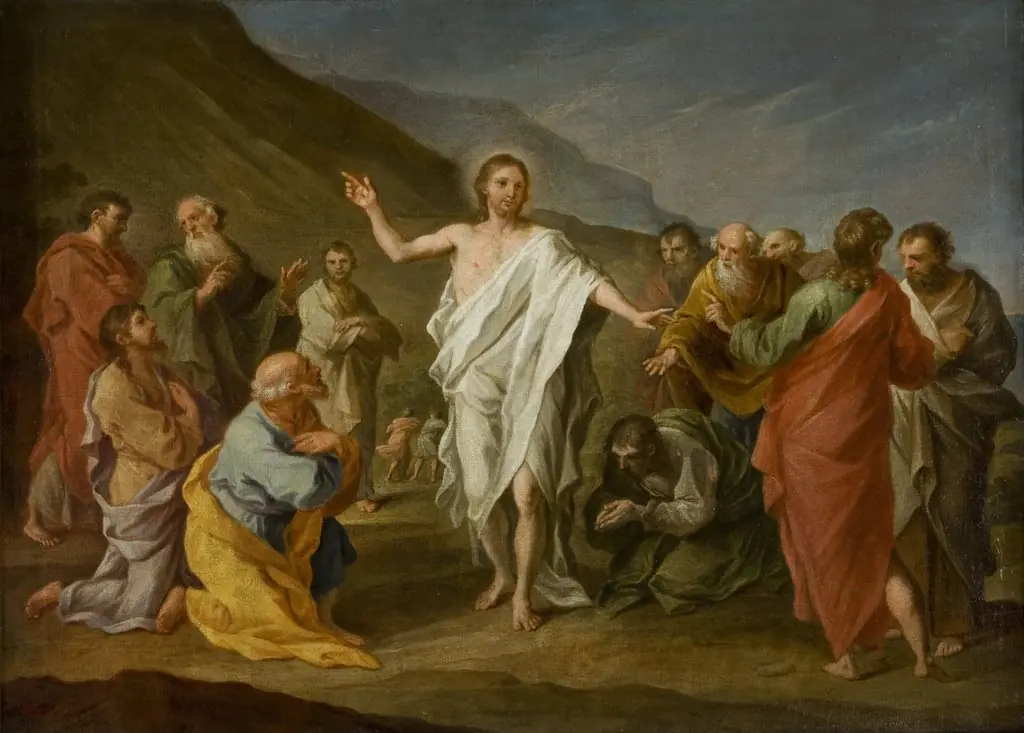 Christ Appearing to the Apostles after the Resurrection
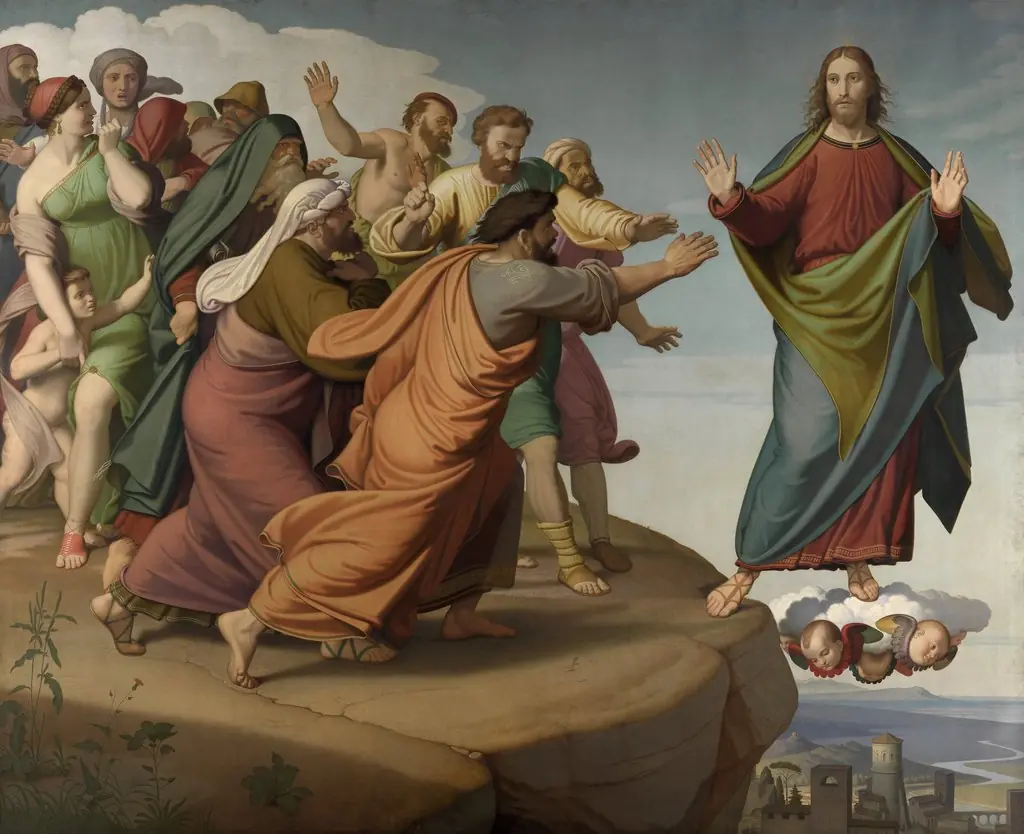 Christ Escapes the Pharisees
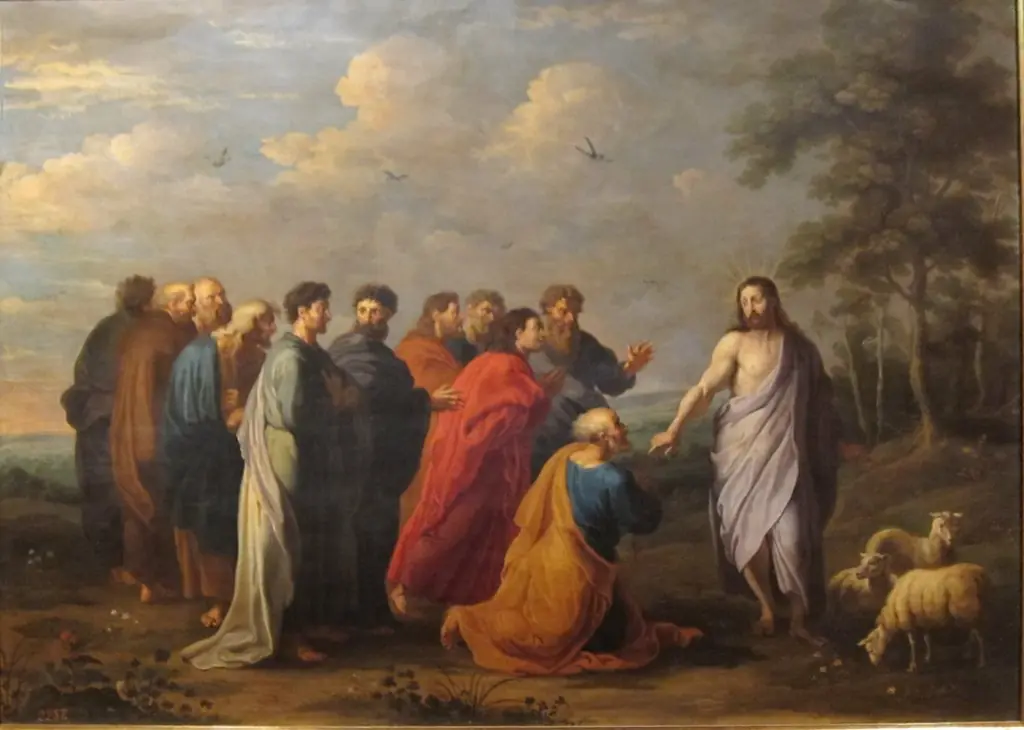 Jesucristo entregando las llaves a San Pedro
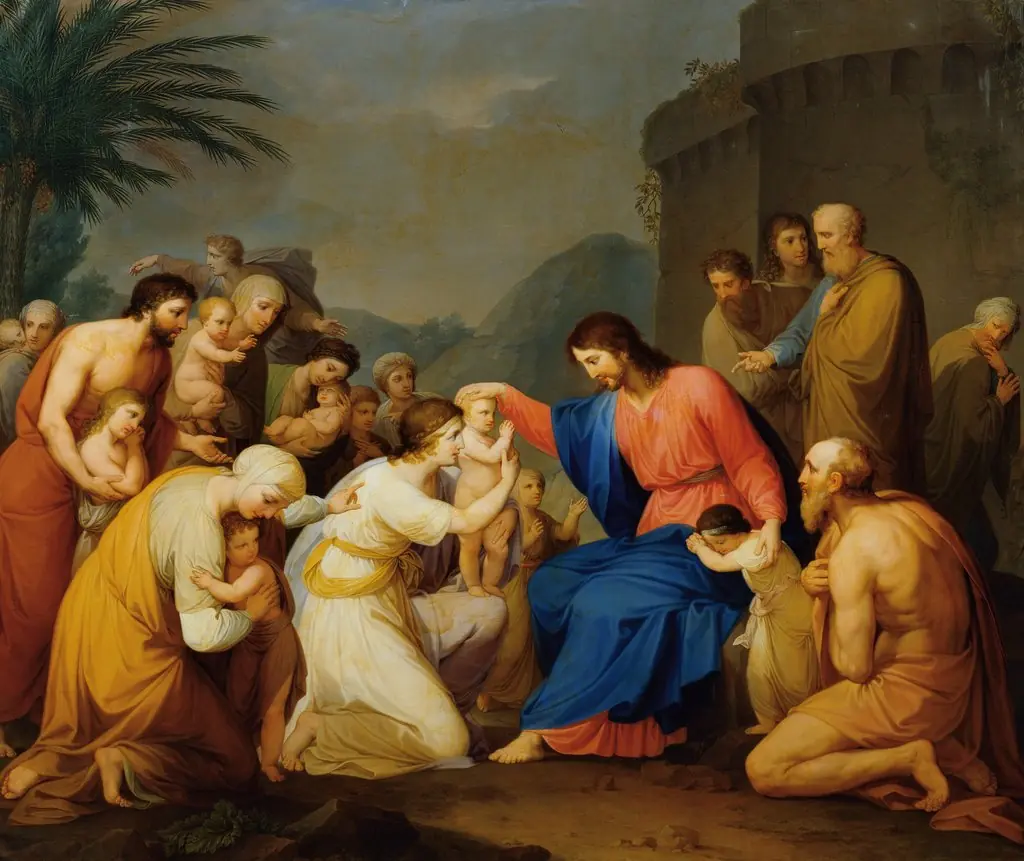 Lasset die Kindlein zu mir kommen
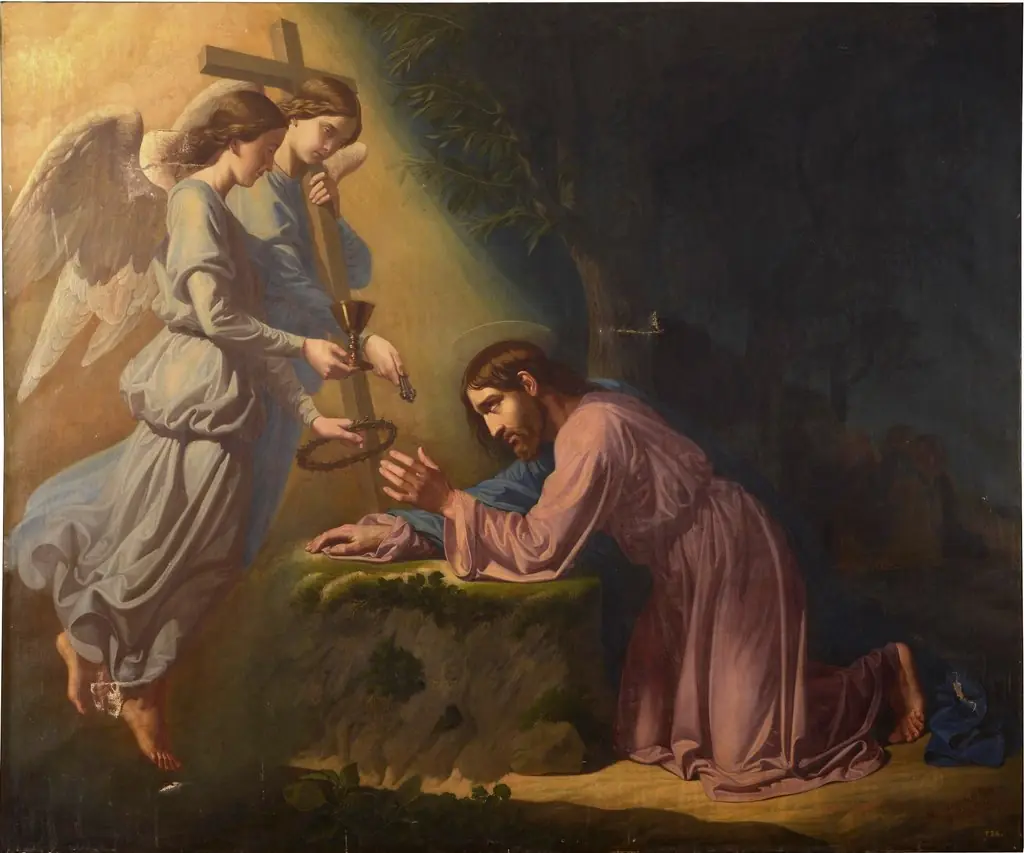 La Oración en el Huerto
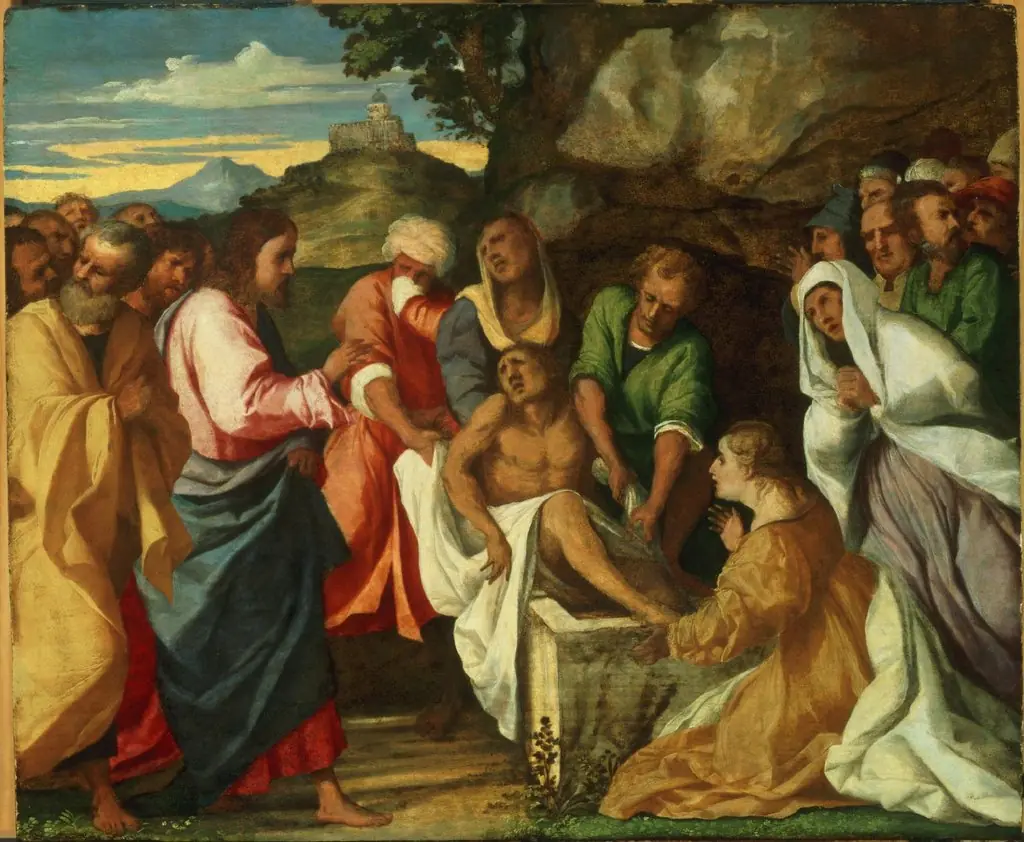 The Raising of Lazarus
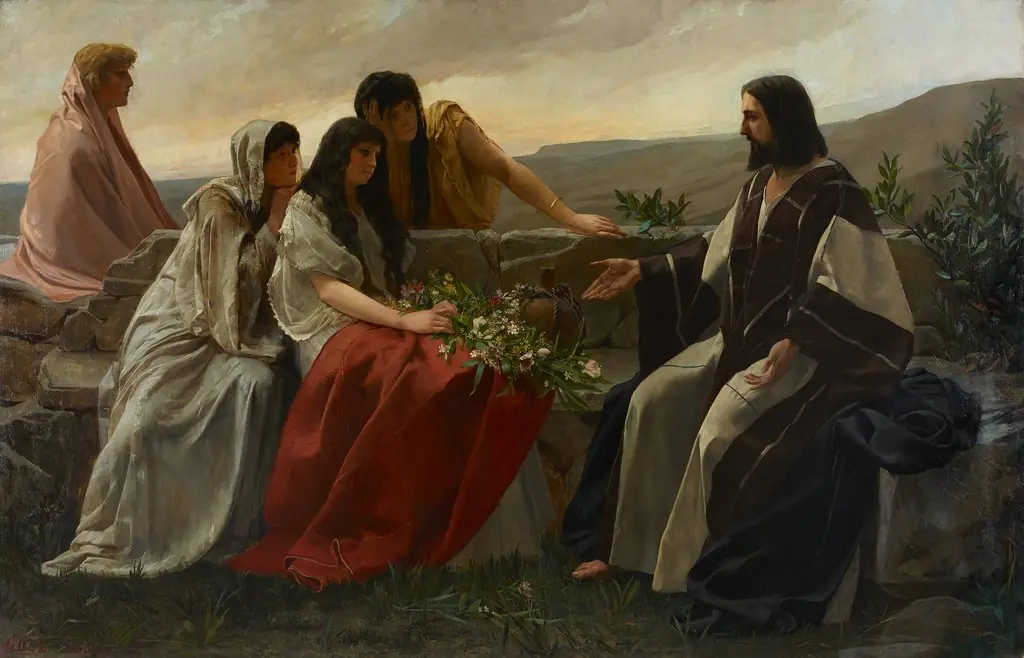 Christus und die Frauen