Artwork
The Calling of Saint Matthew
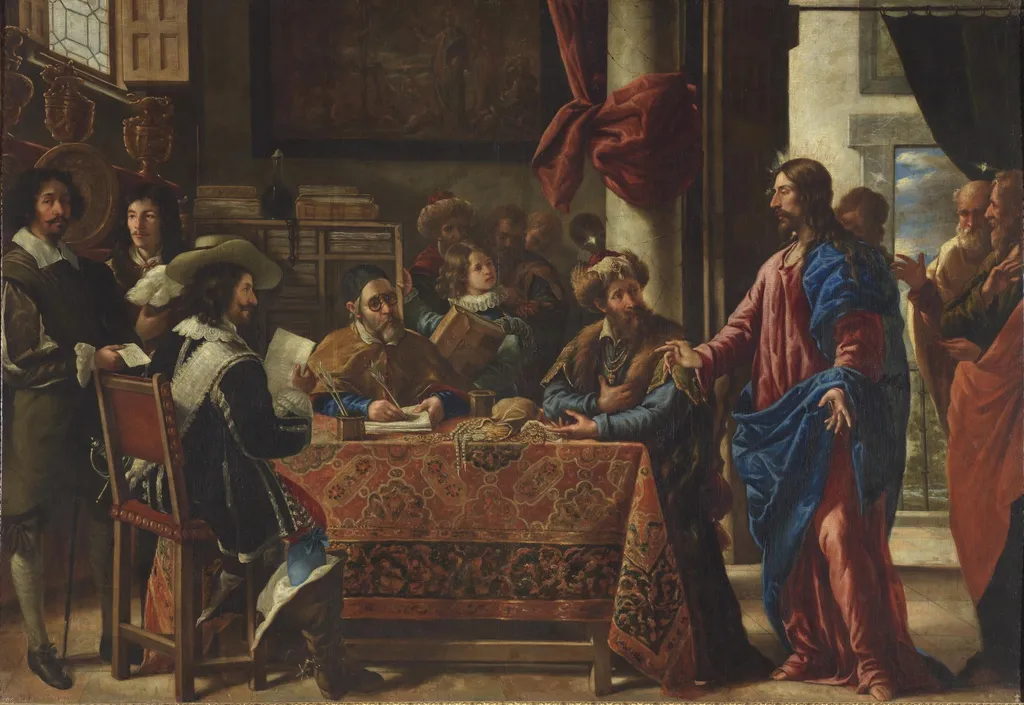
The Calling of Saint Matthew is an oil painting by the Early Baroque Italian artist Juan de Pareja. It dates from 1661 and is held in the collection of the Museo del Prado.
About this work
Juan de Pareja painted this scene in oil on canvas in 1661. It shows the moment Jesus calls a tax collector to leave his old life behind. The painting lives at the Museo del Prado in Madrid.
Pareja was once enslaved by Diego Velázquez. This work helped shape his reputation as an artist after he gained freedom.
Check out Caravaggio’s version of the scene next.
Overview
Juan de Pareja’s 1661 oil on canvas, titled *The Calling of Saint Matthew*, is part of the Museo del Prado’s collection in Madrid. The work captures the biblical episode in which Jesus summons the tax collector Levi, prompting his conversion into the apostle Matthew. Executed after Pareja’s emancipation, the painting marks a significant moment in his artistic career.
Subject & Meaning
The narrative emphasizes the transformative power of faith, suggesting that spiritual commitment supersedes worldly wealth.
The composition illustrates the moment of divine invitation: Christ gestures toward Levi, a man surrounded by ledgers and coins, symbolizing material preoccupation. The narrative emphasizes the transformative power of faith, suggesting that spiritual commitment supersedes worldly wealth. By portraying Levi’s shift to the role of Gospel writer, the painting underscores themes of redemption and vocation.
Technique & Style
Pareja employs chiaroscuro to model figures against a dim interior, a technique reminiscent of Caravaggio’s dramatic lighting. The palette is restrained, with deep browns and muted reds highlighting the central figures. Brushwork is precise in the rendering of textures—fabric, wood, and metal—while the overall composition balances naturalism with a staged, theatrical arrangement.
History & Provenance
Created shortly after Pareja’s manumission from Diego Velázquez, the painting entered the Spanish royal collection and later was transferred to the Prado, where it remains. Its provenance reflects the artist’s transition from workshop assistant to recognized painter, and the work has been documented in the museum’s inventories since the 18th century.
Context
The subject had already been treated by Caravaggio in the early 1600s, and Pareja’s version shows a clear visual dialogue with that precedent. As an Afro‑Hispanic artist navigating post‑slavery Spain, his choice of a narrative about conversion and new identity resonates with his own social ascent, linking personal experience to broader religious motifs.
Own this work as a print
Artist & collection
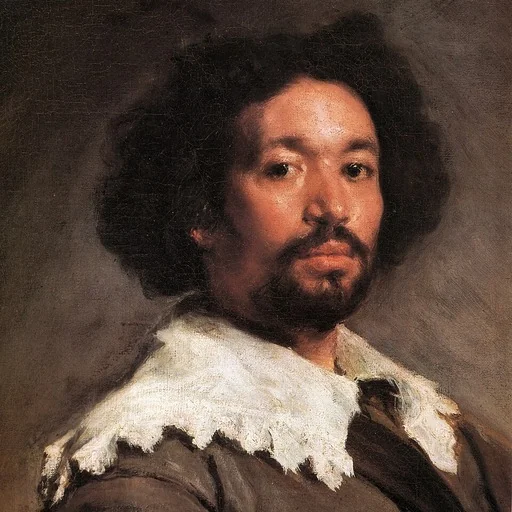
Artist
Juan de Pareja (c. 1606 – c. 1670) was a Spanish painter. Born enslaved, he is known primarily as a member of the household and workshop of painter Diego Velázquez, who freed him in 1650. His 1661 work The Calling of…