Artwork
König Philipp IV. von Spanien (1605-1665) in geistlichem Gewand und seiner Schwester Infantin Anna (1601-1666), Bildnis in ganzer Figur
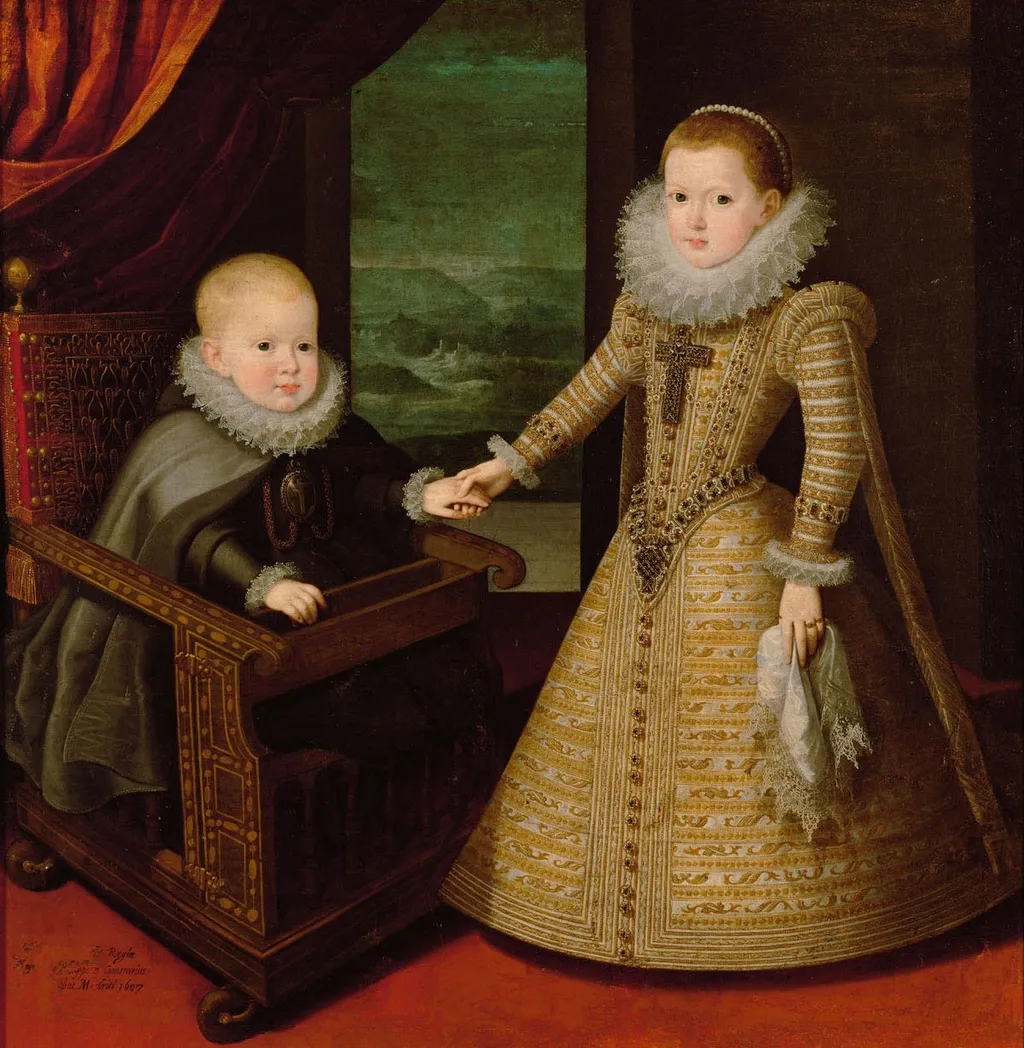
König Philipp IV. von Spanien (1605-1665) in geistlichem Gewand und seiner Schwester Infantin Anna (1601-1666), Bildnis in ganzer Figur is an oil painting by the Early Baroque Italian artist Juan Pantoja de la Cruz. It dates from 1607 and is held in the collection of the Kunsthistorisches Museum. Created in 1607, this oil painting presents a full‑length double portrait of Philip IV of Spain and his sister, Infanta Anna.
About this work
Overview
Created in 1607, this oil painting presents a full‑length double portrait of Philip IV of Spain and his sister, Infanta Anna. Both figures are shown in ecclesiastical garments, standing within an interior that includes a dark green curtain and a glimpse of a red wall. The work is part of the Kunsthistorisches Museum’s collection in Vienna.
Subject & Meaning
The composition pairs the reigning monarch with his elder sister, emphasizing their dynastic connection while cloaking them in religious dress. The sister holds a white cloth, a possible reference to piety, and gently rests her hand on the king’s shoulder, suggesting familial support and shared authority.
Technique & Style
Executed in oil, the portrait reflects the restrained realism typical of early Baroque court painting. Fine detailing appears in the lace cuffs, ruff collars, and the carved wooden bench, while the subdued palette and controlled lighting convey a solemn, formal atmosphere.
History & Provenance
Painted by Juan Pantoja de la Cruz, the leading court portraitist of the Spanish Habsburgs, the work remained within royal collections before entering the Kunsthistorisches Museum. Pantoja’s career spanned service to Philip II and Philip III, and he died shortly after completing this piece.
Context
The portrait was produced during a period when Spanish royalty employed religious imagery to reinforce legitimacy and moral authority. By depicting the king and his sister in clerical attire, the painting aligns the monarchy with the Catholic Counter‑Reformation’s emphasis on piety and order.
Artist & collection
Artist
Juan Pantoja de La Cruz (1553 – 26 October 1608) was a Spanish painter, one of the best representatives of the Spanish school of court painters.

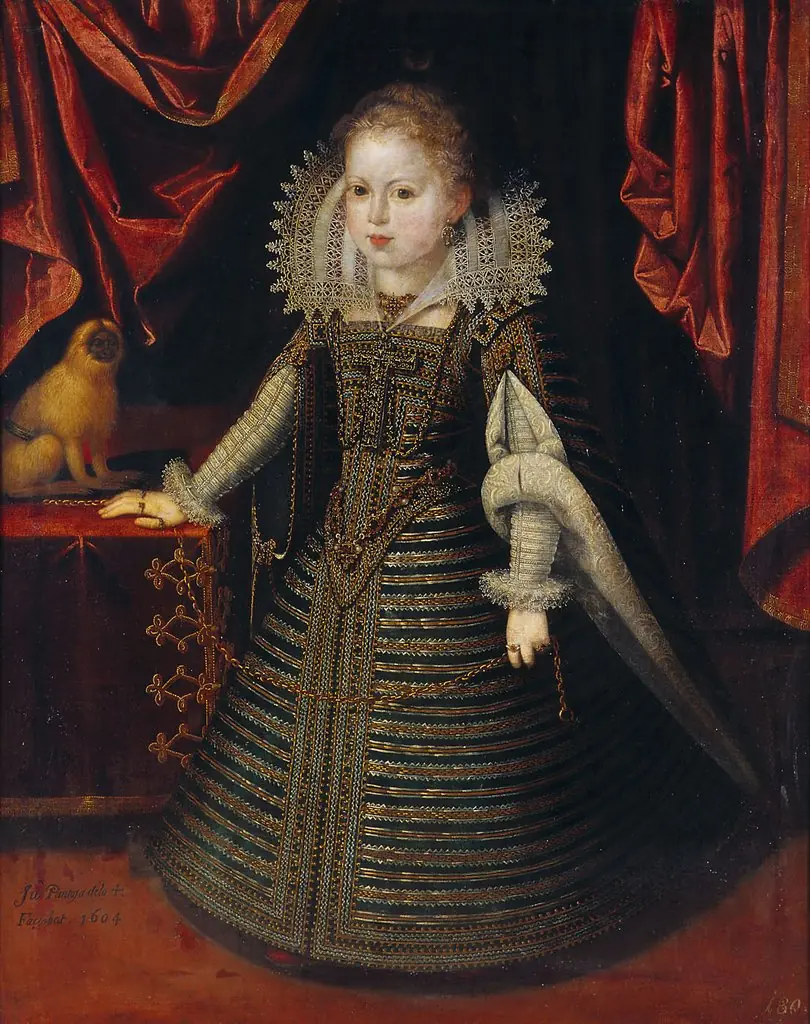 Infantin Anna (1601-1666), Königin von Frankreich, Bildnis in ganzer Figur mit einem Löwenäffchen
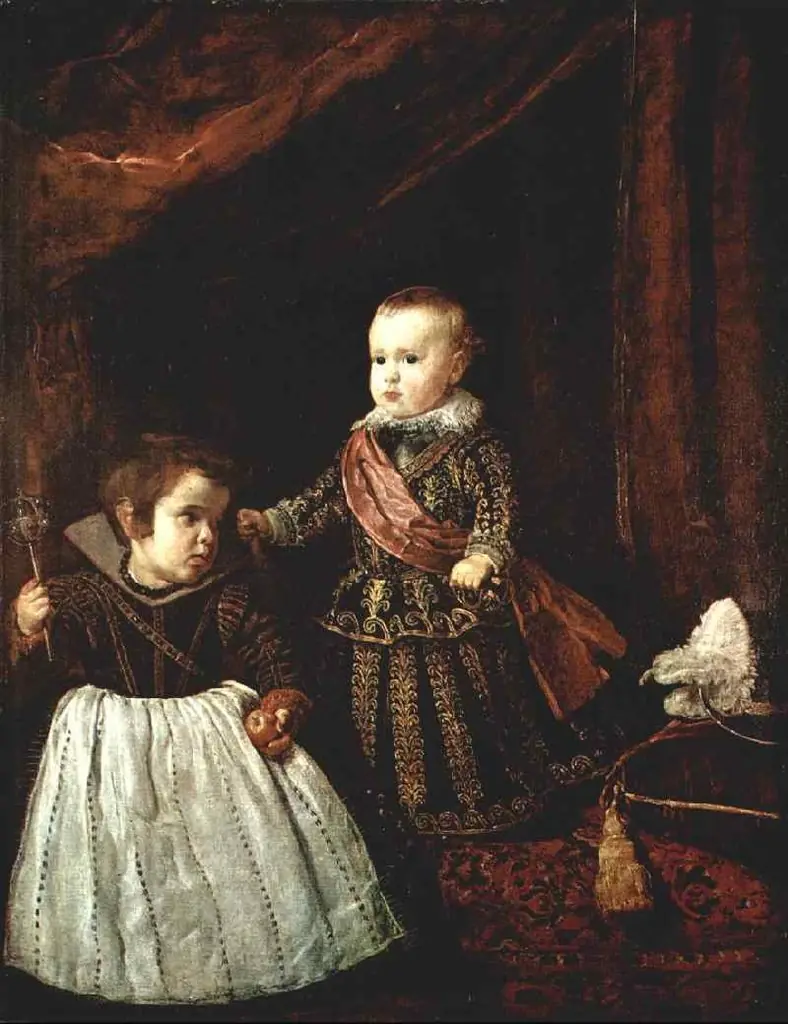 Prince Balthasar Charles With a Dwarf
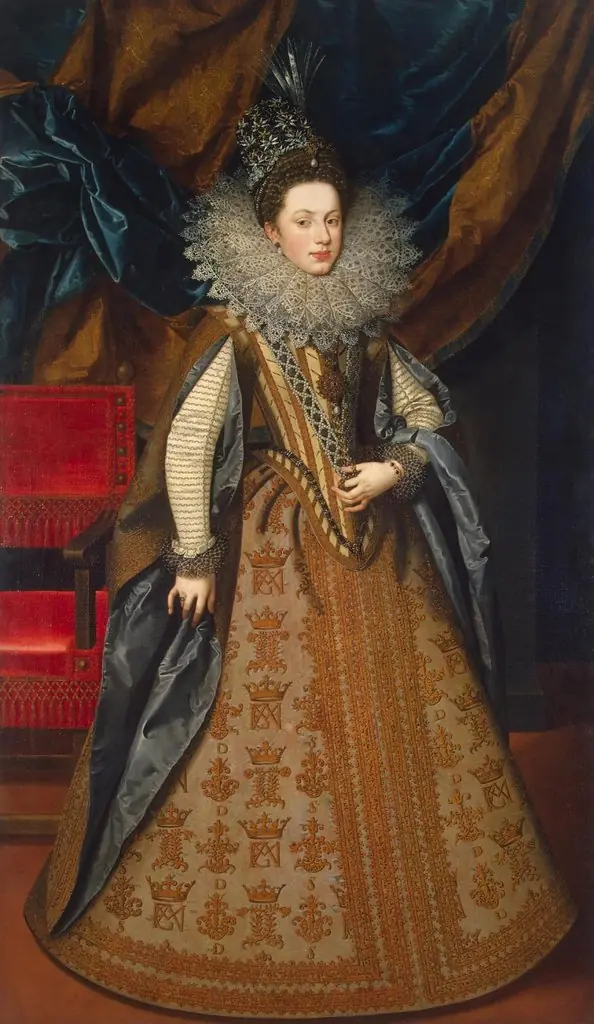 Portrait of Margaret of Savoy, Duchess of Mantua
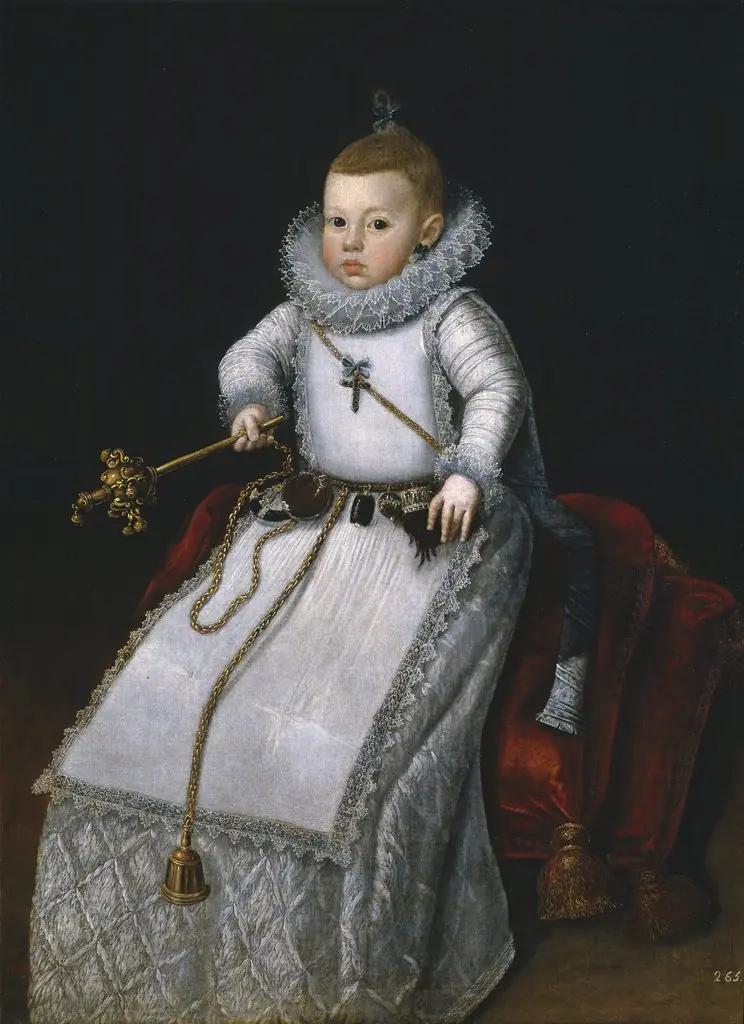 Infanta Margarita Francisca, Daughter of Philip III
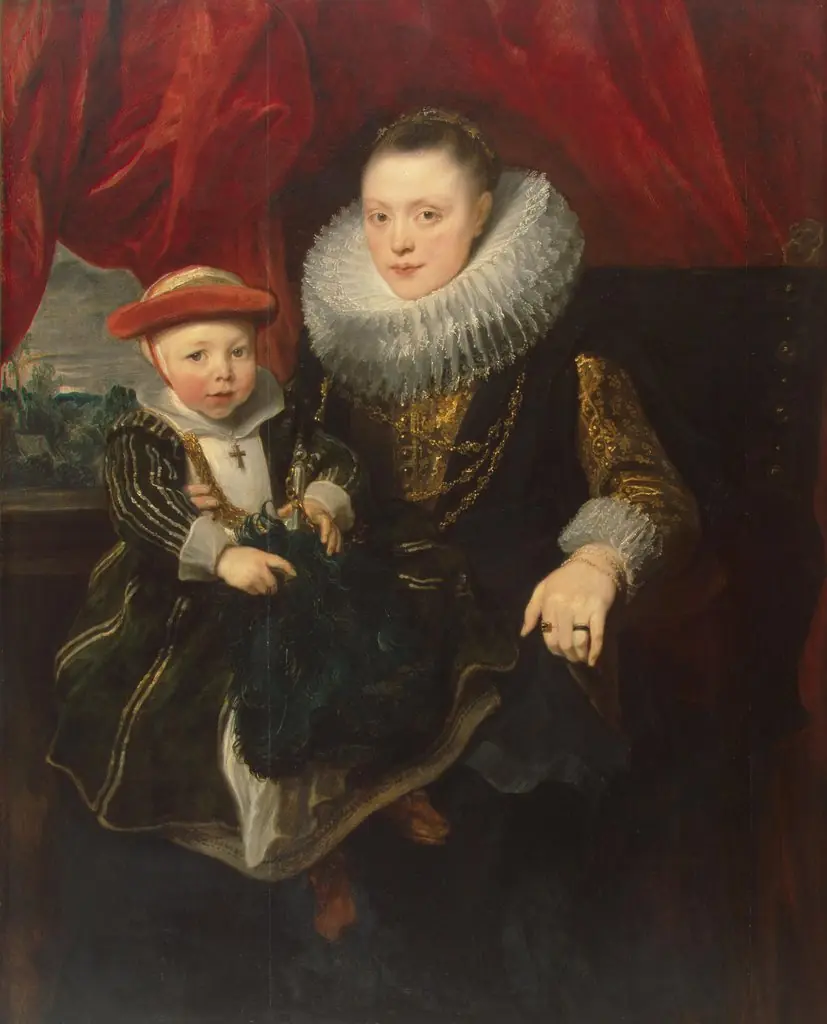 Portrait of a Young Woman with a Child
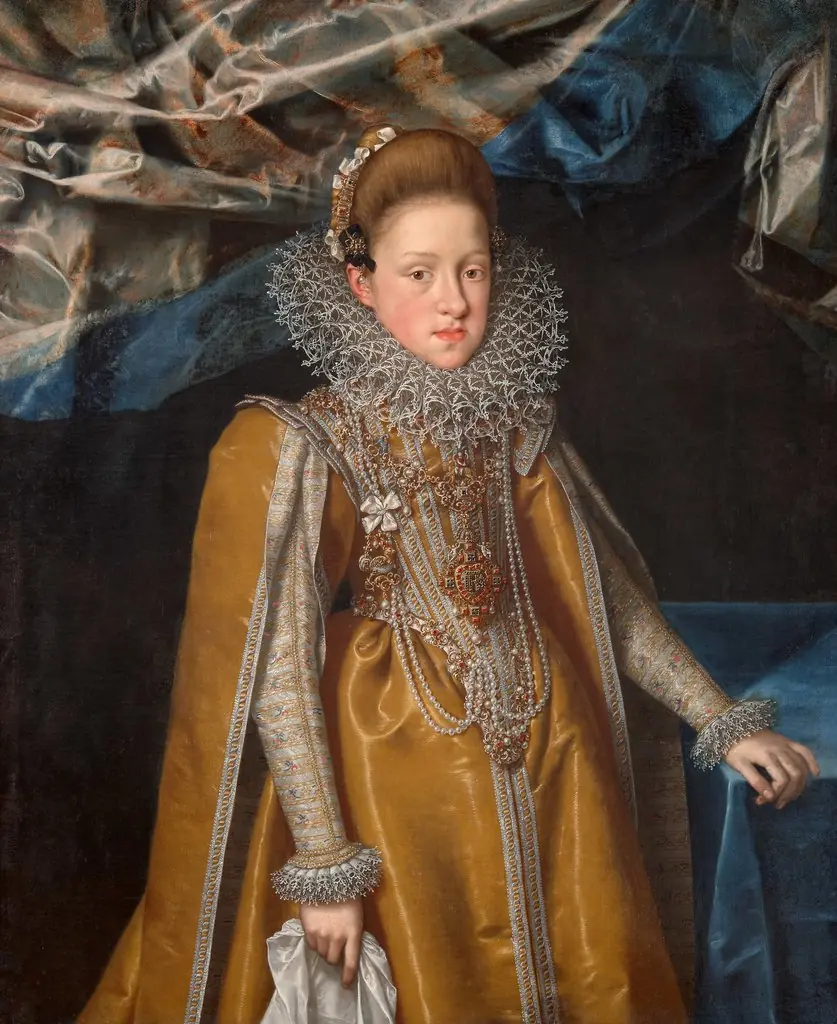 Archduchess Maria Magdalena of Austria
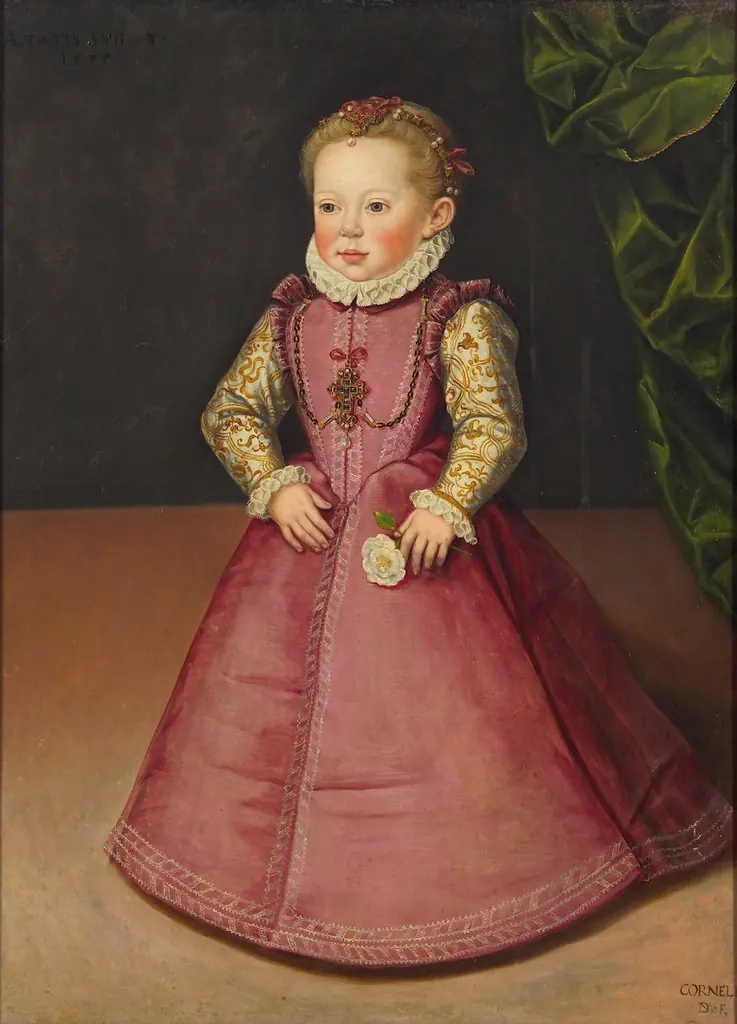 Erzherzogin Maria Christierna (1574-1621) im Alter von drei Jahren, in ganzer Figur