Artwork
Infantin Anna (1601-1666), Königin von Frankreich, Bildnis in ganzer Figur mit einem Löwenäffchen
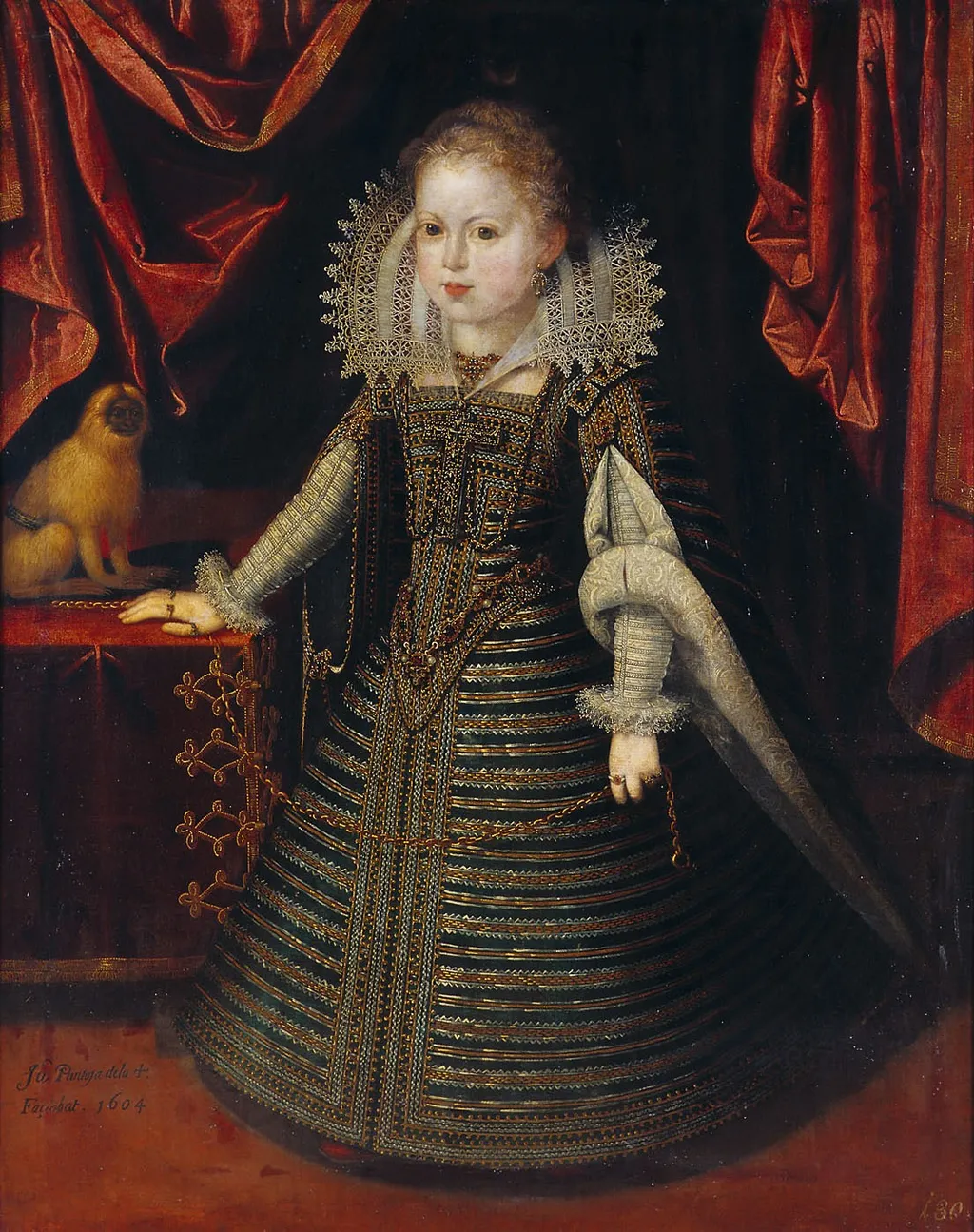
Infantin Anna (1601-1666), Königin von Frankreich, Bildnis in ganzer Figur mit einem Löwenäffchen is an oil painting by the Early Baroque Italian artist Juan Pantoja de la Cruz. It dates from 1604 and is held in the collection of the Kunsthistorisches Museum.
About this work
Overview
It resides in the Kunsthistorisches Museum in Vienna, where it remains a key example of early 17th-century Spanish royal portraiture.
Painted in 1604 by Juan Pantoja de la Cruz, this oil-on-canvas portrait captures Anne of Austria as a child, shortly before her marriage to the future Louis XIII of France. The work is a formal court commission, reflecting the Habsburg dynasty’s emphasis on dynastic representation. It resides in the Kunsthistorisches Museum in Vienna, where it remains a key example of early 17th-century Spanish royal portraiture.
Subject & Meaning
The portrait presents Anne of Austria, then an infantina of Spain, in a poised, static stance that underscores her royal status. The presence of a small lion marmoset—a rare pet among European nobility—signals exoticism and privilege, while also symbolizing the child’s connection to imperial power. Her direct gaze and restrained posture convey the gravity expected of future queens, even in childhood.
Technique & Style
Pantoja de la Cruz employed meticulous brushwork to render the textures of Anne’s embroidered gown, lace collar, and the marmoset’s fur. The dark, draped background isolates the figure, enhancing the richness of the gold thread and satin. Lighting is even and subtle, avoiding dramatic contrasts, consistent with the restrained elegance of Spanish court painting rather than the theatricality of Italian Baroque.
History & Provenance
Commissioned during the reign of Philip III, the painting was likely intended to document Anne’s lineage and suitability for a political marriage. It remained within Spanish royal collections before entering the Habsburg holdings in Vienna. Pantoja de la Cruz, who died in 1608, was the principal painter to the Spanish court, and this work is among his few surviving full-length portraits of royal children.
Context
Anne’s portrait was created amid Habsburg efforts to consolidate alliances through marriage. Her impending union with the French crown made her image a diplomatic tool. The painting’s formality aligns with Spanish court conventions, which favored solemnity over flamboyance. Unlike Italian Baroque works, it avoids theatricality, emphasizing lineage and decorum instead.
Legacy
The portrait stands as a rare visual record of Anne’s early life before she became Queen of France. It exemplifies the Spanish court’s use of portraiture to assert dynastic continuity. Pantoja de la Cruz’s restrained style influenced later Habsburg portrait traditions, and the work remains a reference for understanding how childhood was framed within royal ideology in early modern Europe.
Artist & collection
Artist
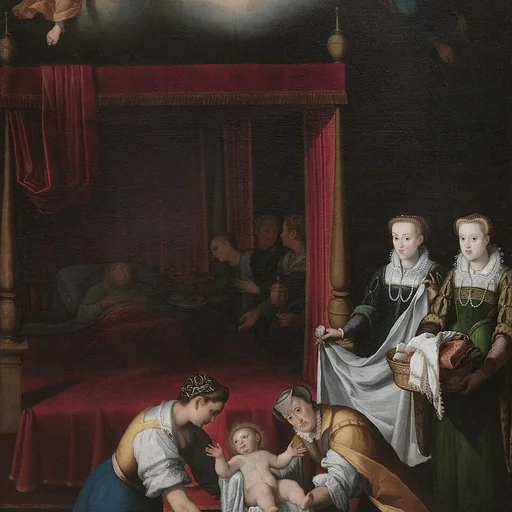
Juan Pantoja de La Cruz (1553 – 26 October 1608) was a Spanish painter, one of the best representatives of the Spanish school of court painters.

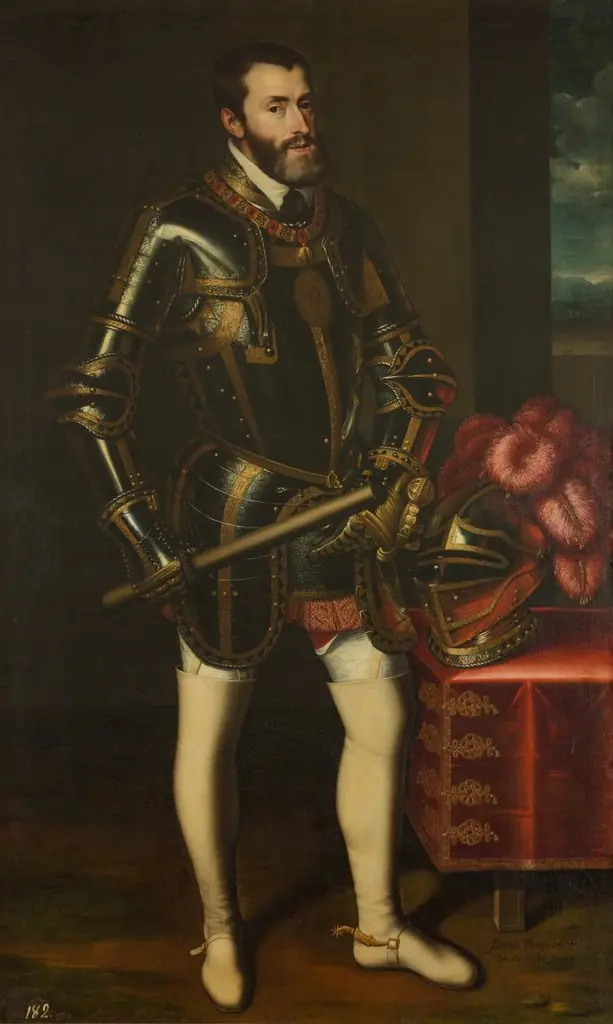 The Emperor Charles V
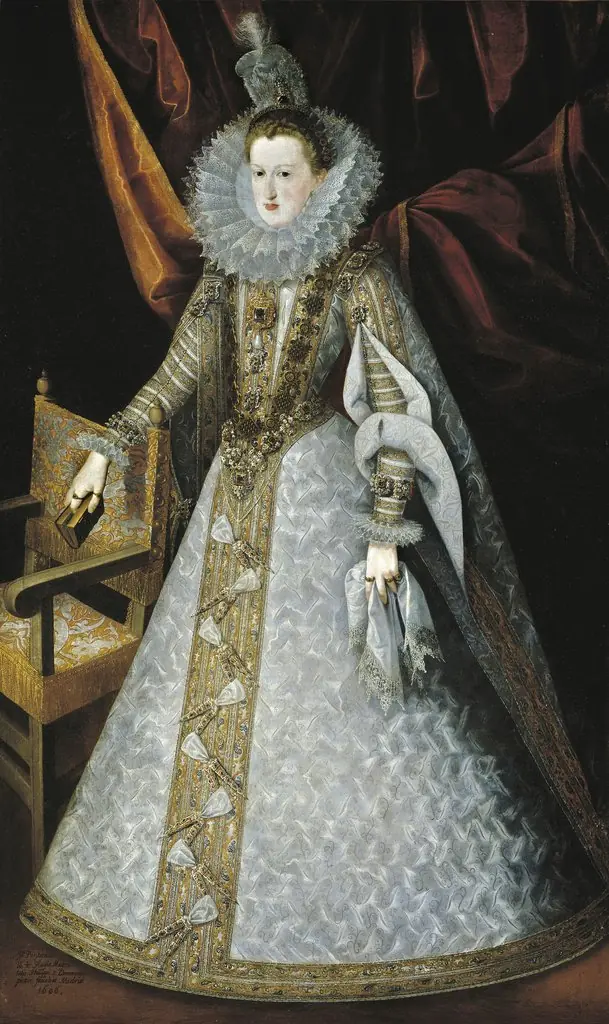 Margaret of Austria
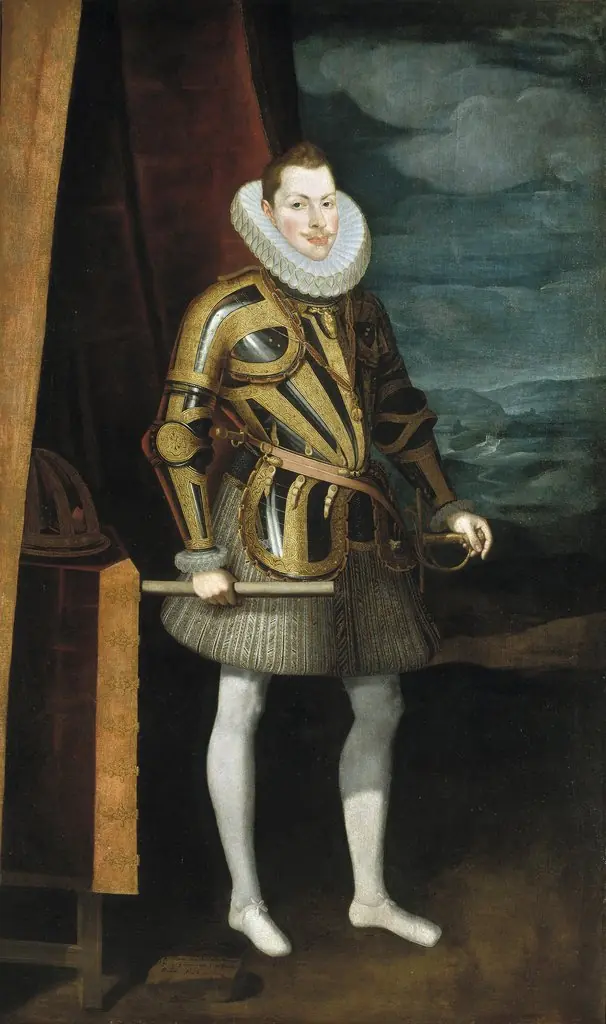 Philip III
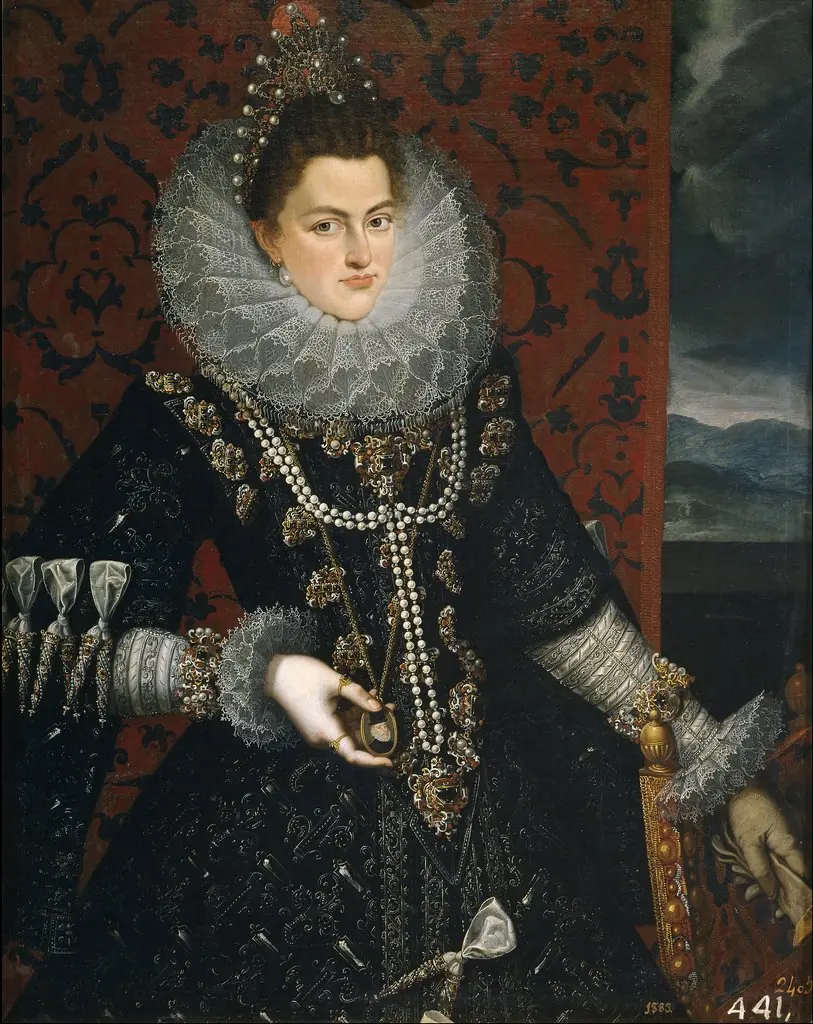 The Infanta Isabel Clara Eugenia
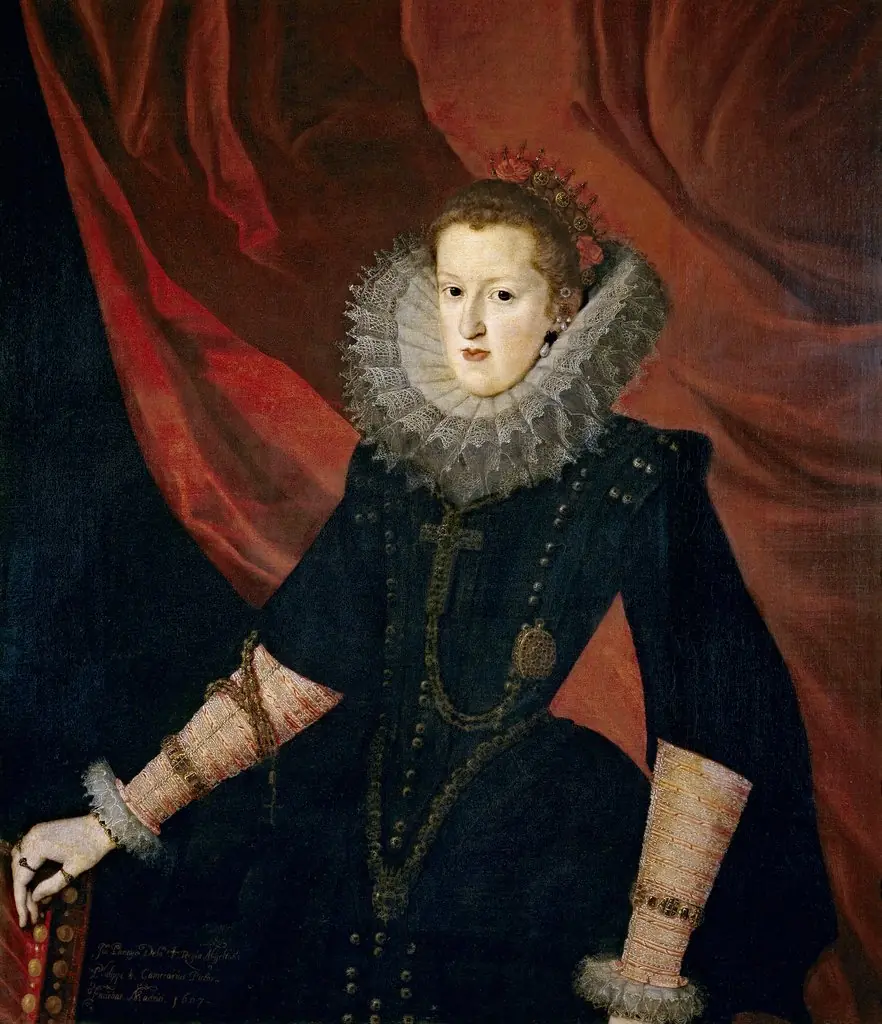 Margaret of Austria
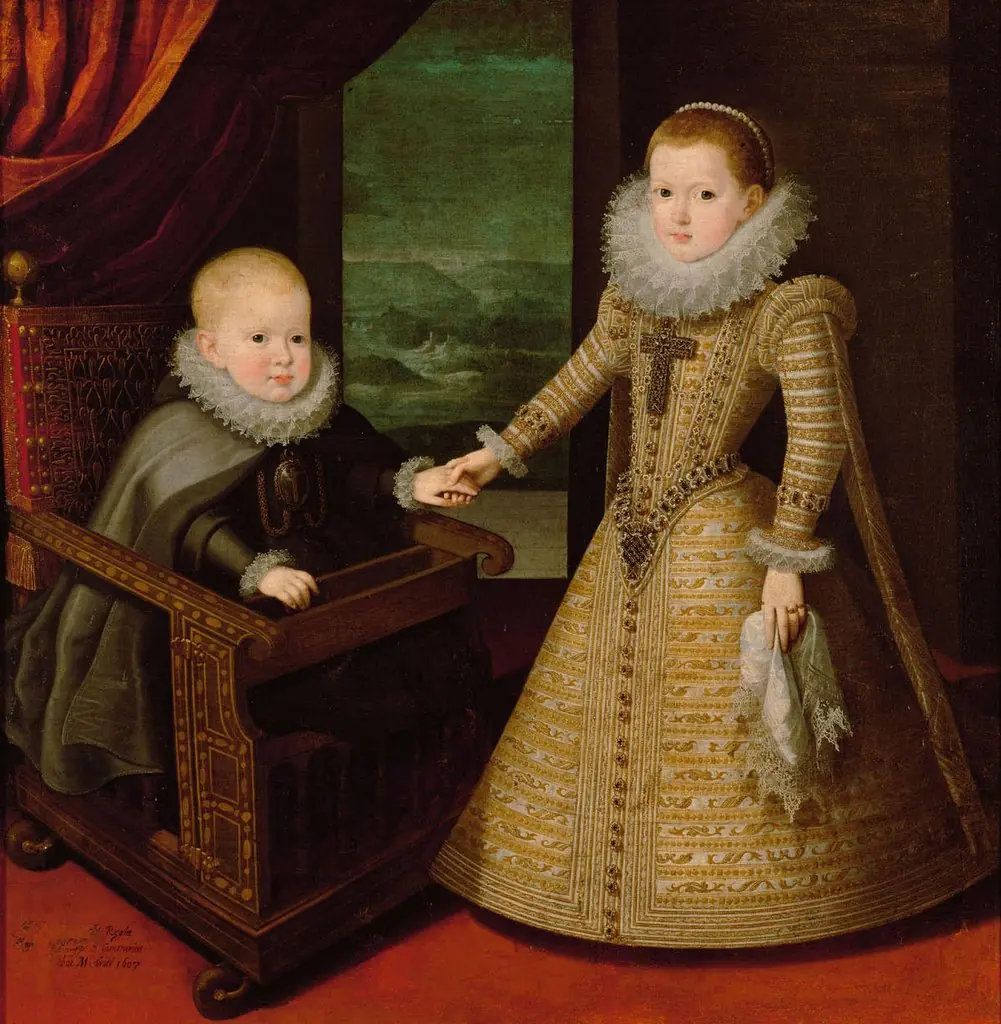 König Philipp IV. von Spanien (1605-1665) in geistlichem Gewand und seiner Schwester Infantin Anna (1601-1666), Bildnis in ganzer Figur
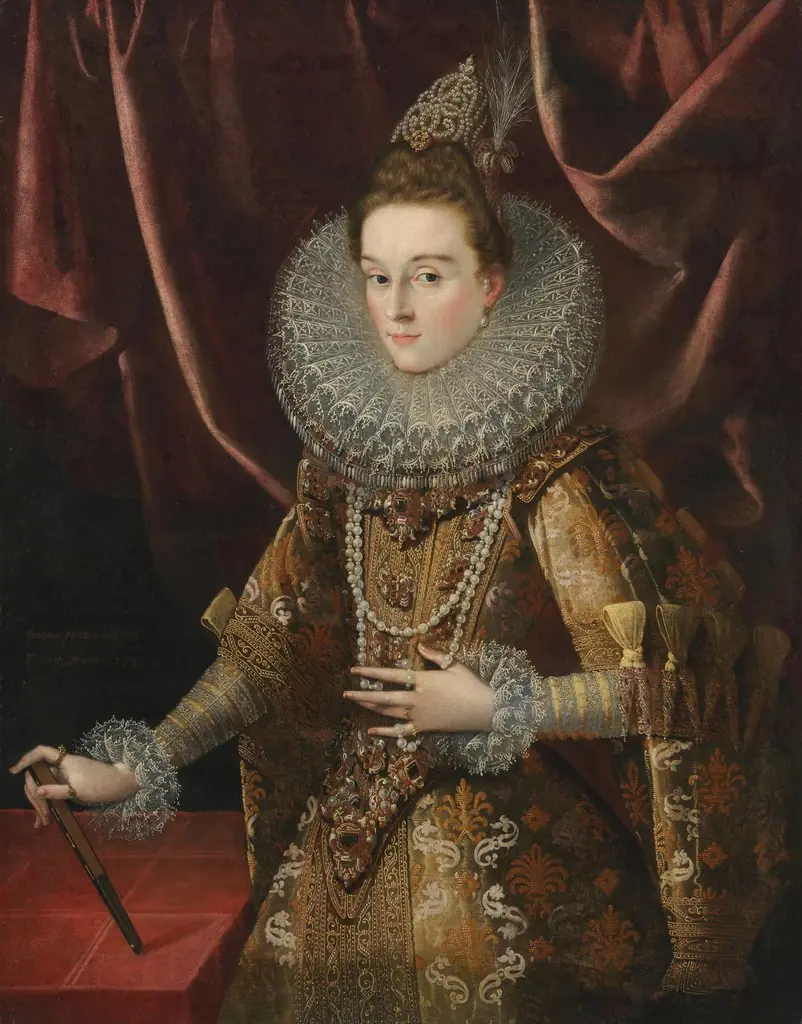 Isabella Clara Eugenia by Juan Pantoja de la Cruz
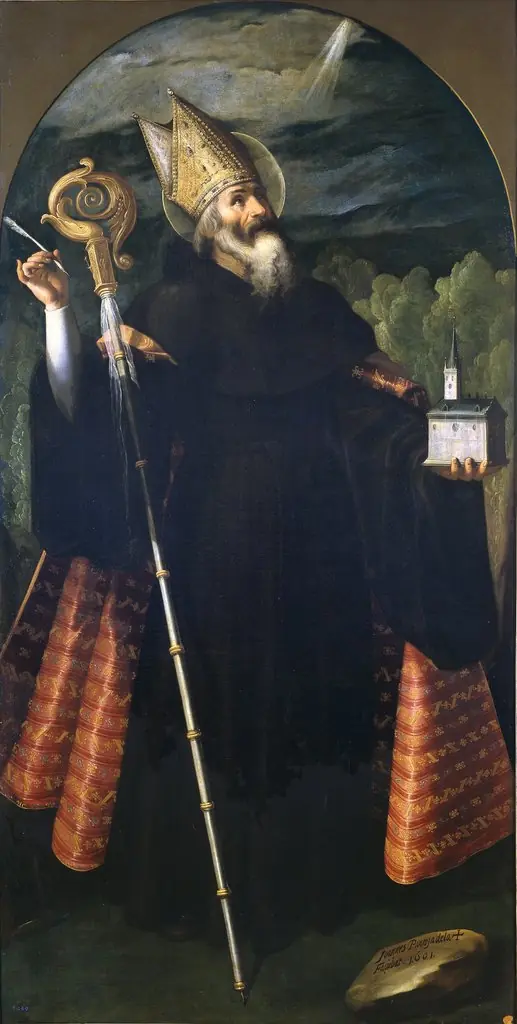 Saint Augustine
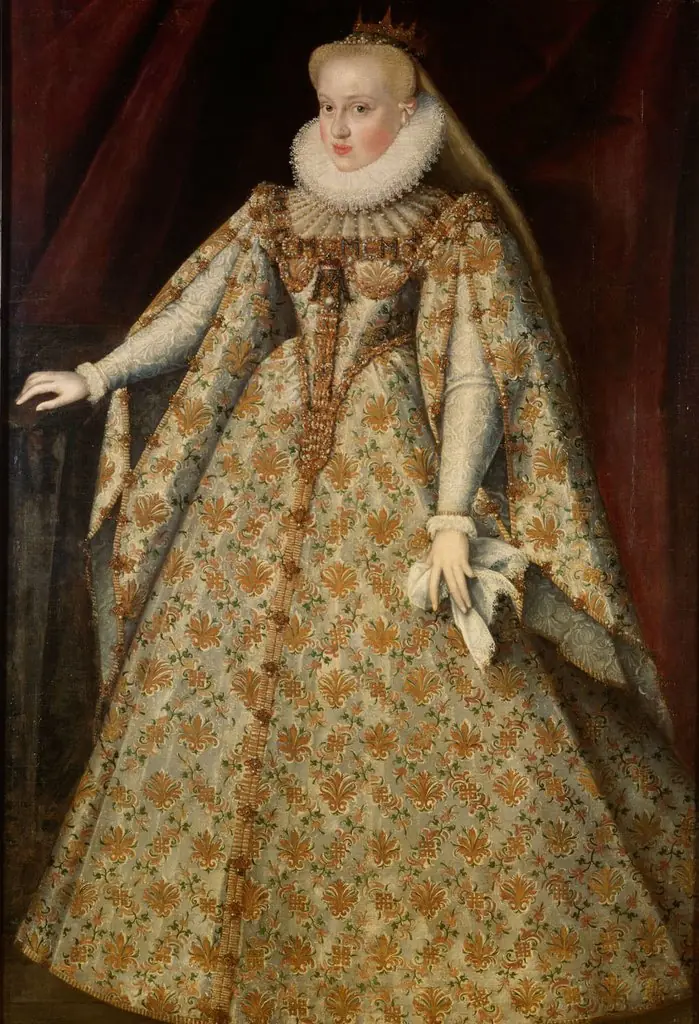 Portrait of Archduchess Maria Christina of Austria (1574–1621)
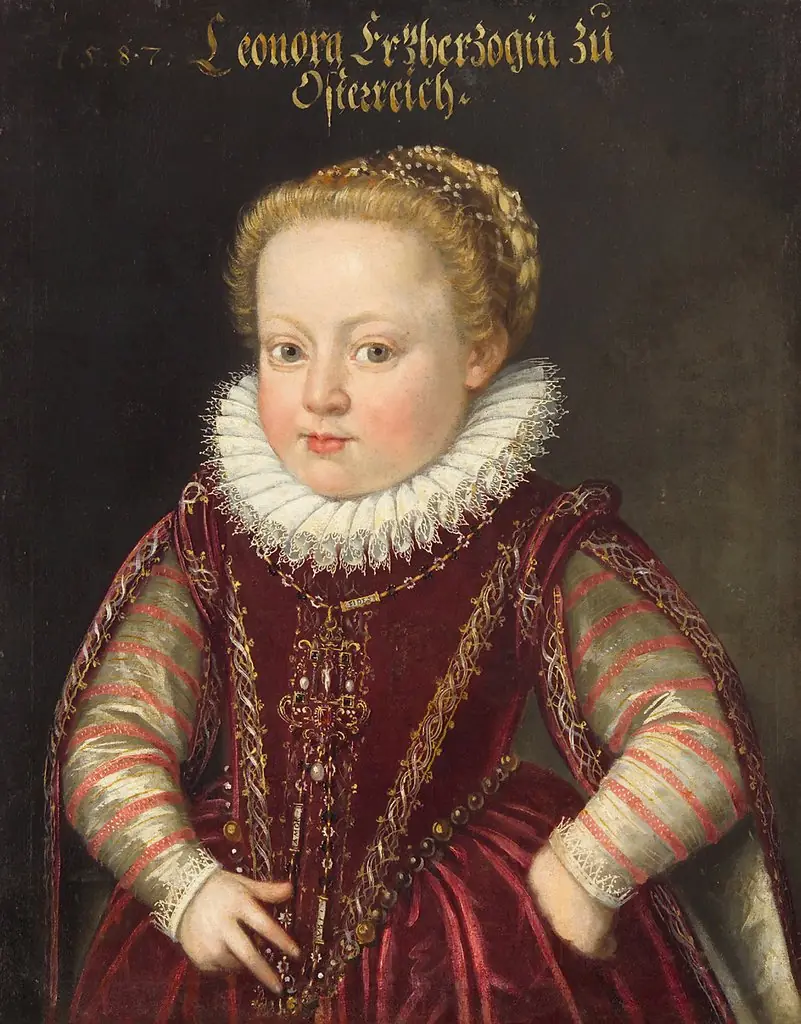 Erzherzogin Eleonore (1582-1620) im Alter von 5 Jahren, Halbfigur
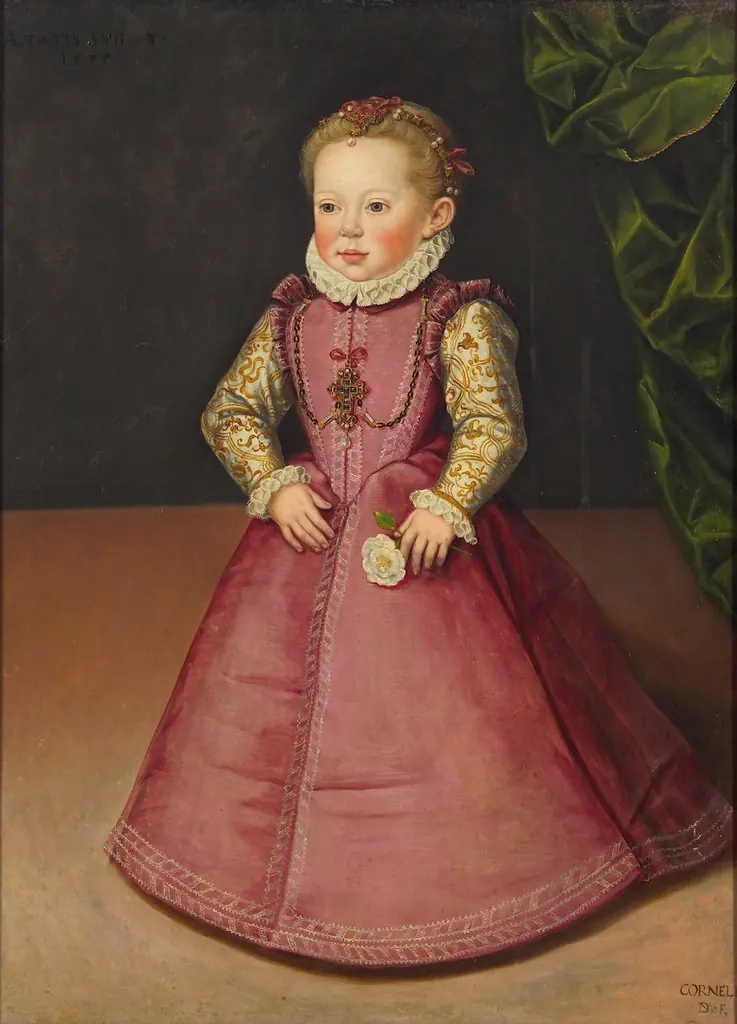 Erzherzogin Maria Christierna (1574-1621) im Alter von drei Jahren, in ganzer Figur
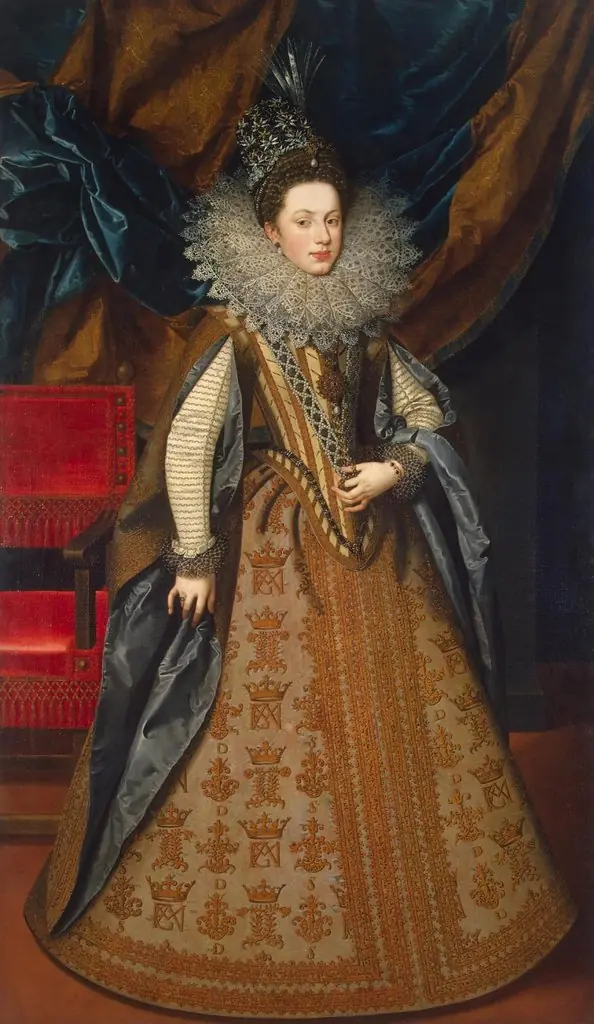 Portrait of Margaret of Savoy, Duchess of Mantua
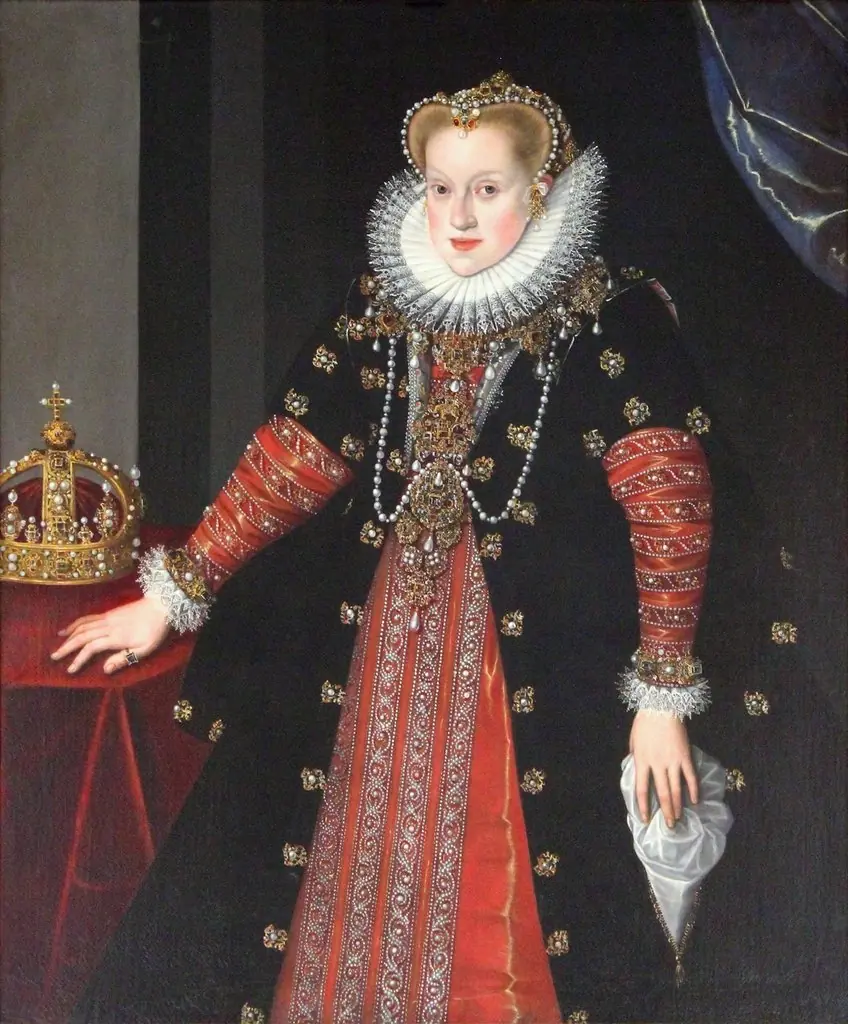 Portrait of Anne of Austria, Queen of Poland (1573-1598)
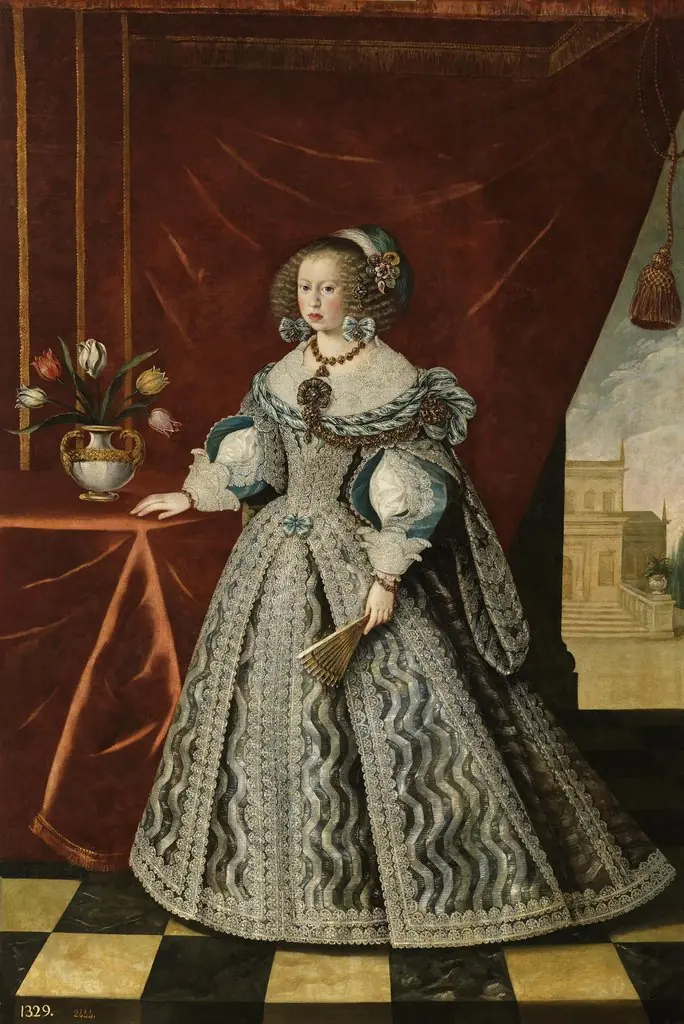 Mariana of Austria
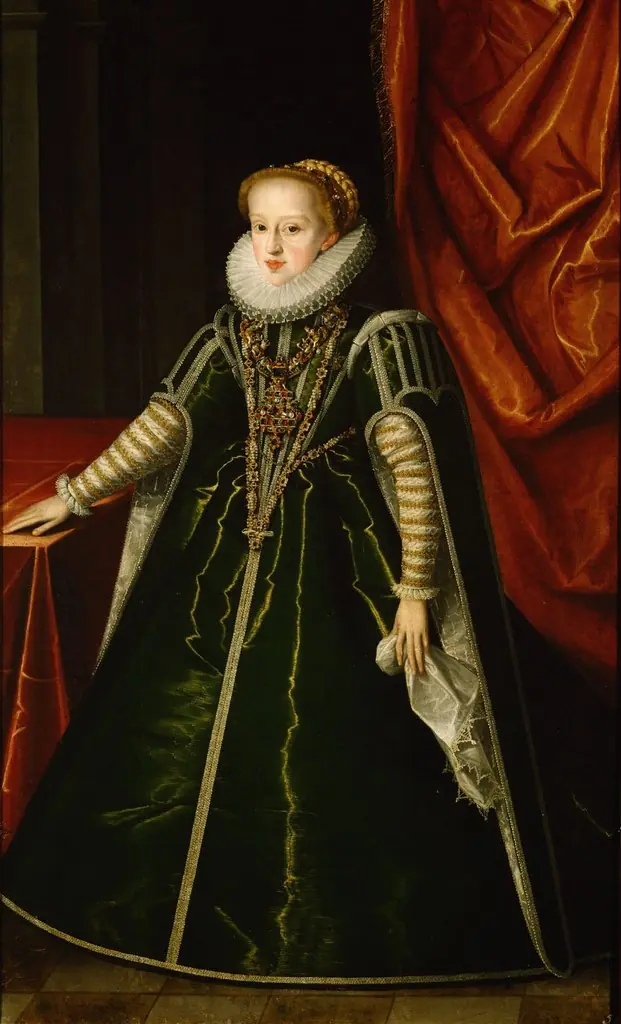 Erzherzogin Gregoria Maximiliane (1581-1597), Tochter von Karl II. von Innerösterreich, im Alter von 11 bis 12 Jahren in ganzer Figur
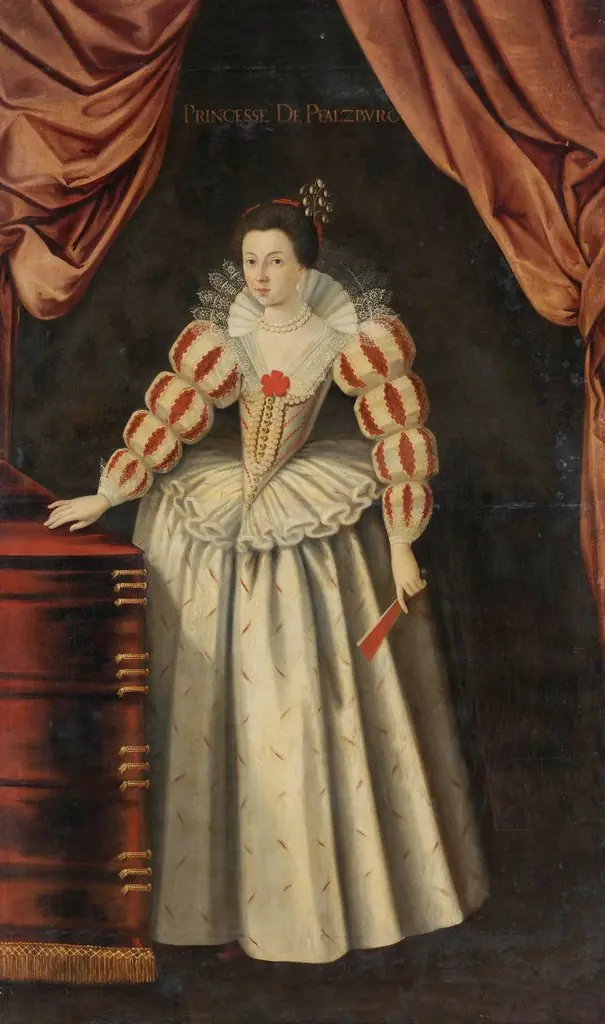 Henriette von Lothringen (1605-1660)