Artwork
Untitled
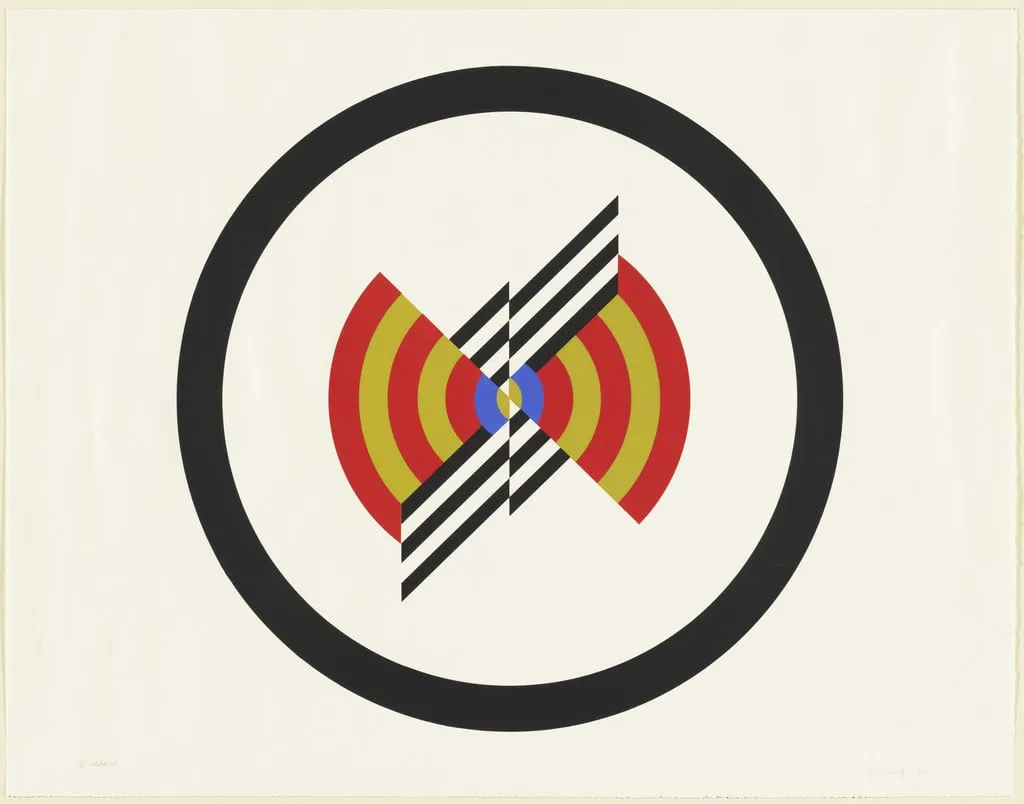
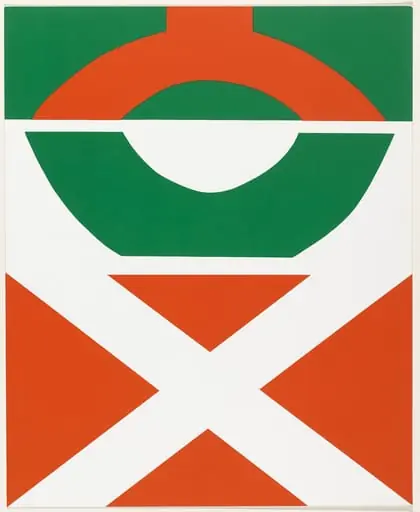
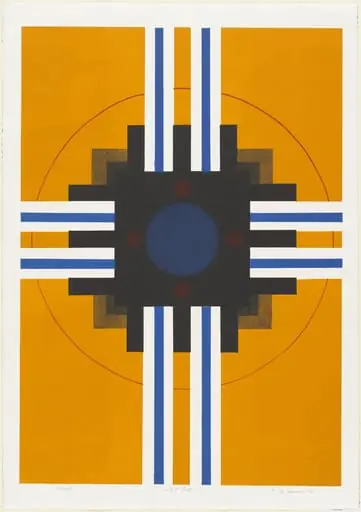
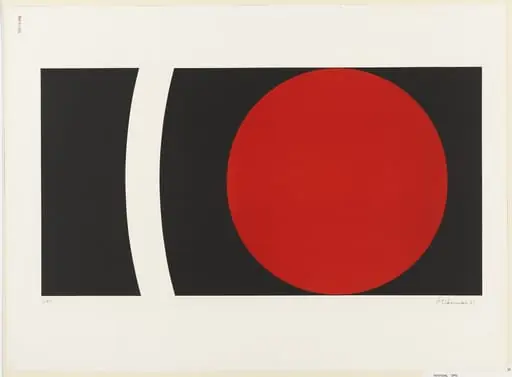
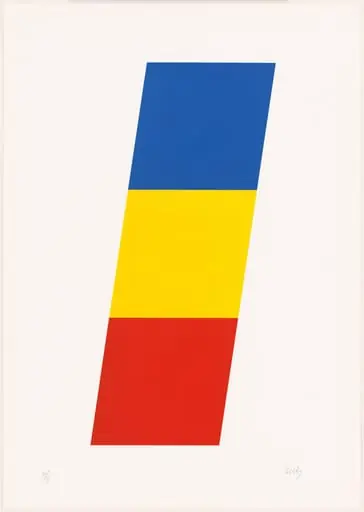
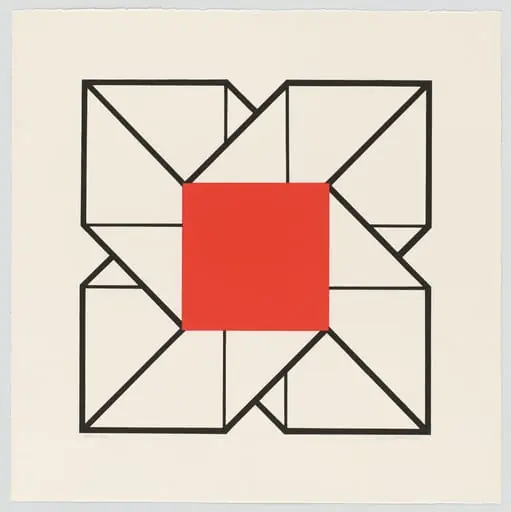
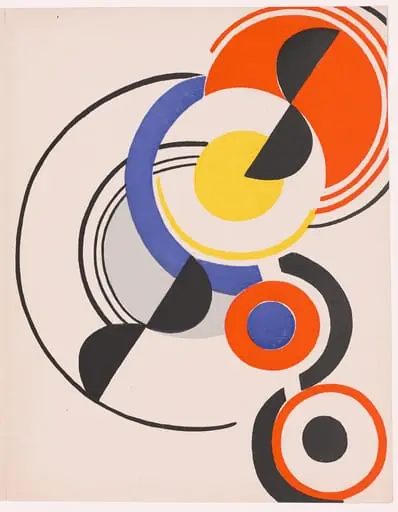
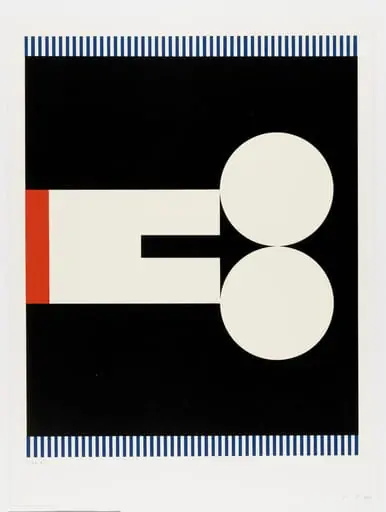
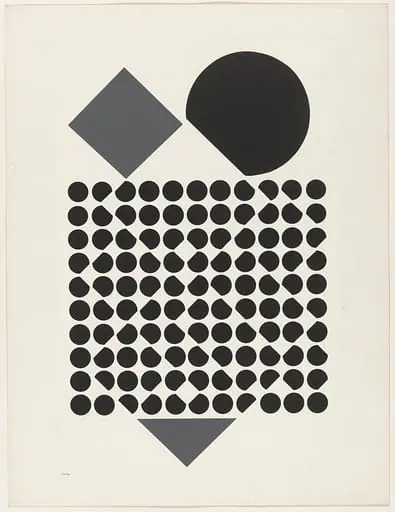
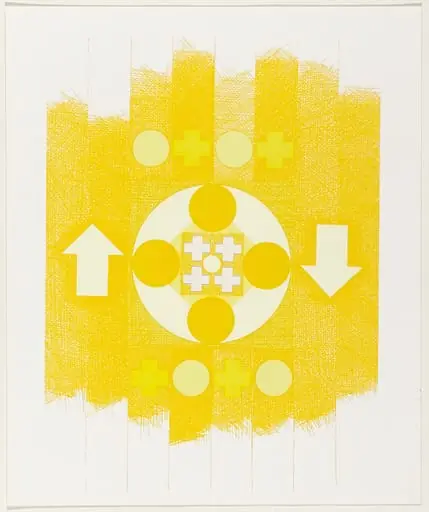
Untitled is an ink print by Judy Chicago. It dates from 1965 and is held in the collection of the Museum of Modern Art.
About this work
Overview
At a time when female artists faced marginalization, Chicago’s focus on form and color signaled a quiet but deliberate redefinition of artistic authority.
Created in 1965, this screenprint by Judy Chicago is a minimalist composition featuring concentric rings of color on a black field. The work reflects her early exploration of optical effects and spatial perception, using the technical precision of screenprinting to achieve clean, luminous transitions between hues. At a time when female artists faced marginalization, Chicago’s focus on form and color signaled a quiet but deliberate redefinition of artistic authority.
Subject & Meaning
The piece presents no figurative elements, instead relying on the universal symbol of a target to evoke attention and focus. The gradient of warm to cool tones—red to purple—suggests radiance or vibration, implying movement without motion. Chicago’s use of this simple form challenges traditional narrative expectations in art, proposing that emotional and perceptual resonance can arise from abstraction alone.
Technique & Style
Screenprinting allowed Chicago to produce sharp, even layers of color with consistent registration, essential for the precise alignment of the rings. The ink’s opacity against the black ground enhances the glow of the hues, creating an illusion of luminosity. Her approach here is methodical and restrained, contrasting with the more expansive, performative techniques she later adopted, yet already reveals her interest in material control and visual impact.
History & Provenance
Made before Chicago gained wider recognition, this print belongs to a formative phase of her career, preceding her major feminist installations. It was produced during a period when few institutions supported women’s abstract work. The print’s survival and eventual inclusion in major collections, such as MoMA’s, reflect a later reassessment of her early contributions to postwar American art.
Context
In the mid-1960s, the art world was dominated by male-led movements like Minimalism and Color Field painting. Chicago’s work, though abstract, diverged from their austerity by embracing saturated color and a sense of inner light. Her choice to work in printmaking—a medium often dismissed as secondary—was itself a subversive act, asserting value in accessible, reproducible forms.
Legacy
This early screenprint foreshadows Chicago’s lifelong commitment to expanding the boundaries of art through color, perception, and collaboration. While not overtly political, its quiet confidence in abstraction laid groundwork for her later feminist pedagogy and institutional interventions. It remains a quiet but significant marker of her evolution from experimental printmaker to a defining voice in feminist art.
Artist & collection
Artist
Judy Chicago (born Judith Sylvia Cohen; July 20, 1939) is an American feminist artist, art educator, and writer known for her large collaborative art installation pieces about birth and creation images, which examine the role of women in…