Artwork
A Girl with a Rake
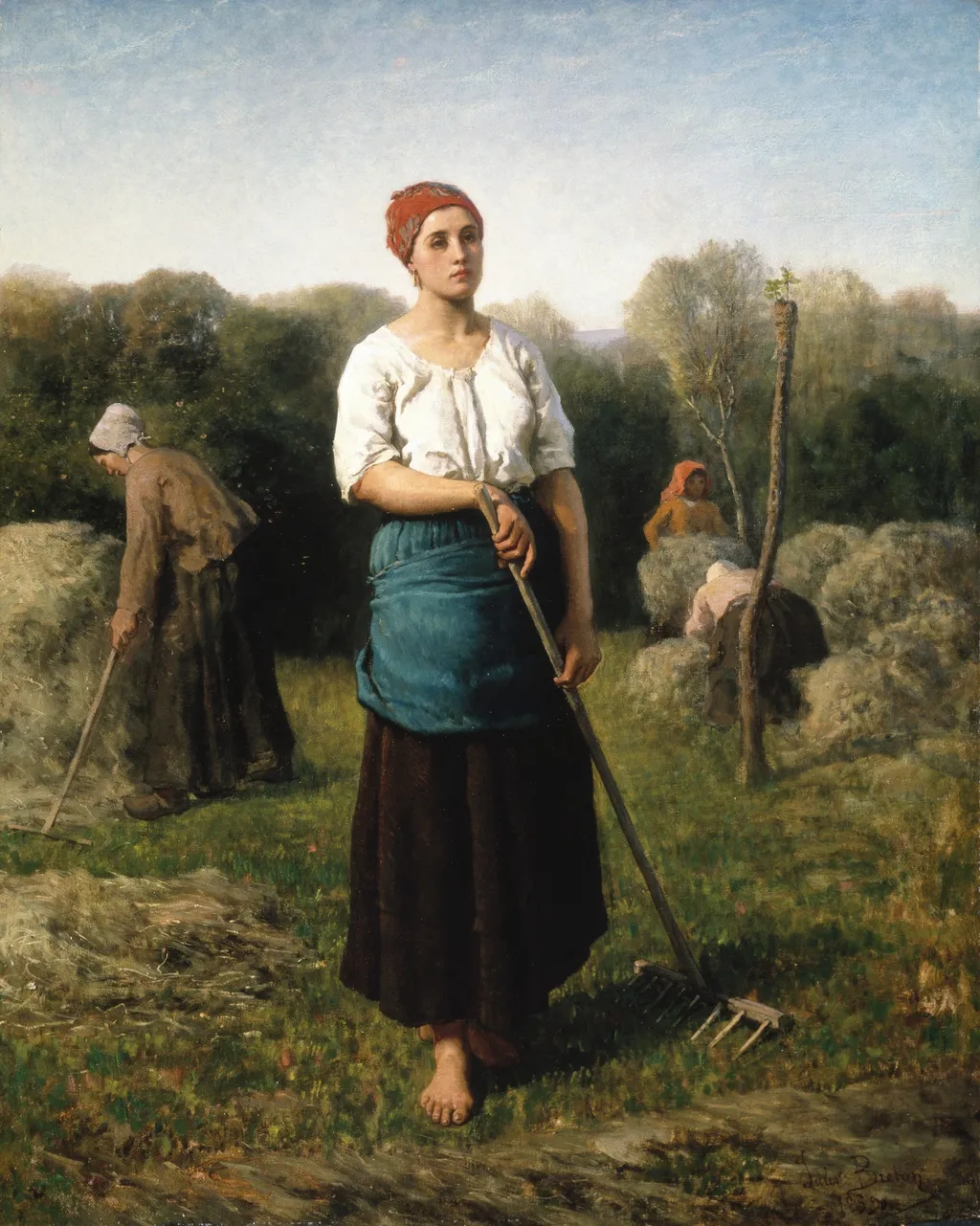
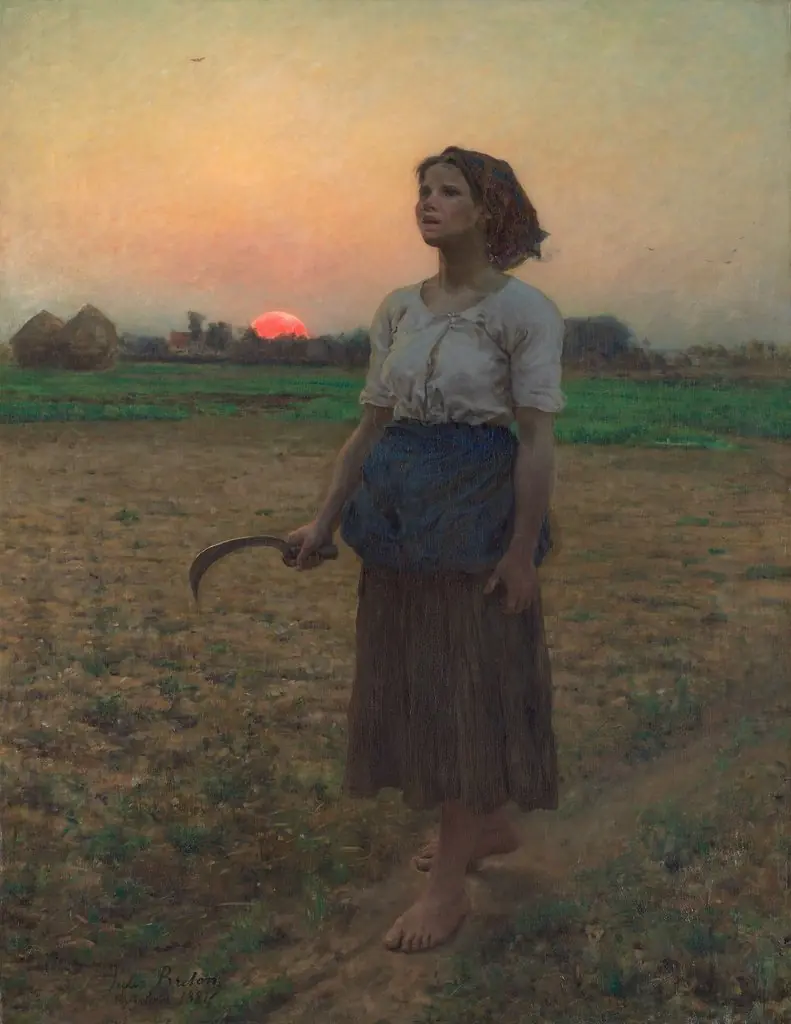
A Girl with a Rake is an oil painting by the Realist artist Jules Breton. It dates from 1859 and is held in the collection of the National Gallery of Ireland.
About this work
The artist has used a warm color palette to depict the scene, with shades of green and brown dominating the landscape.
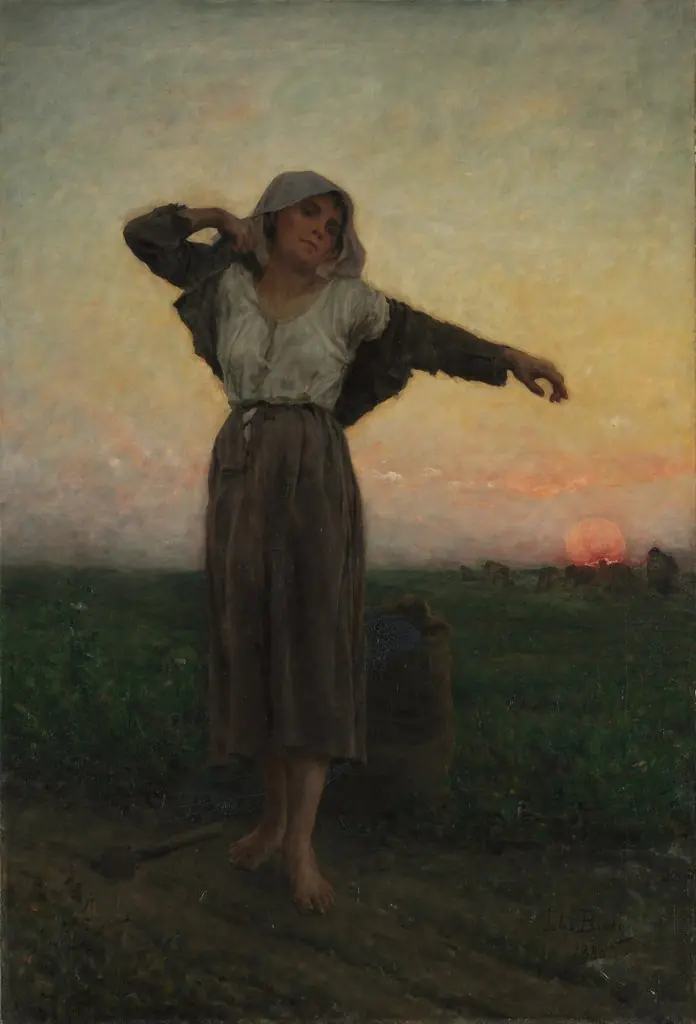
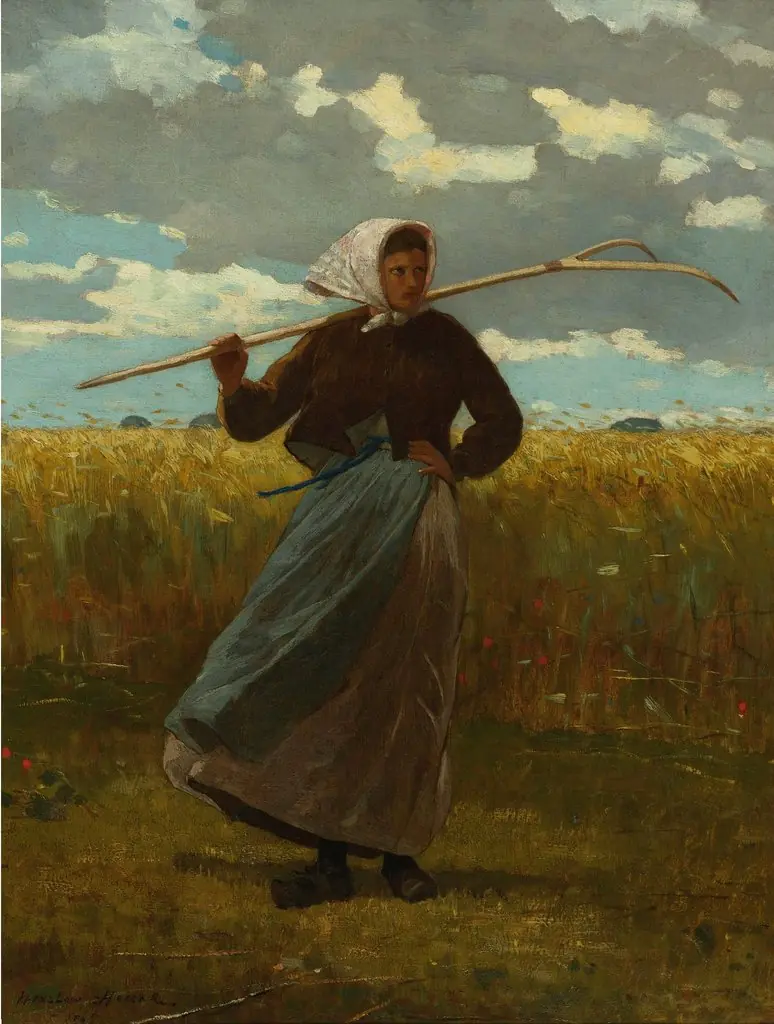
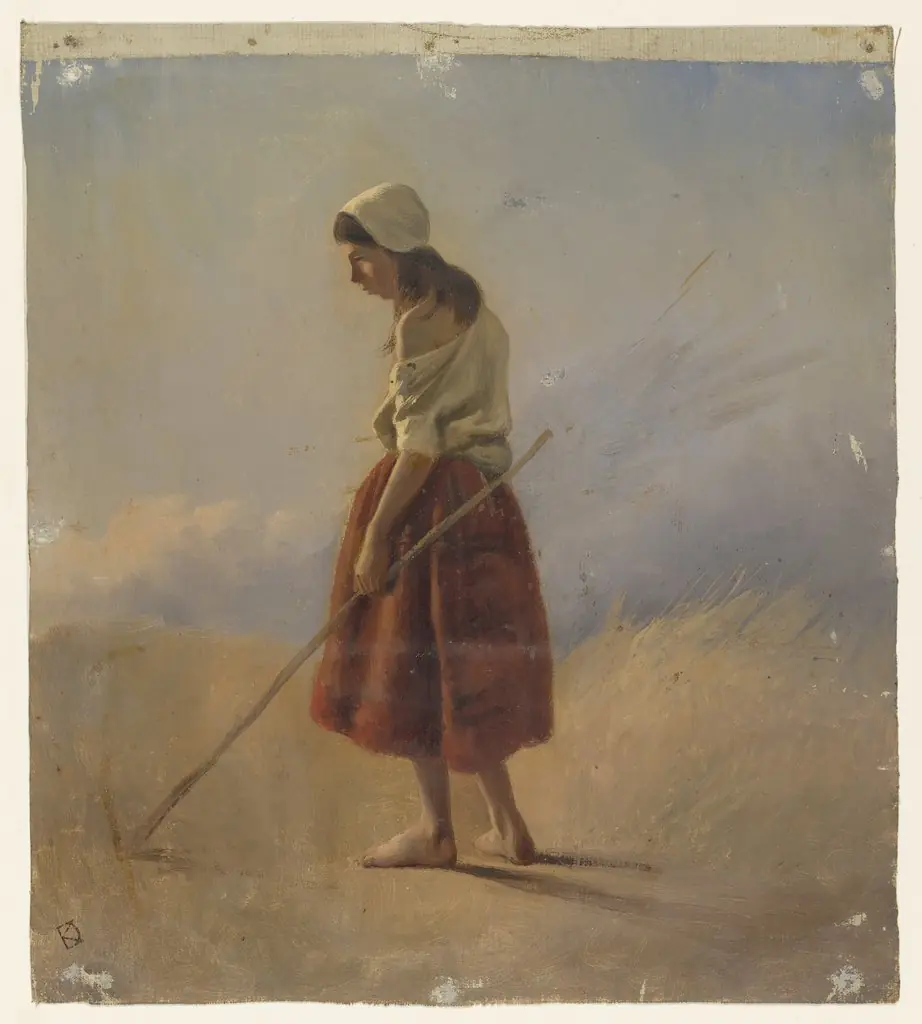
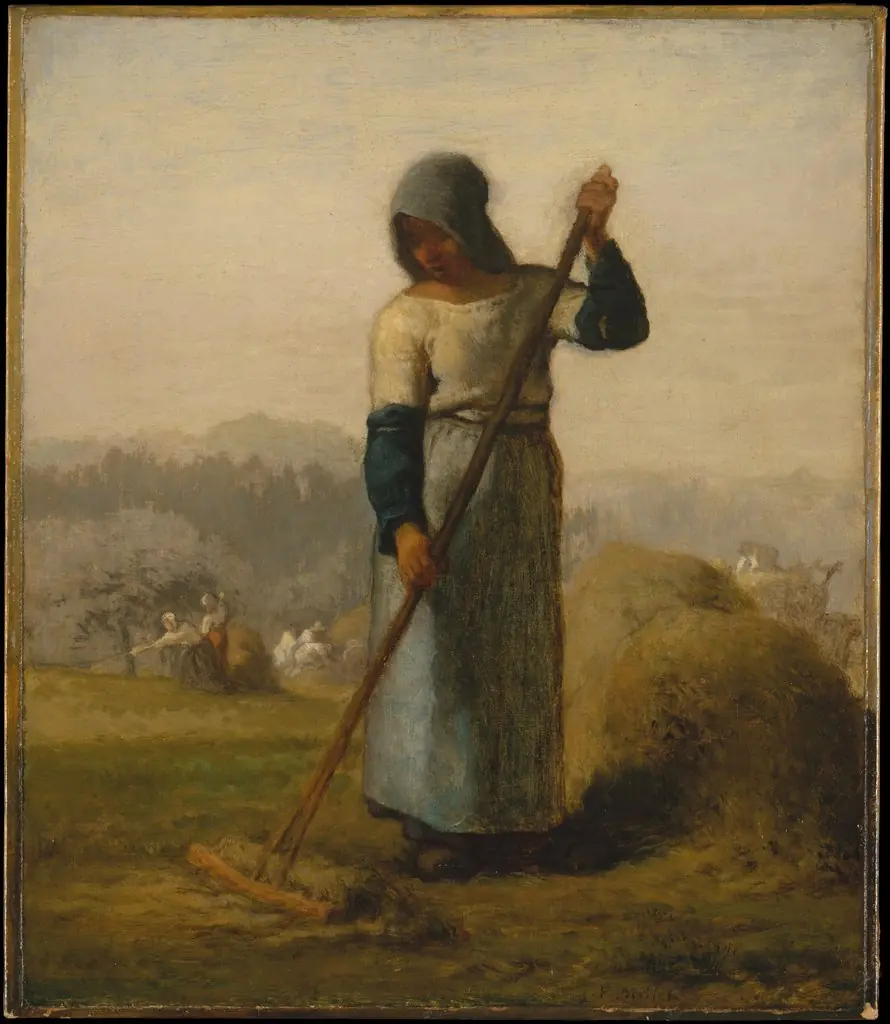
This painting shows a young girl standing in a field, holding a rake. She wears a white blouse and a blue apron over a dark skirt. In the background, there are trees and a few people working in the field.
The girl is the main focus of the painting, and her facial expression is calm and serene. The artist has used a warm color palette to depict the scene, with shades of green and brown dominating the landscape.
The painting is a beautiful representation of rural life in the 19th century. To learn more about the artist's use of light and shadow, look up the technique of chiaroscuro.
Overview
Painted in 1859 by French artist Jules Breton, *A Girl with a Rake* is an oil-on-canvas work that captures a moment of quiet labor in the countryside. It belongs to the Realist tradition, which sought to portray ordinary life without romantic embellishment. The painting is part of the National Gallery of Ireland’s collection and reflects Breton’s sustained interest in rural laborers as subjects of dignified observation.
Subject & Meaning
The painting depicts a young peasant girl standing still in a field, holding a rake after a task. Her calm expression and composed posture suggest endurance rather than hardship. Breton avoids overt sentimentality, instead presenting her as part of the landscape—neither idealized nor pitied. The scene conveys the quiet rhythm of agricultural life, emphasizing routine over drama.
Technique & Style
Breton employed a warm, earth-toned palette dominated by muted greens and browns to ground the figure in her environment. Soft modeling of light defines the girl’s form without dramatic contrast, avoiding the intensity of chiaroscuro. Brushwork is precise but unobtrusive, favoring clarity over texture. The background figures are rendered with loose strokes, directing focus to the central figure’s stillness.
History & Provenance
Created in 1859, the painting entered the National Gallery of Ireland’s collection in the 20th century. Its provenance traces back to Breton’s exhibition history in Paris, where his rural scenes gained recognition among middle-class audiences. Unlike many of his contemporaries, Breton did not seek political commentary; his works were acquired for their tranquil, harmonious depictions of peasant life.
Context
In mid-19th-century France, industrialization reshaped society, prompting artists to revisit rural themes as cultural anchors. Breton’s paintings responded to this shift by offering idealized yet grounded visions of agrarian existence. While aligned with Realism, his work diverged from the grittier portrayals of Courbet, instead emphasizing serenity and continuity in the face of social change.
Legacy
Breton’s focus on rural labor influenced later regionalist movements in Europe and America. Though his style fell out of favor with modernist critics, his works remain valued for their documentation of 19th-century peasant life. *A Girl with a Rake* endures as a quiet testament to the dignity of everyday work, preserved in public collections as a record of its time.
Own this work as a print
Artist & collection
Artist
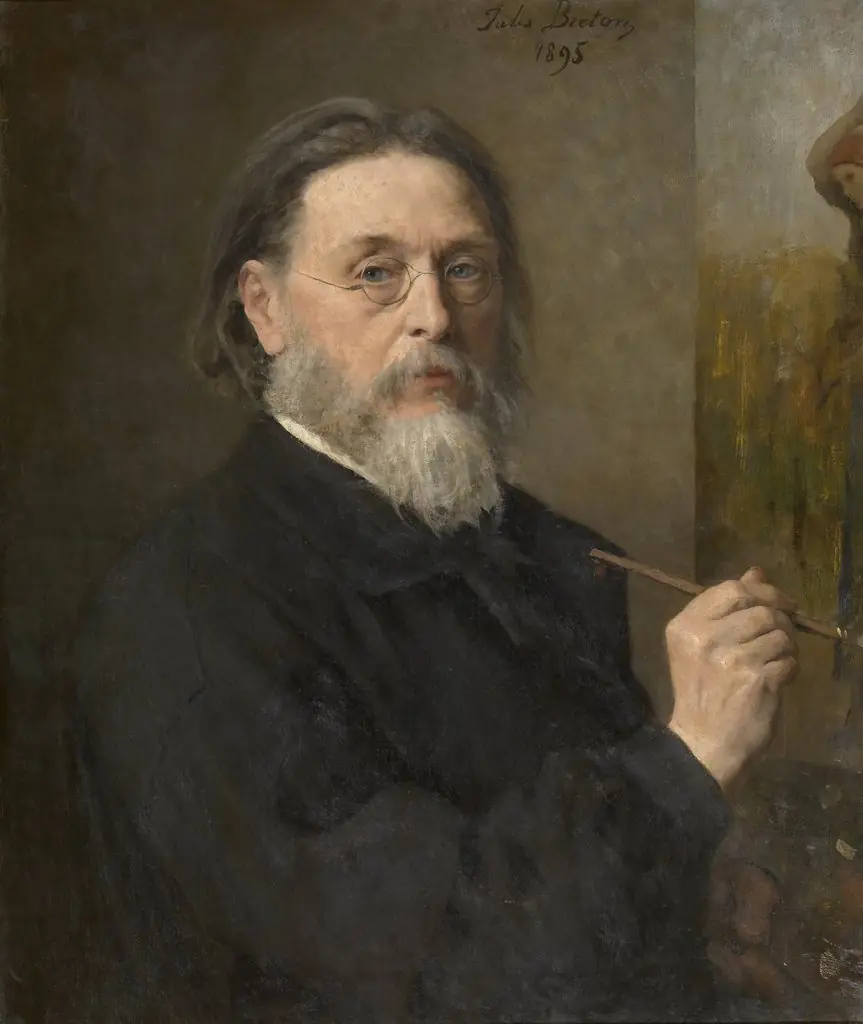
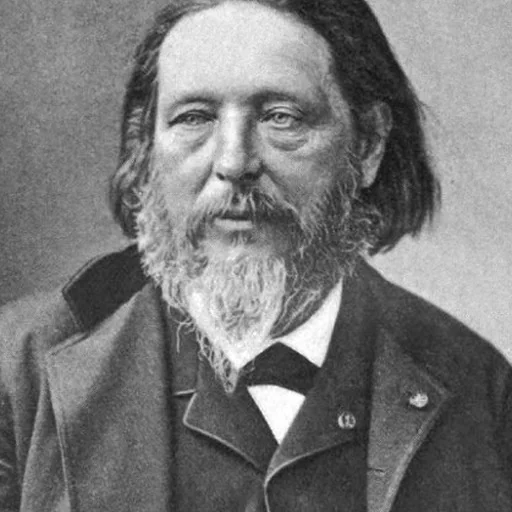
Jules Adolphe Aimé Louis Breton (French pronunciation: ; 1 May 1827 – 5 July 1906) was a 19th-century French naturalist painter.