Artwork
A Coastal Scene
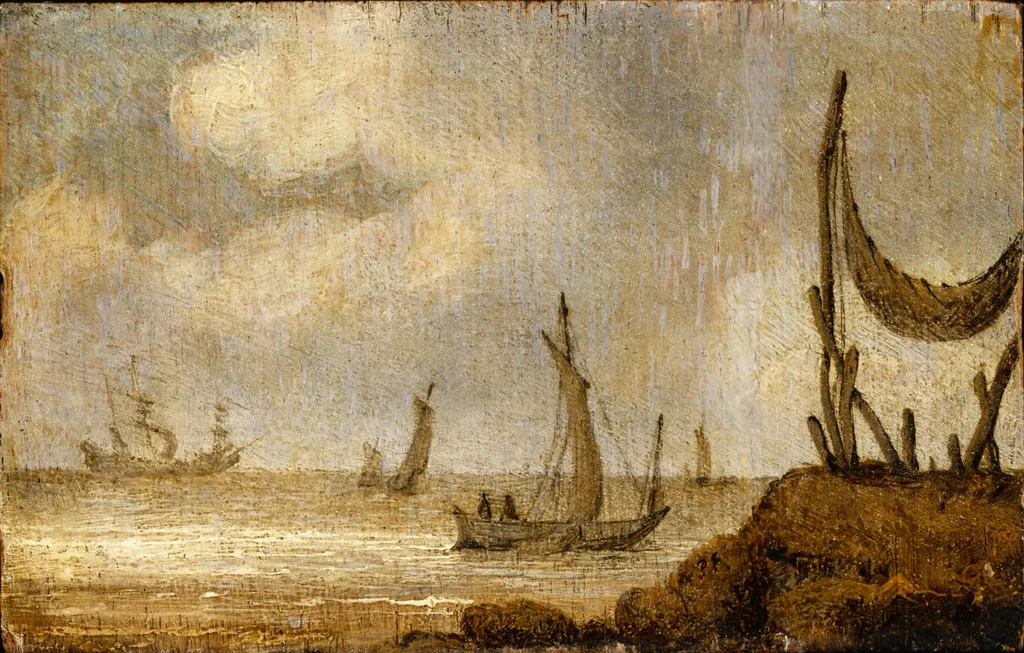
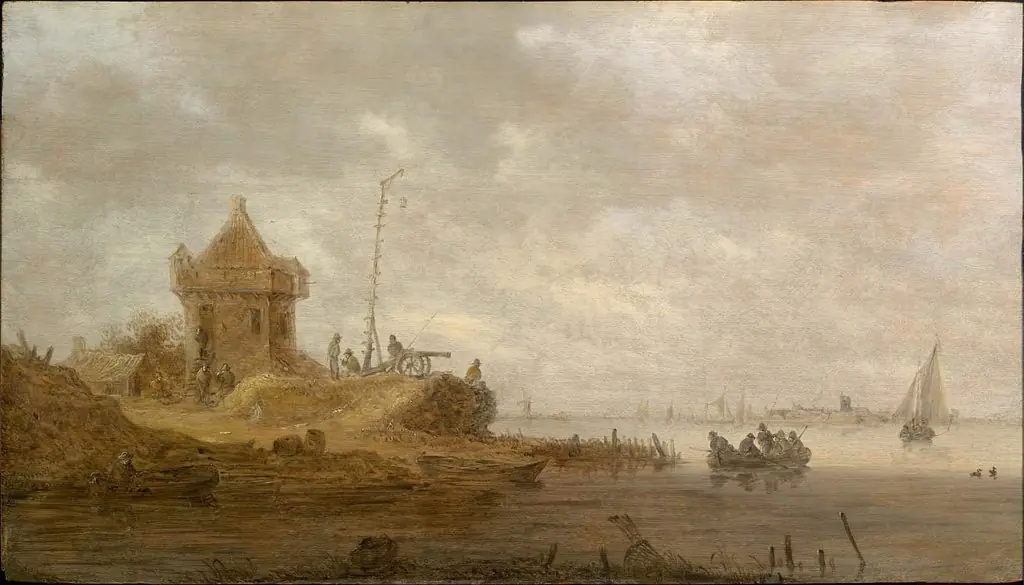
A Coastal Scene is an unspecified painting by the Dutch Golden Age artist Julius Porcellis. It dates from 1630 and is held in the collection of the Detroit Institute of Arts.
About this work
Overview
The painting belongs to the Detroit Institute of Arts collection and exemplifies the restrained elegance characteristic of his mature style.
Painted in 1630 by Julius Porcellis, this coastal landscape reflects the Dutch Golden Age’s preoccupation with seascapes and maritime life. Born in Rotterdam in 1610 and active in major port cities, Porcellis was part of a generation of artists who turned the everyday realities of the sea into quiet, observational art. The painting belongs to the Detroit Institute of Arts collection and exemplifies the restrained elegance characteristic of his mature style.
Subject & Meaning
The scene presents a calm shoreline with modest vessels at rest, their sails lightly filled by wind. No grand naval events or storms are depicted—instead, the focus lies in the stillness of the moment: water, sky, and rock coexist in quiet harmony. This tranquility suggests an appreciation for the ordinary rhythms of coastal life, valued in a society whose economy and identity were deeply tied to the sea.
Technique & Style
Porcellis employed subtle tonal gradations to render the overcast sky and its reflection on the water’s surface. Brushwork is restrained, with soft edges and minimal detail, emphasizing atmosphere over narrative. The rocky foreground adds tactile contrast, while the faint ripples on the water suggest movement without disruption. His approach favors mood and light over dramatic action, aligning with the Dutch preference for naturalistic restraint.
History & Provenance
Julius Porcellis, son of the marine painter Jan Porcellis, trained within a family tradition of seascapes and worked in Haarlem, Amsterdam, and Rotterdam before his death in Leiden in 1645. The painting entered the Detroit Institute of Arts collection through documented acquisitions, though its early ownership history remains unrecorded. It has been consistently attributed to the artist based on stylistic parallels with his other known works.
Context
In early 17th-century Holland, maritime trade and naval power shaped national identity. Artists like Porcellis responded not with heroic battles but with intimate views of harbors, coasts, and quiet waters. These works catered to a growing middle class that found pride and comfort in depictions of their economic and environmental reality, turning the sea into a subject of contemplation rather than conquest.
Legacy
Porcellis’s influence extended to later Dutch marine painters through his emphasis on atmospheric harmony and subdued color. His work helped shift marine painting from dramatic spectacle to quiet observation, a direction followed by artists such as Willem van de Velde. Though less celebrated than some contemporaries, his paintings remain key examples of how Dutch art captured the serenity of everyday maritime life.
Artist & collection
Artist
Julius Porcellis (1610 – buried 30 September 1645) was a Dutch marine artist. Porcellis was born in Rotterdam, the son of the marine artist Jan Porcellis and Jacquemyntje Jansdr. In 1622 he was recorded as being…

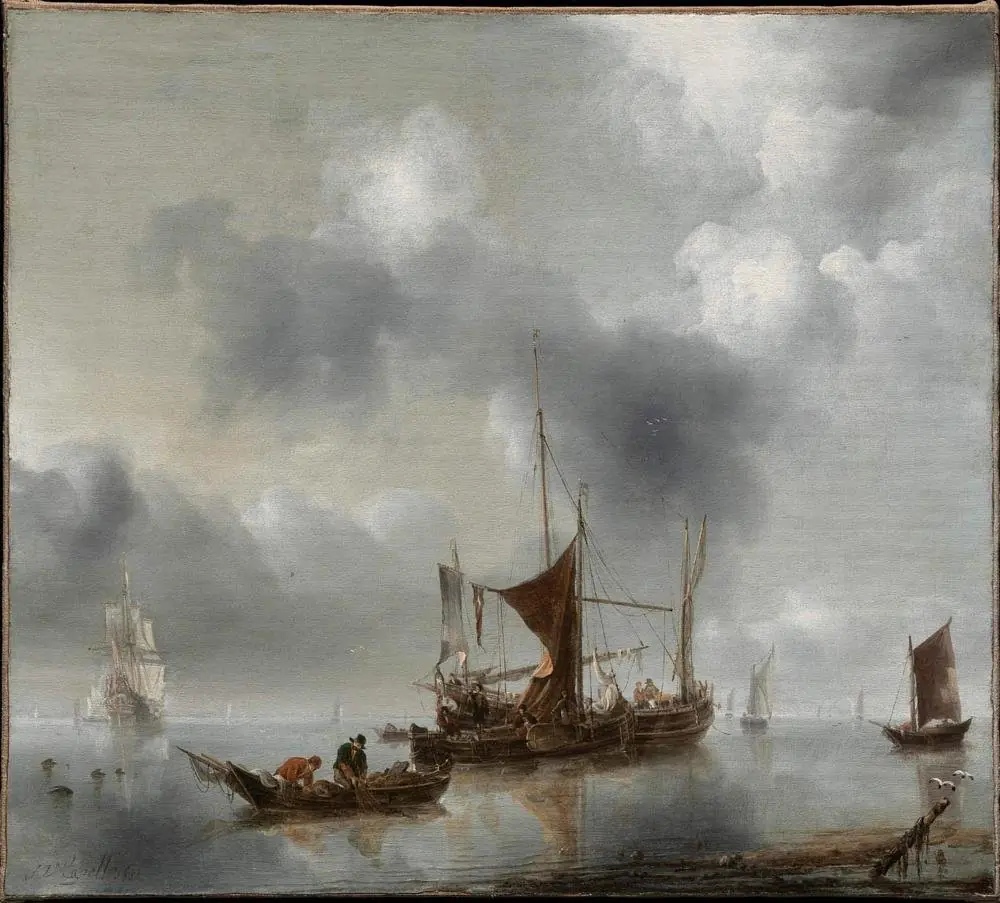 A Kaag and a Smak in a Calm
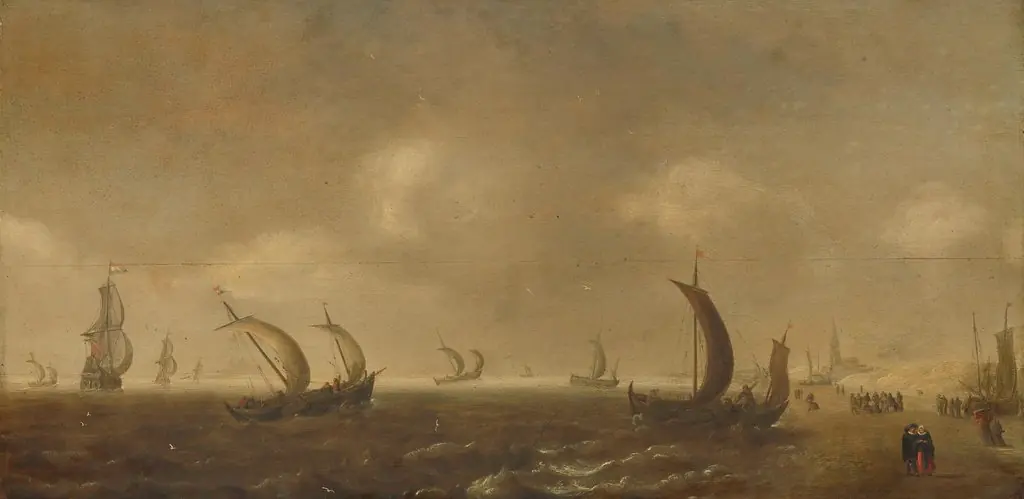 Seascape on the beach at Scheveningen
 Fishing Boats off an Estuary
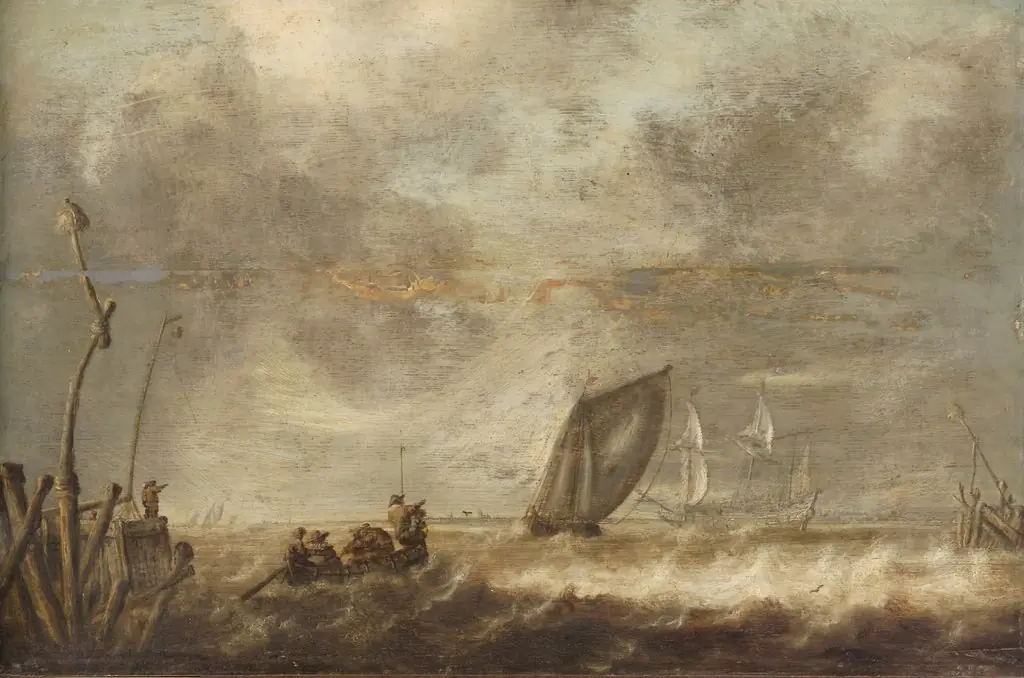 Seestück
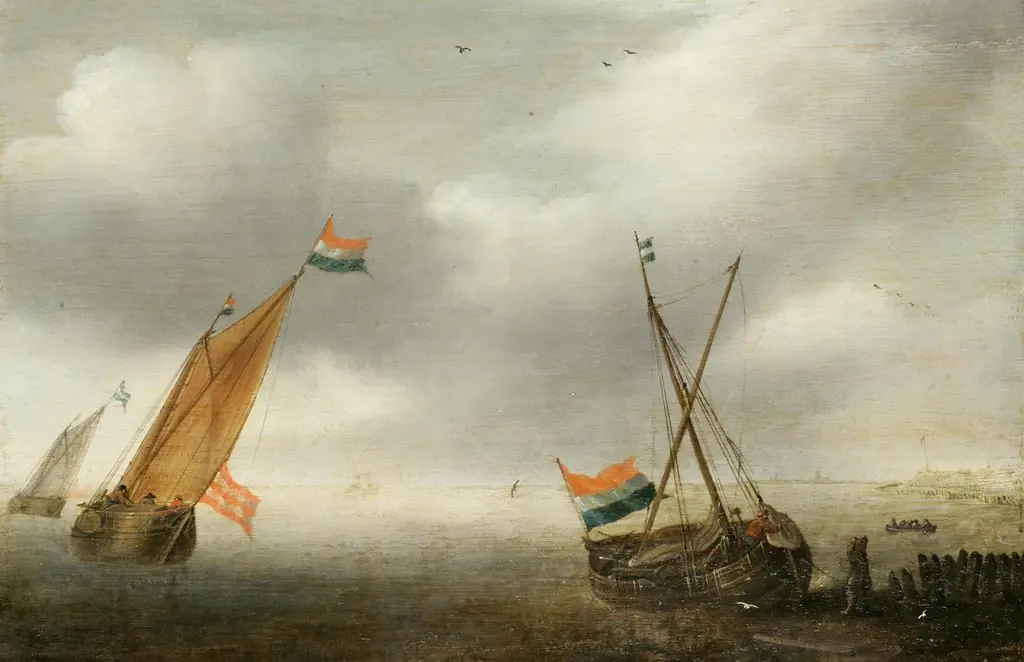 Calm Sea with Two Sailing Vessels
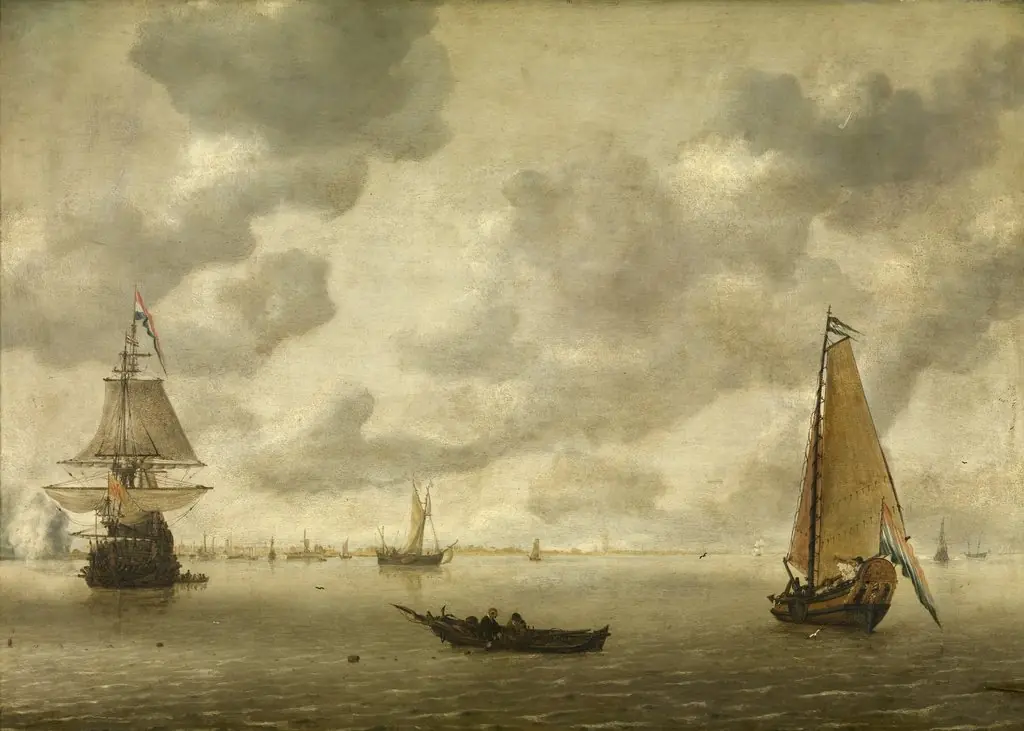 Dutch ships in a harbour firing salute
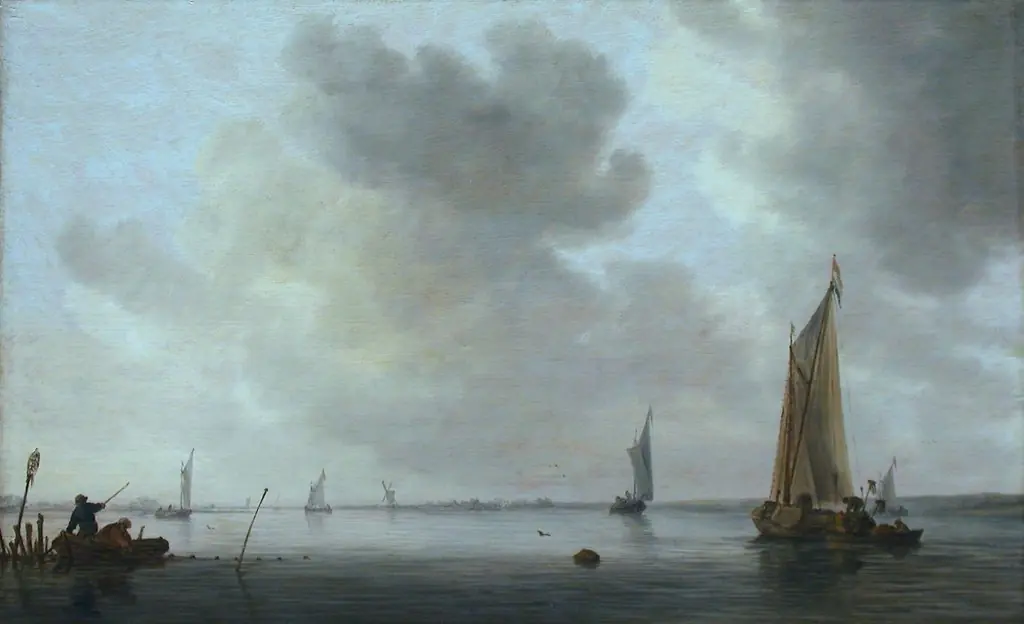 Fishing Boats off an Estuary
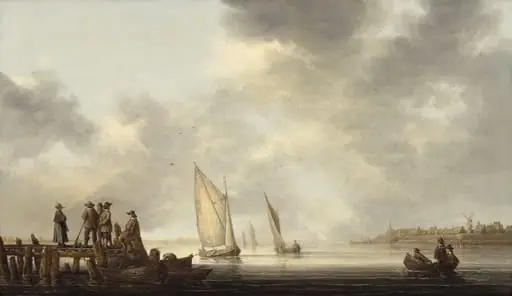 A Pier Overlooking Dordrecht
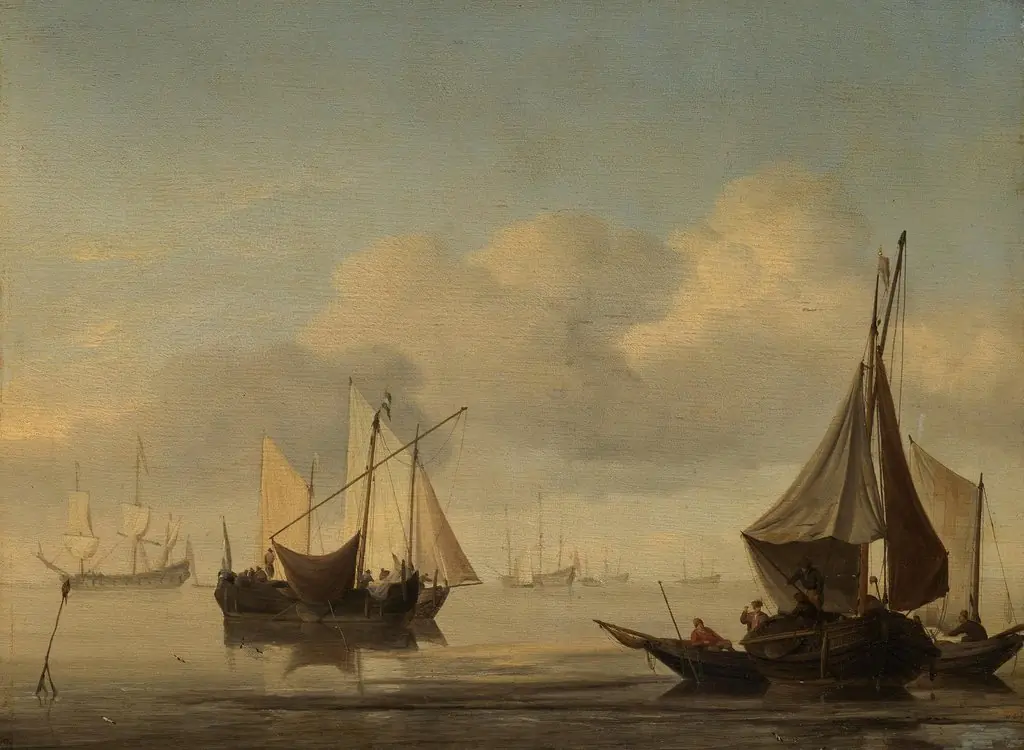 Fishing Boats near a Sandbank in a Calm
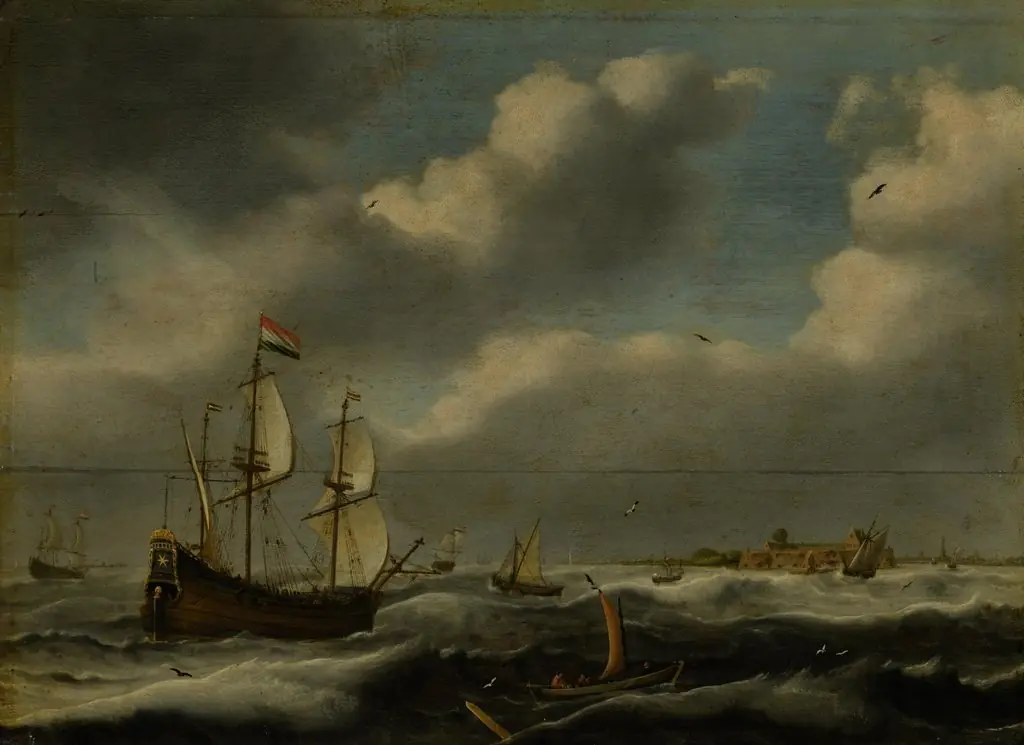 Moving sea with ships
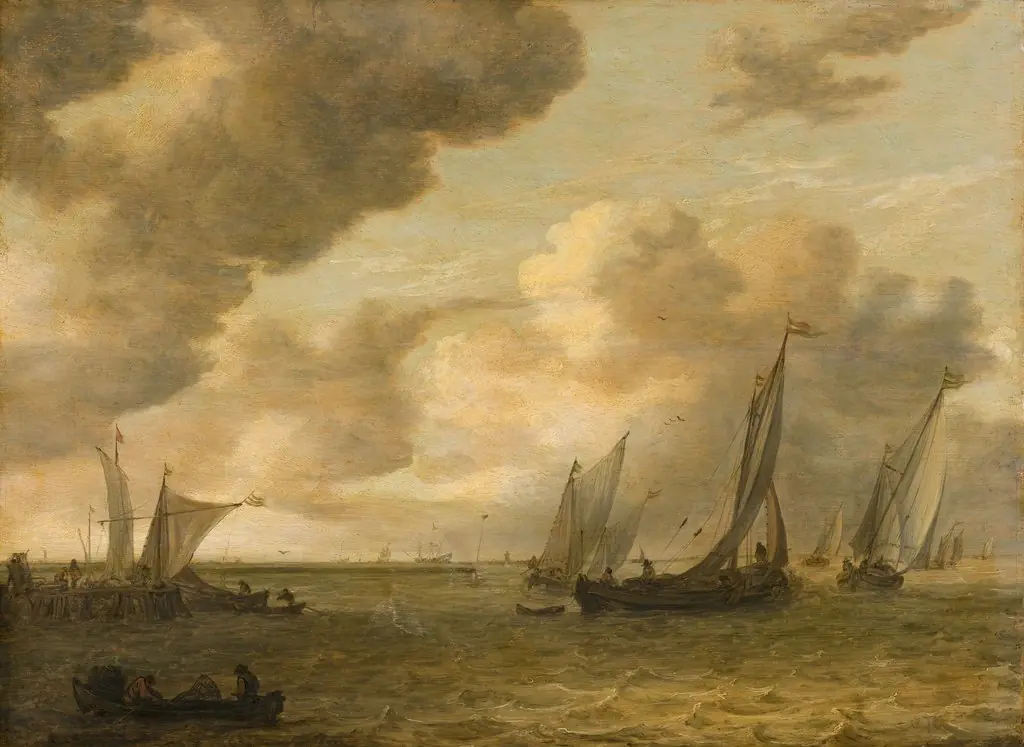 Estuary with Sailing Boats
 Fort on a River