Artwork
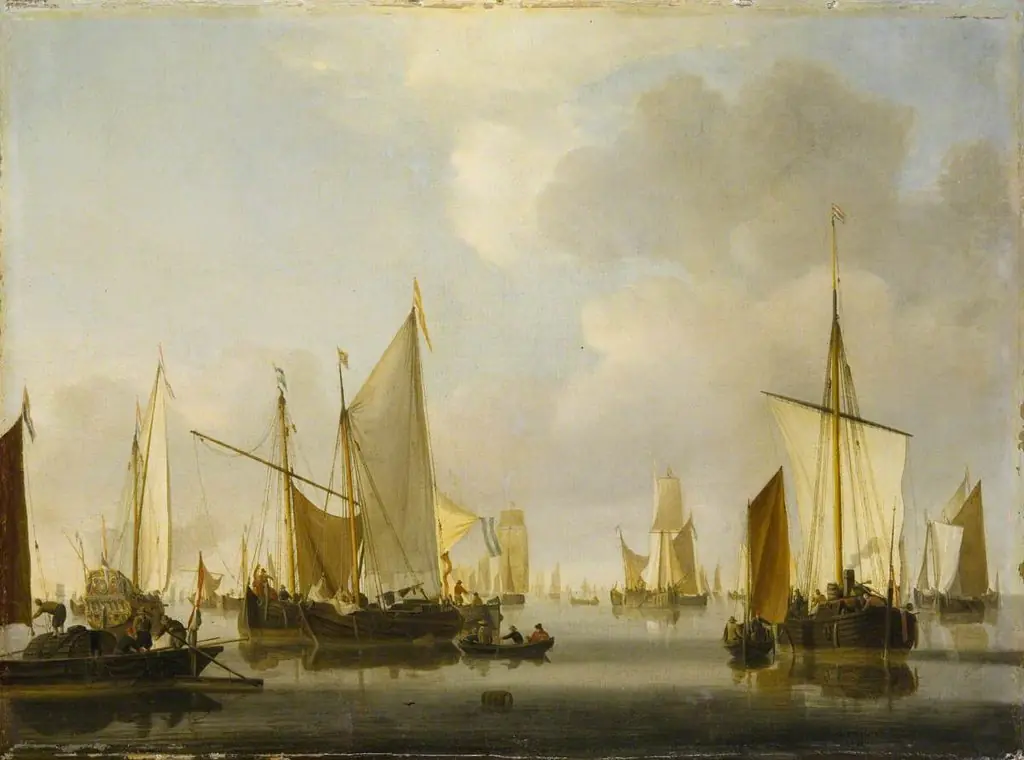
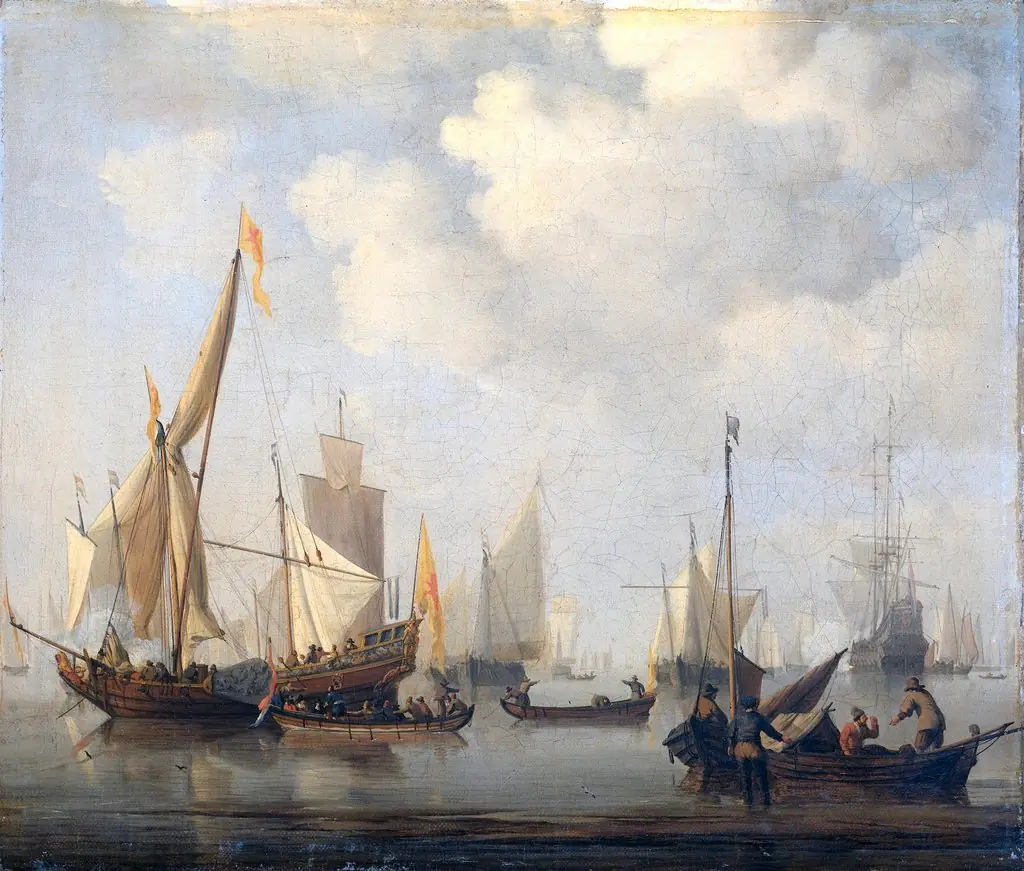
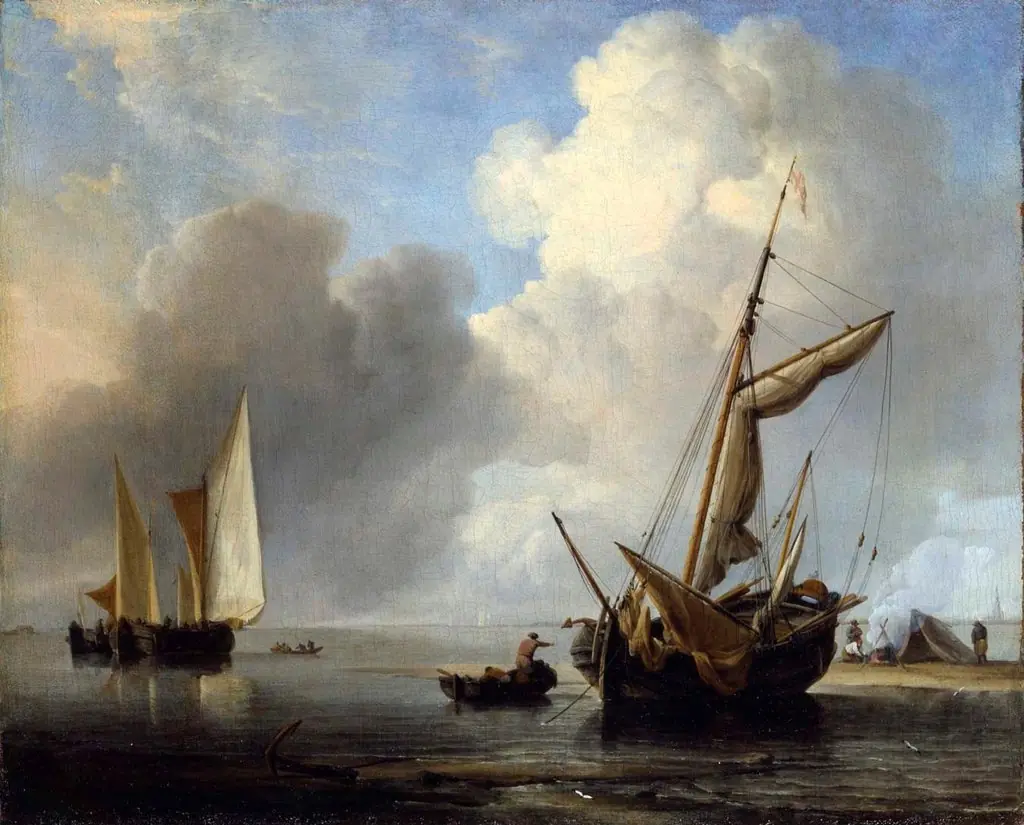
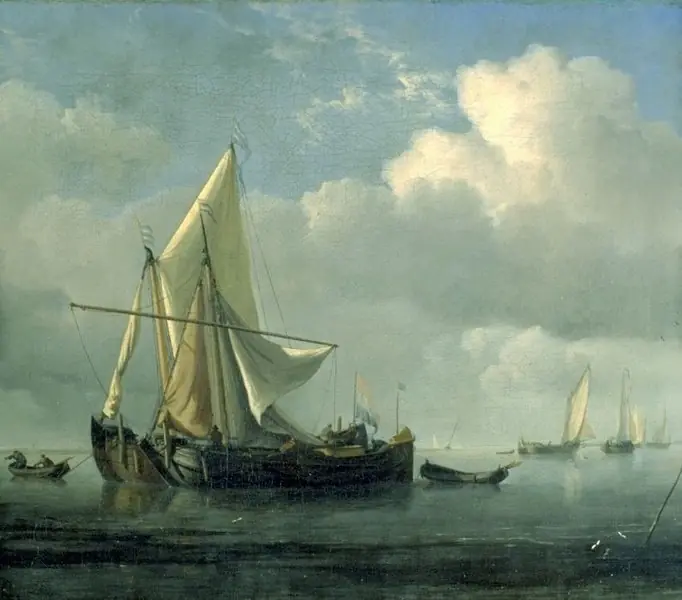
Calm Sea with Two Sailing Vessels
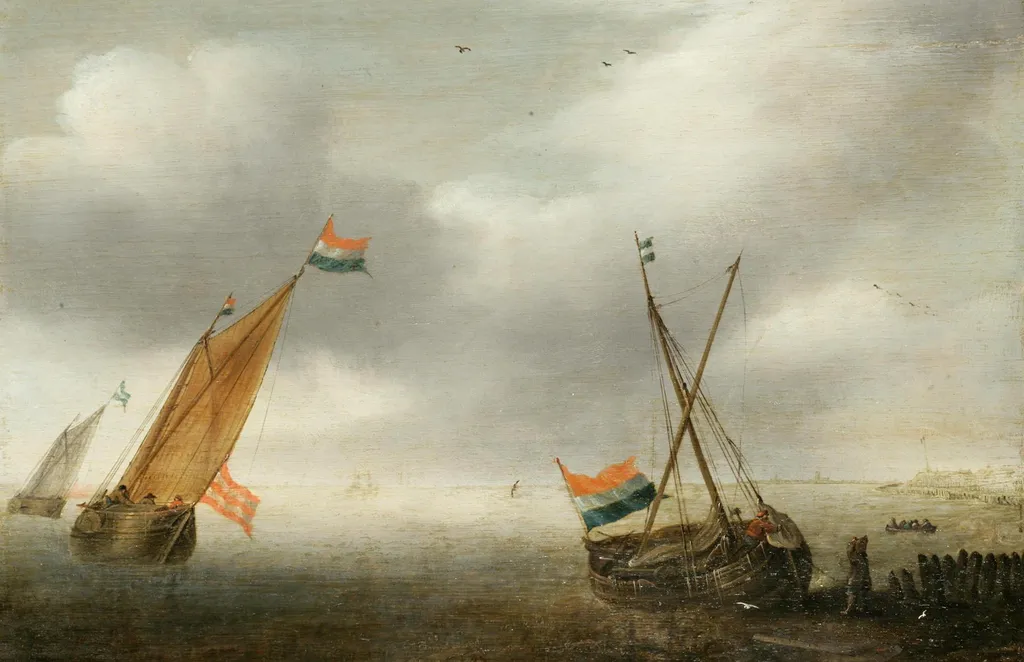
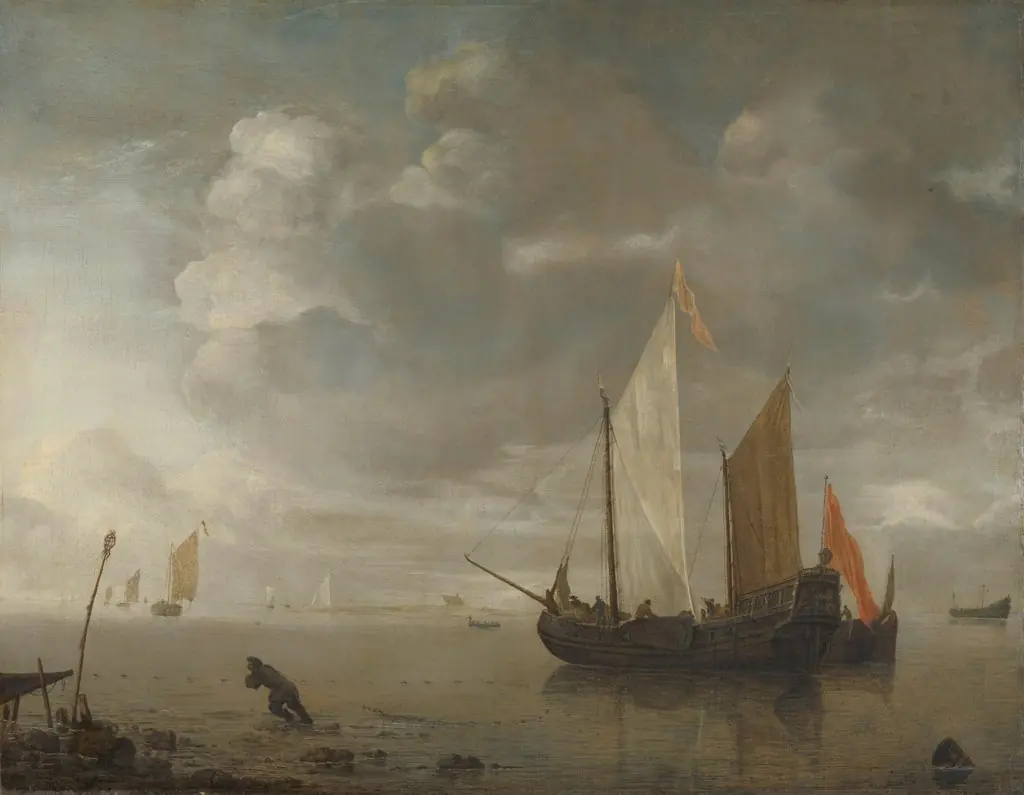
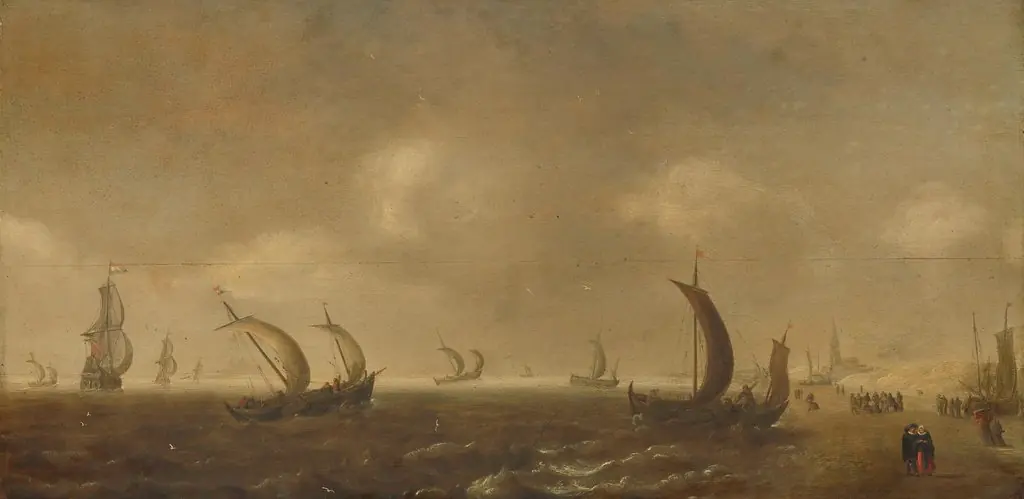
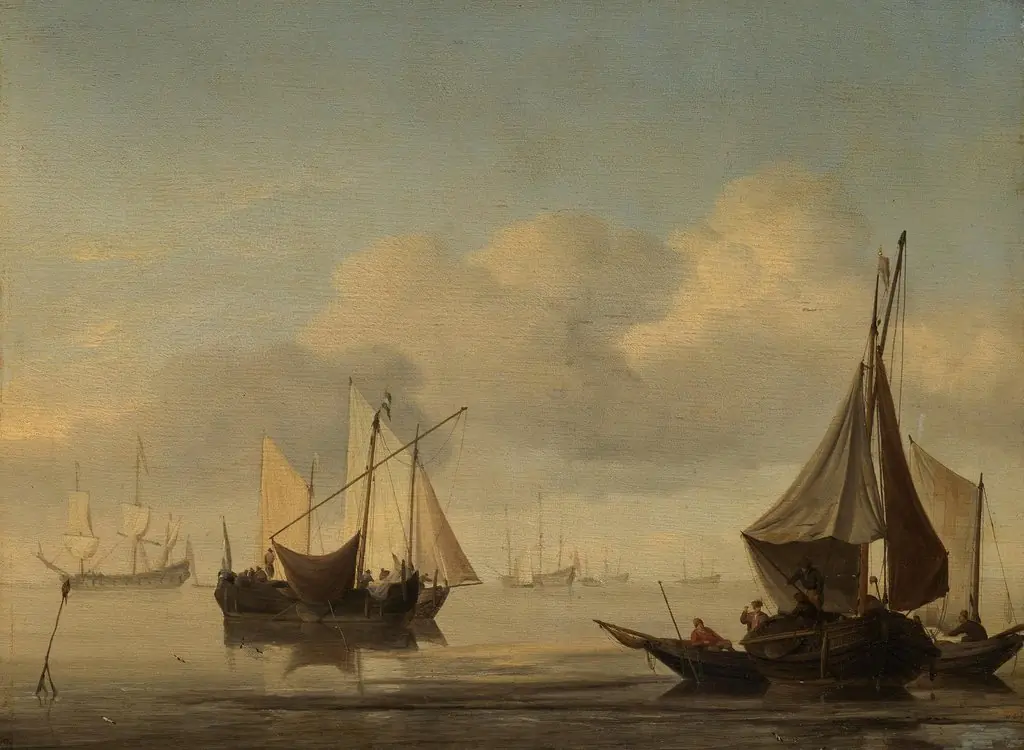
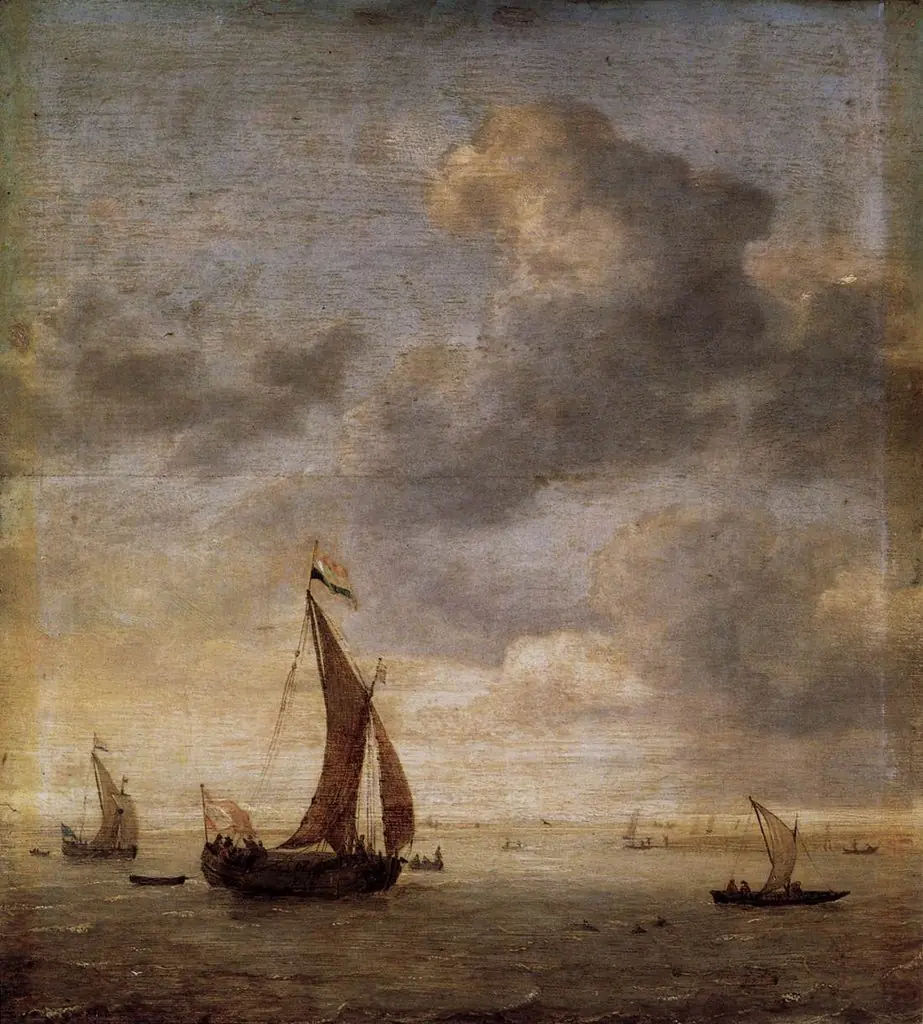
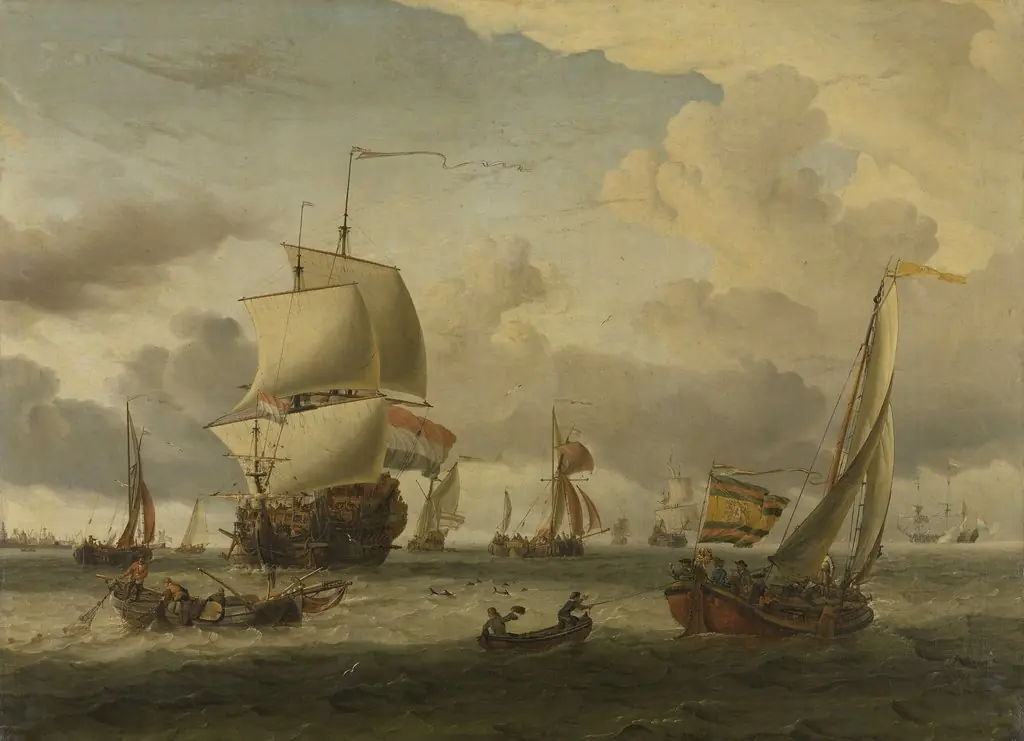
Calm Sea with Two Sailing Vessels is an oil painting by the Dutch Golden Age artist Julius Porcellis. It dates from 1630 and is held in the collection of the Hermitage Museum.
About this work
Overview
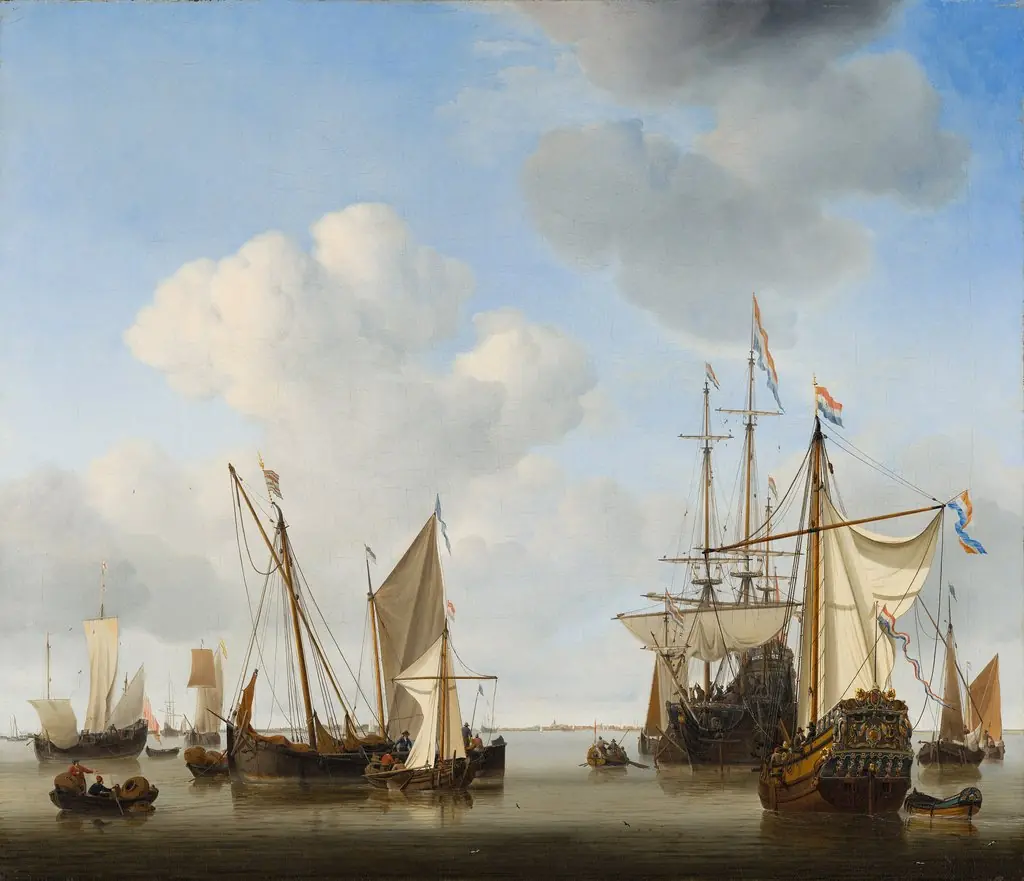
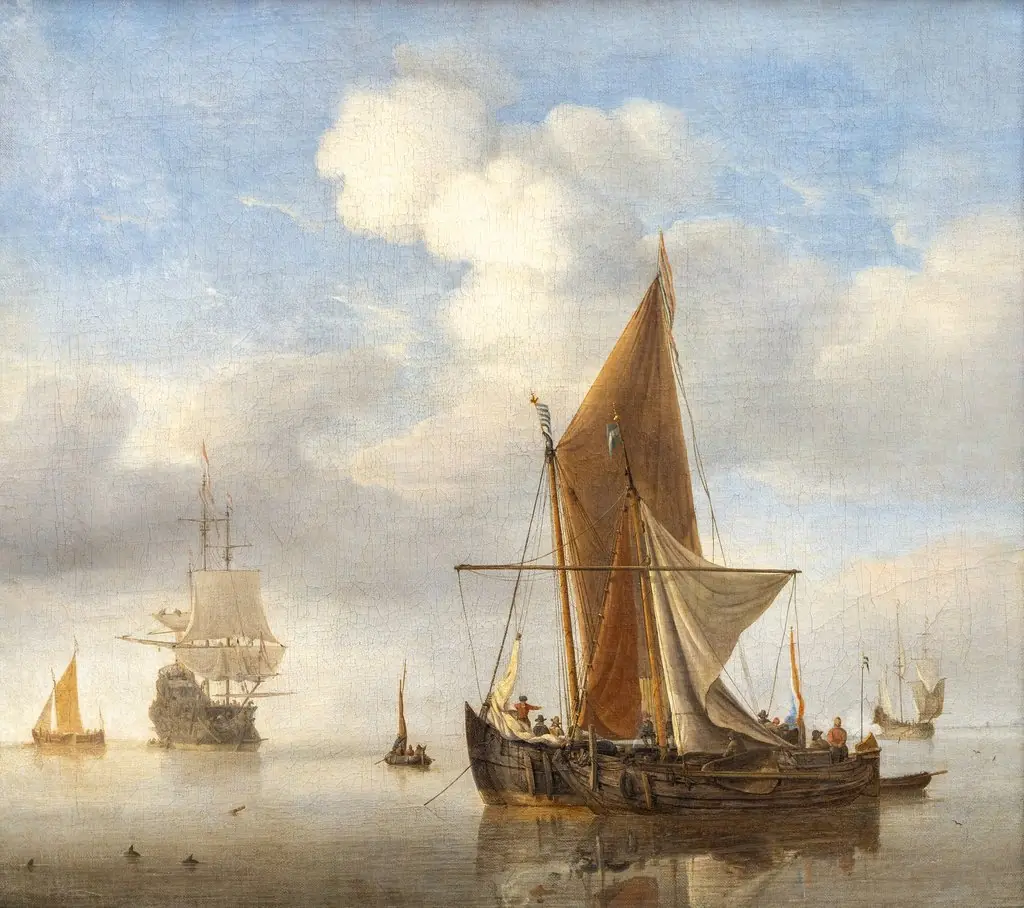
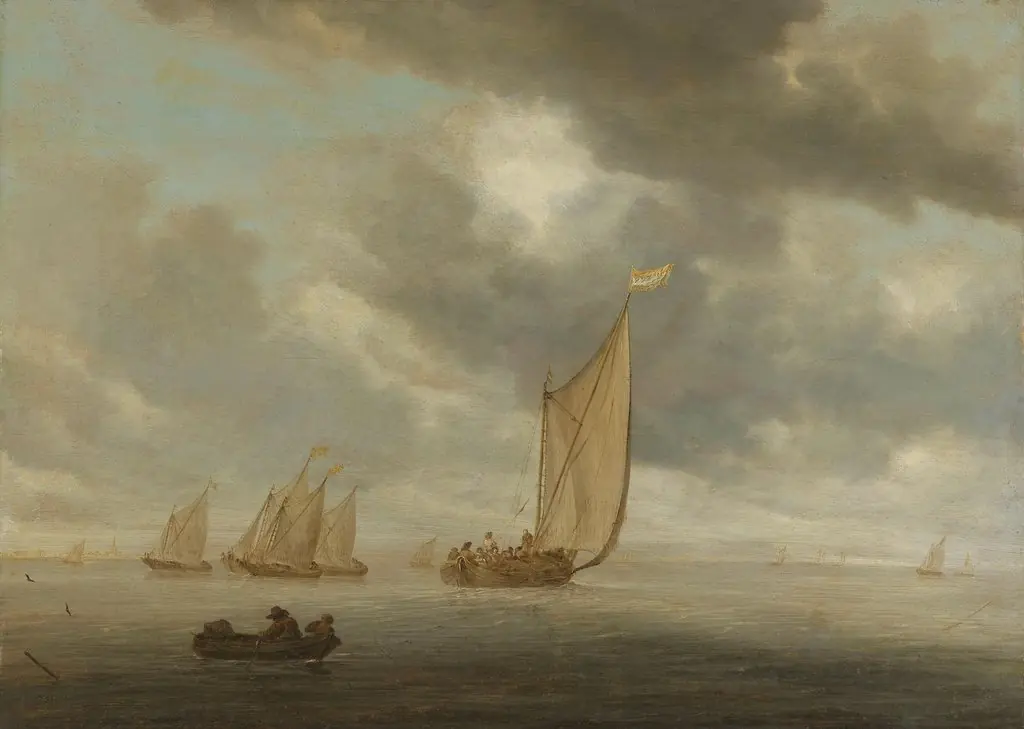
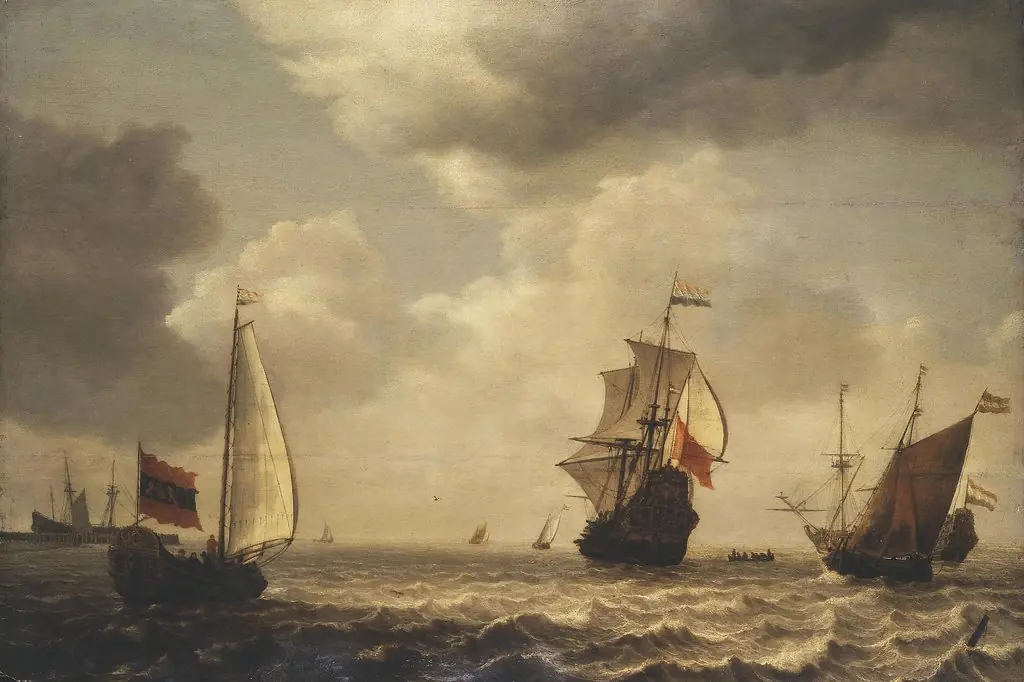
Painted in 1630 by Julius Porcellis, this oil-on-canvas work captures a quiet maritime scene with two sailing vessels.
Painted in 1630 by Julius Porcellis, this oil-on-canvas work captures a quiet maritime scene with two sailing vessels. A key figure in Dutch marine painting, Porcellis was the son of the established artist Jan Porcellis and spent much of his career moving between major Dutch artistic centers. The painting is now part of the State Hermitage Museum’s collection, representing the quiet, observational tone characteristic of early 17th-century Dutch seascapes.
Subject & Meaning
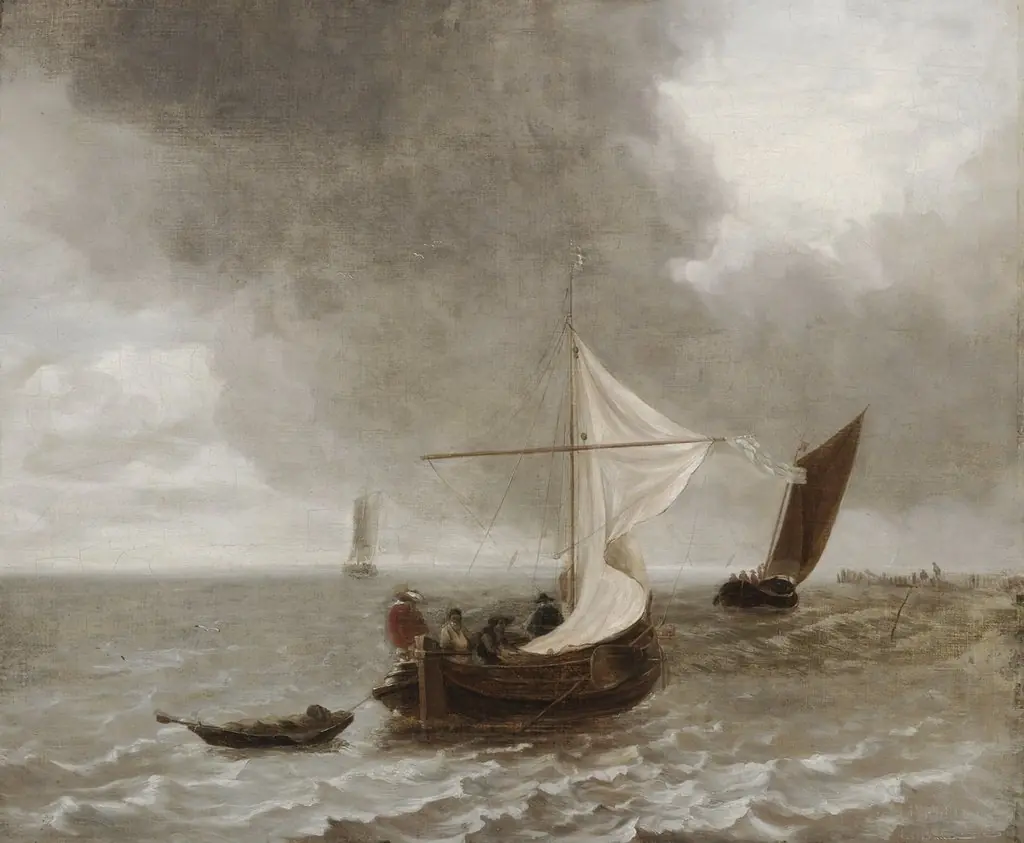
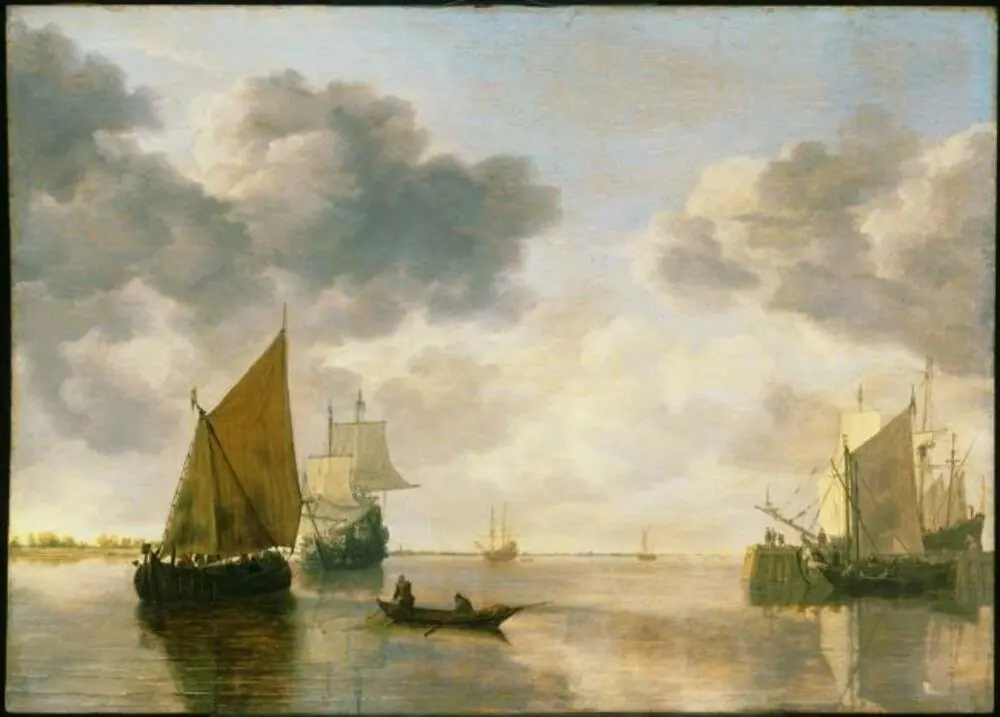
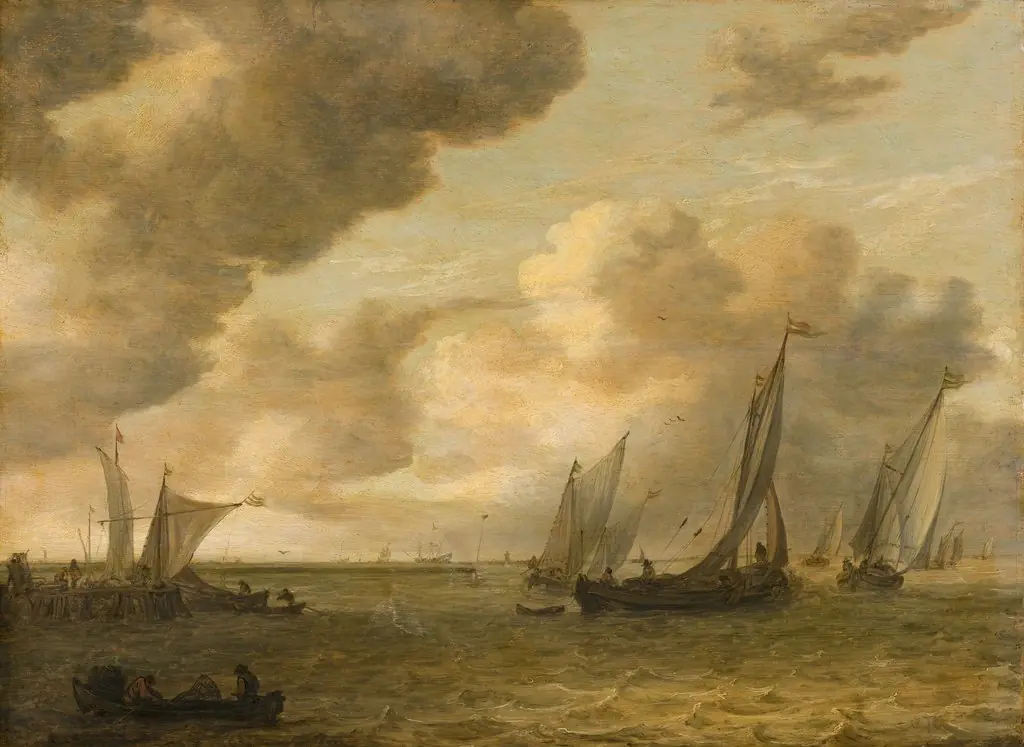
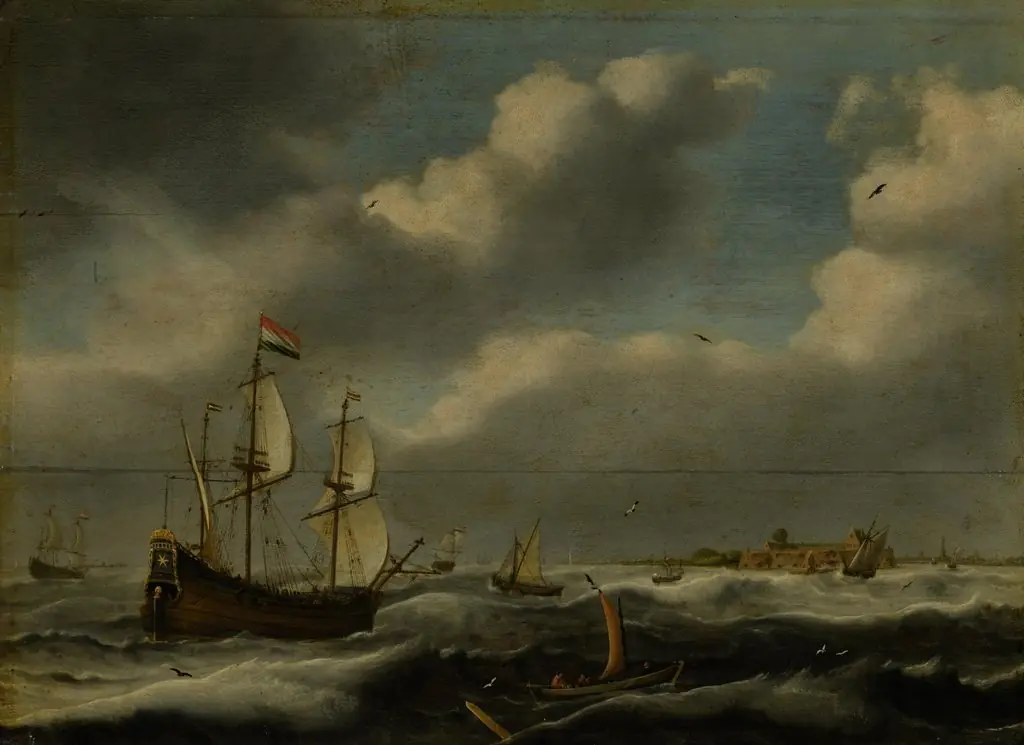
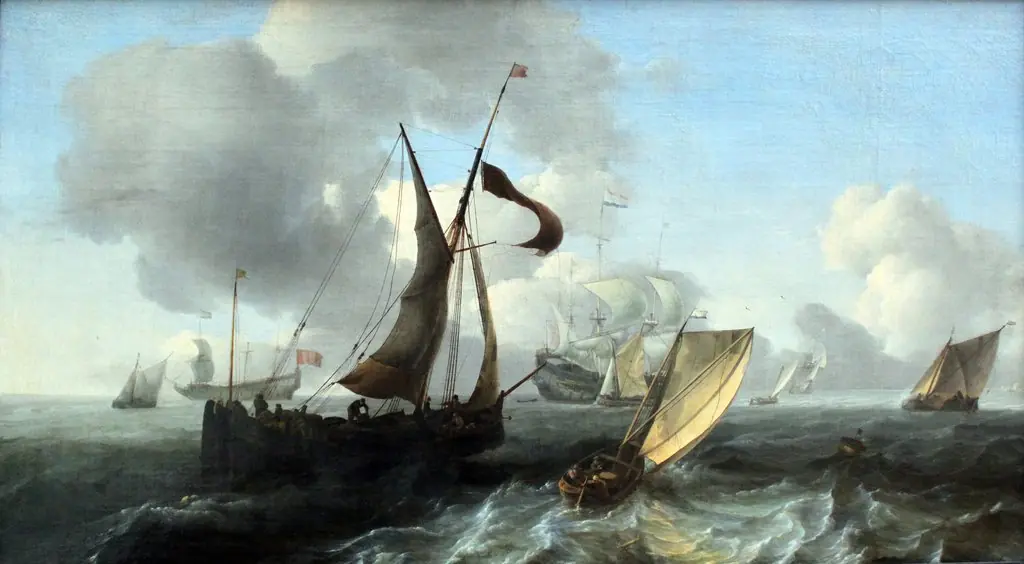
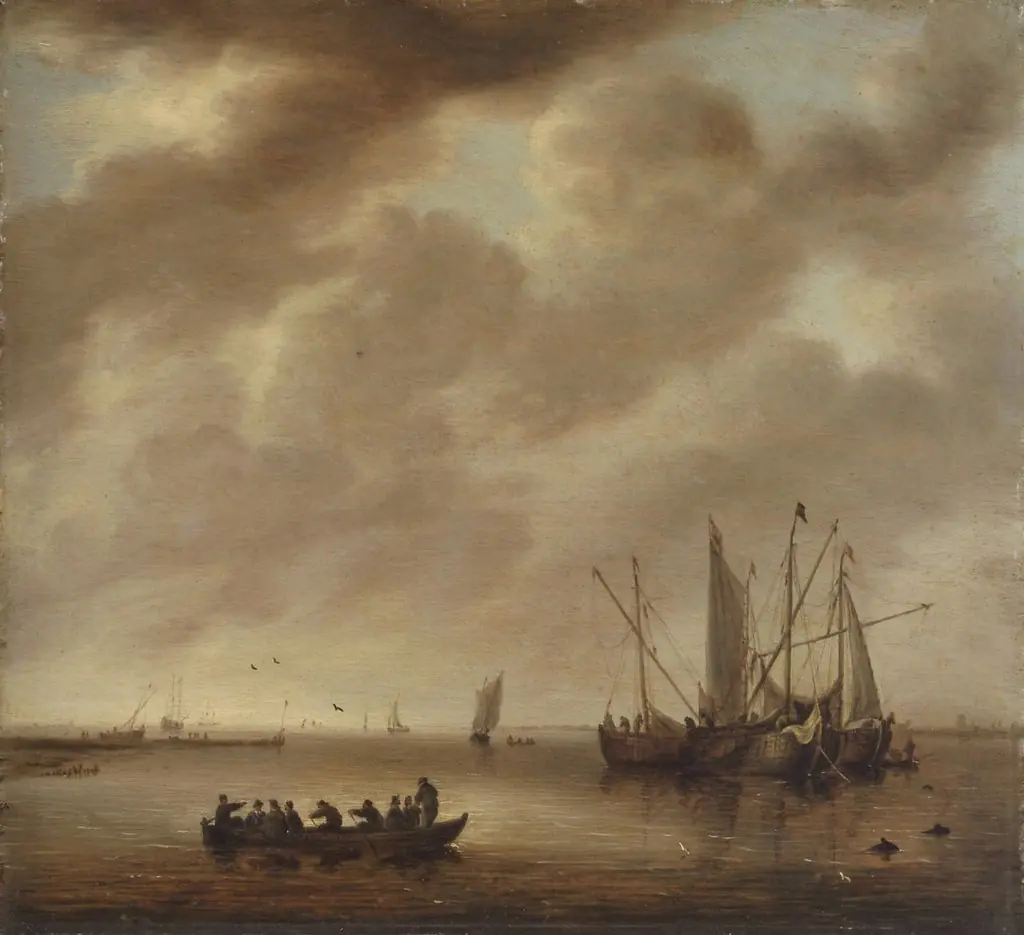
The composition centers on two vessels at rest on a still sea—one with sails raised, the other with sails lowered—suggesting differing states of motion or preparation. A distant, faint shoreline anchors the horizon, reinforcing the sense of open water. The absence of human figures or dramatic action emphasizes solitude and the quiet rhythm of maritime life, reflecting a broader cultural appreciation for calm natural order during the Dutch Golden Age.
Technique & Style
Porcellis employed subtle glazing techniques to achieve soft transitions between tones, particularly in the sky and water. The palette is restrained, dominated by gray, white, and muted blues, with faint brown accents suggesting hulls or rigging. Brushwork is delicate and controlled, avoiding sharp edges to preserve the scene’s stillness. This methodical approach aligns with the Dutch tradition of rendering atmospheric conditions with quiet precision.
History & Provenance
Julius Porcellis, born in Rotterdam in 1610, trained under his father and worked in Haarlem, Amsterdam, and Rotterdam before settling in Leiden, where he died in 1645. The painting’s early ownership is undocumented, but it entered the Hermitage collection in the 18th or 19th century, likely through European art acquisitions. Its survival and preservation reflect its status as a representative example of Porcellis’s mature style.
Context
Created during the Dutch Golden Age, the painting reflects a period when maritime commerce and naval power shaped national identity. Artists like Porcellis turned away from dramatic battle scenes toward serene, contemplative views of the sea, catering to a growing middle-class market that valued quiet realism. This shift mirrored broader societal interests in order, observation, and the dignity of everyday natural phenomena.
Legacy
Julius Porcellis’s work contributed to the codification of Dutch marine painting as a distinct genre. While less celebrated than his father’s, his emphasis on atmospheric calm influenced later artists who favored subtlety over spectacle. This painting remains a quiet testament to the period’s aesthetic values—modest, restrained, and deeply attuned to the rhythms of wind, water, and sail.
Artist & collection
Artist
Julius Porcellis (1610 – buried 30 September 1645) was a Dutch marine artist. Porcellis was born in Rotterdam, the son of the marine artist Jan Porcellis and Jacquemyntje Jansdr. In 1622 he was recorded as being…