Artwork
Untitled
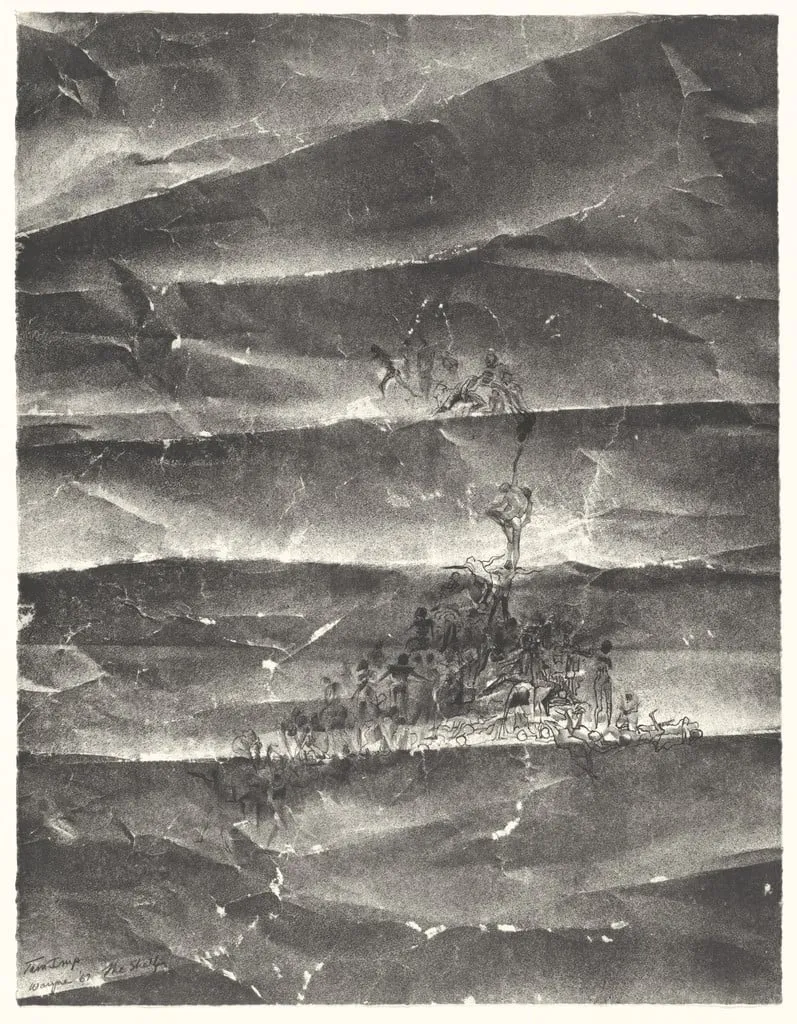
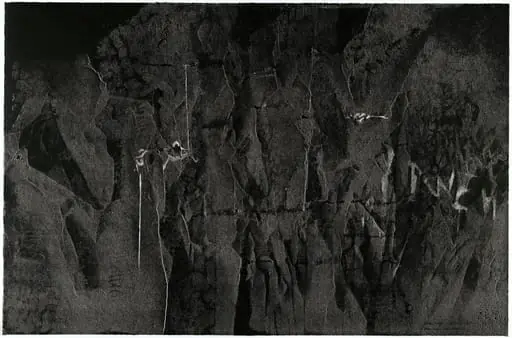
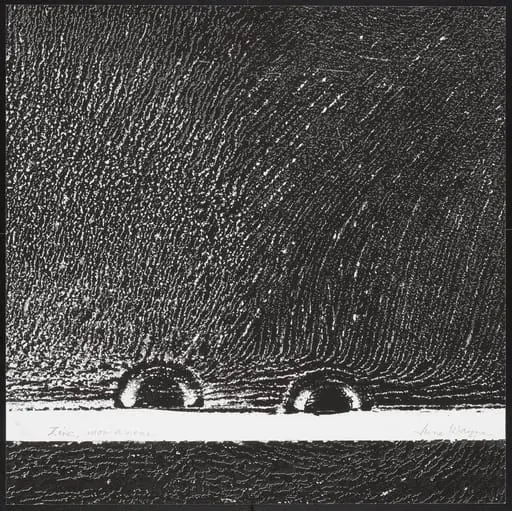
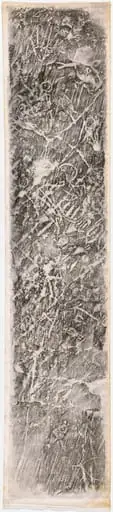
Untitled is an ink print by June Wayne. It dates from 1967 and is held in the collection of the Museum of Modern Art.
About this work
Overview
Unlike traditional landscape prints, it avoids clear spatial hierarchy, instead emphasizing tactile surface and emotional tone through dense, hand-drawn marks.
June Wayne created this lithograph in 1967 as part of her exploration of abstracted natural forms and human presence within landscape. The work is held in the collection of The Museum of Modern Art, where it reflects her interest in texture and atmospheric depth. Unlike traditional landscape prints, it avoids clear spatial hierarchy, instead emphasizing tactile surface and emotional tone through dense, hand-drawn marks.
Subject & Meaning
A cluster of small, indistinct figures appears near the lower right, their forms reduced to silhouettes holding ambiguous objects—possibly tools or branches. They are dwarfed by the surrounding texture, suggesting vulnerability or insignificance against an overwhelming environment. The lack of detail invites interpretation: are they laborers, wanderers, or remnants of a vanished community? The scene resists narrative clarity, favoring mood over story.
Technique & Style
Wayne employed lithography to build layered, scratchy textures using direct drawing on stone. The surface is dominated by irregular, overlapping lines that create a sense of turbulence and depth without traditional perspective. The contrast between the dark, dense background and the faint, sparse figures enhances the feeling of isolation. The roughness of the lines mimics natural erosion, reinforcing the work’s organic, unsettled character.
History & Provenance
Created during a period when Wayne was deeply engaged with printmaking innovation, this piece emerged from her studio practice in Los Angeles. It entered The Museum of Modern Art’s collection shortly after its creation, reflecting institutional interest in postwar American printmakers who expanded the expressive potential of the medium. No earlier ownership records are publicly documented beyond its acquisition by the museum.
Context
In the late 1960s, many American artists turned to printmaking as a means of personal expression beyond commercial or political agendas. Wayne’s work aligned with this trend, using lithography to explore psychological landscapes rather than literal scenes. Her approach echoed contemporary concerns with alienation and environmental unease, though without overt political messaging, favoring subtle, tactile resonance instead.
Legacy
This lithograph contributes to Wayne’s broader reputation for elevating printmaking as a vehicle for emotional and formal experimentation. It influenced later artists interested in non-narrative, texture-driven compositions. While not widely reproduced, its presence in MoMA’s collection ensures its role as a reference point in discussions of mid-century American printmaking that prioritized process and atmosphere over clarity.
Artist & collection

Artist
June Claire Wayne was an American painter, printmaker, tapestry innovator, educator, and activist. She founded Tamarind Lithography Workshop (1960–1970), a then California-based nonprofit print shop dedicated to lithography.

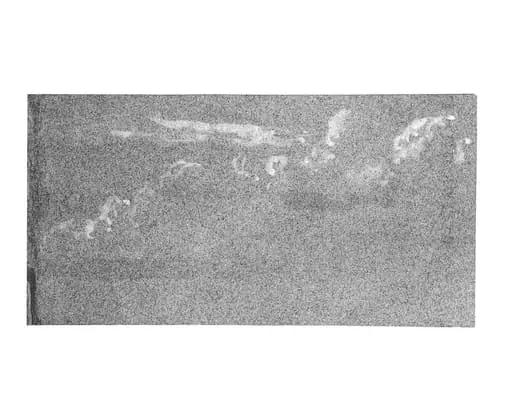 Cloud Study (recto, from sketchbook)
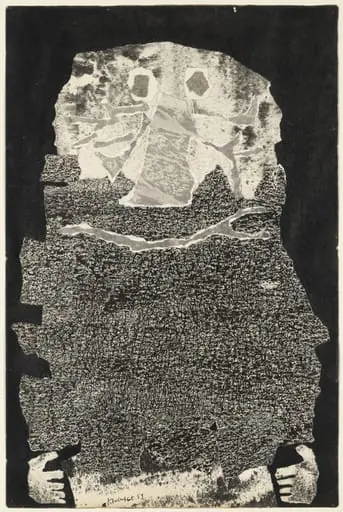 Untitled
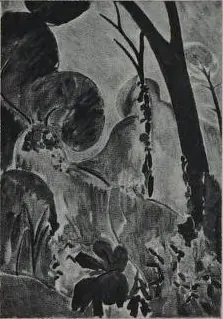 Periwinkles
 Untitled
 The Old Castle
 Landscape Resonance
 Untitled
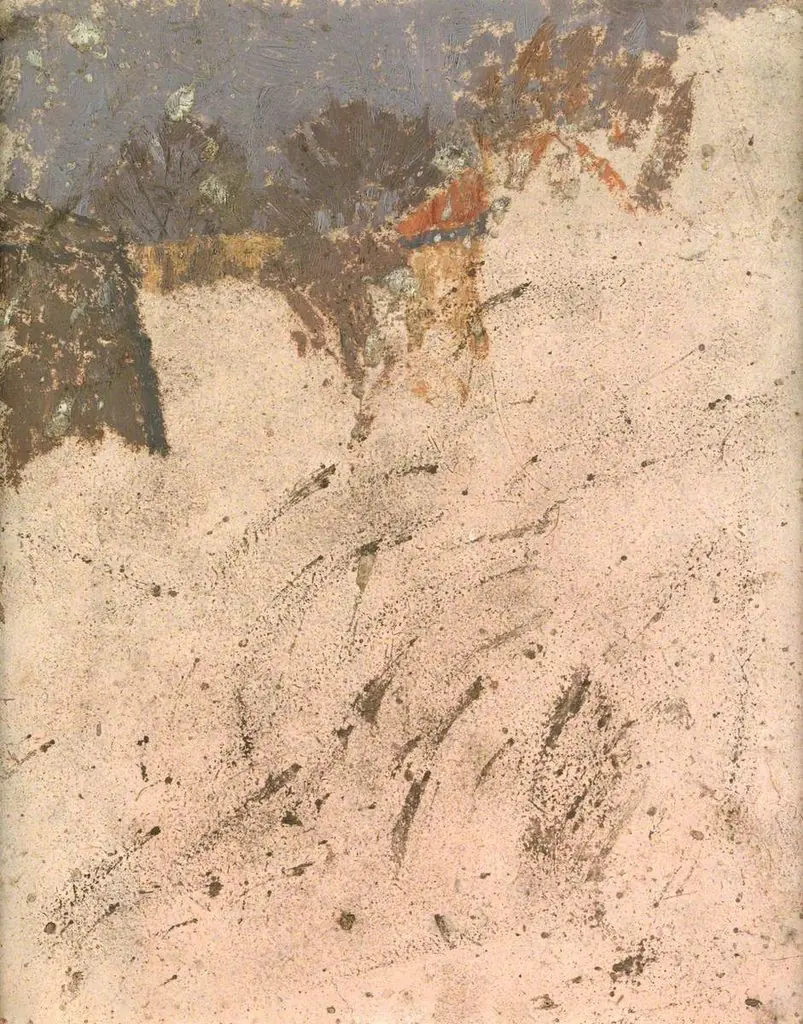 Hut with Sky and Trees: View from the Artist's Studio
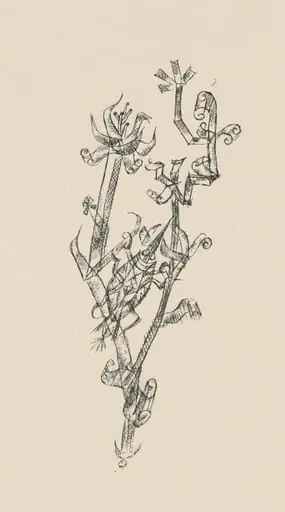 Riesenblattlaus (Giant Aphid) from Deutsche Graphiker der Gegenwart (German Printmakers of Our Time)
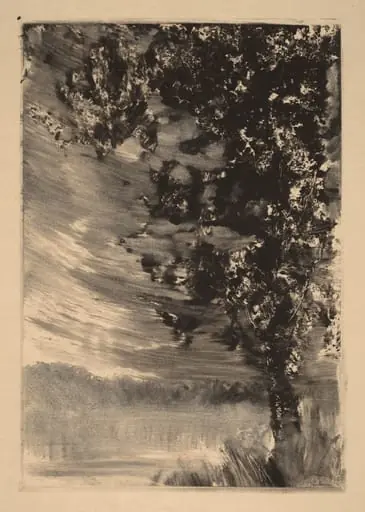 Moonlit Landscape with Tree at the Right
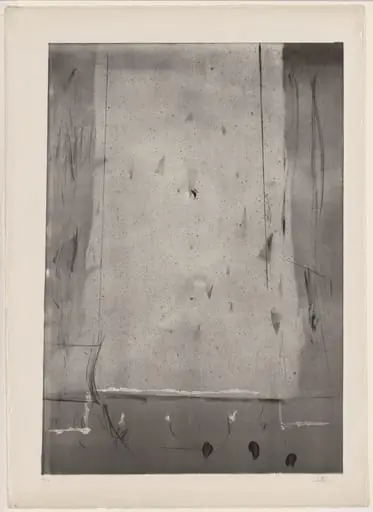 Untitled