Artwork
The Martyrdom of Saint Lawrence
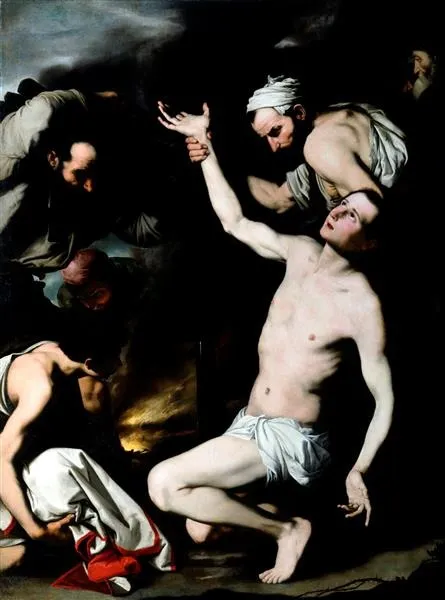
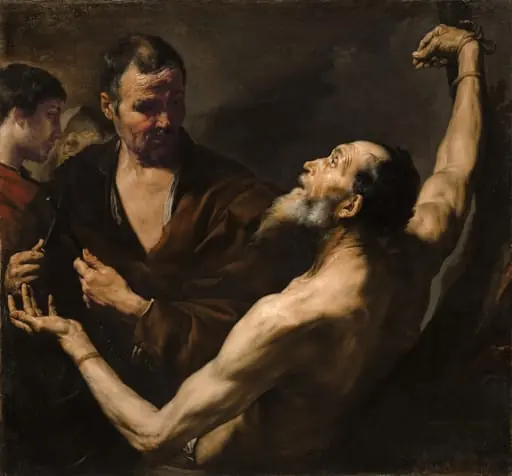
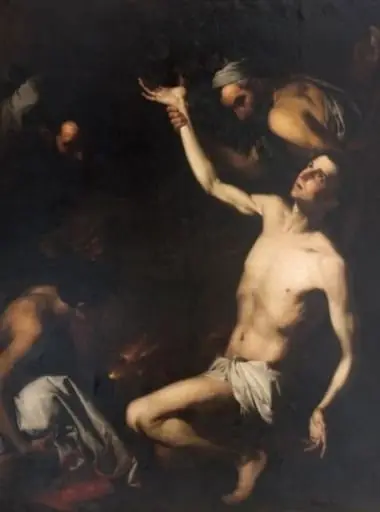
The Martyrdom of Saint Lawrence is an oil painting by the Early Baroque Italian artist Jusepe de Ribera. It dates from 1625 and is held in the collection of the Staatliche Kunstsammlungen Dresden.
About this work
Overview
Painted in 1625 by Jusepe de Ribera, this oil-on-canvas work portrays the execution of Saint Lawrence, an early Christian deacon.
Painted in 1625 by Jusepe de Ribera, this oil-on-canvas work portrays the execution of Saint Lawrence, an early Christian deacon. Ribera, a Spanish artist based in Naples, was deeply engaged with the Italian Baroque tradition. The painting is part of the Gemäldegalerie Alte Meister’s collection in Dresden, where it has remained since the 18th century. Its emotional intensity and technical precision reflect Ribera’s mastery of dramatic narrative.
Subject & Meaning
The scene captures the moment Saint Lawrence is being grilled alive as punishment for refusing to surrender Church treasures. His outstretched arms and twisted posture evoke both suffering and spiritual resolve. Two attendants restrain him, while a kneeling figure in the foreground gazes upward, embodying witness and reverence. The composition underscores the saint’s endurance as an act of faith, aligning with Counter-Reformation ideals of martyrdom as divine testimony.
Technique & Style
Ribera employs chiaroscuro to heighten the emotional impact, contrasting the warm, fleshy tones of the figures against a near-black background. The lighting sculpts the body of Saint Lawrence with sharp definition, emphasizing musculature and tension. Brushwork is direct and tactile, particularly in the rendering of skin and fabric. The absence of ornate detail focuses attention on physical and psychological realism, characteristic of Ribera’s tenebrist approach.
History & Provenance
Commissioned during Ribera’s mature period in Naples, the painting entered the Saxon royal collection in the 1740s, likely through diplomatic or artistic channels. It was cataloged in Dresden by the late 18th century and has remained in the Gemäldegalerie Alte Meister since. Its survival through wars and reorganizations reflects its recognized significance within early modern European collections, though no early documentation of its original patron survives.
Context
Created during the height of the Counter-Reformation, the painting responds to Catholic efforts to reaffirm the veneration of saints through visceral imagery. Ribera’s style, influenced by Caravaggio and Neapolitan realism, diverged from idealized religious art by emphasizing bodily suffering and raw humanity. His work resonated with audiences seeking emotional immediacy in devotional scenes, distinguishing him from more classical contemporaries.
Legacy
The painting exemplifies Ribera’s role in shaping Spanish Baroque painting through his Italian training and unflinching naturalism. While less widely known than Velázquez or Murillo, his influence on later Spanish artists and his contribution to the development of tenebrism in southern Europe remain significant. The work continues to be studied for its psychological depth and technical command, serving as a touchstone for understanding 17th-century religious art beyond the Italian core.
Artist & collection
Artist
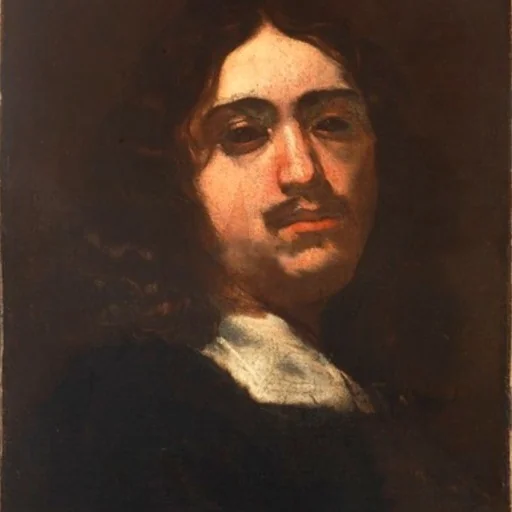
Jusepe de Ribera (Valencian: ; baptised 17 February 1591 – 3 November 1652) was a Spanish painter and printmaker.