Artwork
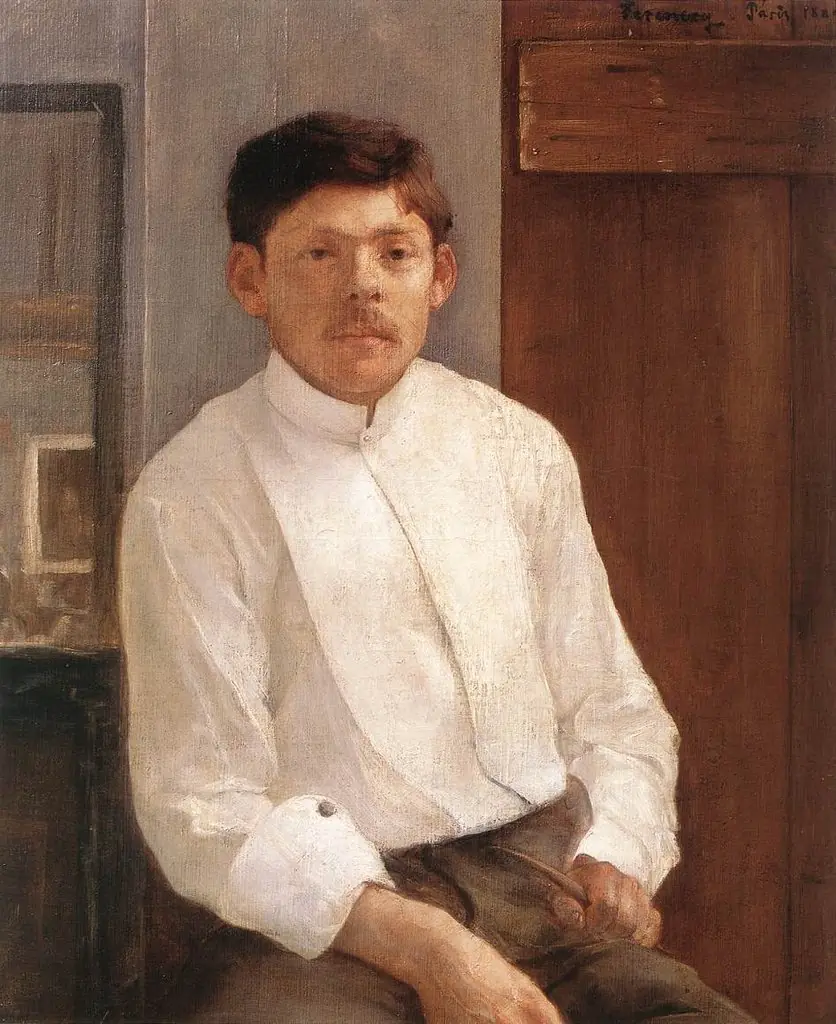
Self-portrait (in the Atelier)
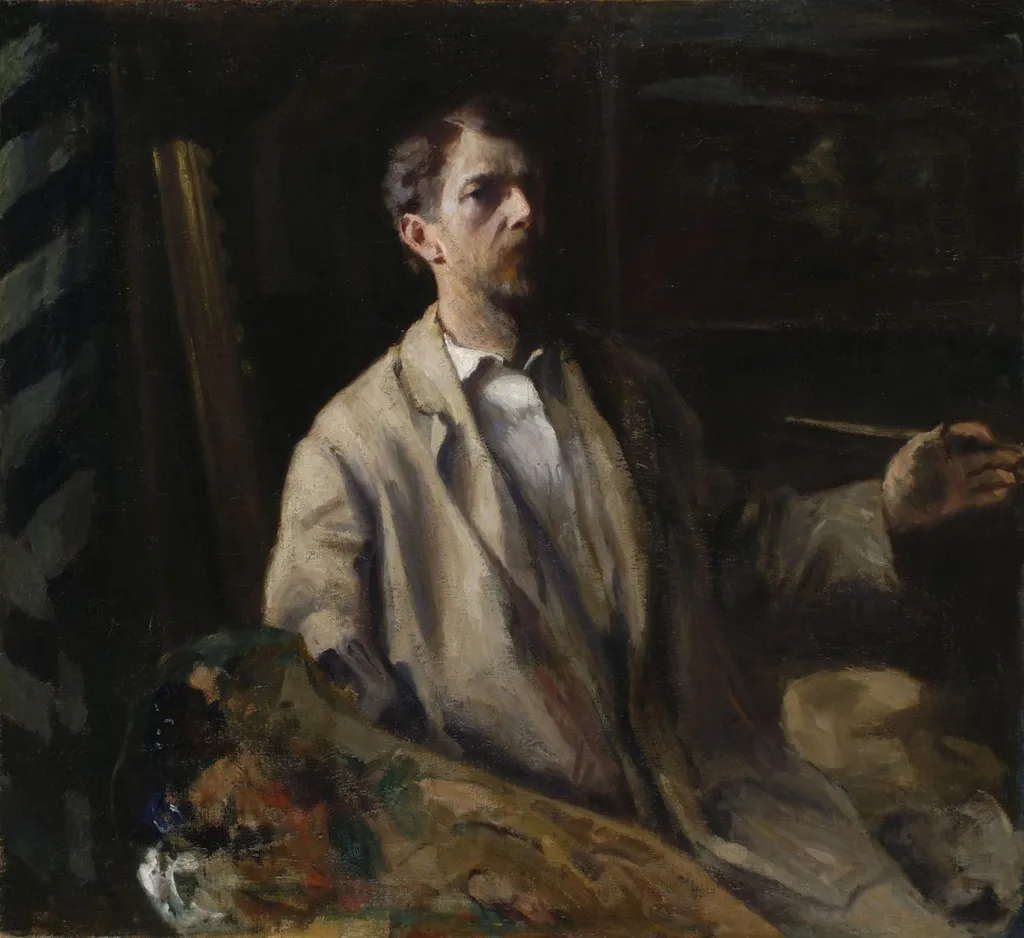
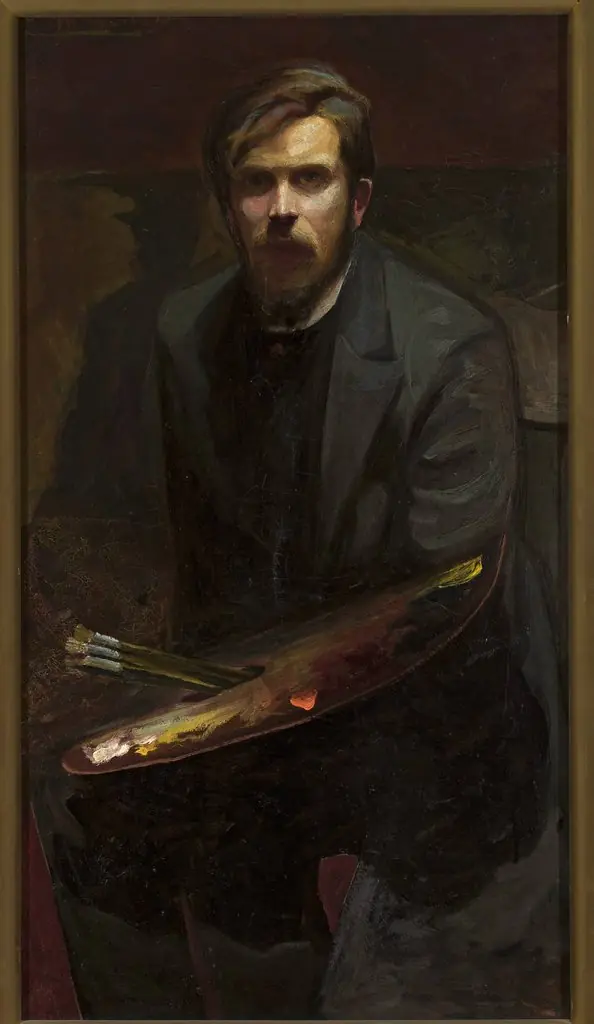
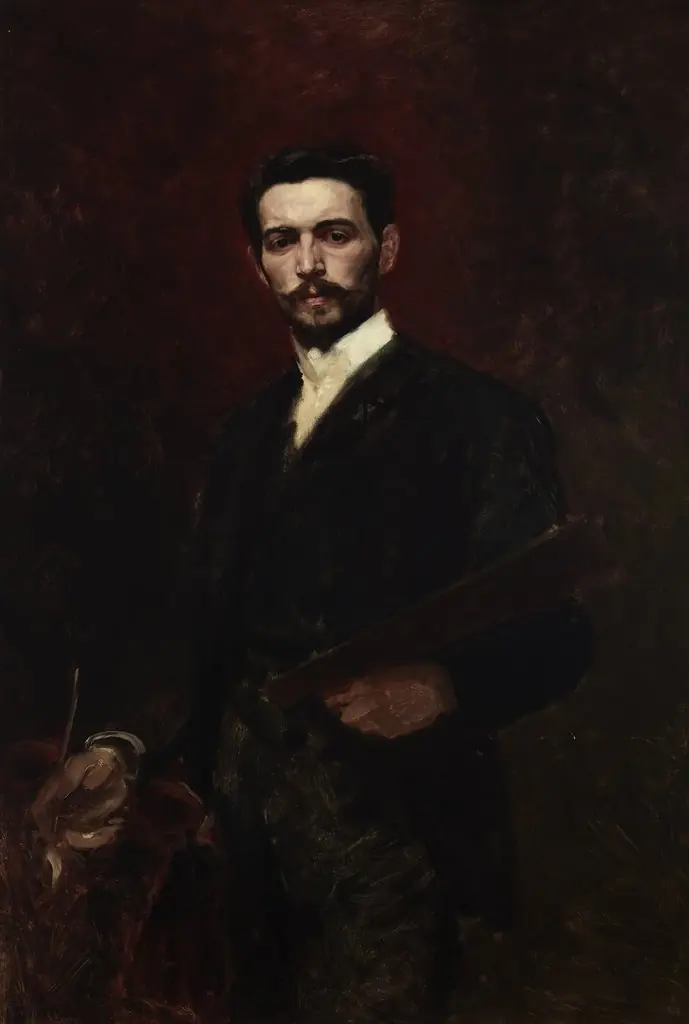
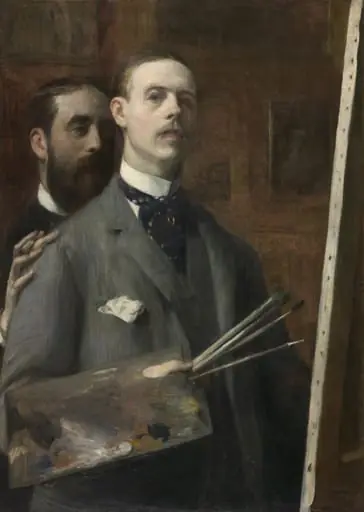
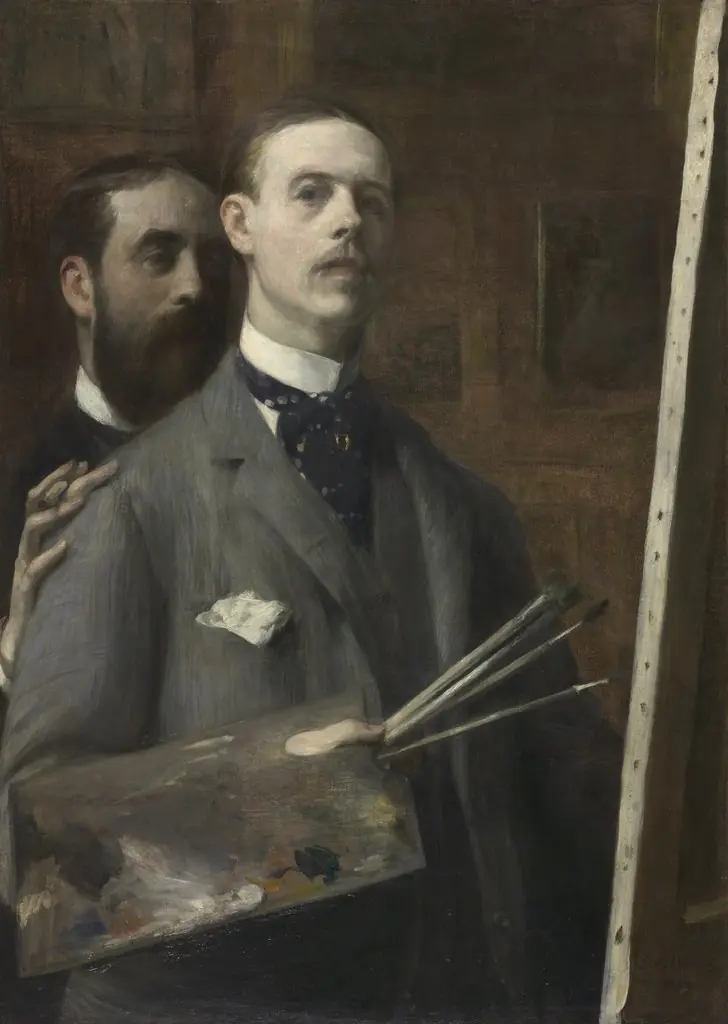
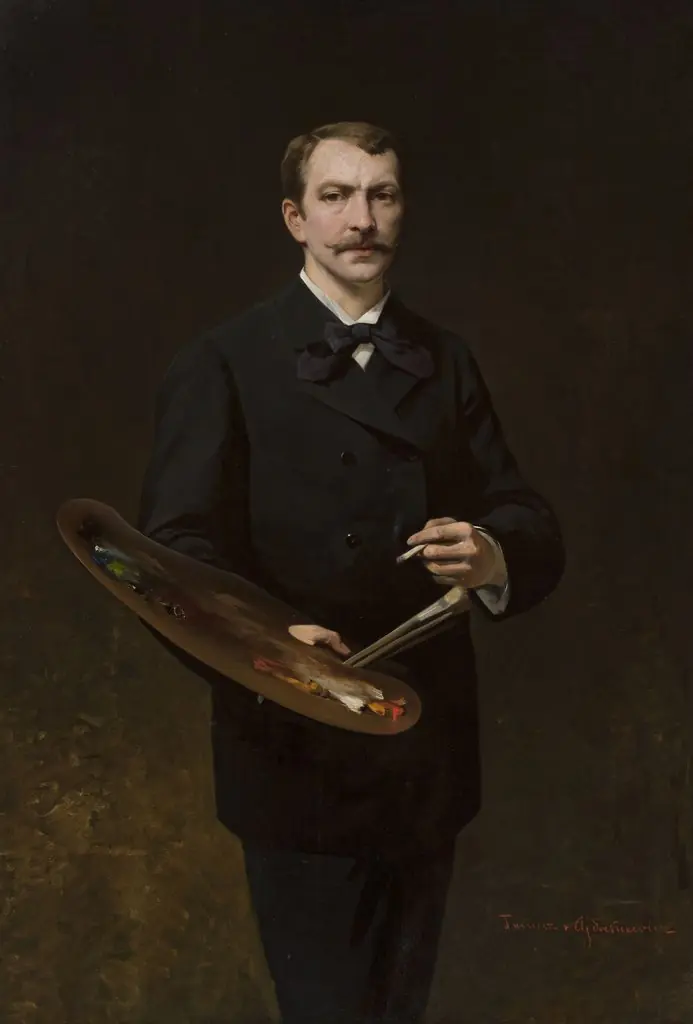
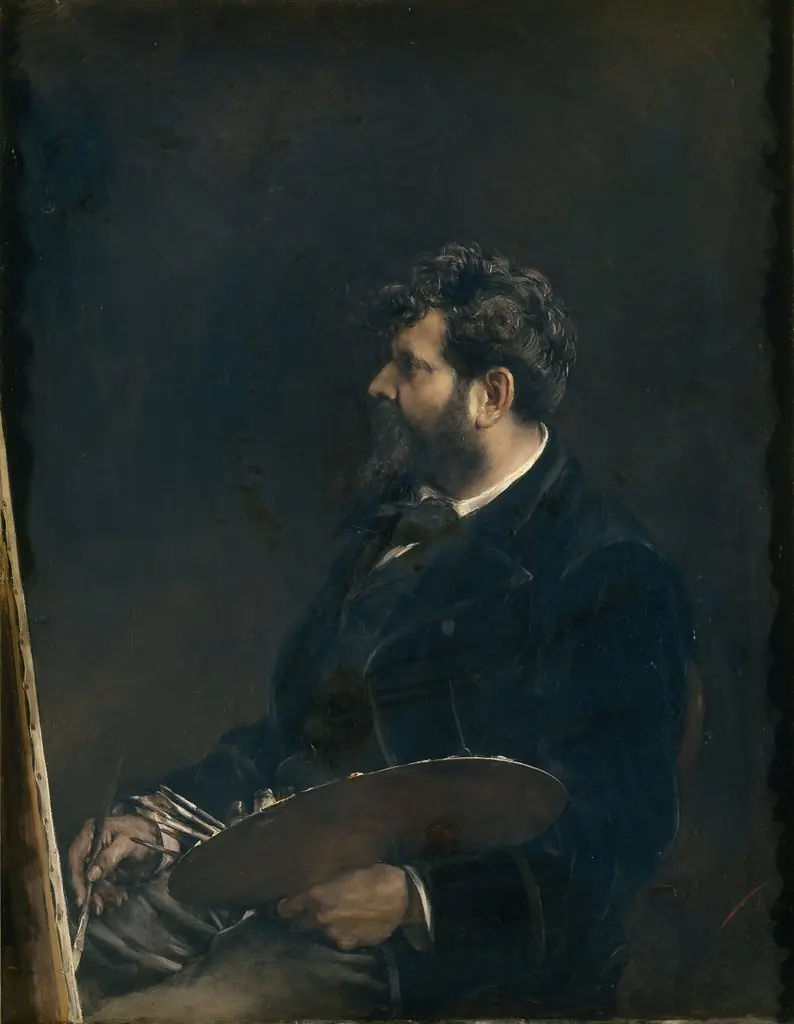
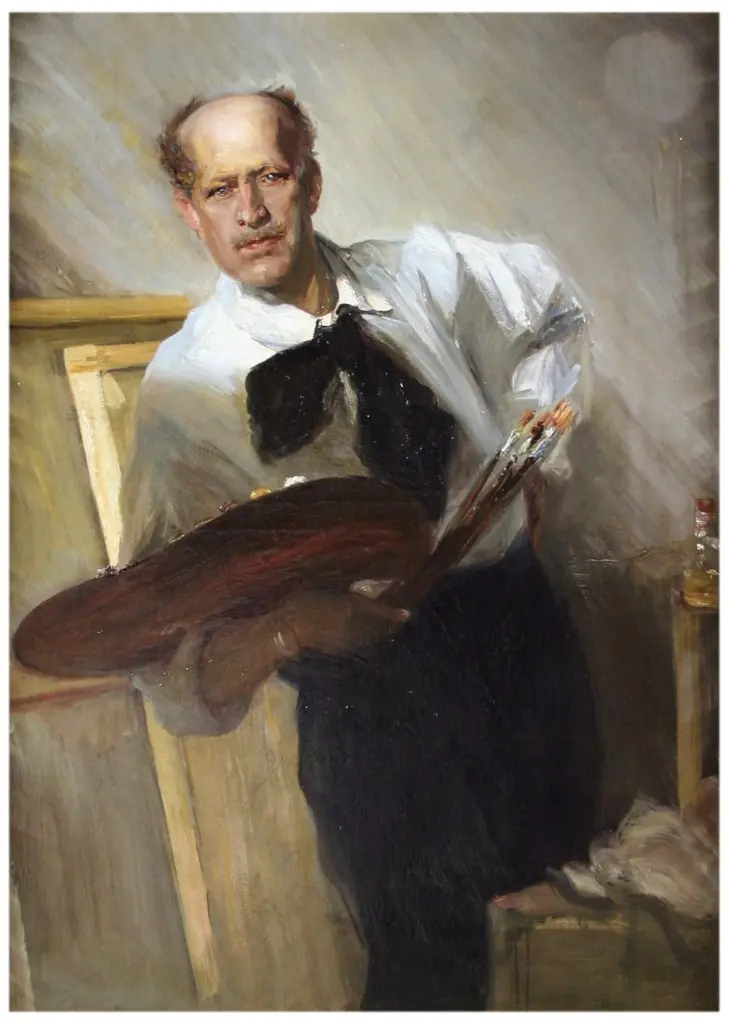
Self-portrait (in the Atelier) is an oil painting by the Post-Impressionist artist Károly Ferenczy. It dates from 1903 and is held in the collection of the Hungarian National Gallery.
About this work
Overview
As a founder of the Nagybánya artists’ colony, he helped shift Hungarian painting away from academic traditions toward more modern, observational approaches.
Károly Ferenczy painted this self-portrait in 1903, capturing himself in his studio during a pivotal moment in Hungarian art. As a founder of the Nagybánya artists’ colony, he helped shift Hungarian painting away from academic traditions toward more modern, observational approaches. The work reflects his personal engagement with artistic practice and his role in cultivating a new national visual language.
Subject & Meaning
Ferenczy portrays himself seated in his workspace, brush in hand, as if caught mid-creation. The setting is not idealized but intimate and unadorned, emphasizing the artist’s daily reality. His focused gaze and poised gesture suggest introspection and dedication, positioning the studio not merely as a room but as the site of artistic identity and labor.
Technique & Style
The painting employs strong chiaroscuro to model form and direct attention. Light falls sharply across the artist’s face and right arm, contrasting with deep, enveloping shadows that obscure the studio’s periphery. This dramatic lighting, influenced by post-impressionist and realist traditions, enhances the psychological weight of the scene while grounding it in tangible space.
History & Provenance
Created after Ferenczy had established the Nagybánya colony, the portrait emerged during a period of intense artistic experimentation in Hungary. It remained in the artist’s possession until entering the Hungarian National Gallery’s collection, where it now serves as a key example of early 20th-century Hungarian modernism and the colony’s enduring influence.
Context
In the early 1900s, Hungarian artists sought to define a distinct national style beyond imperial academic norms. Ferenczy’s studio portrait aligns with broader European trends of self-representation among modern painters, yet it is rooted in local conditions: rural workshops, plein air practice, and a rejection of urban salon conventions.
Legacy
The painting endures as a quiet testament to Ferenczy’s leadership in Hungarian modernism. It influenced subsequent generations by affirming the artist’s studio as a legitimate subject and by demonstrating how light, shadow, and composition could convey inner resolve without theatricality. Its presence in the national collection underscores its canonical status in Hungarian art history.
Artist & collection
Artist
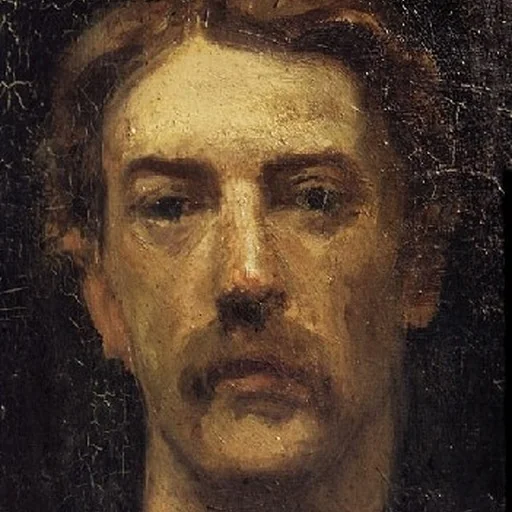
Károly Ferenczy (February 8, 1862 – March 18, 1917) was a Hungarian painter and leading member of the Nagybánya artists' colony.