Artwork
Battle-piece
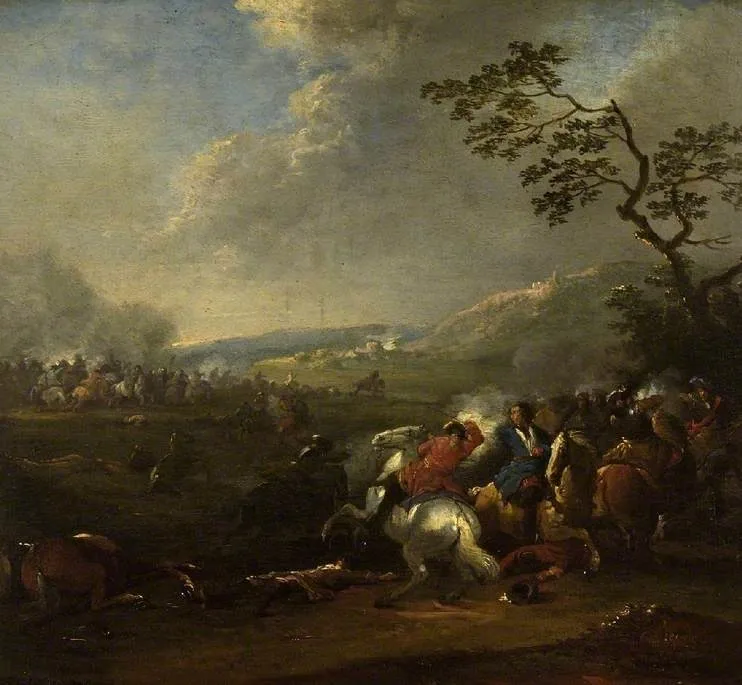
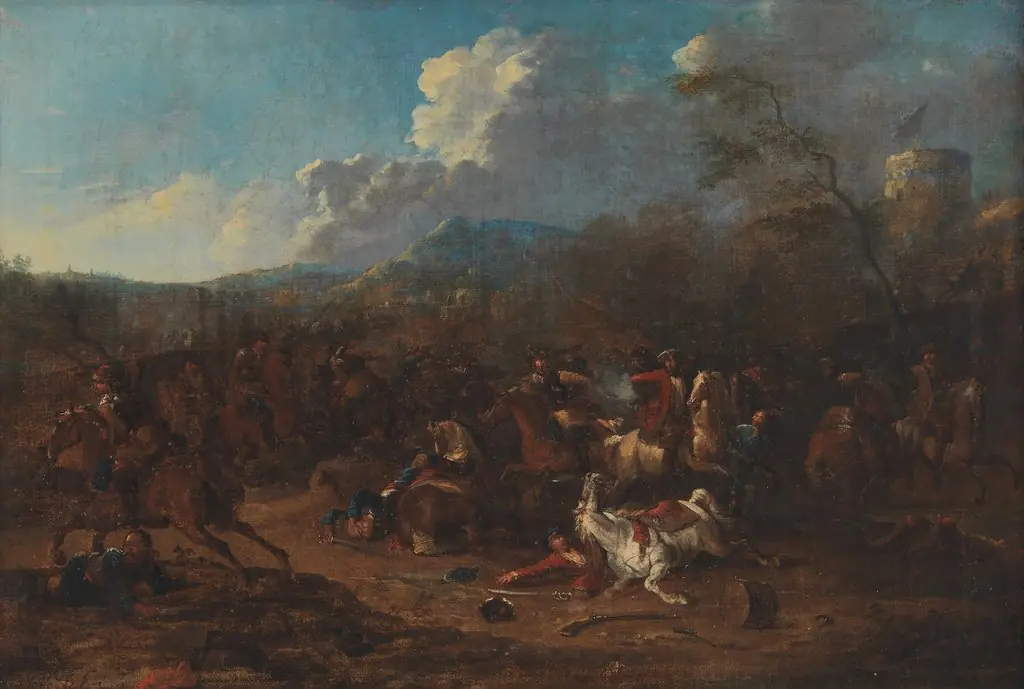
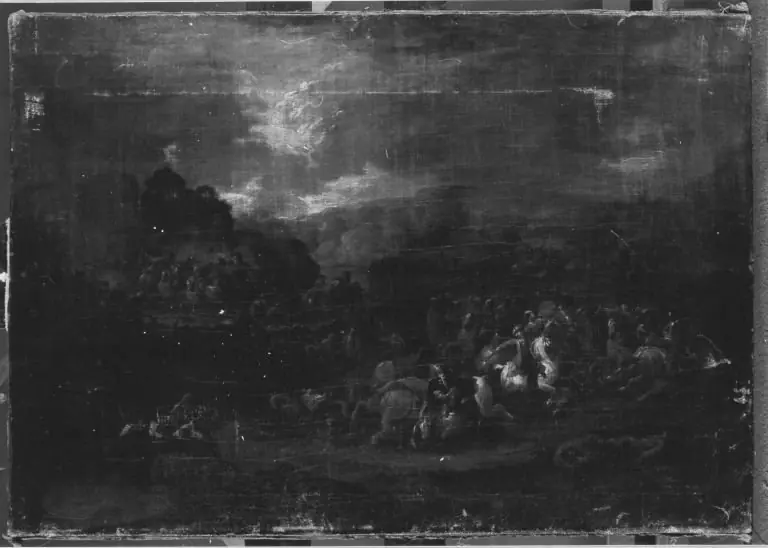
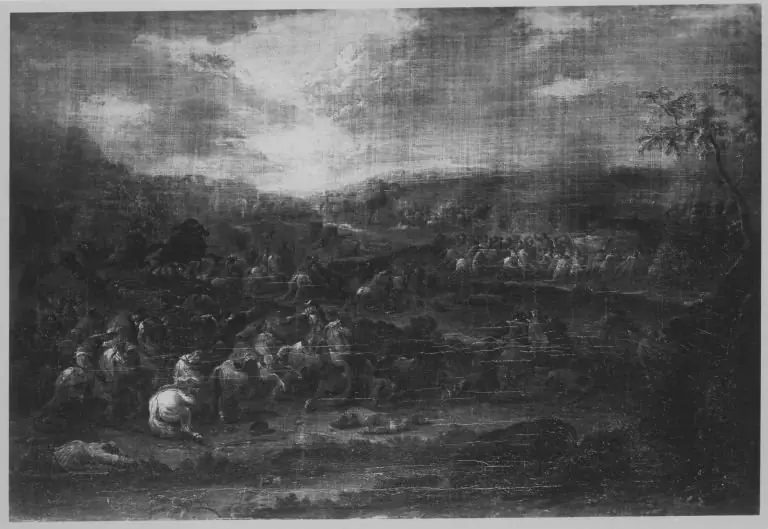
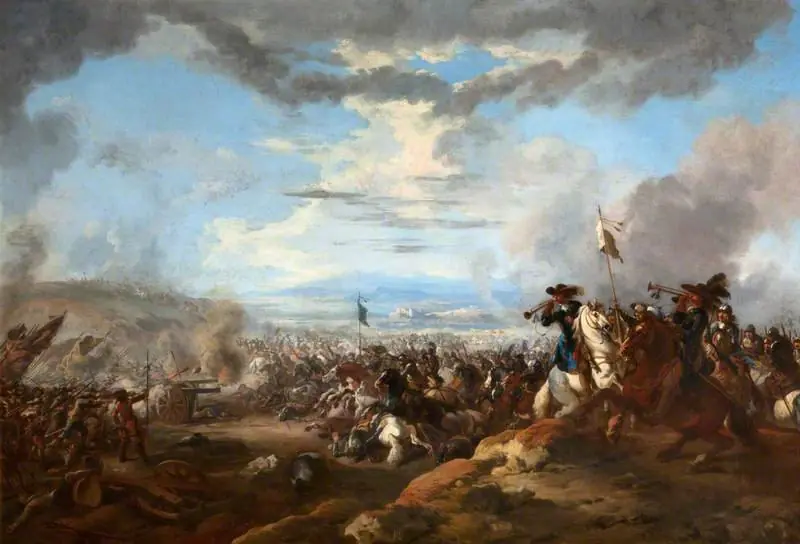
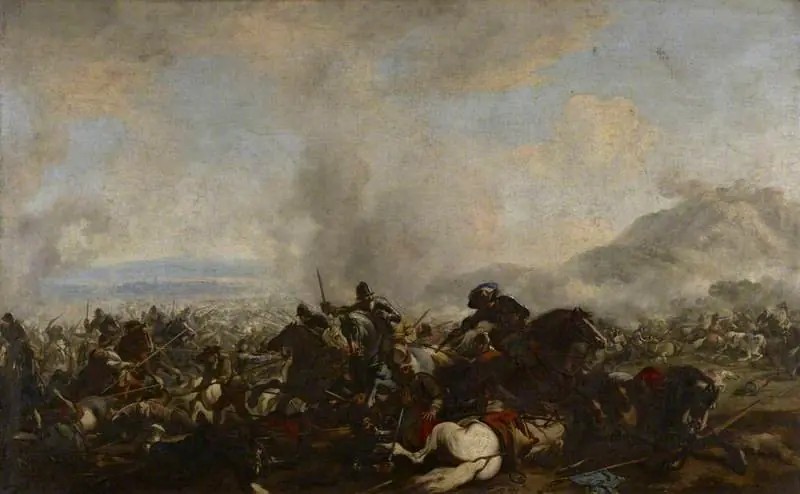
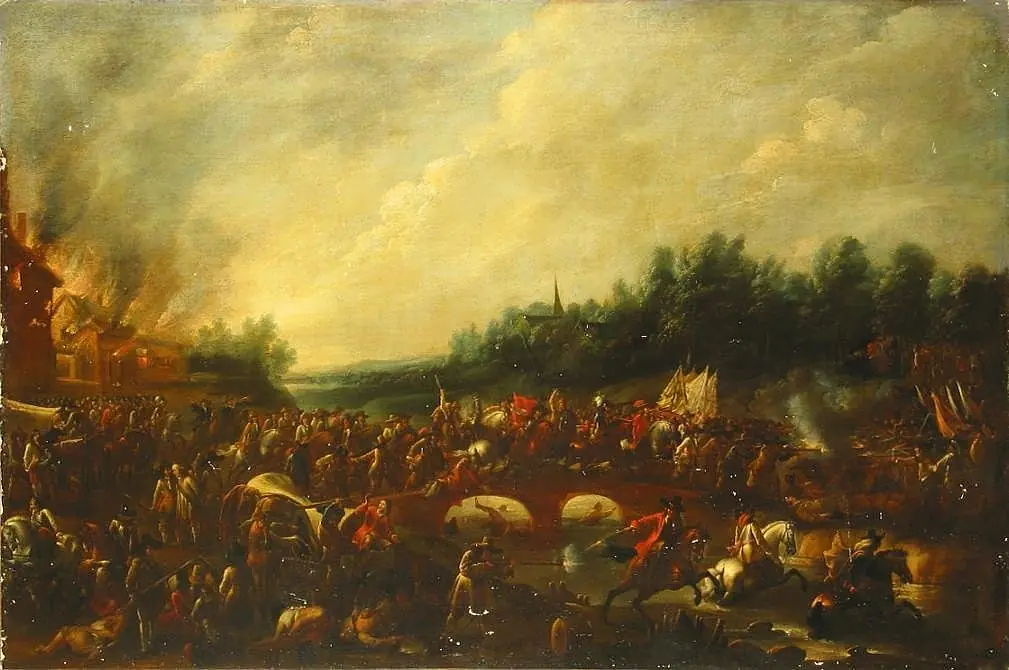
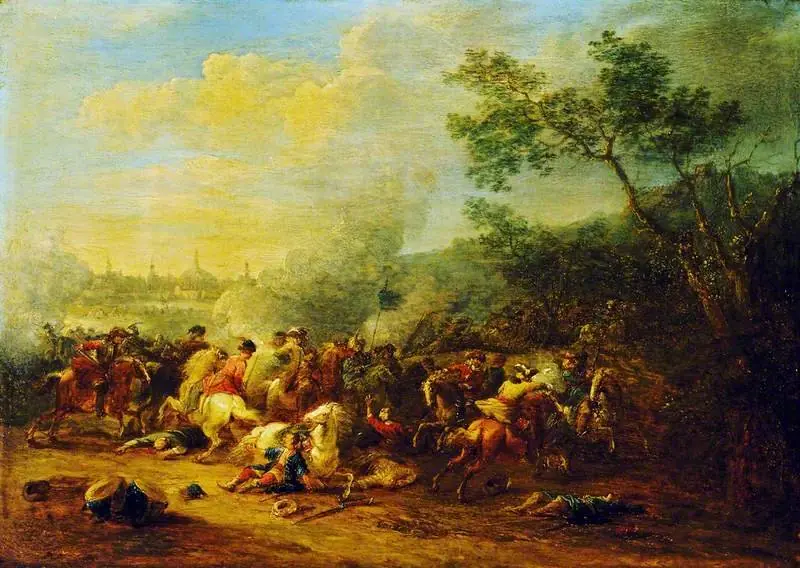
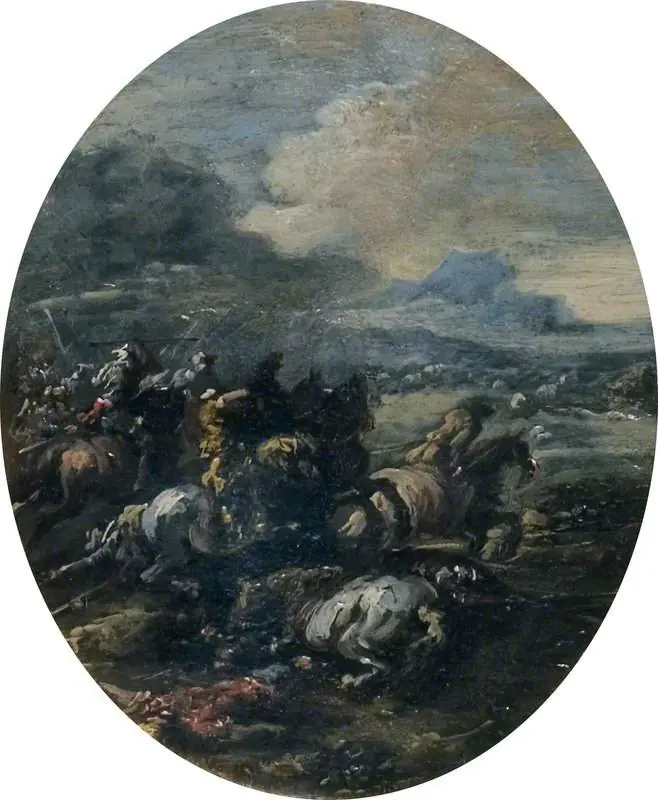
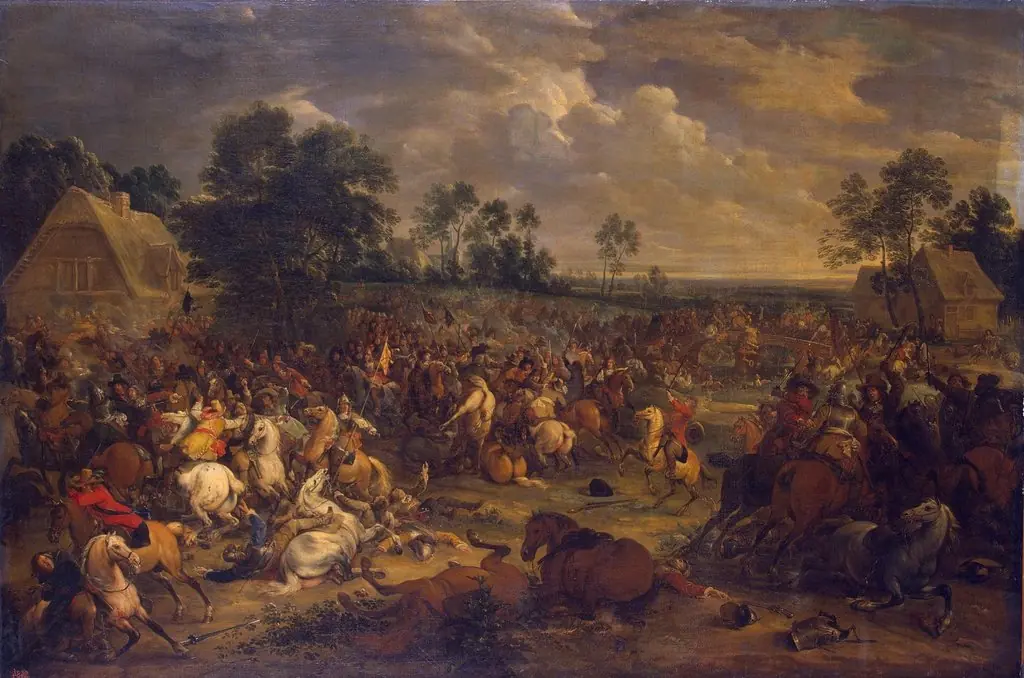
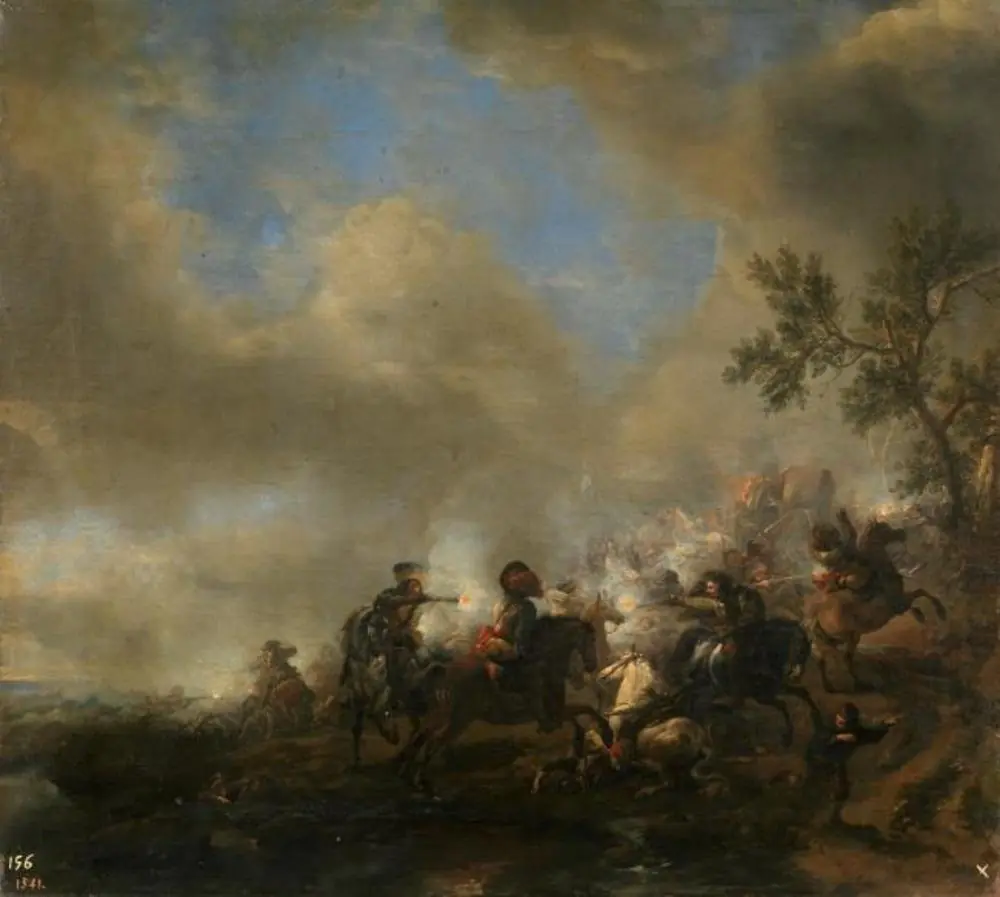
Battle-piece is an oil painting by the Flemish Baroque painting artist Karel Breydel. It dates from 1715 and is held in the collection of the Fitzwilliam Museum.
About this work
Overview
Known for his focus on military themes, Breydel’s work reflects the enduring Flemish tradition of depicting warfare with kinetic energy and narrative detail.
Karel Breydel, a Flemish artist active in Antwerp around the turn of the 18th century, produced this oil painting titled *Battle-piece* in 1715. Known for his focus on military themes, Breydel’s work reflects the enduring Flemish tradition of depicting warfare with kinetic energy and narrative detail. The painting belongs to the history painting category and is part of the Fitzwilliam Museum’s collection, where it remains a representative example of his oeuvre.
Subject & Meaning
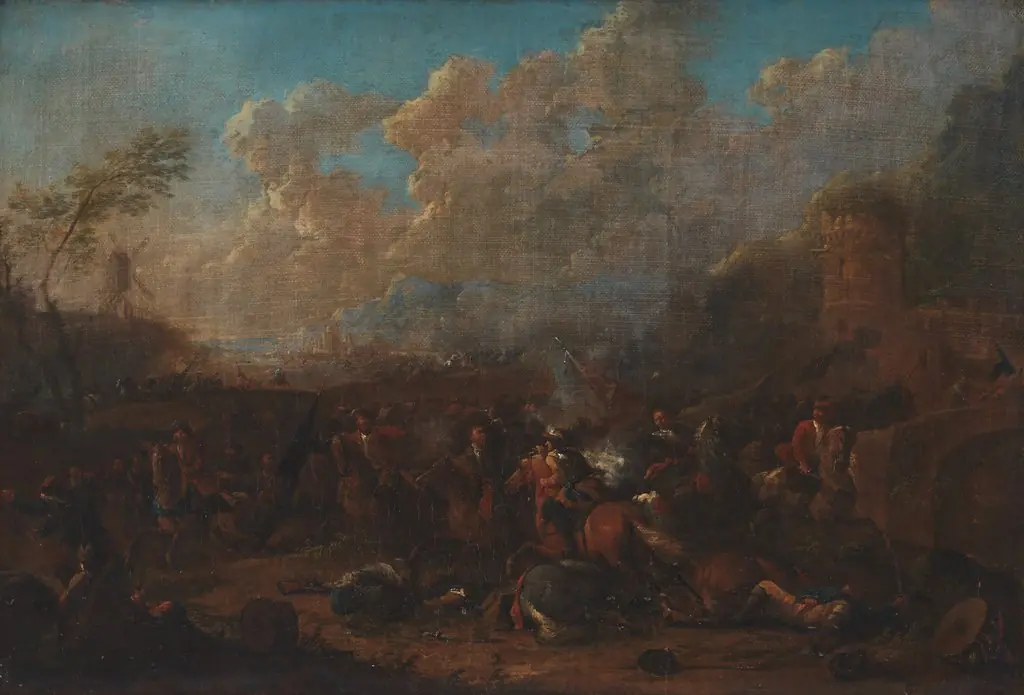
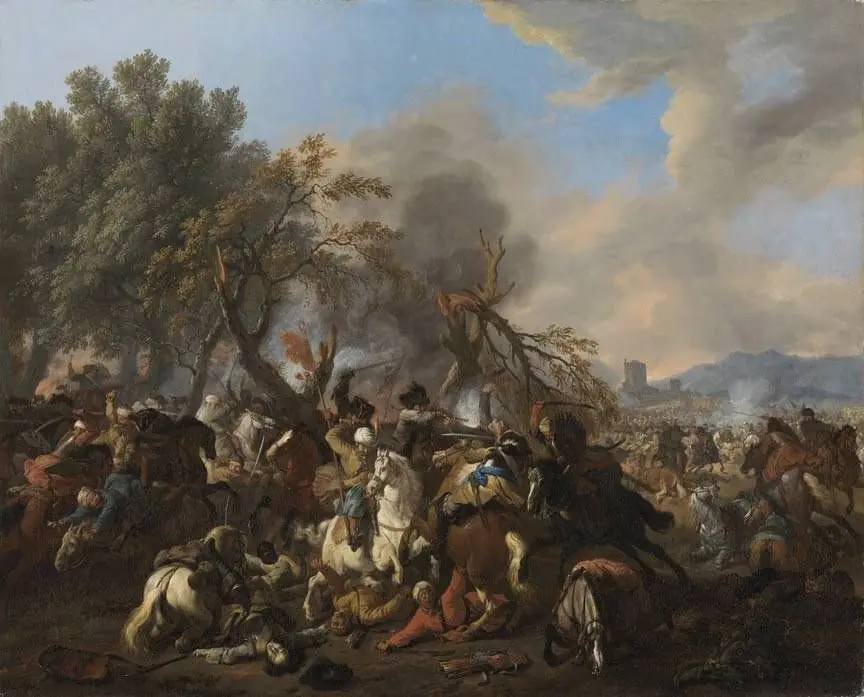
The scene captures a chaotic cavalry engagement in an open landscape, with riders in red and blue uniforms clashing amid rearing horses and fallen combatants. The composition emphasizes disorder and violence, typical of battle scenes meant to convey the turmoil of war rather than glorify victory. Fallen figures in the foreground suggest the human cost, while the cloudy sky and distant trees frame the action without offering clear resolution or heroism.
Technique & Style
Executed in oil, the painting displays meticulous attention to detail in facial expressions, horse musculature, and fabric textures. Breydel employs dynamic brushwork to convey motion, with figures and animals scattered across the canvas in conflicting directions. The palette is muted yet layered, using earth tones and subdued contrasts to enhance the grim realism of the scene, aligning with Baroque tendencies toward dramatic intensity.
History & Provenance
Created in 1715, the painting entered the Fitzwilliam Museum’s collection through documented acquisition, though its earlier ownership remains unrecorded. Breydel, sometimes called 'Le Chevalier,' was known locally for his battle scenes, but few of his works survive in public collections. This piece is among the better-preserved examples of his output, offering insight into Flemish military painting during a period of relative artistic transition.
Context
In early 18th-century Flanders, battle painting remained a respected genre, influenced by earlier masters like Rubens and Van der Meulen. Though political conflicts had diminished, the visual language of warfare persisted in art as both historical record and aesthetic exercise. Breydel’s work reflects this continuity, catering to collectors who valued detailed, action-filled compositions over idealized narratives.
Legacy
Breydel’s *Battle-piece* contributes to the understanding of Flemish military painting beyond its most famous practitioners. While not widely exhibited, the work preserves the conventions of its time: realism in movement, emotional restraint, and a focus on the physicality of combat. It stands as a quiet testament to a specialized artistic niche that flourished in Antwerp’s workshop culture.
Artist & collection
Artist
Karel Breydel or Carel Breydel, called 'Le Chevalier' (1678 in Antwerp – 1733 in Antwerp) was a Flemish painter of battle pieces, equestrian paintings and landscapes.