Artwork
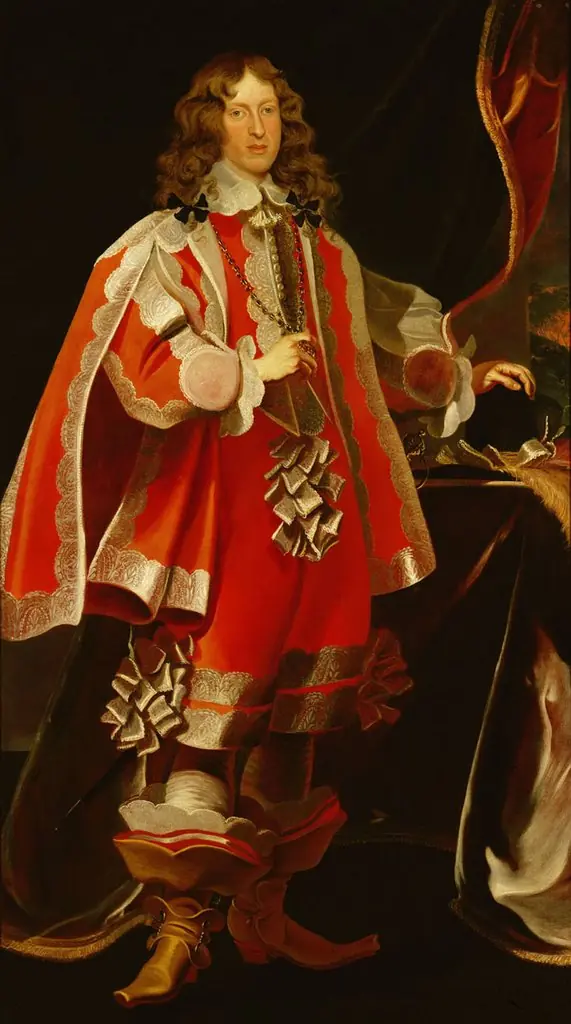
Archduke Ferdinand Karl d'Este (1754-1806) in St. Stephen's Cathedral
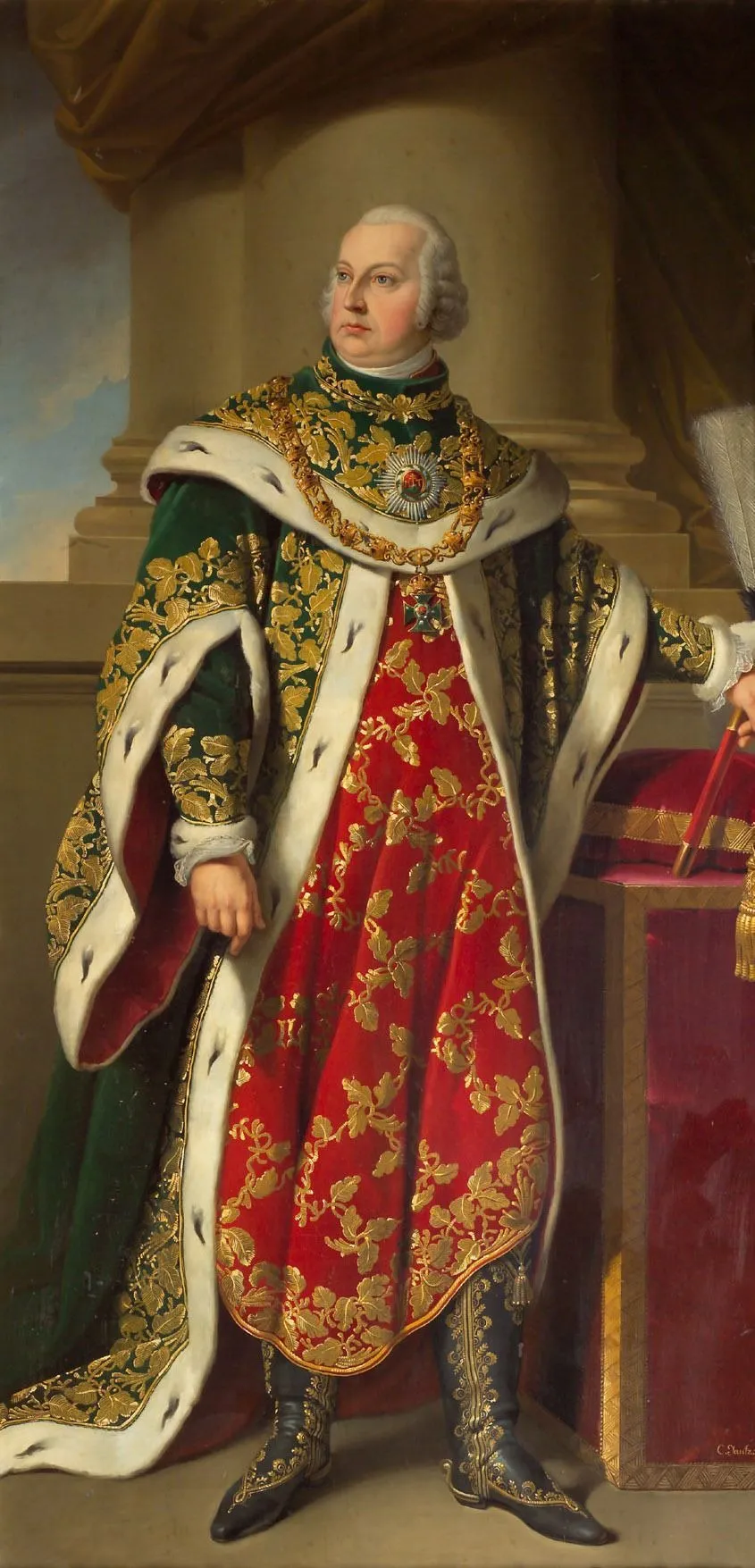
Archduke Ferdinand Karl d'Este (1754-1806) in St. Stephen's Cathedral is a paint painting by Karl Jautz. It dates from 1831 and is held in the collection of the Kunsthistorisches Museum.
About this work
Overview
Painted in 1831 by Karl Jautz, this portrait captures Archduke Ferdinand Karl d'Este within the interior of St.
Painted in 1831 by Karl Jautz, this portrait captures Archduke Ferdinand Karl d'Este within the interior of St. Stephen's Cathedral in Vienna. Though the sitter died in 1806, the work was created decades later, likely as a commemorative piece. It belongs to the collection of the Kunsthistorisches Museum and reflects 19th-century efforts to visually reinforce Habsburg dynastic presence through ceremonial imagery.
Subject & Meaning
Ferdinand Karl, a member of the Austria-Este branch of the Habsburg family, is depicted in full ceremonial regalia, suggesting his ecclesiastical and noble status. The red and gold robes, fur-lined cape, and staff imply authority, while the open book may reference religious duty or legal responsibility. Positioned within a sacred space, the image aligns his identity with the institutional power of the Church and the monarchy.
Technique & Style
Jautz employed impasto to render the texture of the archduke’s garments, particularly the richly patterned fabric and fur, giving them a tactile, almost sculptural presence. Gold leaf accents catch the light with subtle luminosity, enhancing the opulence of the attire. The background remains muted and atmospheric, with soft modeling of architectural elements to direct focus toward the figure’s detailed costume and composed posture.
History & Provenance
Commissioned after Ferdinand Karl’s death, the painting was likely intended to honor his legacy within the Habsburg court. It entered the Kunsthistorisches Museum’s collection in the 19th century, where it was preserved as part of a broader effort to document imperial figures. Its creation decades after the sitter’s lifetime suggests a retrospective, rather than contemporary, intent.
Context
In early 19th-century Vienna, portraiture of royalty often served political and cultural memory, especially after the Napoleonic Wars. Depicting nobility within sacred architecture reinforced the alliance between church and state. Jautz’s work aligns with this trend, using religious setting and ceremonial dress to elevate the archduke’s status beyond mere likeness into symbolic representation.
Legacy
The painting remains a documented example of posthumous dynastic portraiture in the Habsburg tradition. While not widely exhibited, it contributes to scholarly understanding of how noble identity was visually constructed in the decades following the empire’s political upheavals. Its technical precision and symbolic content offer insight into the aesthetics of commemoration in early 19th-century Austria.
Artist & collection

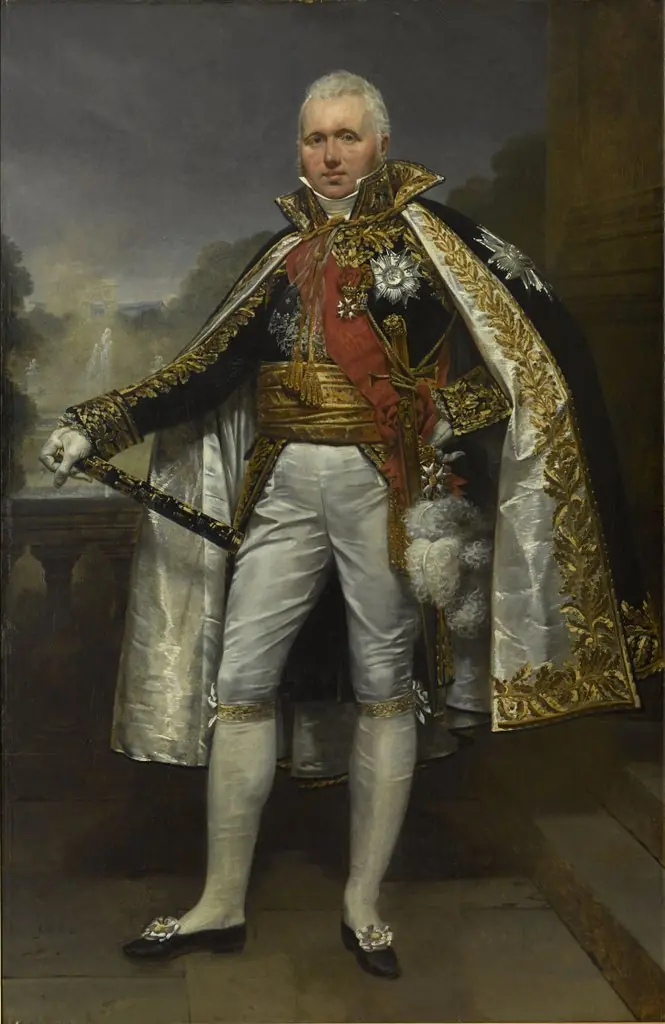 Claude-Victor Perrin, Duke of Bellune, Marshal of France
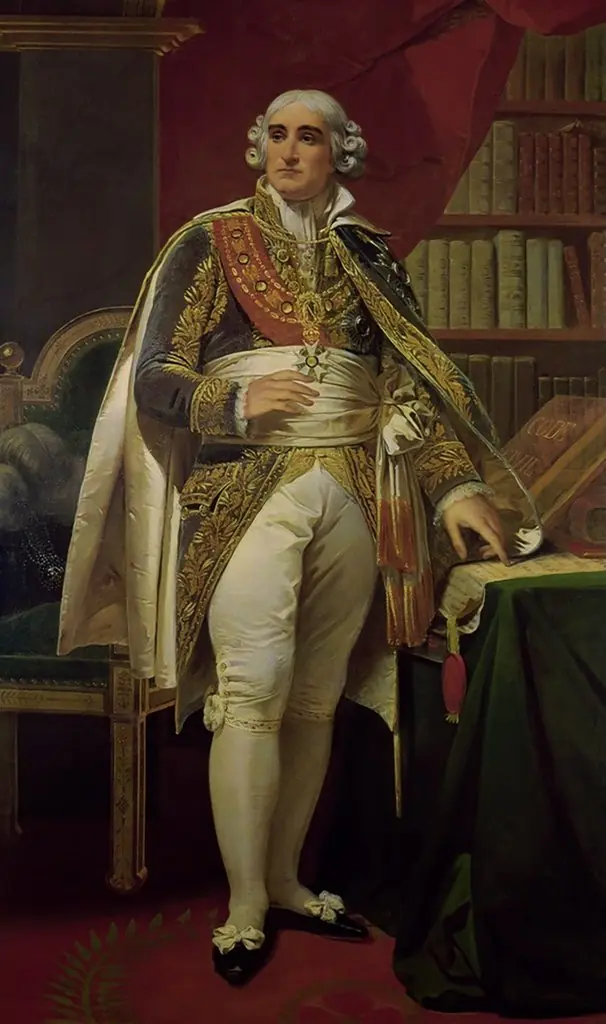 Portrait de Parme, duc de Cambacérès, Archichancelier de l'Empire
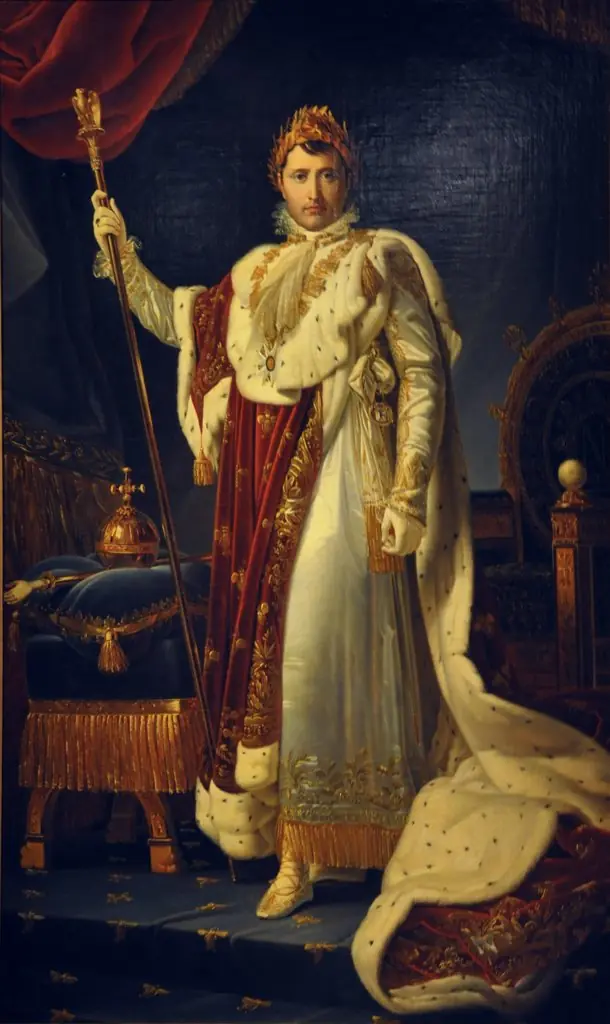 Napoleon in Coronation Robes
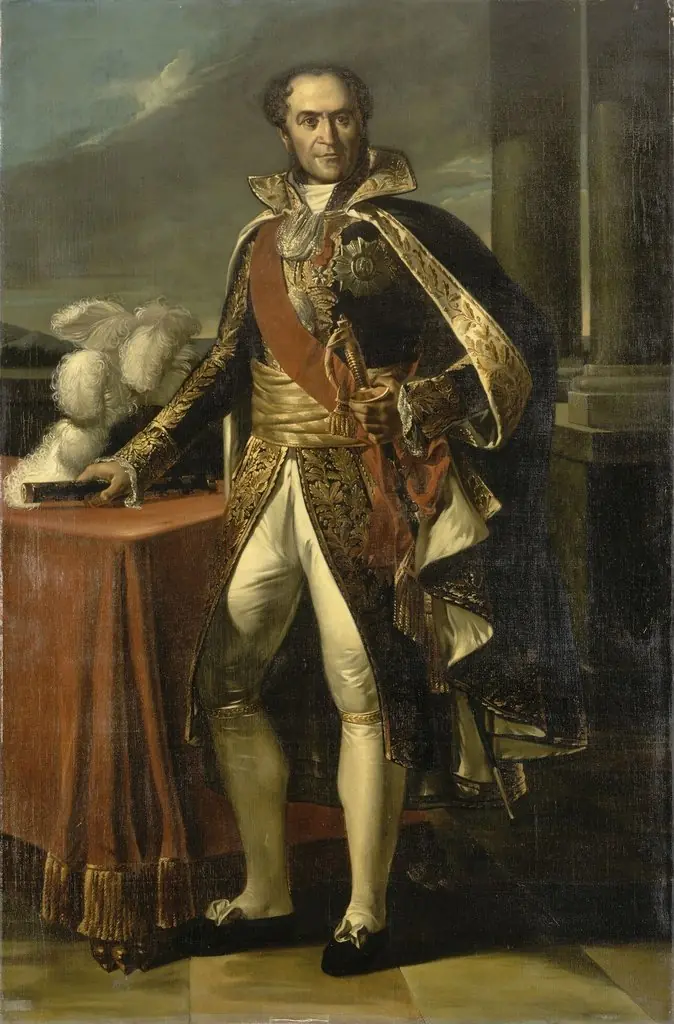 Guillaume-Marie-Anne, maréchal Brune
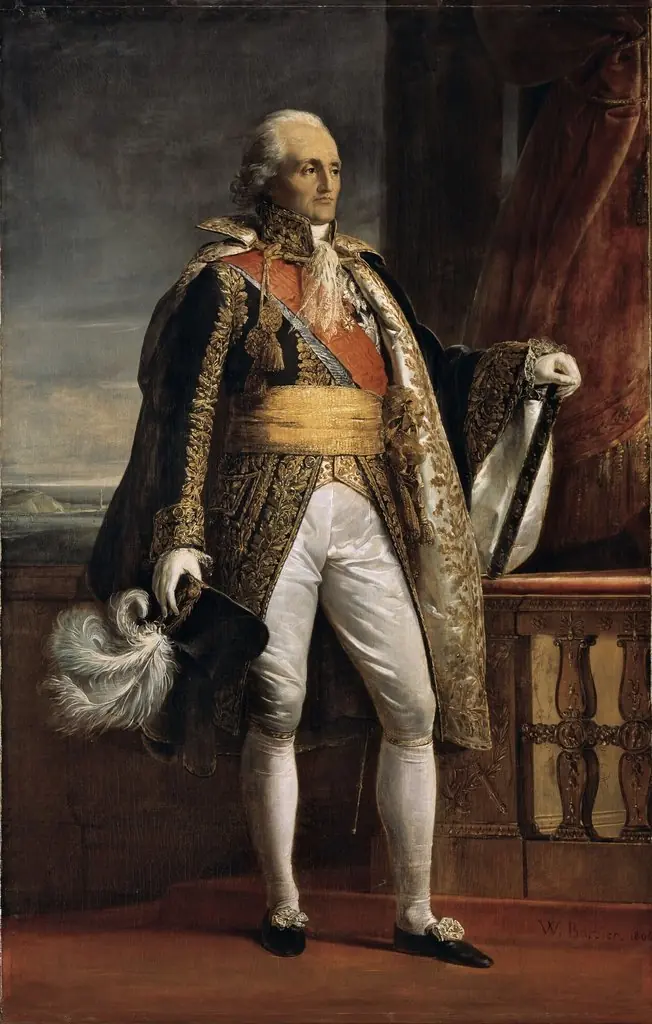 Bon Adrien Jeannot de Moncey, Duc de Conegliano, Marshal of France
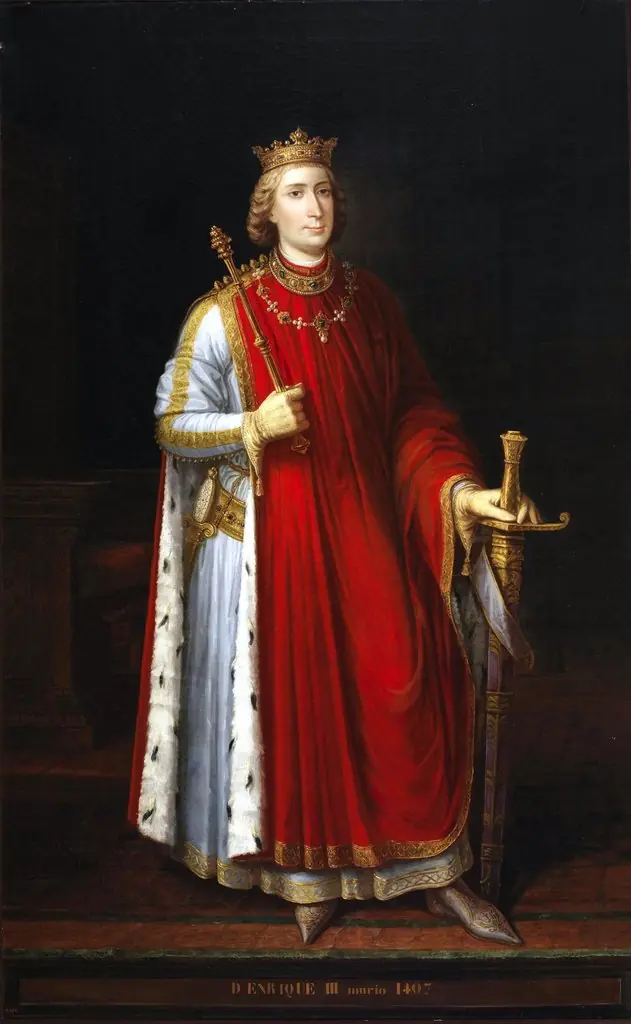 Enrique III el Doliente
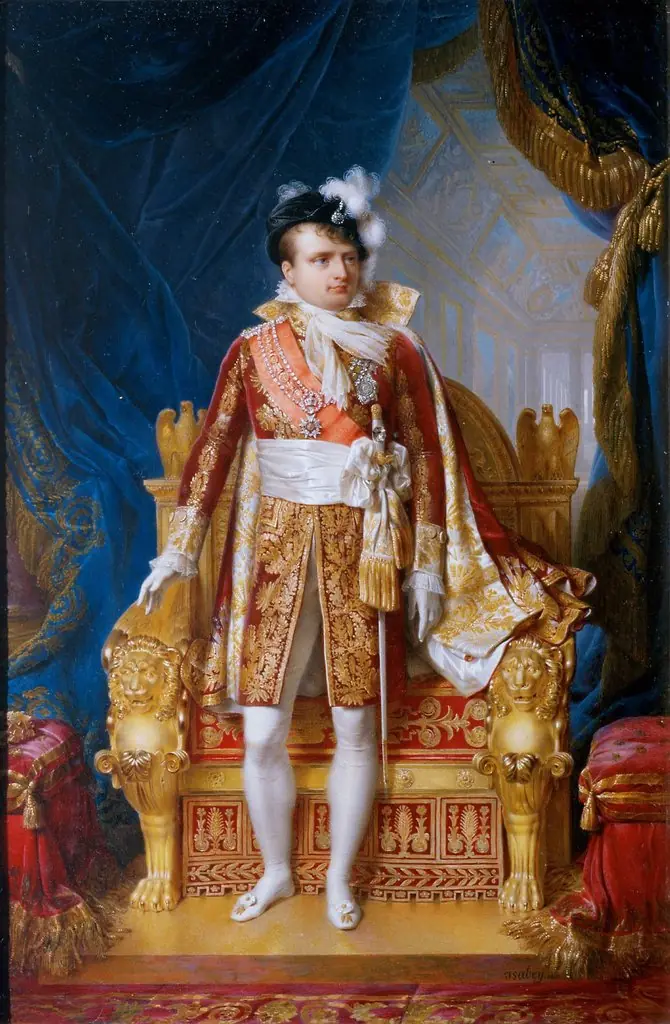 emperor Napoleon
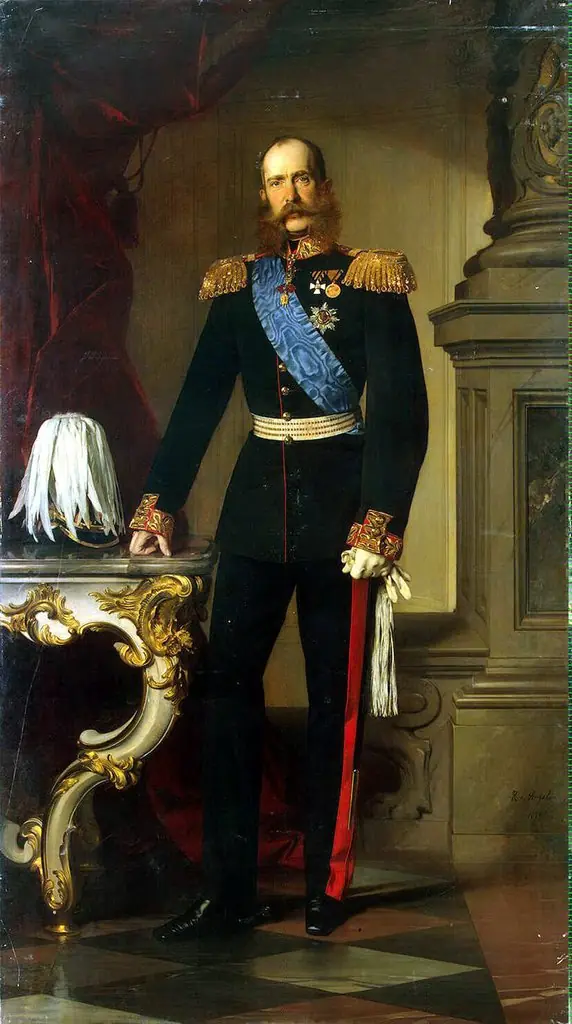 Portrait of Franz Josef I, Emperor of Austria
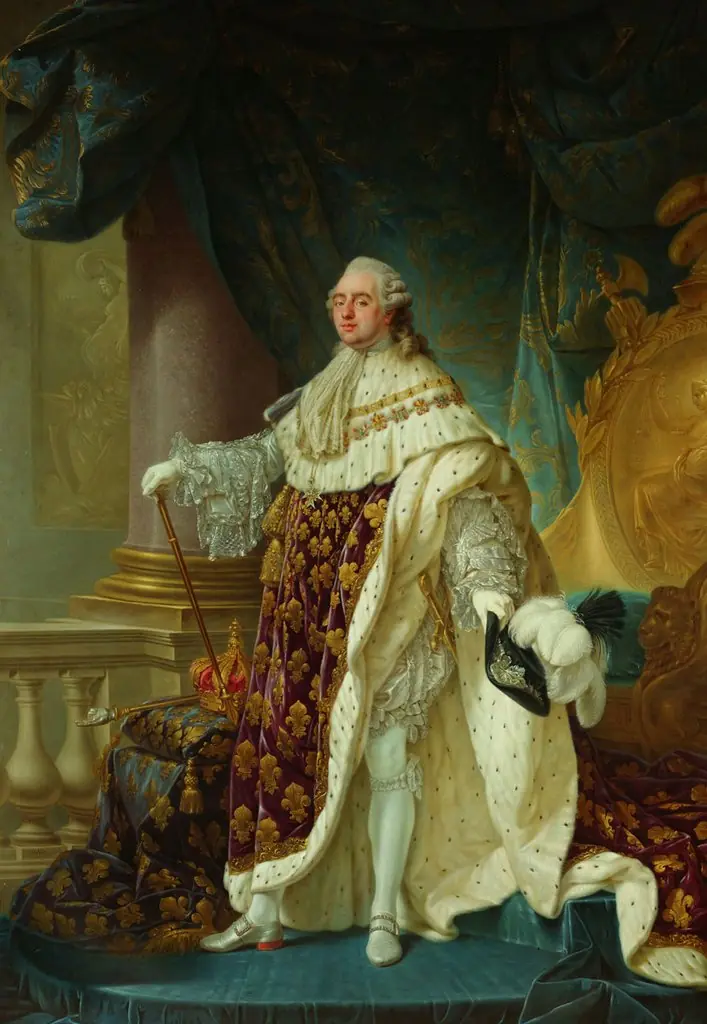 Portrait of Louis XVI of France
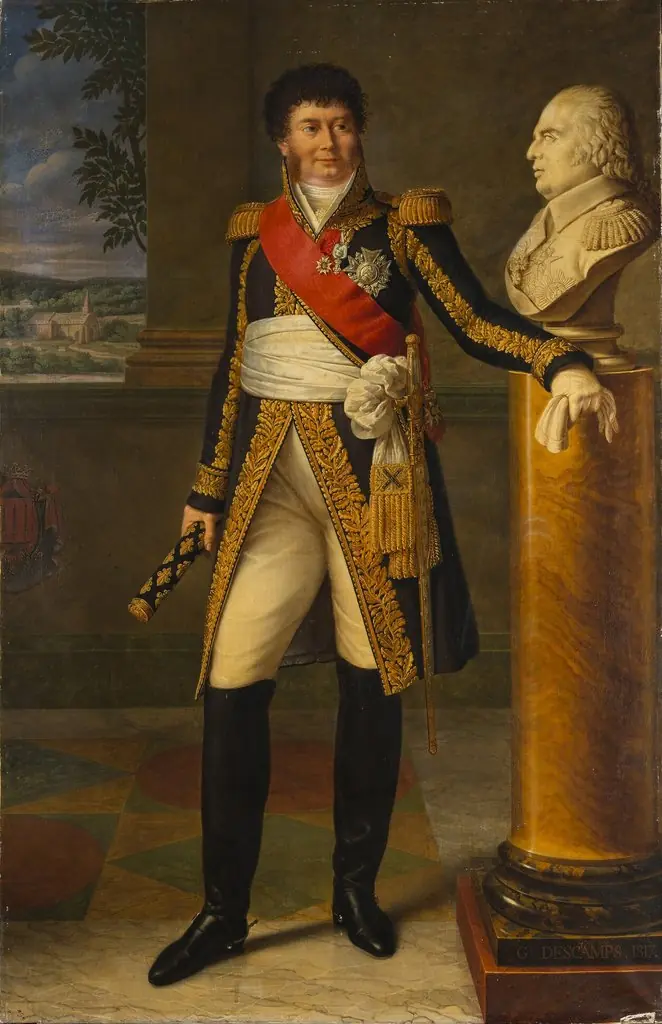 Henri-Jacques-Guillaume Clarke, Count of Hunebourg, Duke of Feltre, Marshal of France (1765-1818)
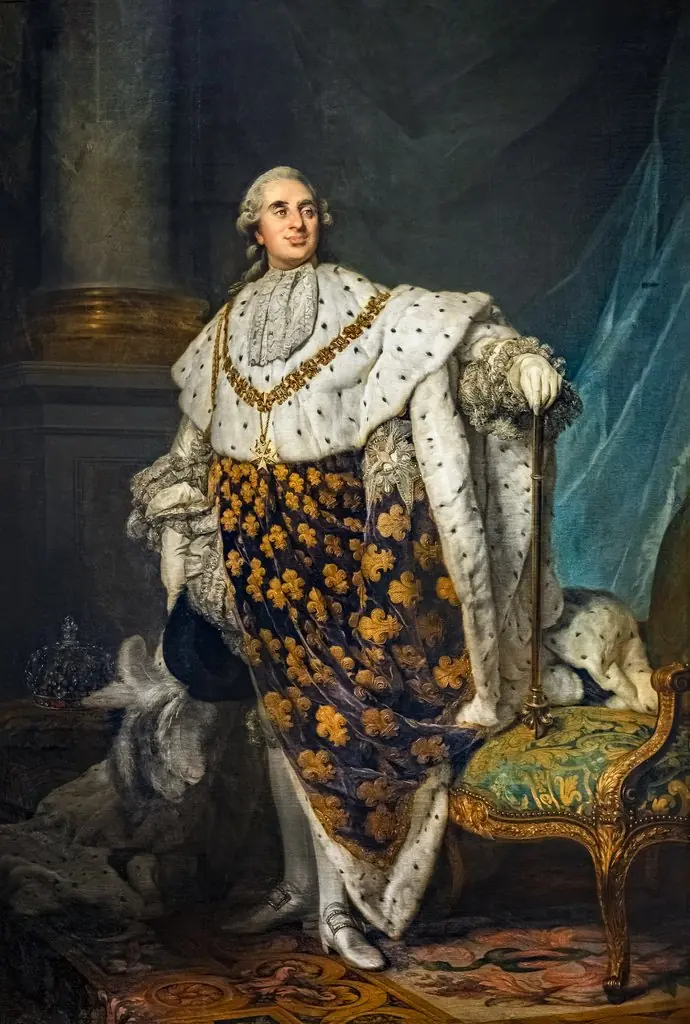 Louis XVI in Coronation Robes
 Ferdinand Charles, Archduke of Further Austria